The reviews reflect a highly mixed picture of care and operations at Guadalupe Valley Nursing and Rehabilitation Center. Many families and residents praise individual staff members, therapy outcomes, and the facility’s activities program. At the same time, a range of operational and clinical concerns emerge repeatedly, producing polarized experiences depending on unit, staff on duty, and timing.
Care and staff: Several accounts highlight caring, attentive nurses and CNAs who contribute to a home-like environment and help residents regain independence through therapy. Long-tenured employees and named staff members are frequently cited as strong contributors to positive outcomes. However, a recurring operational pattern is inconsistent staffing and slow responsiveness to resident requests. Reviews note delays answering call lights, irregular assistance with bathing and hygiene, and variable attention from clinical staff. There are also concerns about medication management and clinical oversight that prospective families should investigate when assessing safety and care continuity.
Dining and nutrition: Descriptions of food service are inconsistent. Some reviewers describe personalized, hot meals and an accommodating kitchen; others cite cold or soggy meal components, missed items on trays, and problems with beverage service. The variability suggests uneven meal-service continuity and occasional lapses in tray delivery or temperature control rather than a uniformly applied meal program.
Activities and rehabilitation: Activity programming is a clear strength. The facility offers a wide variety of engagement options—bingo, music, crafts, outings, and animal visits—which many families value for social stimulation and quality of life. Therapy and rehabilitation services are described positively in multiple accounts, with reports of measurable functional improvement. That said, some families reported access barriers for residents with mobility limitations, indicating that activity inclusion is not consistently achieved for all residents.
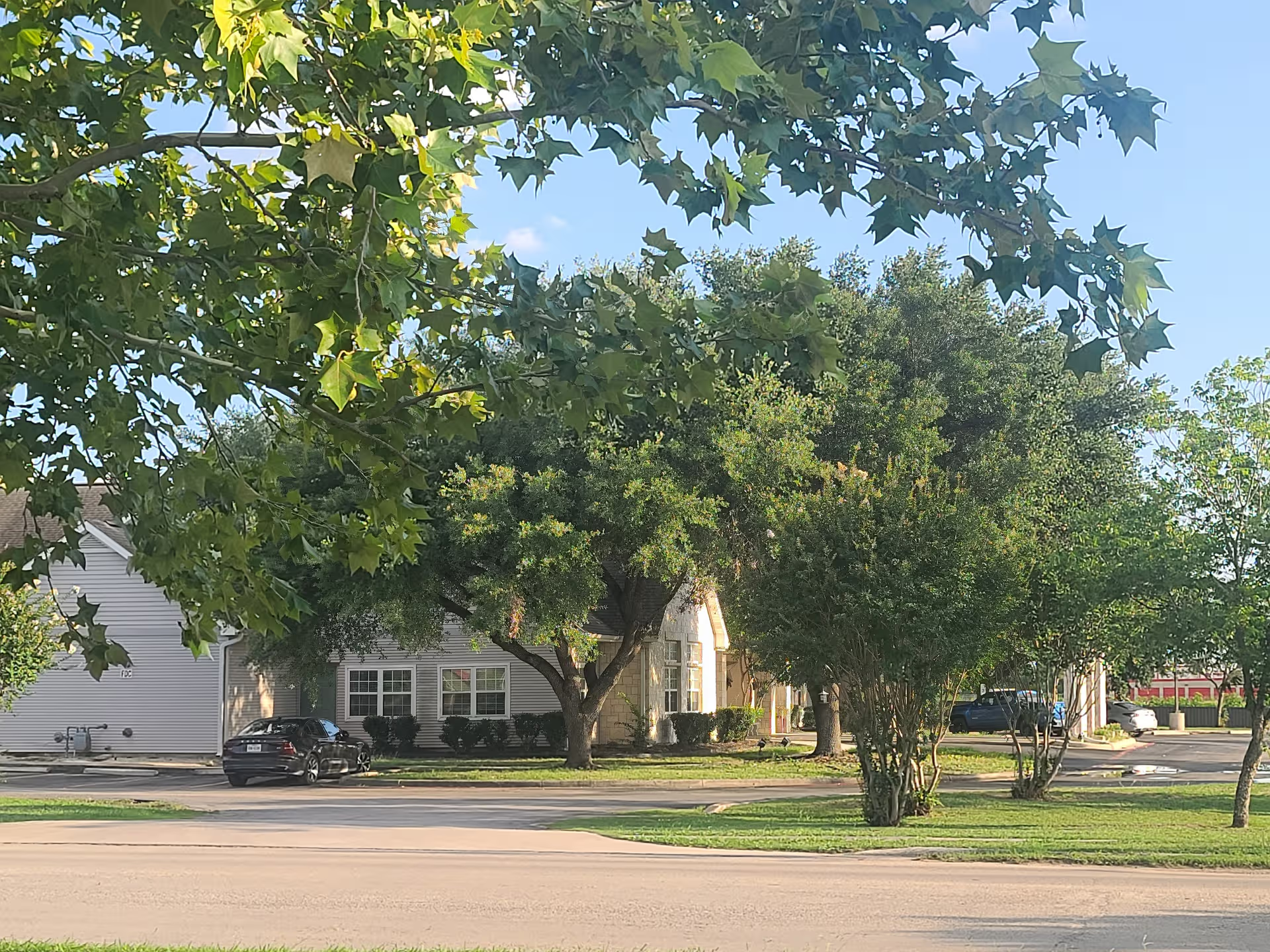
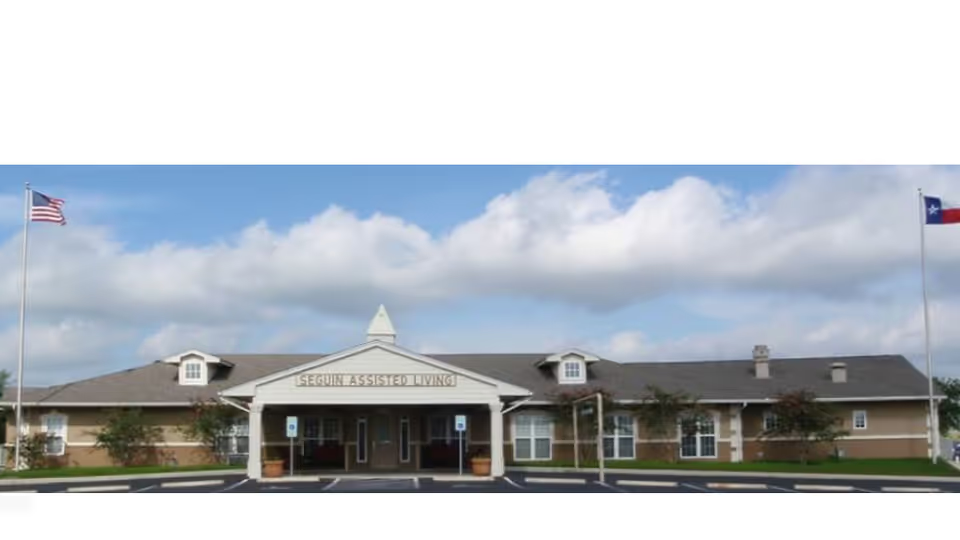
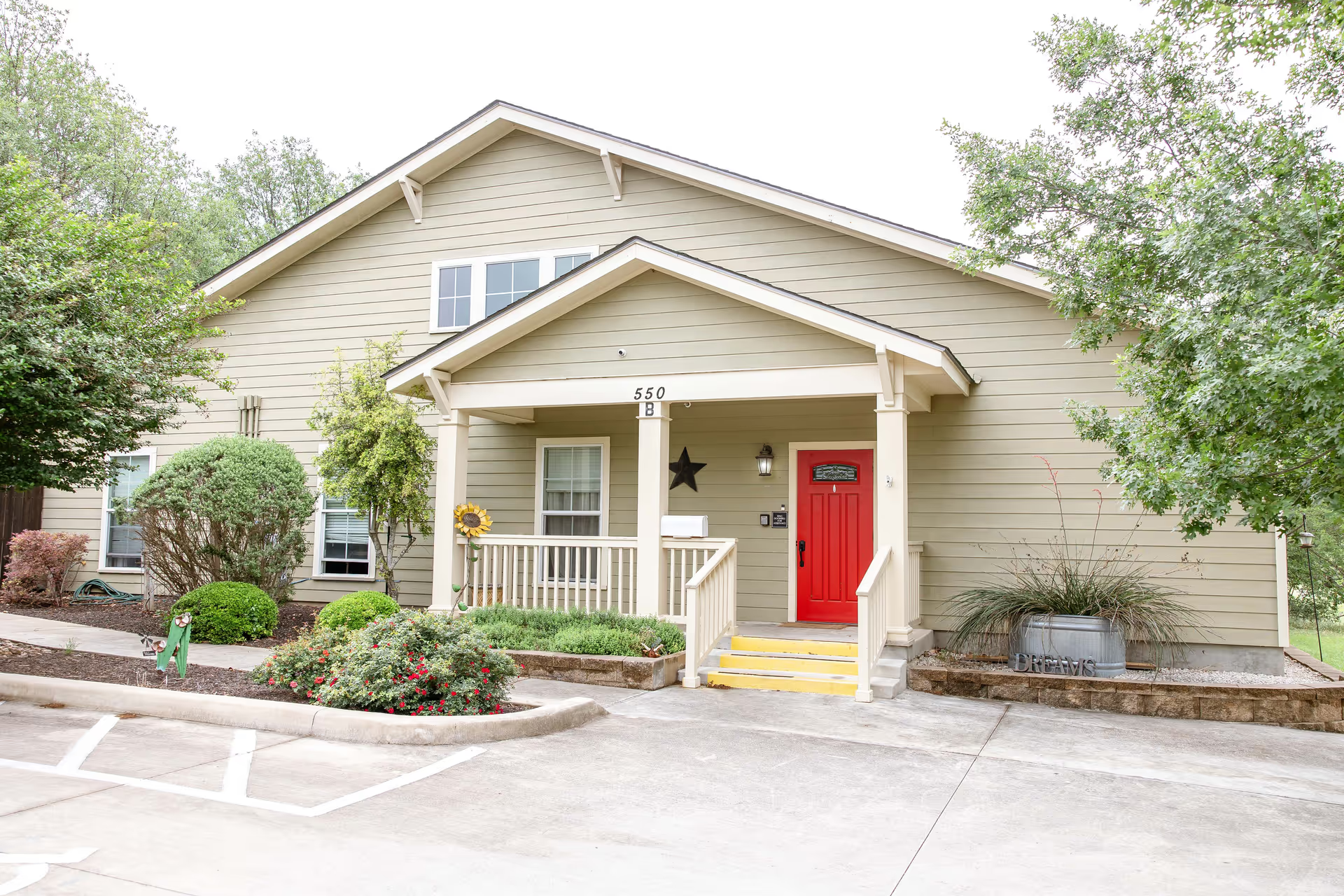
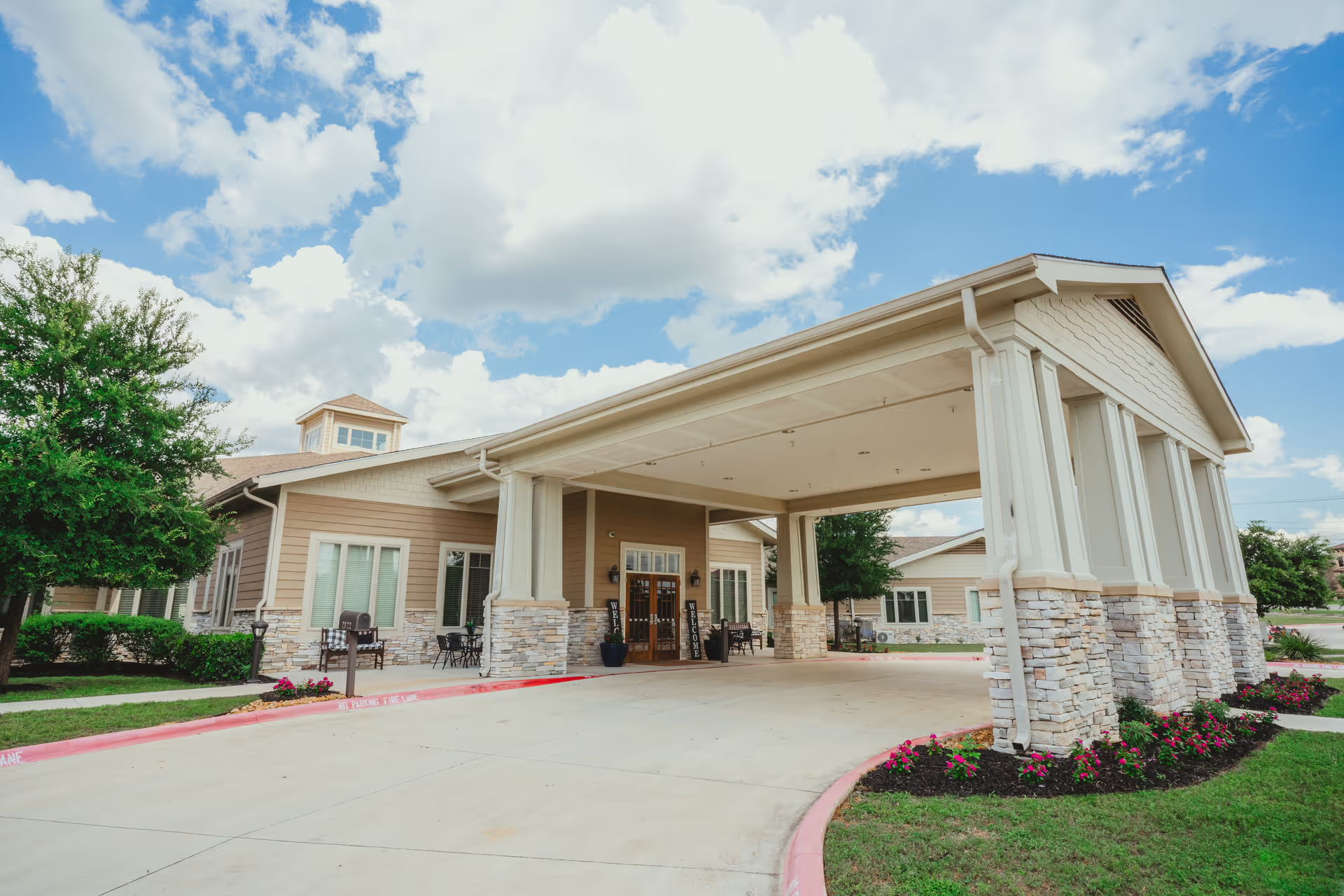
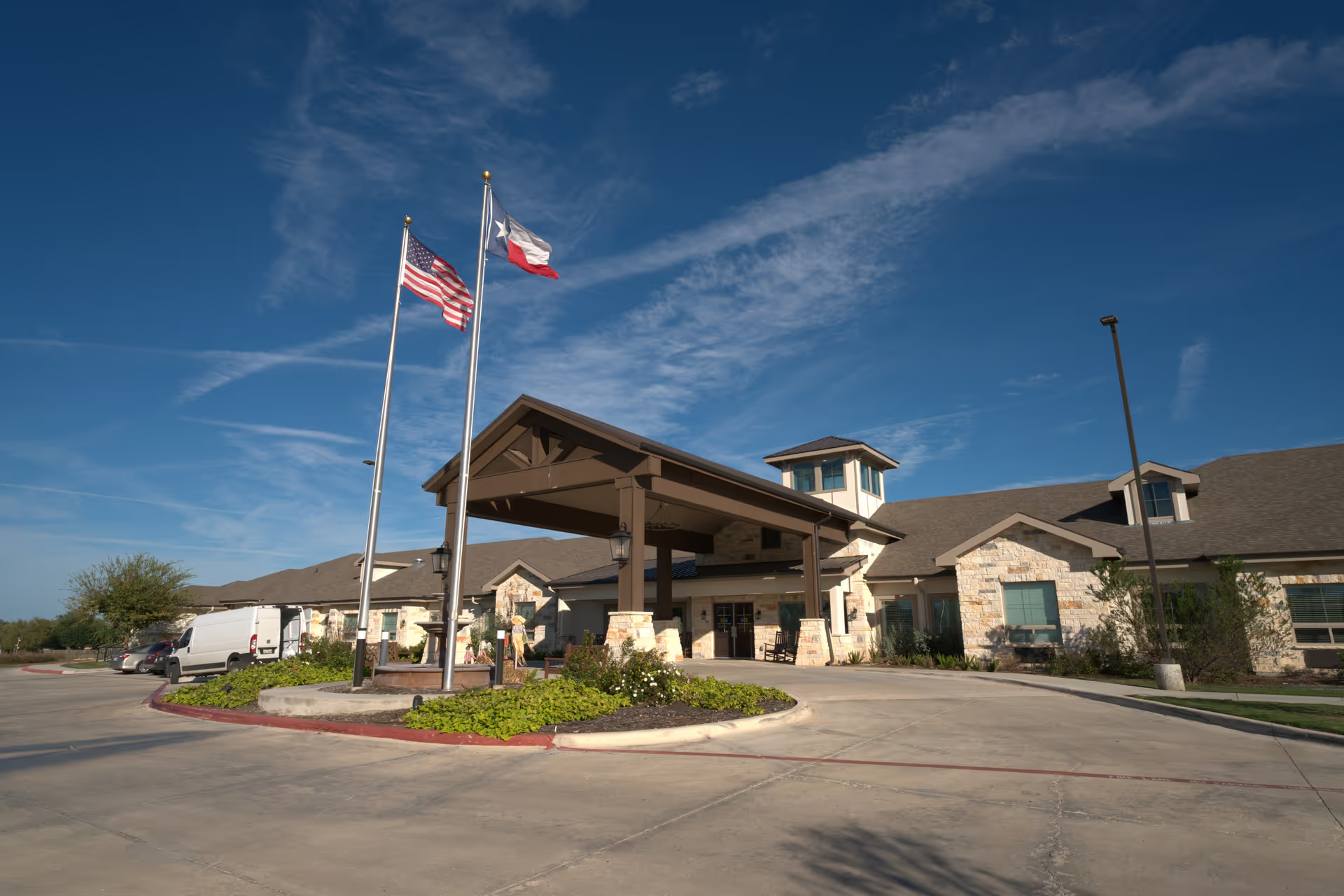
Facilities and maintenance: Common areas are often described as clean and well maintained, and maintenance staff receive praise for problem-solving and for making improvements. Concurrently, isolated environmental and supply issues are noted—sticky floors, empty paper-towel dispensers, mold near vents, and lapses in room supplies. These items point to unevenness in environmental maintenance and housekeeping practices across the facility.
Management and communication: Reviews indicate a pattern of uneven administrative responsiveness. Positive comments reference supportive leadership and staff ownership; negative comments describe difficulty reaching administrative staff, long hold times on phone lines, delayed responses to family inquiries, and slow resolution of billing or insurance matters. Communication gaps between staff and families, unclear physician assignment, and inconsistent documentation further contribute to family anxiety—especially for those at a distance.
Notable patterns and considerations: The overall impression is one of a facility with identifiable strengths—particularly in activities, therapy, and the efforts of committed staff—paired with operational inconsistencies that materially affect resident experience and family confidence. Prospective families should consider on-site visits during mealtime and activities, request current staffing and call-response metrics, review medication reconciliation and physician-coverage arrangements, and clarify billing/insurance processes. Asking for recent inspection reports and speaking directly with therapy and nursing leadership can help assess whether the facility’s strengths align with an individual resident’s needs.