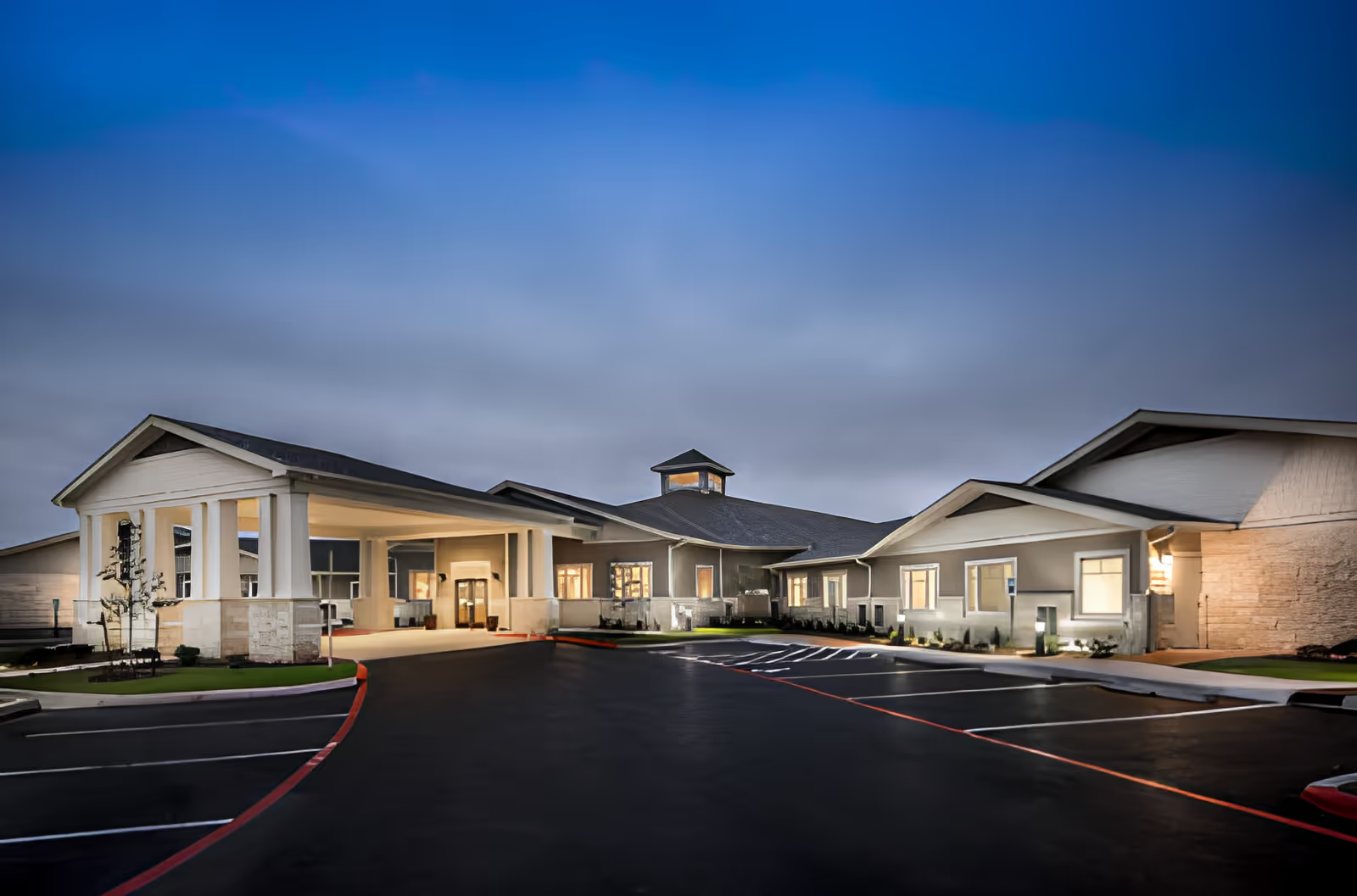
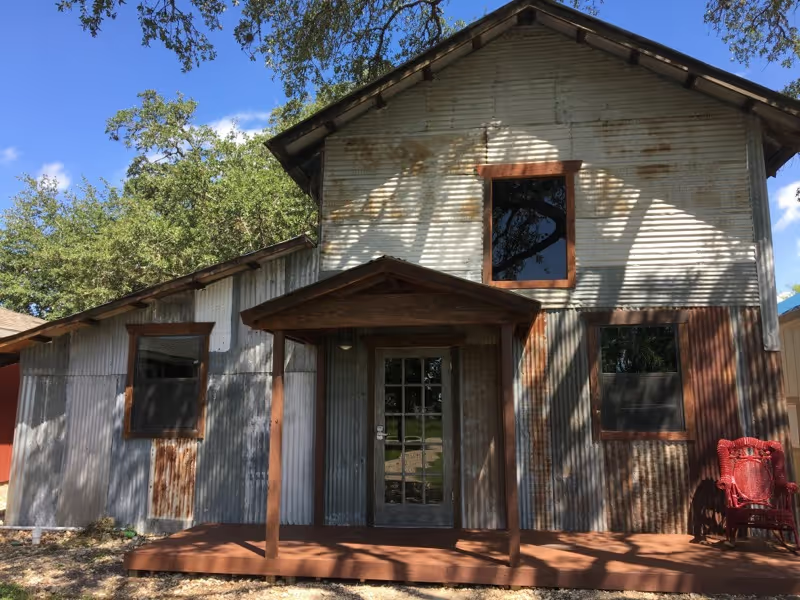
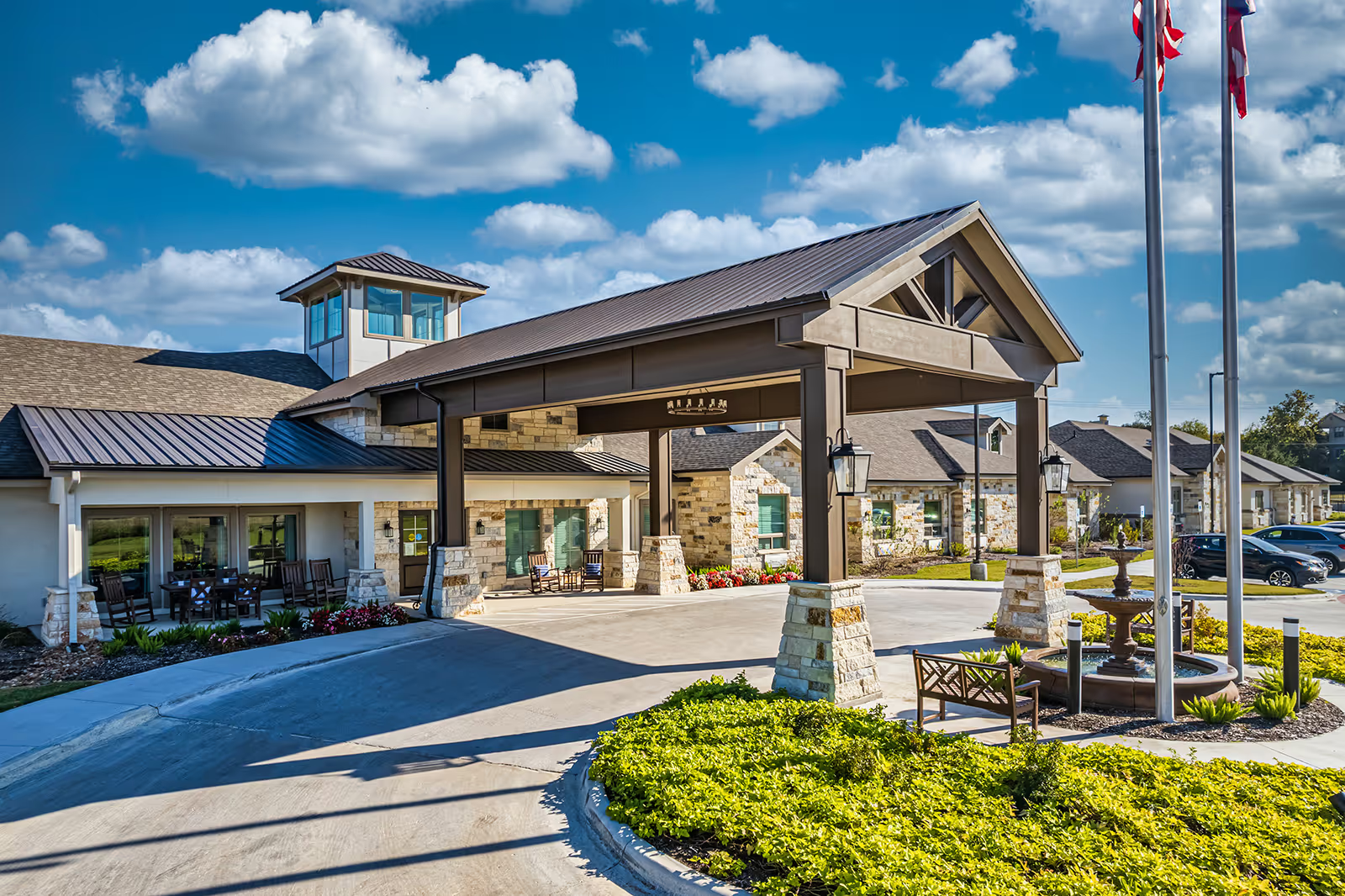
Overview: Reviews of Nesbit Living & Recovery Center show a mixed picture. Many families and visitors describe strong clinical and rehabilitative outcomes, an active activities program, and a compassionate, family-like culture among direct-care staff. At the same time, others highlight operational weaknesses in housekeeping, maintenance, medication handling, and administrative responsiveness. Prospective families should weigh both the clinical strengths and the operational inconsistencies when evaluating placement.
Care quality and clinical concerns: Positive accounts emphasize attentive nursing, successful therapy and rehabilitation services, and supportive memory-care and hospice resources. Several reviewers specifically praised rehabilitation teams that aided functional recovery and nursing staff who were caring with dementia residents. However, other accounts describe medication delays, gaps in medication-approval workflows, and more serious clinical monitoring concerns; a small number of reviews described severe infection-related complications. There are also patterns suggesting weaknesses in transfer and fall-prevention practices. Families should ask about medication administration protocols, clinical oversight, staff-to-resident ratios, and incident-response procedures during a tour.
Staff and management: Many comments reflect friendly, helpful frontline staff and social-work support that communicates with families. Conversely, a significant subset of feedback indicates inconsistent communication from leadership, rude or unhelpful administrative interactions, and high staff turnover. Reported problems include poor responsiveness to family concerns, difficulty reaching staff via phone, and breakdowns in the admission/liaison process. Prospective families may want to request current staffing information, escalation contacts, and examples of how management addresses complaints.
Dining, activities, and resident life: The facility receives positive remarks for an active calendar of activities, a social atmosphere, on-site amenities such as a beauty salon, and a pet-friendly environment. These elements contribute to social engagement and resident satisfaction in many reports. At the same time, some reviewers noted inconsistent meal-service timing and at least occasional interruptions to expected dining schedules. It can be useful to observe a meal service and activity period during a visit to assess consistency and resident engagement.
Facilities, housekeeping, and maintenance: Several visitors praised attractive decor and clean common areas, while other reviews document variability in room readiness, housekeeping follow-through, sanitation and odor concerns, pest-control issues, and delayed maintenance responses (including plumbing and window leaks). Instances of TVs or rooms not being set up at admission were also mentioned. These mixed reports suggest that physical upkeep and housekeeping consistency may vary by unit or shift; families should inspect rooms and ask about housekeeping schedules, pest-control contracts, and maintenance response times.
Notable patterns and recommendations: The overall pattern is one of operational variability: strong clinical and relational strengths exist alongside notable administrative, housekeeping, and communication inconsistencies. When considering Nesbit, arrange an in-person tour, meet nursing and administrative leadership, observe activities and meals, and request written policies on medication management, infection control, staffing ratios, fall prevention, and transfer protocols. Ask for references from recent families and clarify how the facility handles complaints, phone communications, and emergency hospital returns. Those steps will help determine whether the facility’s strengths align with a prospective resident’s clinical and quality-of-life needs.