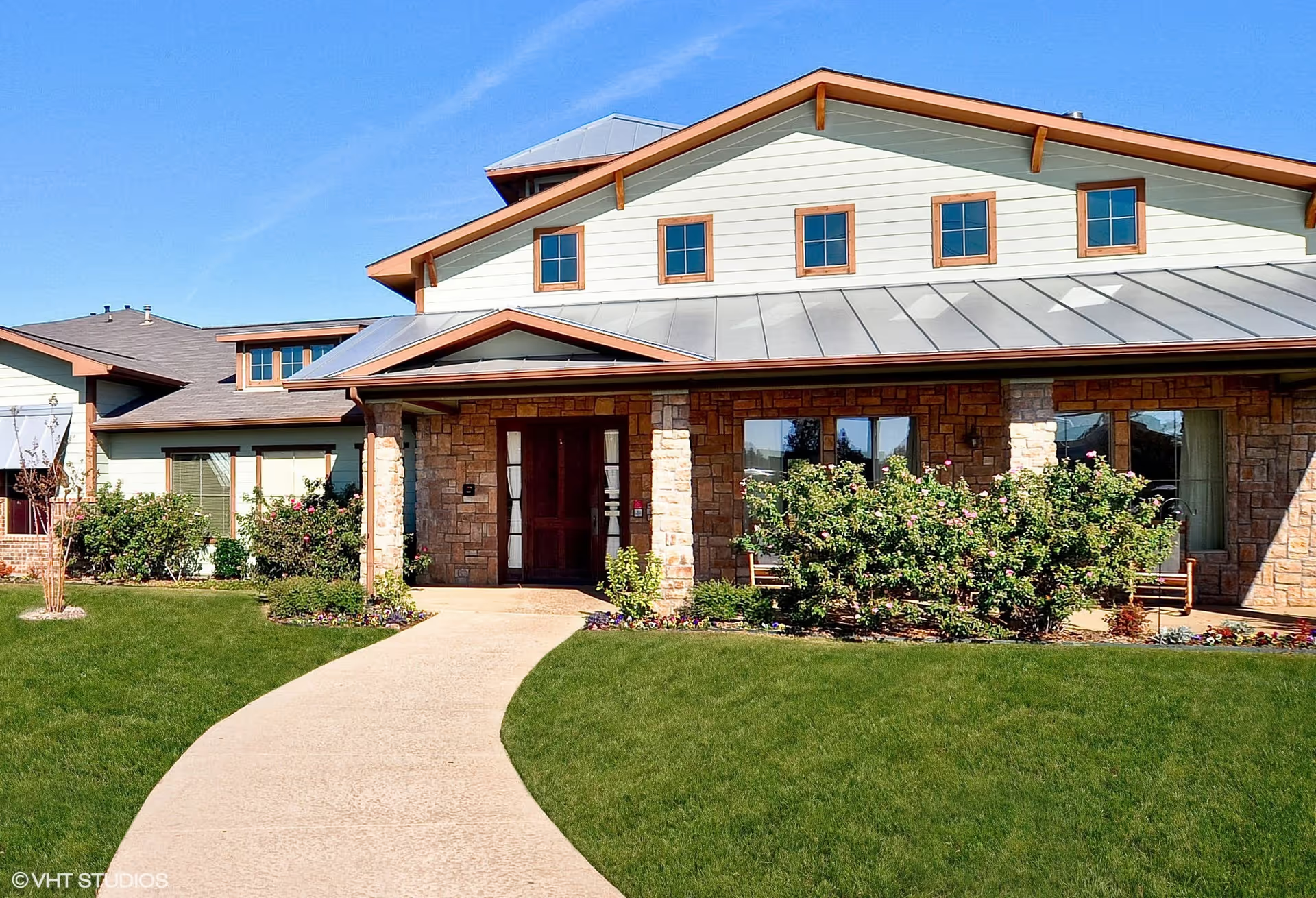
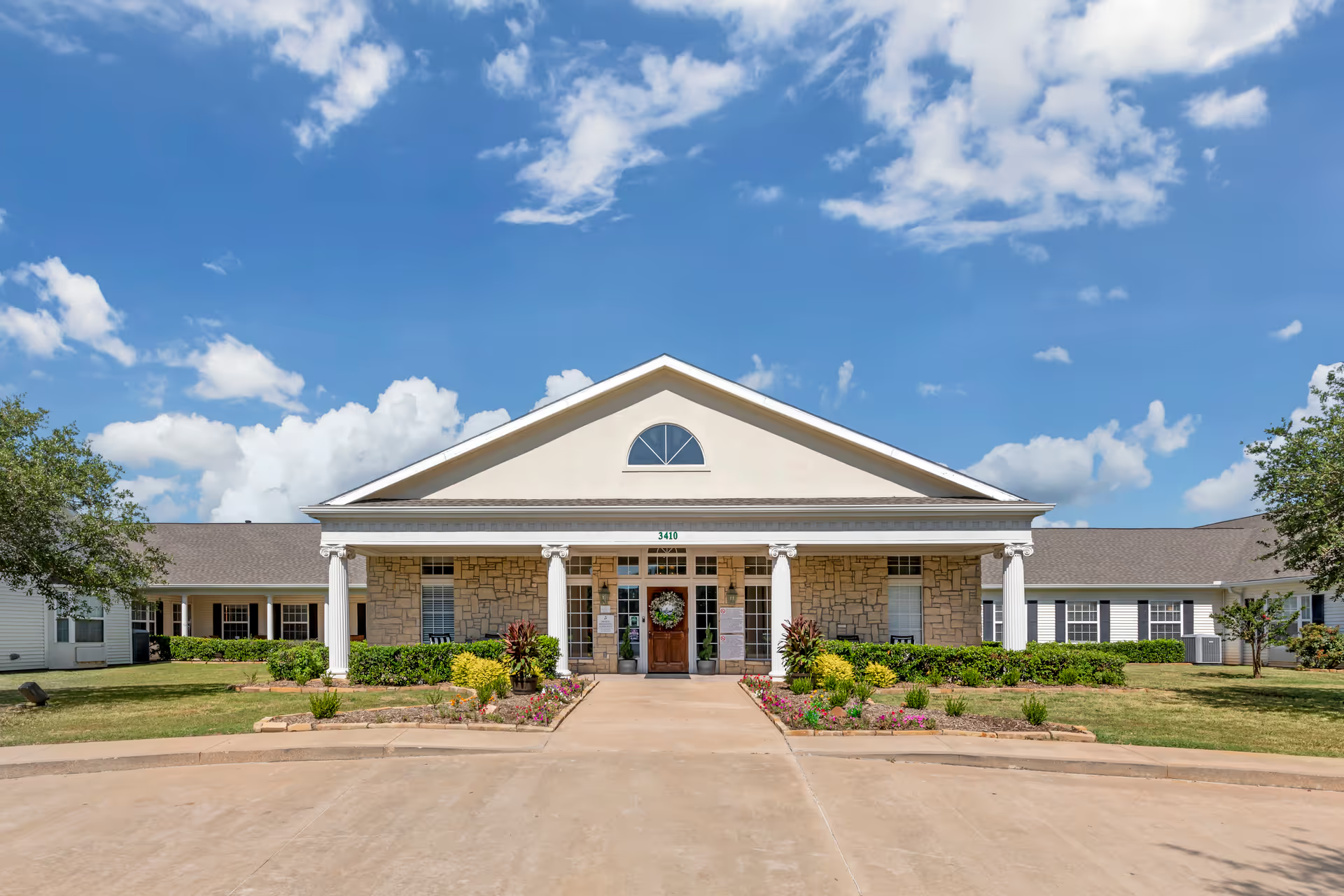
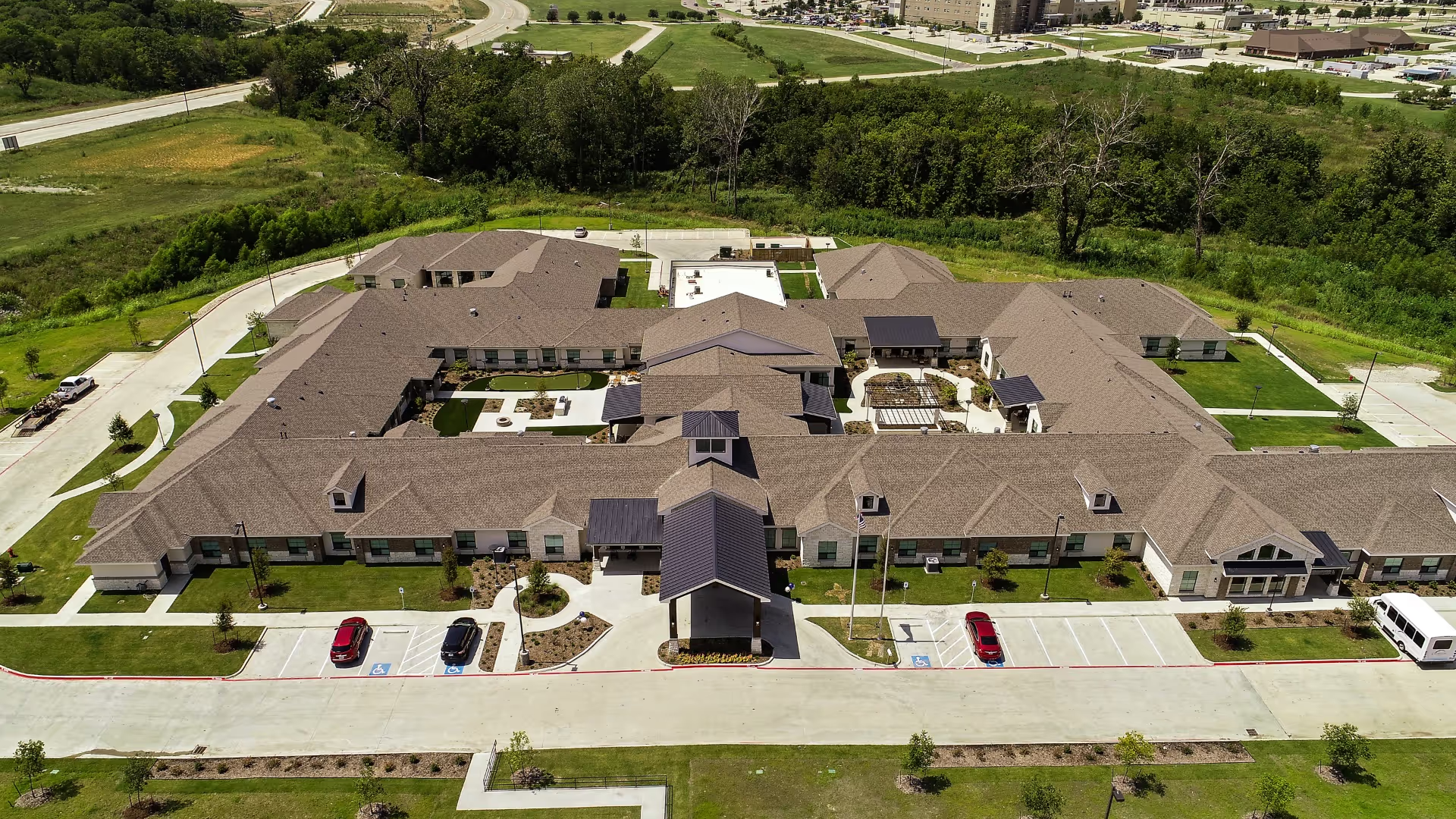
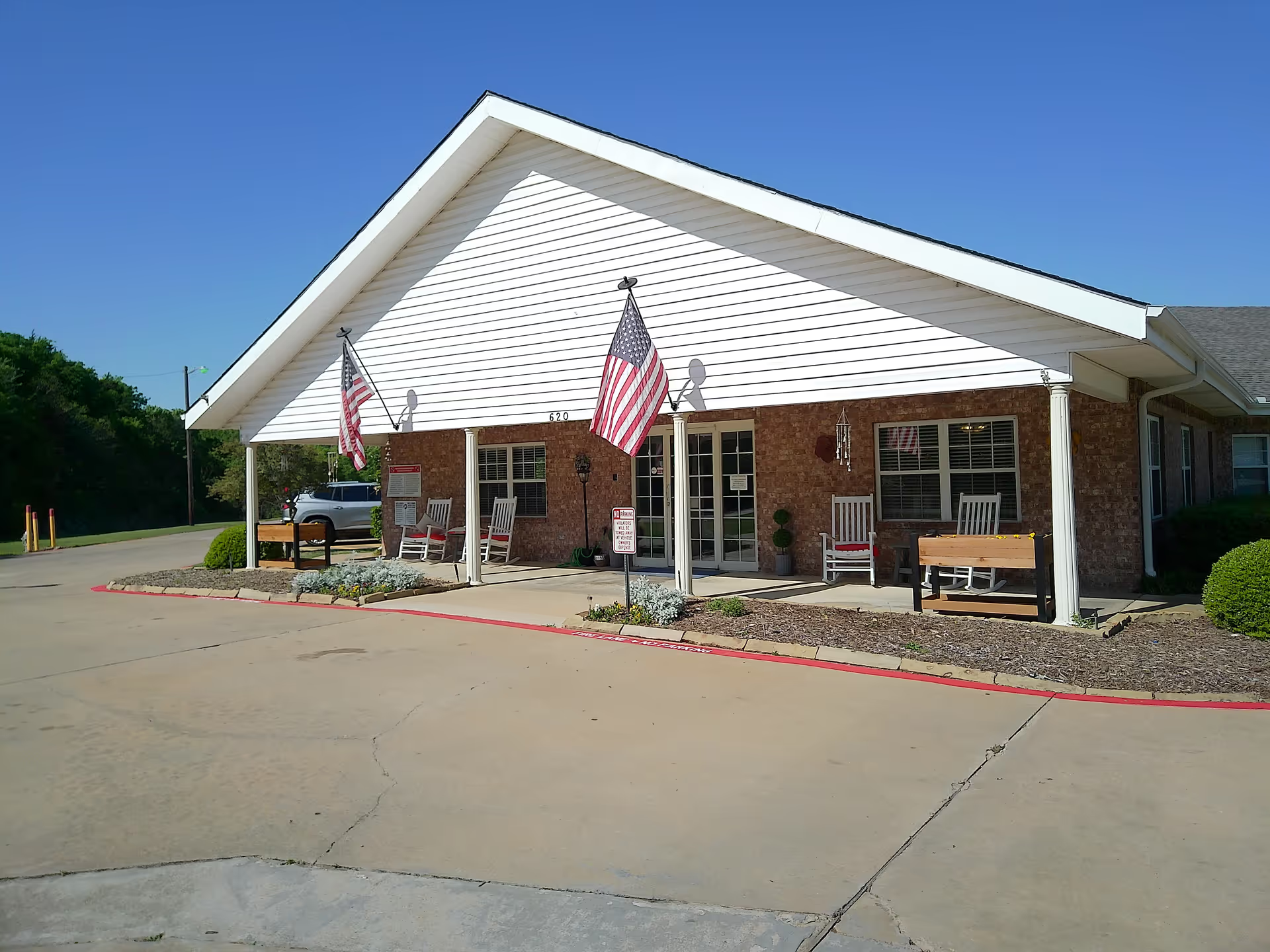
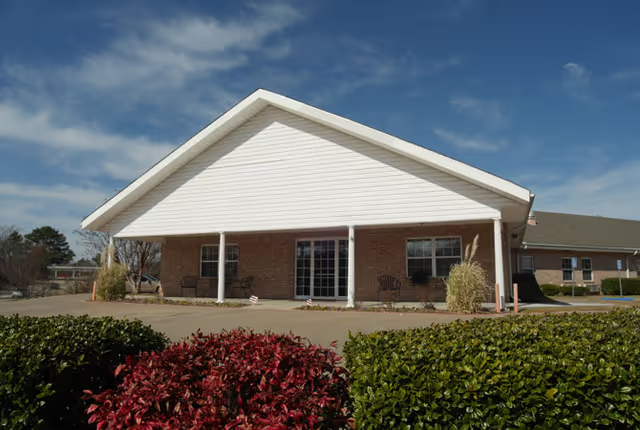
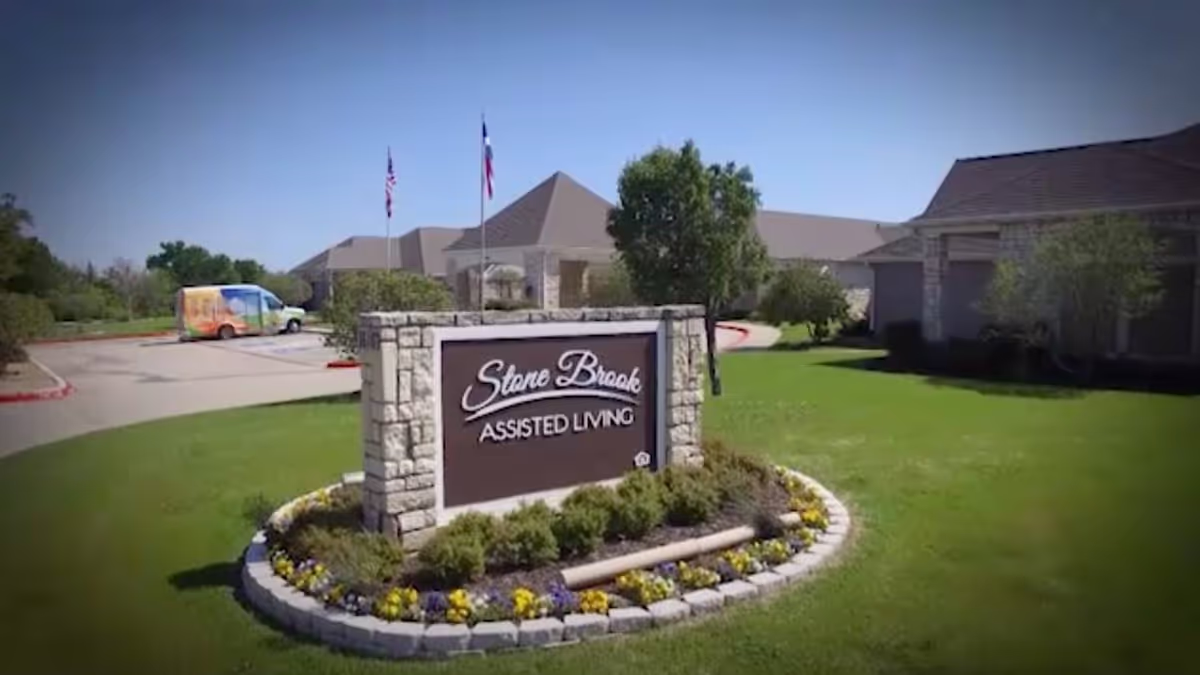
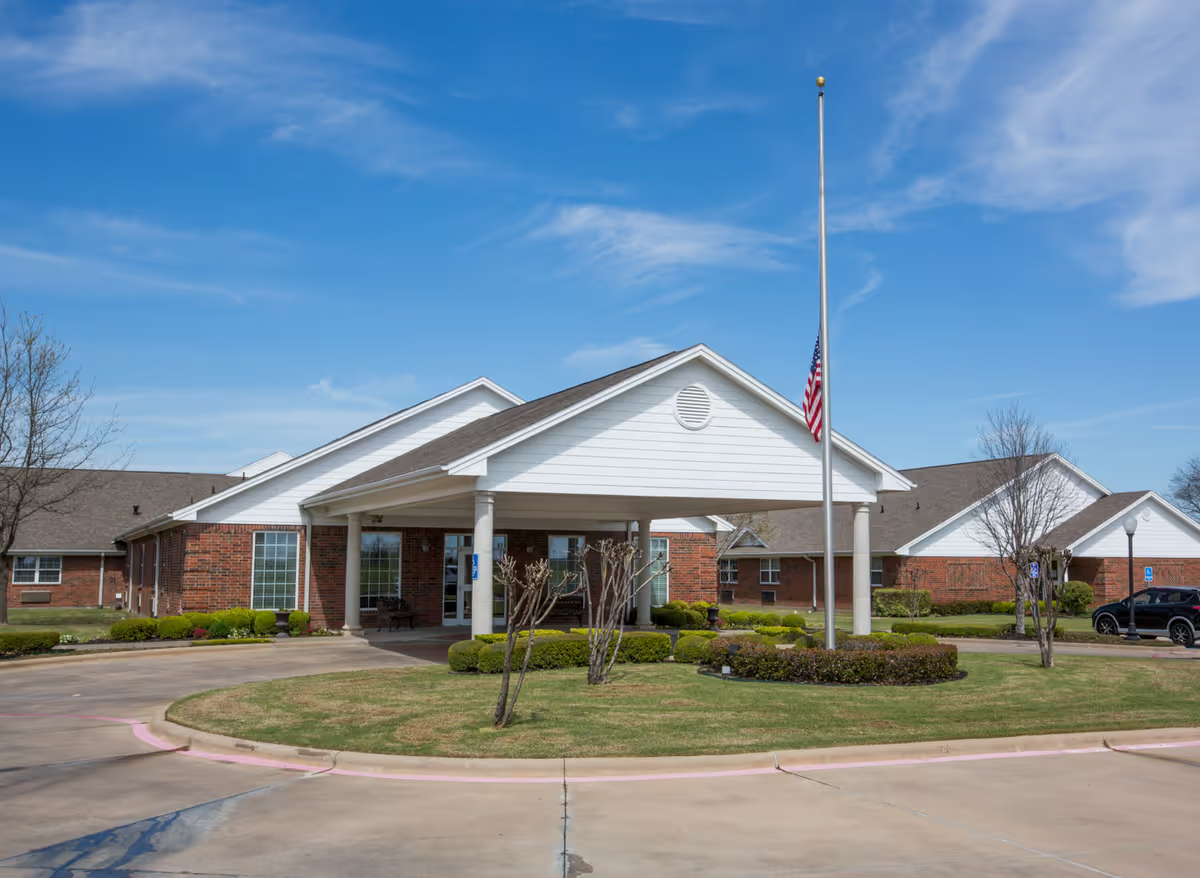
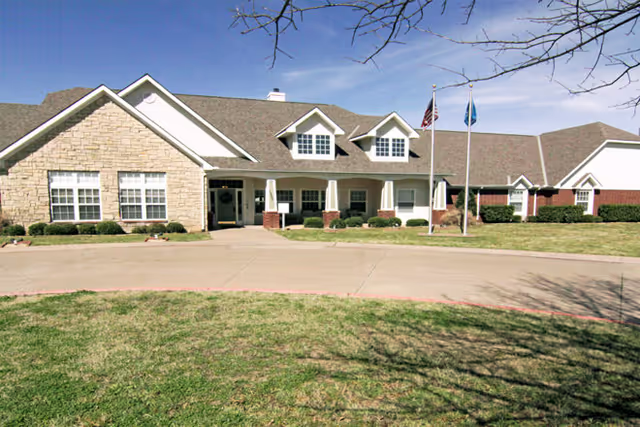
Asher Point Independent Living of Sherman draws consistently mixed but instructive feedback. Strengths center on the community atmosphere and frontline personnel: many accounts describe warm, compassionate staff and an admissions team that eases the touring and move-in process. The maintenance group is frequently singled out for responsiveness and hands-on problem solving, and common areas and the dining room are often described as clean and hotel-like. The community offers a broad set of amenities (fitness area, salon, library, pool, landscaped courtyards) and a robust calendar of activities and social events that support social integration and resident engagement. Apartment sizes and layouts, particularly two-bedroom units, receive positive comments and the pet-friendly policy and on-site transportation are recurring practical advantages. Several reviewers perceive the community as providing good value for the price.
At the same time, the facility exhibits several operational weaknesses that prospective residents and families should evaluate. Management and staff turnover is a recurring theme and appears to correlate with uneven service delivery: dining quality and consistency are described as variable, with specific periods of high praise and other periods of decline following staffing changes. Housekeeping and maintenance staffing levels have occasionally strained service expectations, producing delayed responses and uneven housekeeping standards. The building shows signs of deferred capital upkeep in places (carpeting, painting, dated finishes), which contributes to mixed impressions of physical condition despite generally tidy common areas.
There are also practical limitations tied to the community’s independent-living model and operational gaps. The community does not provide higher-level assisted-care services on site, and several reviewers note that the setting is less suitable for residents with advanced frailty or significant cognitive decline. Operational issues flagged by families include interruptions to transportation services, inconsistent communication about service changes or promised amenities, and concerning examples of emergency response and property-protection (for example, a freeze-related pipe incident that highlighted compensation and recovery-process gaps). Clinical concerns are present in a subset of accounts, such as medication-administration delays; these should prompt targeted questions about clinical oversight and protocols for higher-acuity needs.
In sum, Asher Point offers many attributes valued in independent-living communities: a welcoming culture, active programming, a broad amenity set, and a widely praised maintenance team. However, variability in management stability, dining and housekeeping consistency, deferred interior upgrades, and limited on-site assisted-care capacity create trade-offs. Prospective residents should tour multiple times, ask specific questions about current leadership and staff turnover, review the dining program and staffing model, inquire about emergency procedures and compensation policies, confirm housekeeping and maintenance staffing levels, and verify the availability of transportation and clinical escalation pathways before deciding. These targeted checks will clarify whether the community’s strengths align with an individual resident’s needs and expectations.