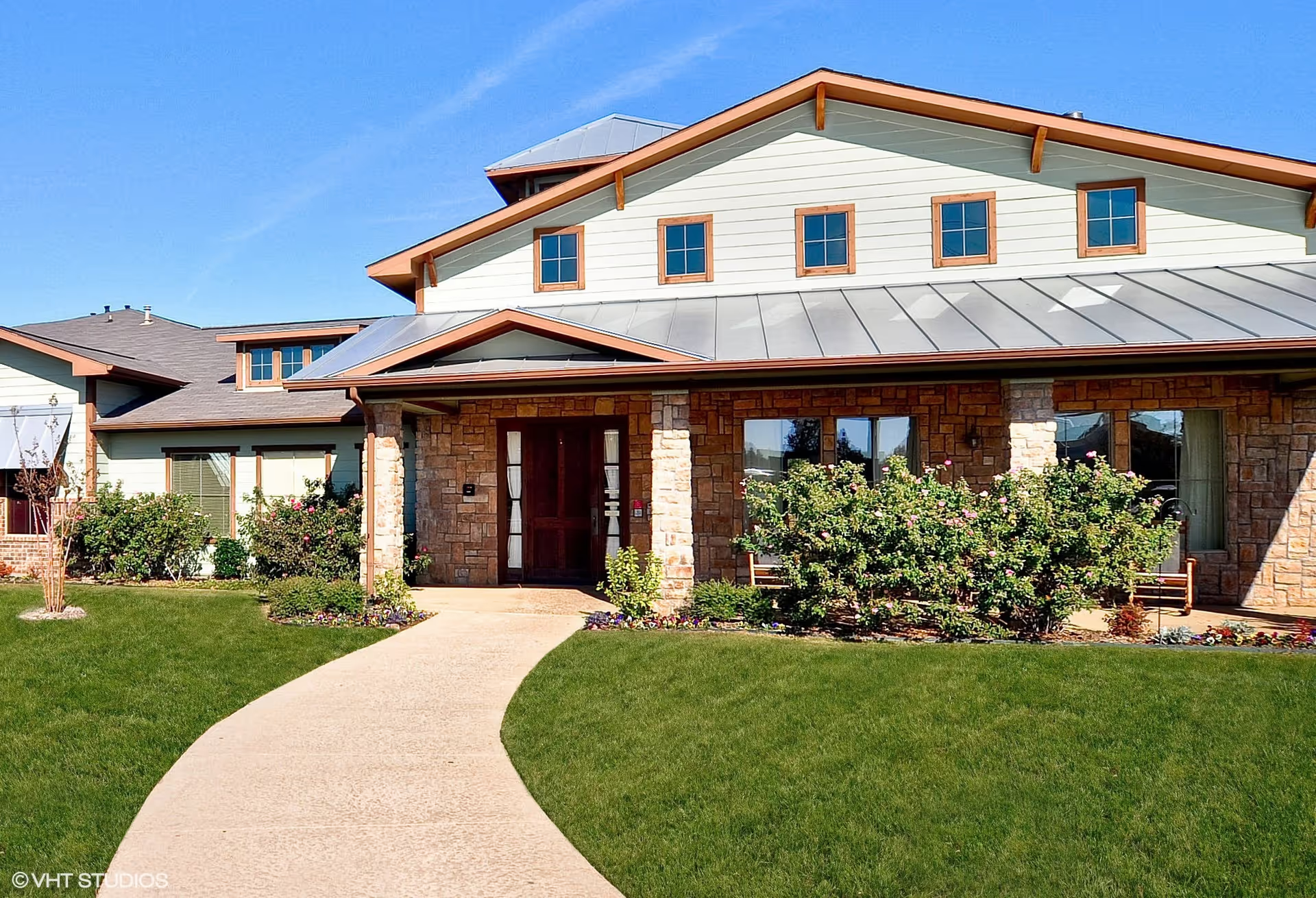
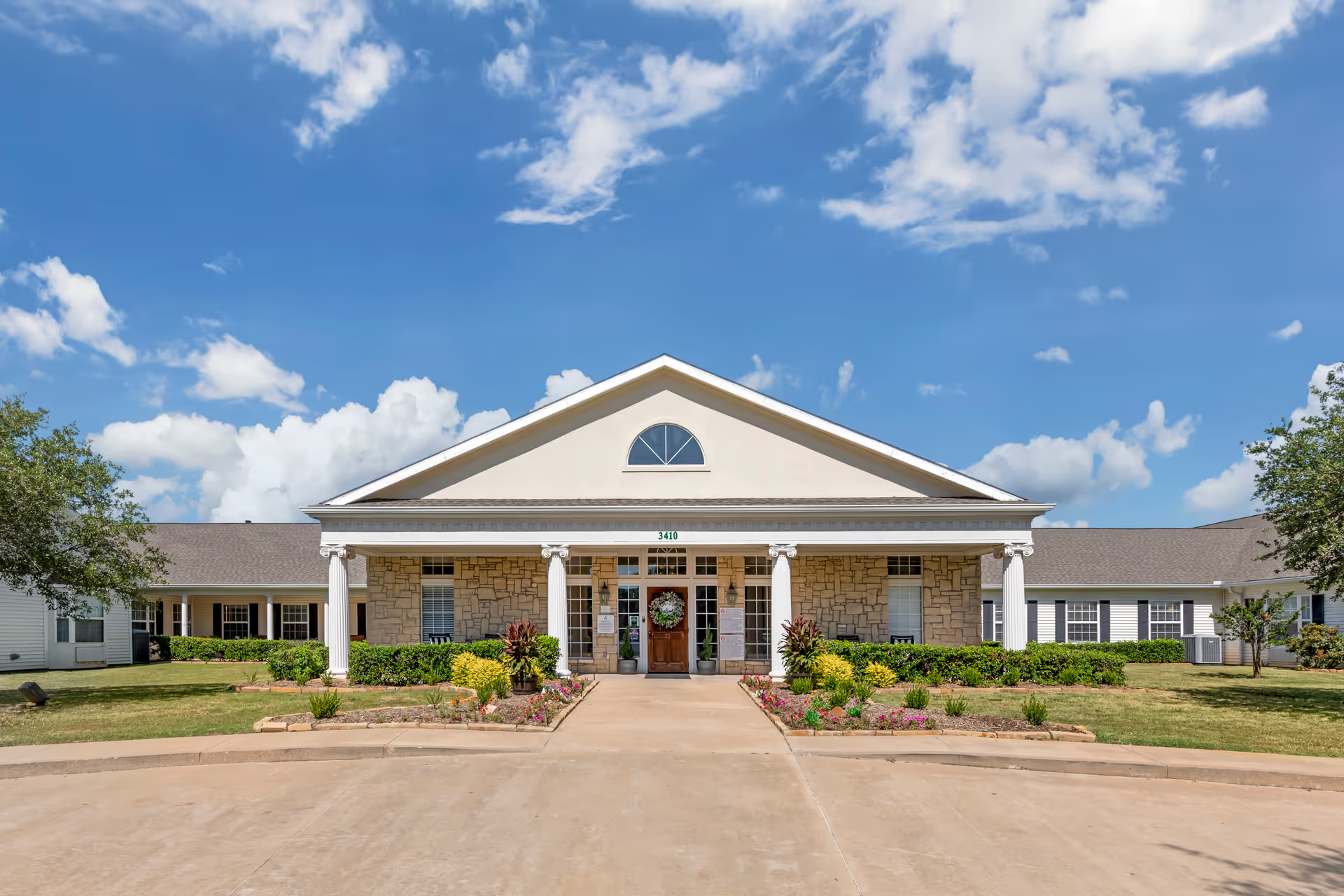
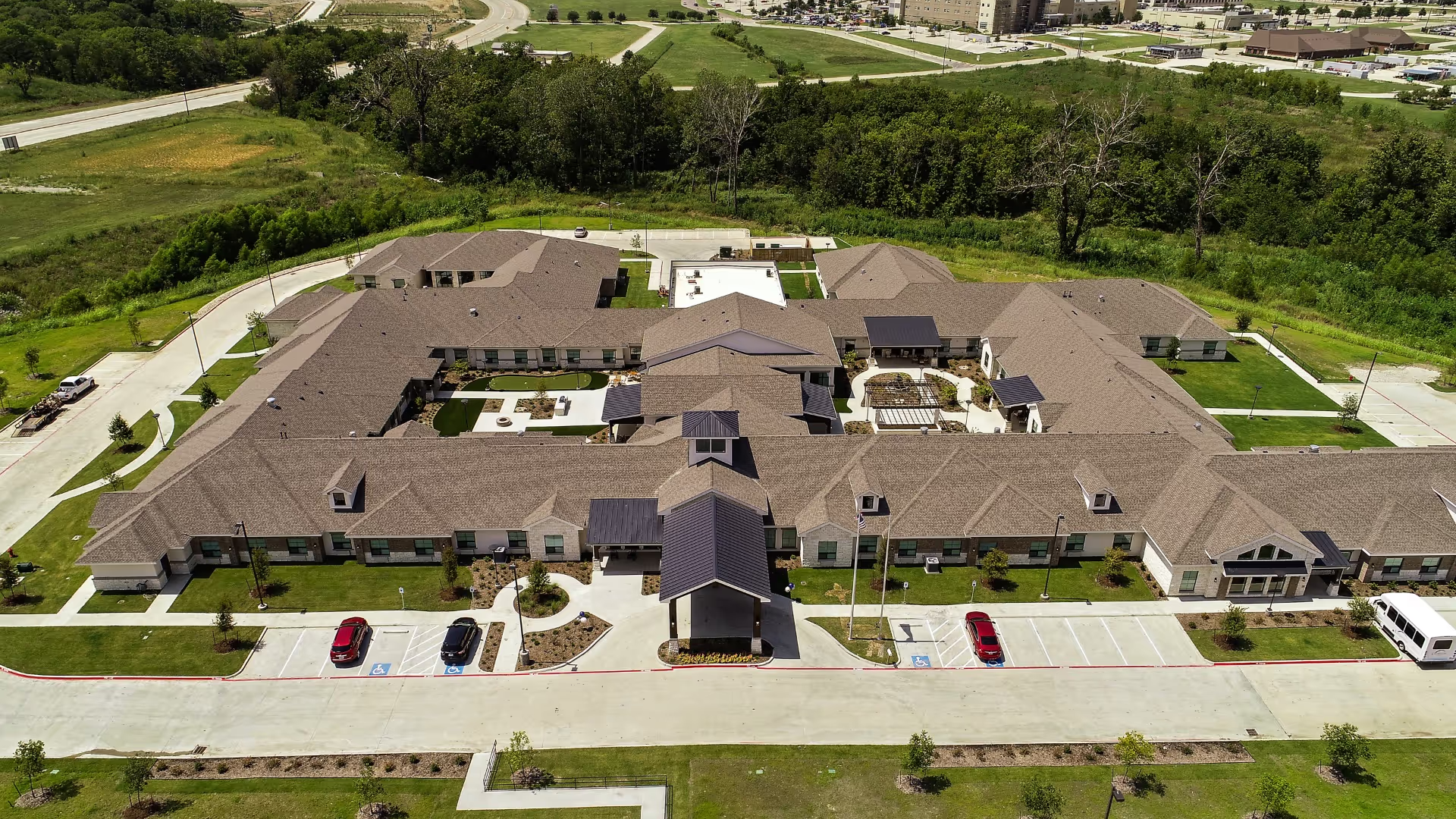
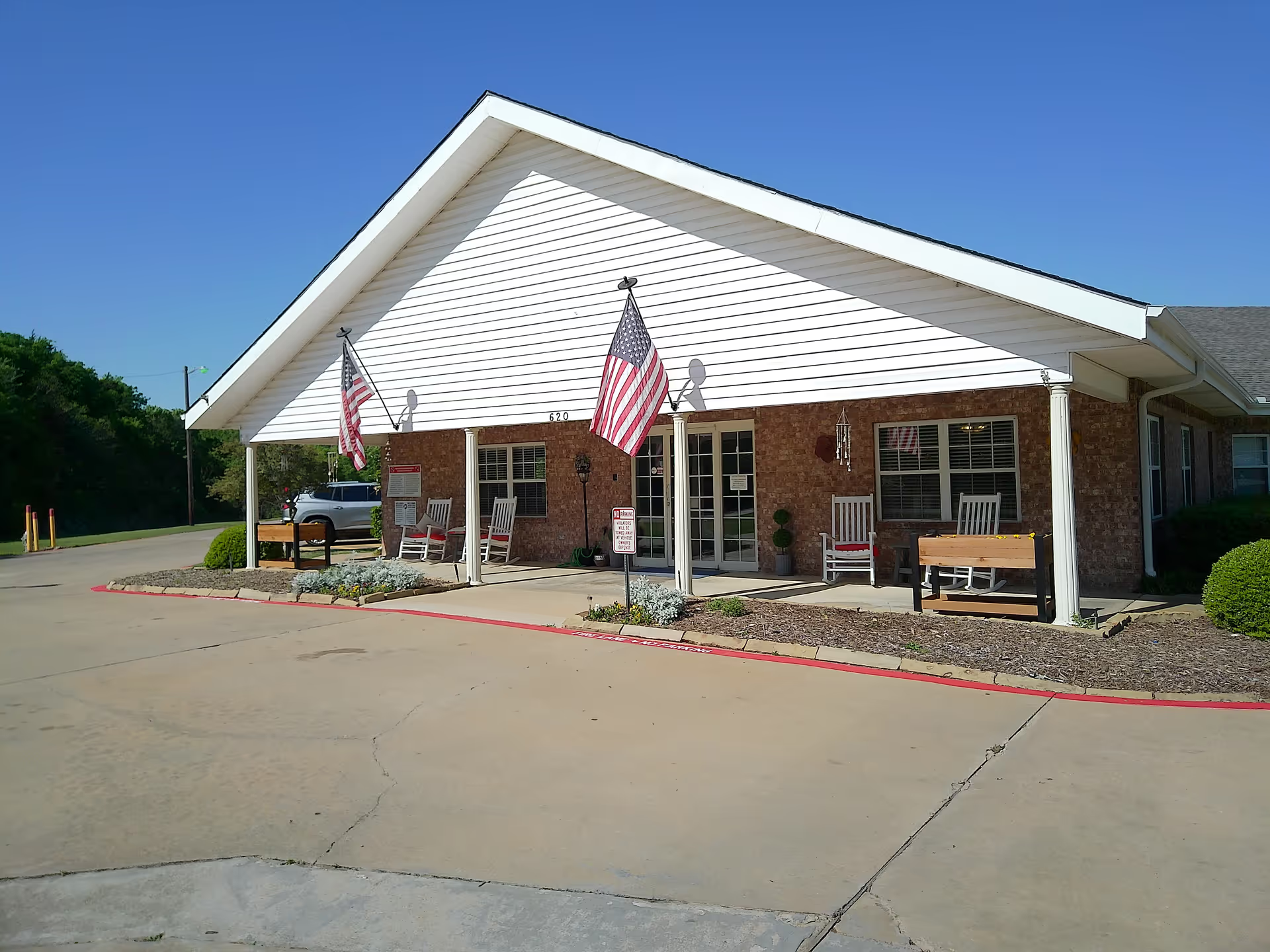
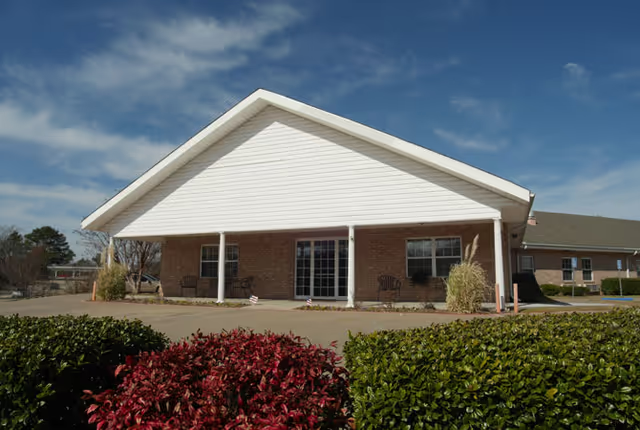
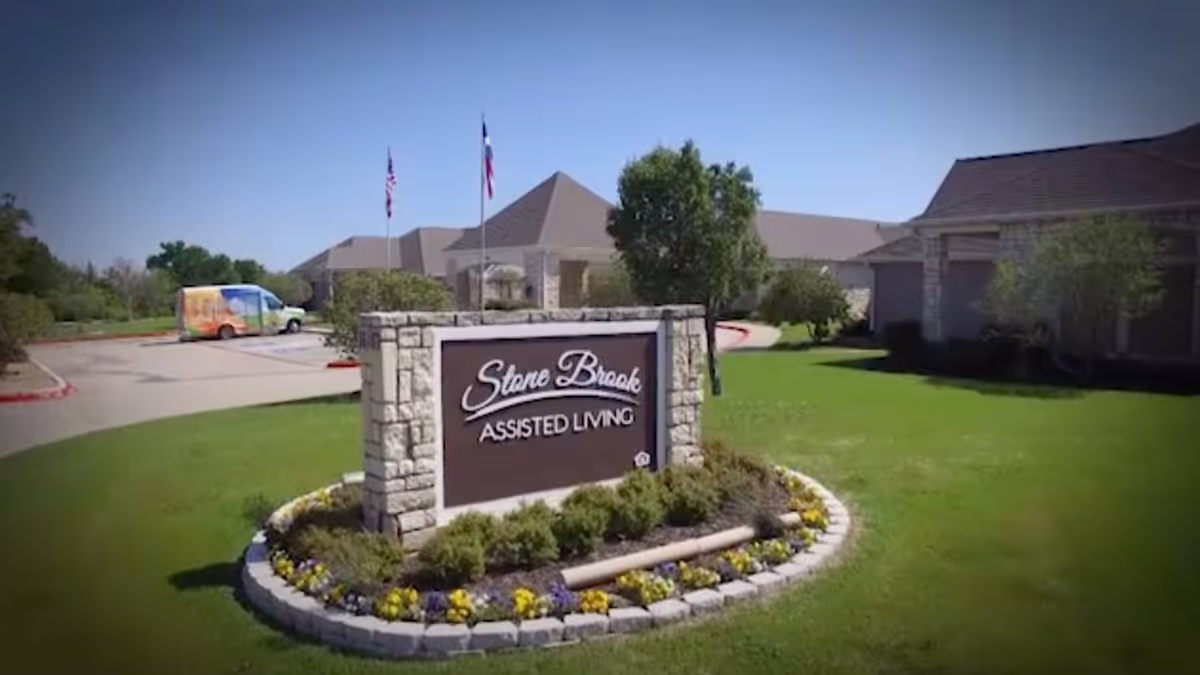
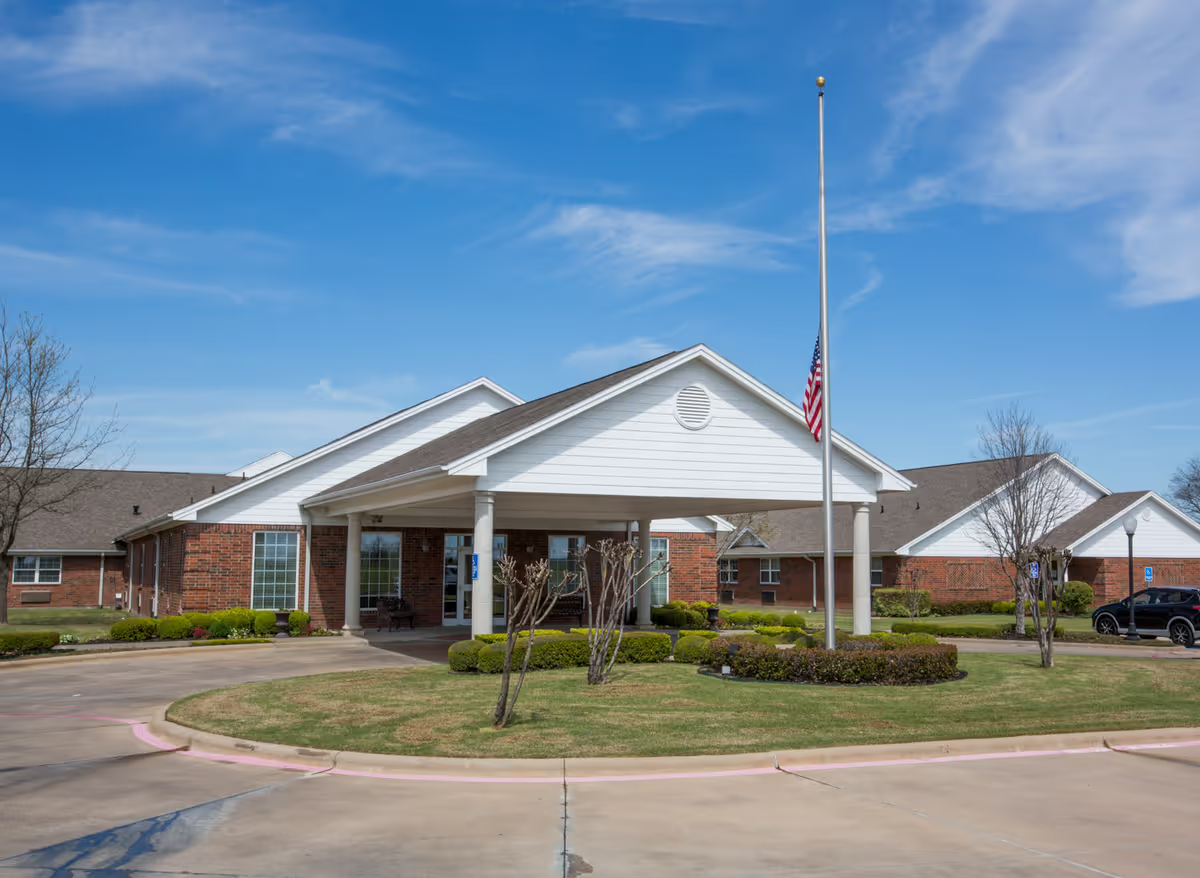
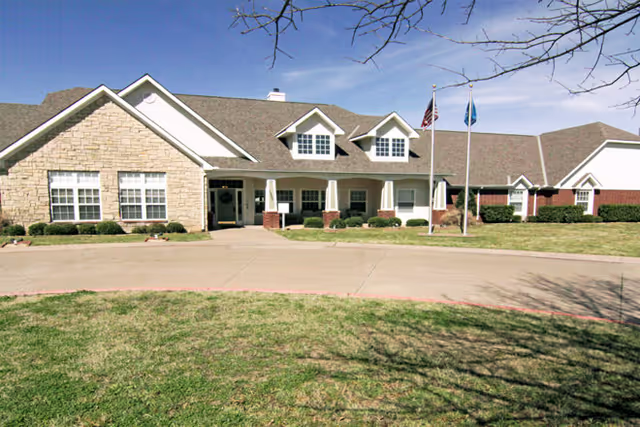
Overall impression: Reviews are markedly mixed, with distinct positive and negative patterns. Many families and visitors praised the therapy department, long-tenured caregivers, and recent physical updates to the building; others described recurring operational problems that affected daily care and family confidence. The facility presents well on first impression for visitors, but reviewers described variable experiences once residents were in-house.
Care quality: Clinical experiences ranged from high-quality rehabilitation and attentive caregiving to substantive lapses in day-to-day clinical practices. Positive accounts highlight strong therapy outcomes and individual caregivers who know residents by name and meet preferences. Negative accounts describe delayed medication administration, missed repositioning and hygiene assistance, development of pressure-related skin concerns, and delayed recognition or response to acute events. Several families flagged slow response to call buttons and ambulance delays; there are also reports that prompted formal complaints. These indicate uneven consistency in core clinical processes and emergency responsiveness.
Staff and conduct: Staffing appears uneven across shifts. Long-tenured staff and some weekend/weekday teams were described as caring and engaged, while other comments indicate low morale, short staffing, use of personal devices on duty, abrupt communication style, and inconsistent professionalism. Agency/travel staff and orientation processes were singled out as areas needing stronger supervision. Communication tone and responsiveness from front-line staff and the administrative team are recurring themes — both positive (helpful business office, courteous reception) and negative (unhelpful phone conduct, defensive administrative interactions).
Dining and nutrition: The facility’s dining experience is inconsistent. Reviewers noted an active dining program and some positive food experiences, but also frequent complaints about cold meals, crowded assisted dining environments, inadequate table cleanliness, leftover/spoiled items, and weak coordination between nursing and dietary staff when residents require assistance or modifications. Meal-service continuity and food-safety practices appear to be operational stress points.
Activities and community life: The wellness and activities program receives consistent positive feedback. Multiple reviewers noted a variety of activities, a welcoming community atmosphere, and residents who seemed engaged and comfortable. These programs are a clear strength and contribute to a home-like environment for many residents.
Facilities and housekeeping: The facility has undergone noticeable renovation in many areas; several reviewers praised updated furniture, paint, and clean lobbies. At the same time, there are repeated sanitation concerns in resident rooms, bathrooms, and dining areas and reports of infrequent housekeeping on some shifts. Odor concerns and food-storage issues were also mentioned. These mixed accounts suggest uneven housekeeping and environmental-control practices tied to staffing levels and oversight.
Management and patterns: Families reported variable experiences with admissions, insurance navigation, and management responsiveness. Some reviewers credited the business office and social-work support for helping with coverage questions; others described confusion around coverage changes, inconsistent communication, and defensive leadership responses. A recurring pattern is a disparity between weekday and weekend performance — weekends are more often described as understaffed with lower housekeeping and dining standards. There are also several serious allegations and concerns following adverse outcomes; these are described by families as motivating formal complaints or regulatory contact.
What prospective families should consider: The facility demonstrates clear strengths in therapy, activities, and areas of engaged long-term staff, and the recent renovations present a positive environment for many residents. At the same time, operational inconsistencies around staffing (especially weekends and nights), housekeeping, medication timing, dining service, and communications are prominent themes. Visitors should observe multiple shifts (including weekends/evenings), ask about staffing ratios and agency staffing, review recent state inspection findings, inquire about medication and emergency-response protocols, and confirm rooming arrangements and privacy options before placement.