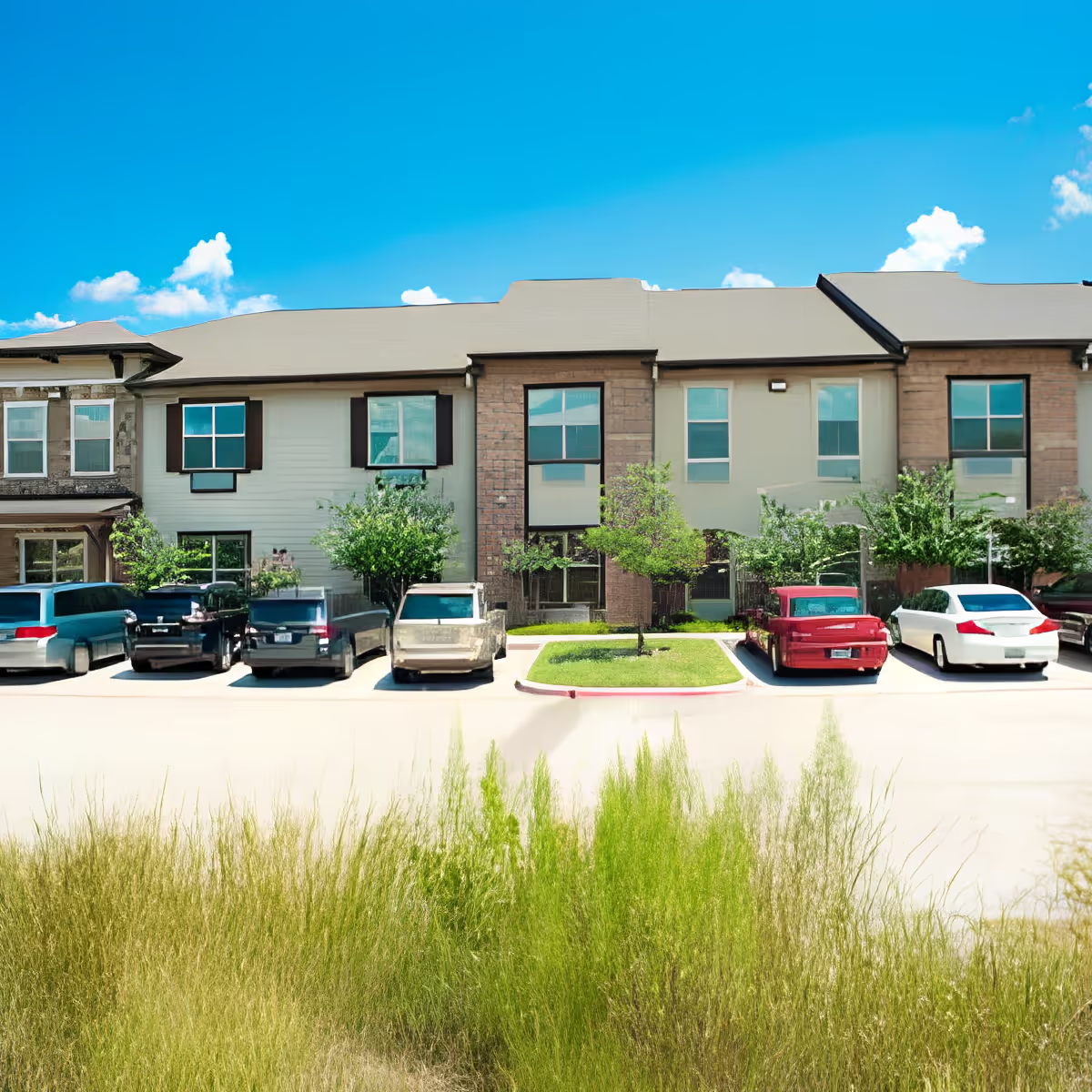
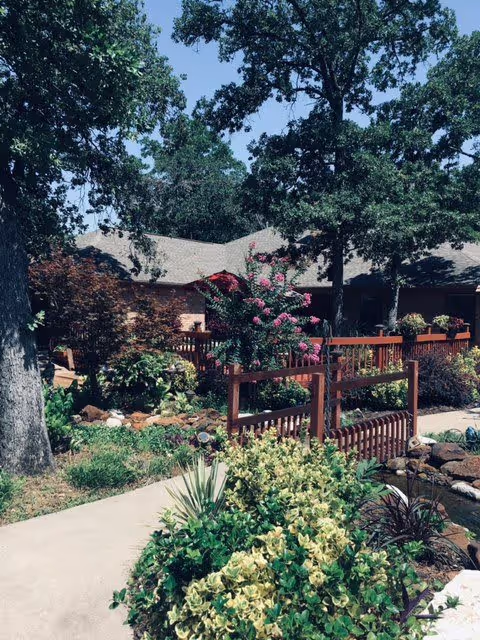
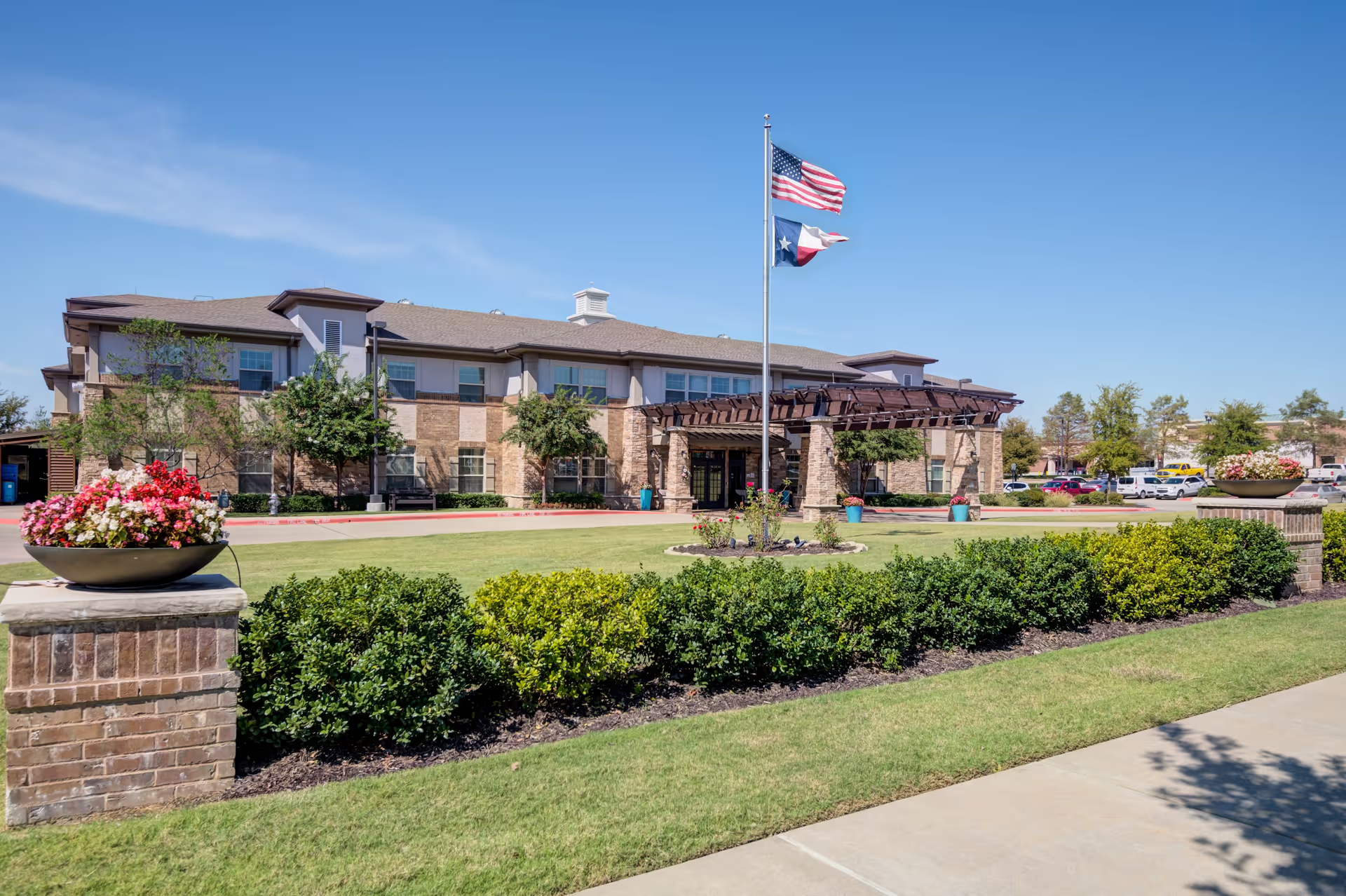
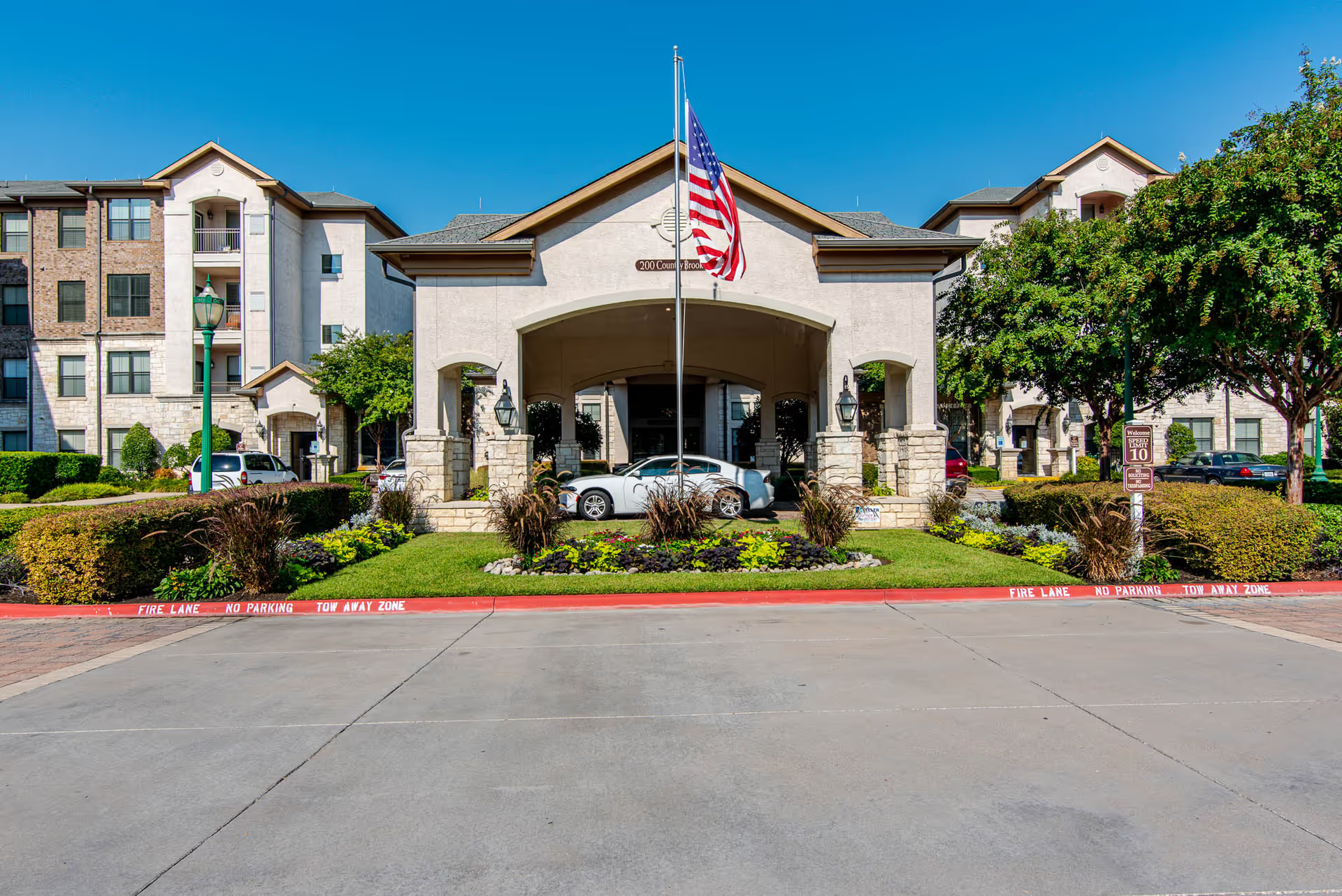
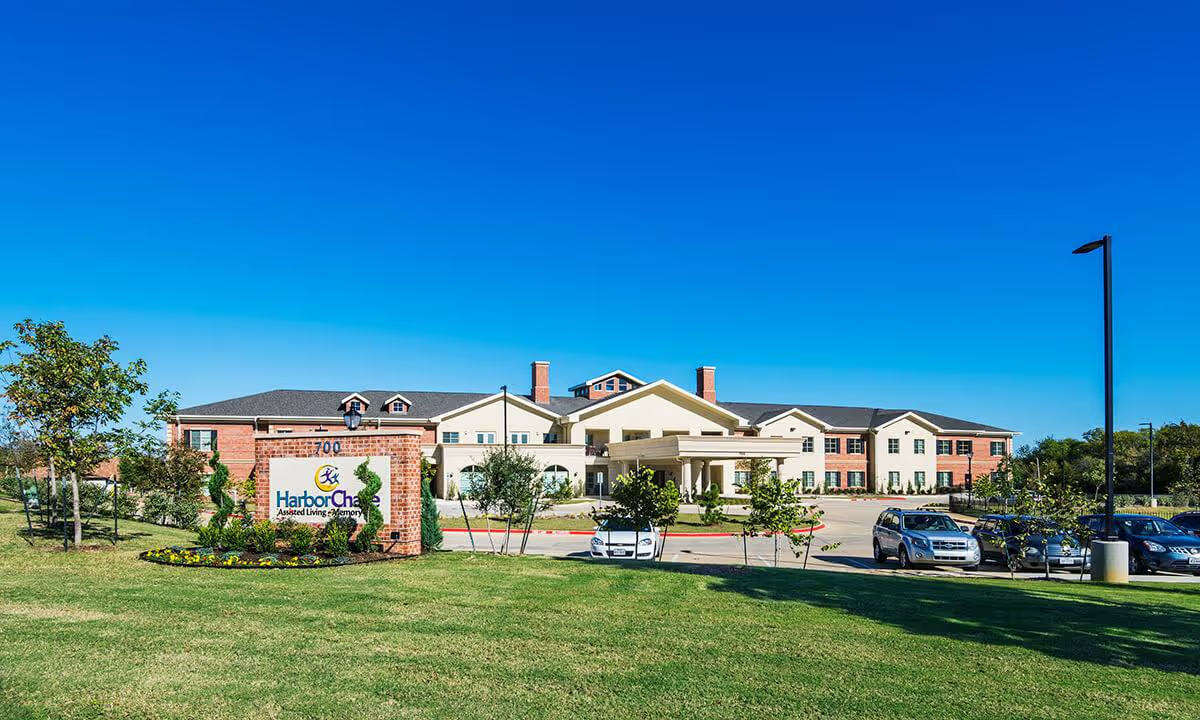
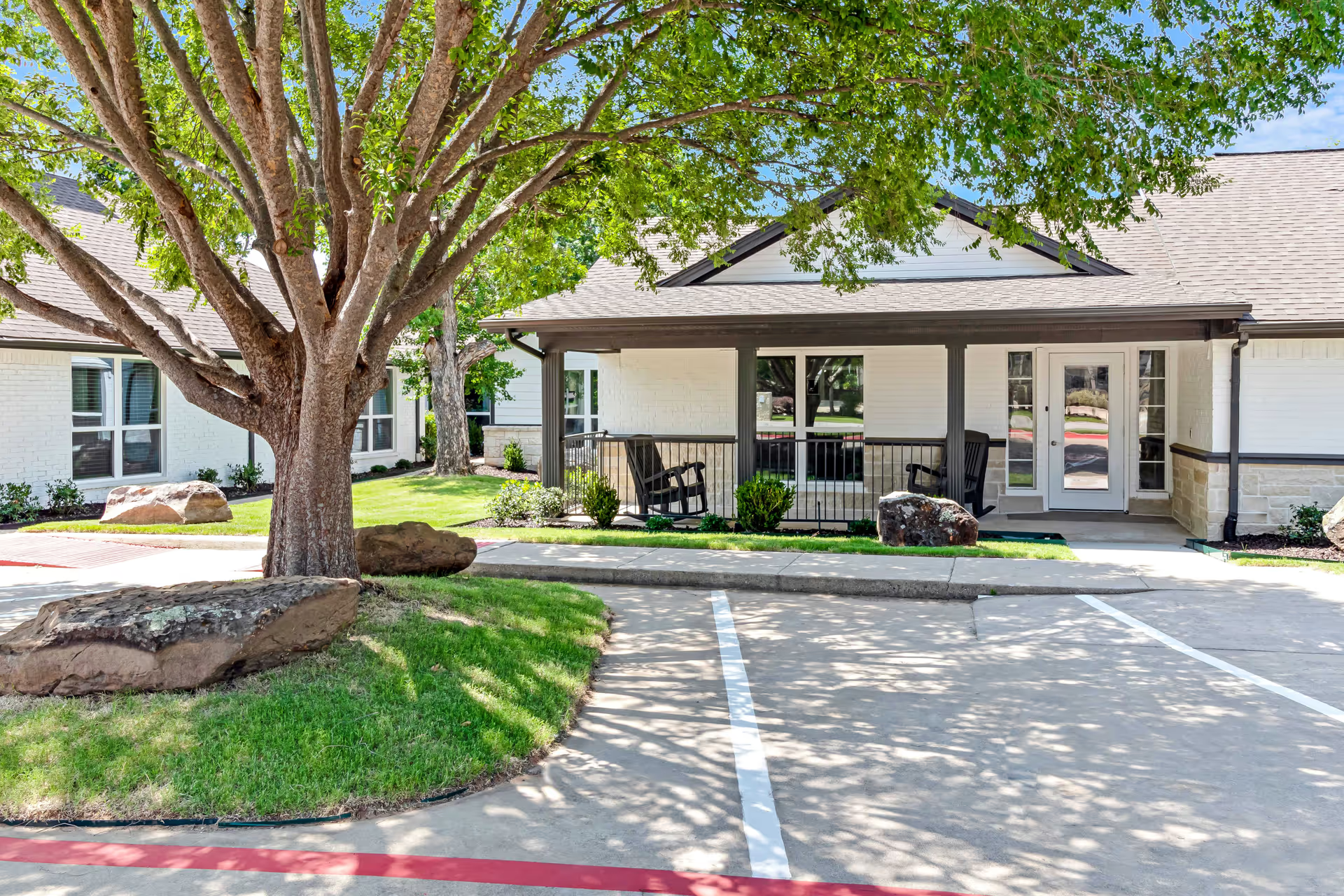
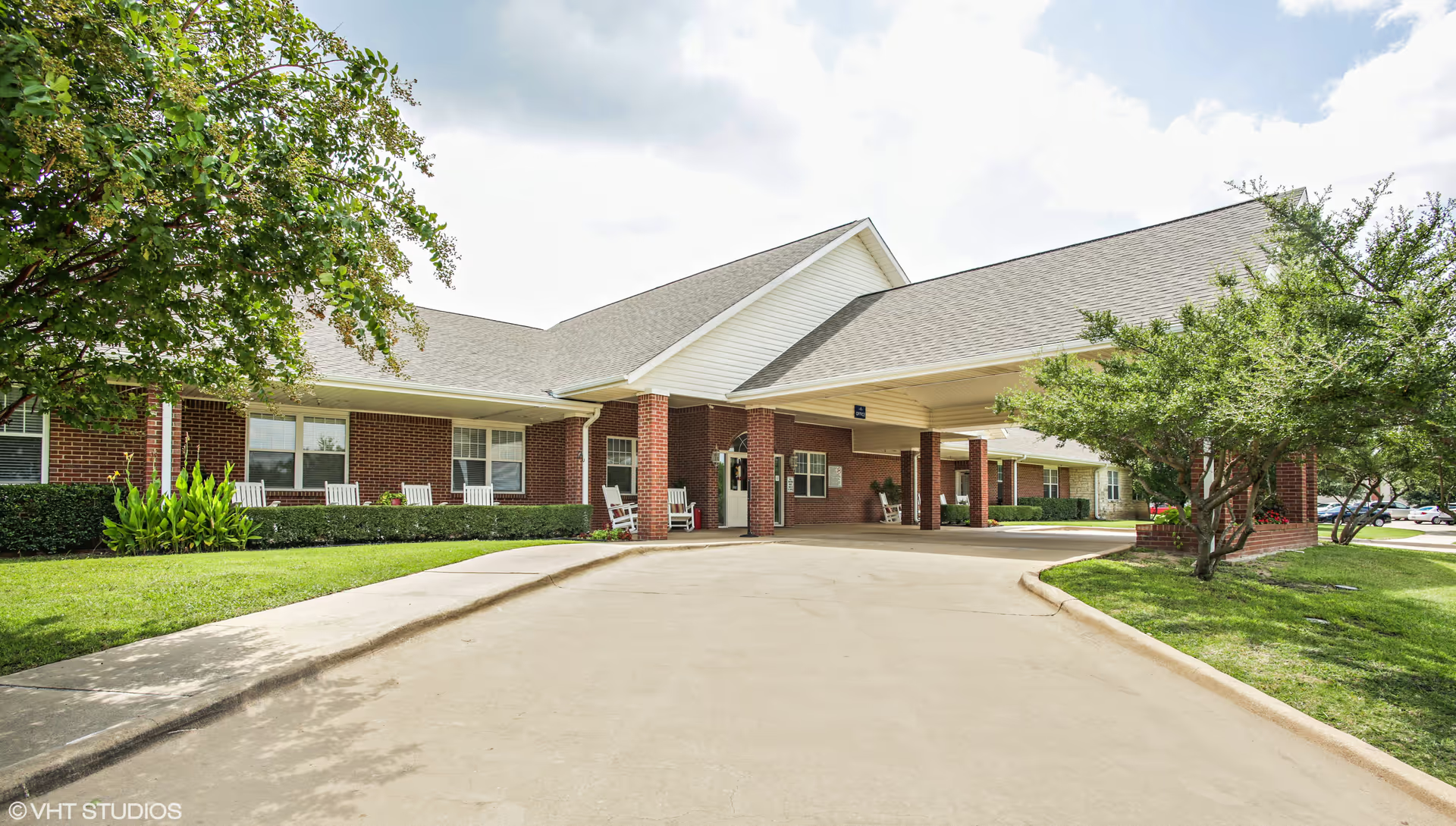
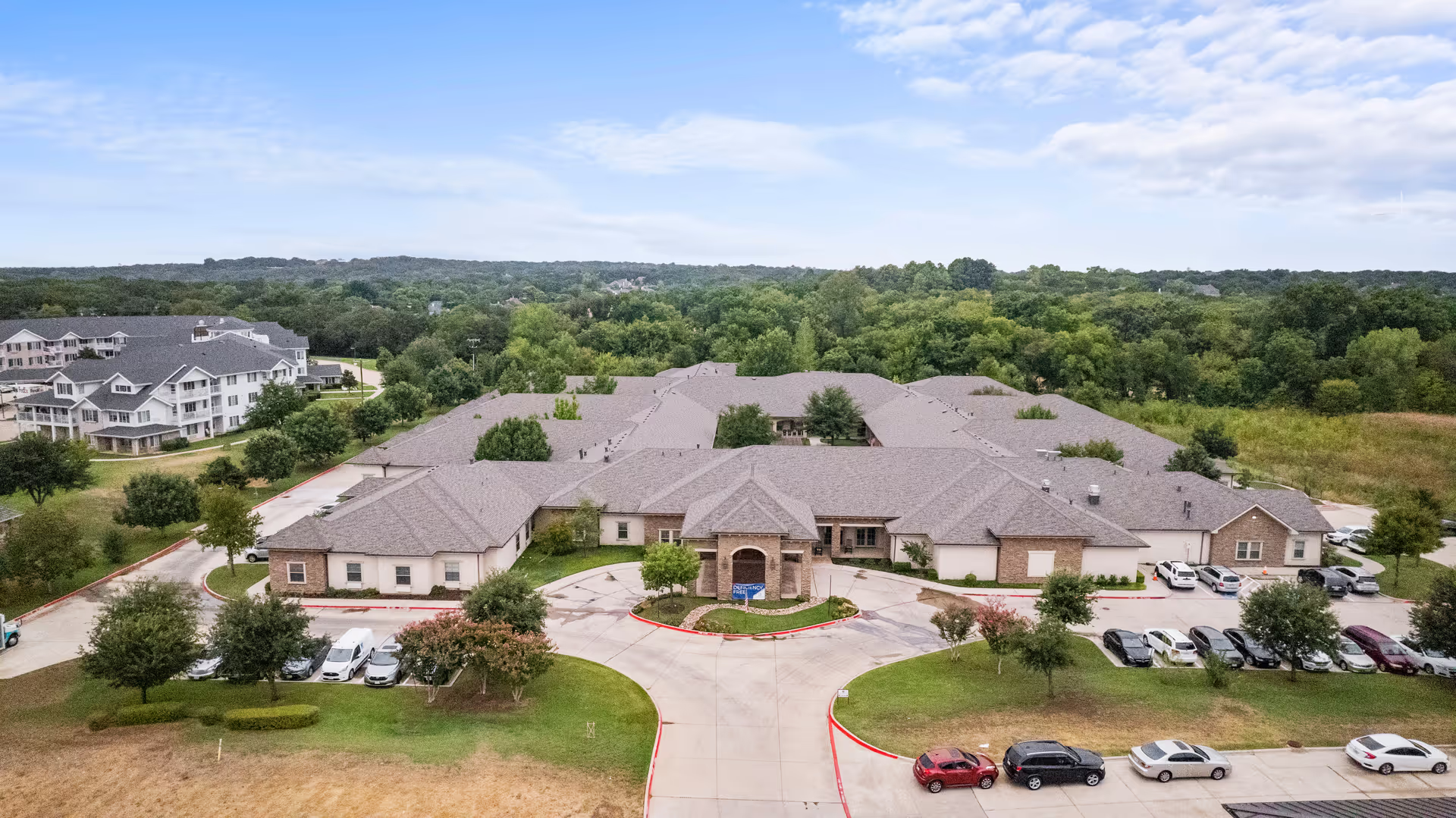
The Carlyle at Stonebridge Park presents as an upscale, well‑appointed campus with many tangible strengths. The building, grounds and common areas are repeatedly described as clean, hotel‑like and well maintained; outdoor courtyards, large private rooms with patios, on‑site amenities (gym, chapel, library) and well‑equipped therapy spaces are frequent positives. Admissions, maintenance and some dietary staff receive consistent praise for responsiveness and helpfulness.
Therapy and rehabilitation are a clear institutional strength. Physical, occupational and speech therapy teams are commonly described as professional, effective and outcome‑oriented; reviewers credit therapy staff and well‑stocked therapy rooms with measurable mobility and functional gains. Short‑stay rehab patients and families often report good progress and positive interactions with therapists and therapy aides.
Clinical care outside of therapy is where opinions diverge. Many reviews highlight variability in nursing and aide performance: some nurses and CNAs are described as compassionate and competent, while others are characterized as inconsistent in responsiveness and skill. Chronic understaffing—particularly overnight, mornings and weekends—emerges as a recurring operational issue and is tied to long call‑bell response times, delayed assistance for toileting and personal care, and the need for constant family advocacy. Several reviews describe medication‑management problems (timing errors, missed or duplicated doses, incomplete med transfers) and hand‑hygiene or infection‑control lapses; these are presented as systemic issues requiring attention to reduce risk.
Dining and activities receive mixed feedback. The facility has an active activity program, frequent outings and an extensive calendar, and some families report a family‑friendly atmosphere and accommodating kitchen service (including dietary accommodations). At the same time, reviewers note inconsistent meal delivery, limited bistro options, occasional food quality issues and delays during mealtimes. Activity access and engagement vary by unit and by resident ability; some families found the activities robust, while others found them limited or difficult for residents with communication impairments to join.
Management and communication are another area of divergence. Several reviews praise hands‑on leaders who improved operations, communication and room readiness; others describe leadership turnover, limited follow‑through on complaints, an inaccessible social‑work presence and confusion during discharge planning. Safety and monitoring gaps are a recurring theme—door alarms and call systems sometimes go unanswered, and families report delays in incident response. There are also serious, isolated claims in the record, including allegations of medication theft and other misconduct; such claims elevate the importance of confirming safeguards, current regulatory status and facility responses to grievances.
Notable patterns for prospective residents and families: the facility offers strong rehabilitation resources and an attractive physical environment, but operational weaknesses—staffing levels, variable nursing/aide practice, medication‑management gaps, and inconsistent weekend/night coverage—appear to affect day‑to‑day reliability and safety for some residents. Families considering The Carlyle should verify current staffing ratios and weekend coverage, review medication reconciliation and incident‑reporting procedures, ask how infection‑control and alarm‑monitoring are audited, and identify a primary contact for discharge and social‑work coordination. Visitors who emphasize clinical continuity or require high levels of personal care should plan for active family advocacy during the stay and consider confirming recent inspection results and corrective actions with the ombudsman or regulatory authority.