Reviews of Lone Star Rehabilitation and Wellness Center present a polarized picture. Many families and residents describe a clean, well-kept facility with warm, compassionate caregivers, effective therapy programs, and an active social calendar. At the same time, other accounts raise operational and clinical concerns that appear to affect care continuity and family trust.
Care and staffing: Positive feedback emphasizes caring nursing staff, attentive therapists, and measurable rehabilitation gains—several reviewers credited the therapy team with meaningful mobility improvements and good discharge planning. Conversely, a recurring operational concern is inconsistent staffing. Families described missed therapy appointments and delays in routine care attributable to workforce shortages or scheduling gaps. There are also reports indicating lapses in clinical coordination around wound management; in at least one account this was associated with a severe infection and subsequent poor outcome, and some families expressed concerns following a resident's death. Those more serious descriptions suggest a need for clearer clinical protocols, escalation pathways, and family communication when complications arise.
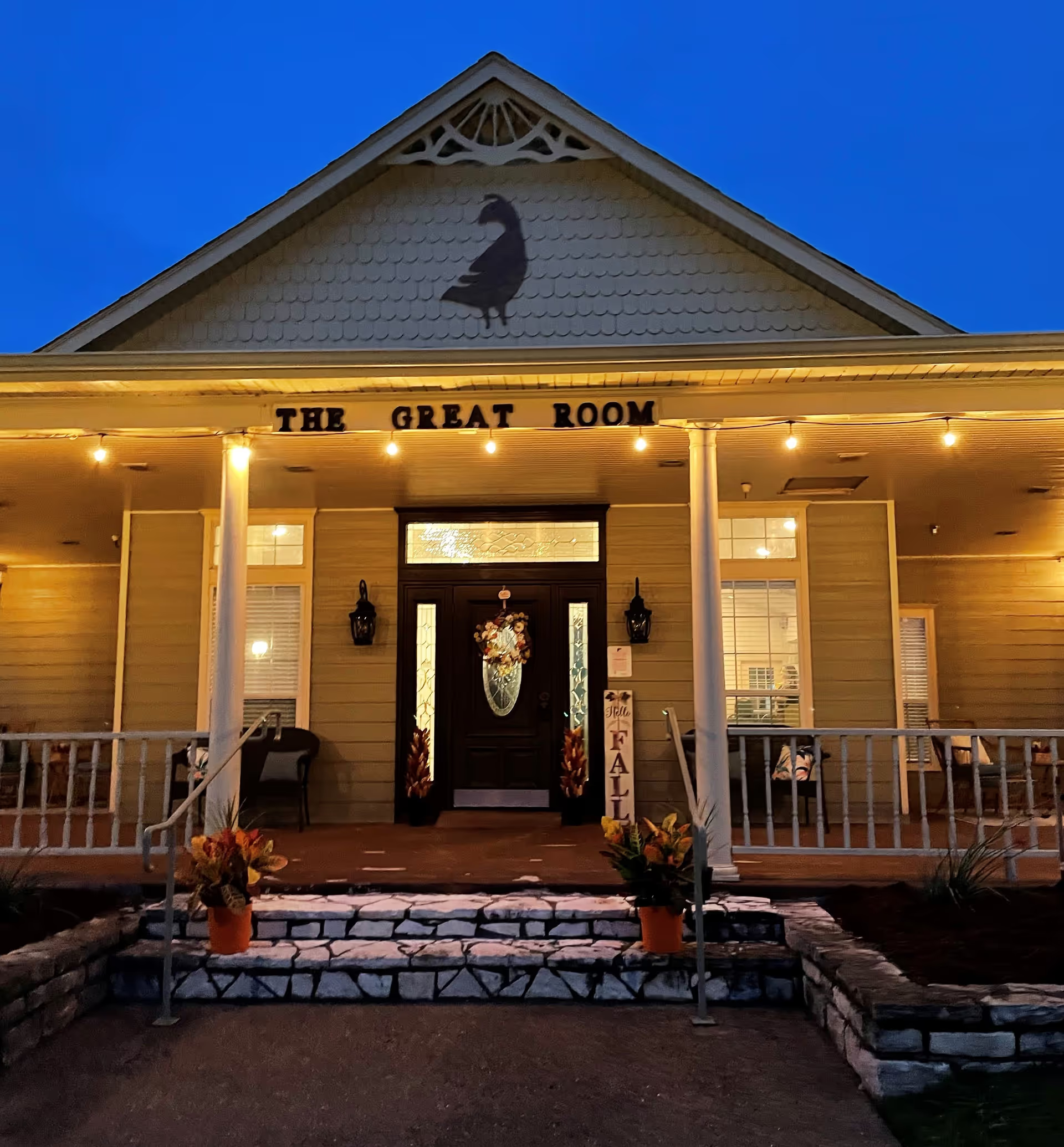
Dining and activities: Opinions about meals are mixed. Many reviewers praised appealing meals, pleasant dining aromas, and special-event food offerings, while others called out poor food quality and ticketing or service errors. Activities and community events are frequently singled out as strengths—examples include church programs, social hours, seasonal celebrations, and large public events that foster resident engagement and family involvement.
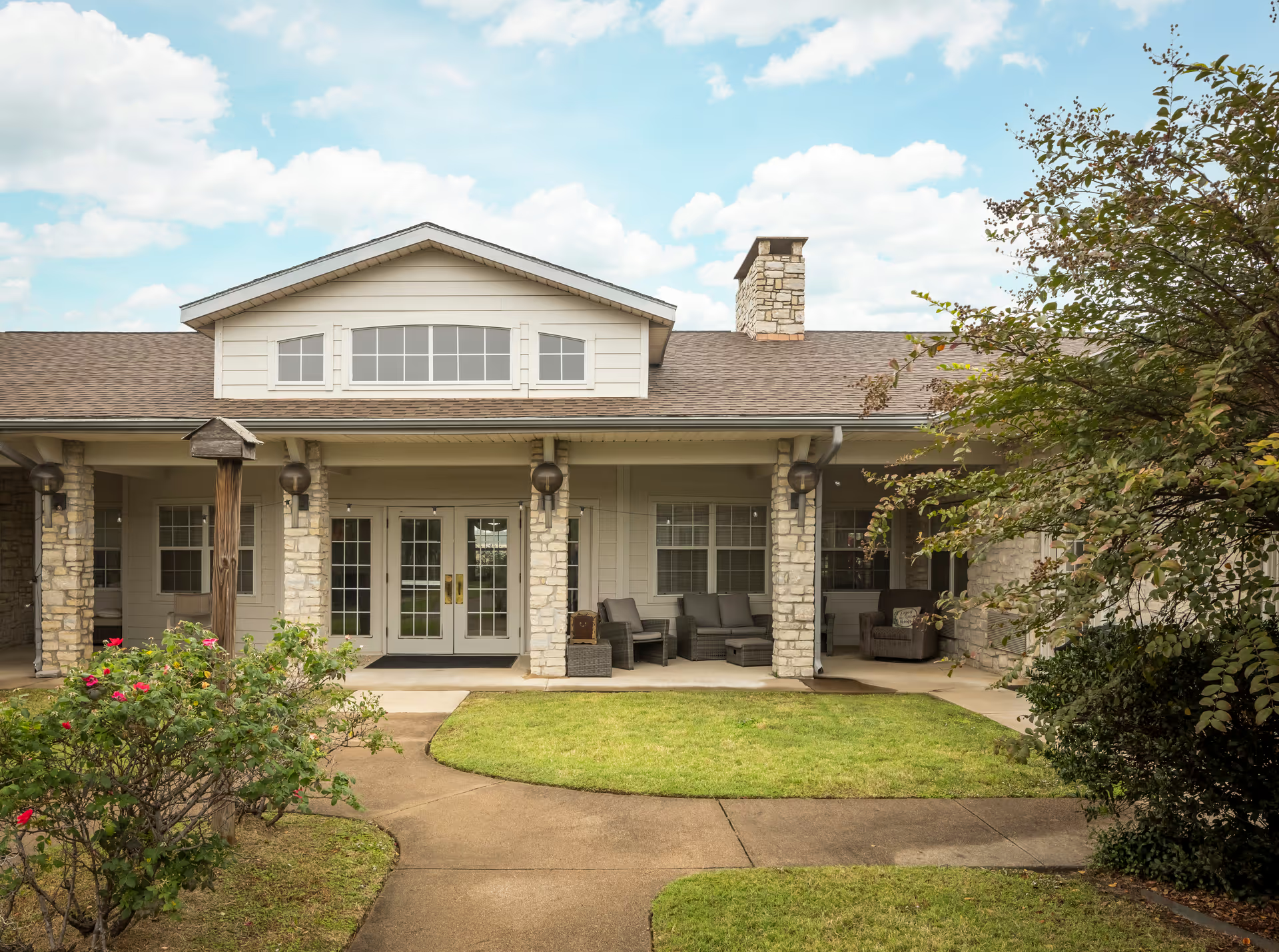
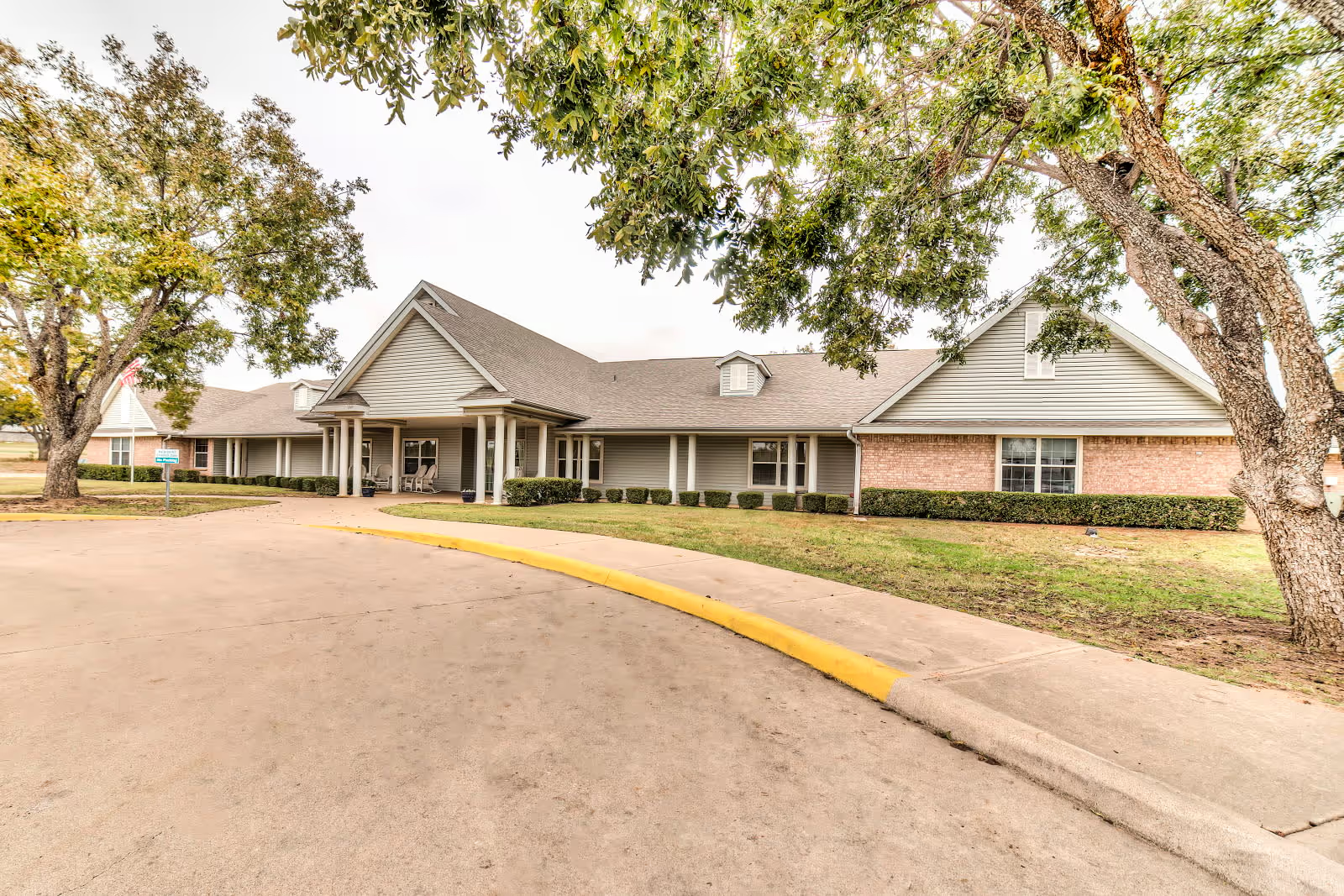
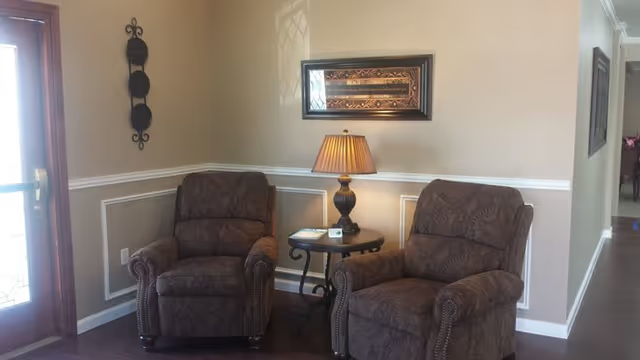
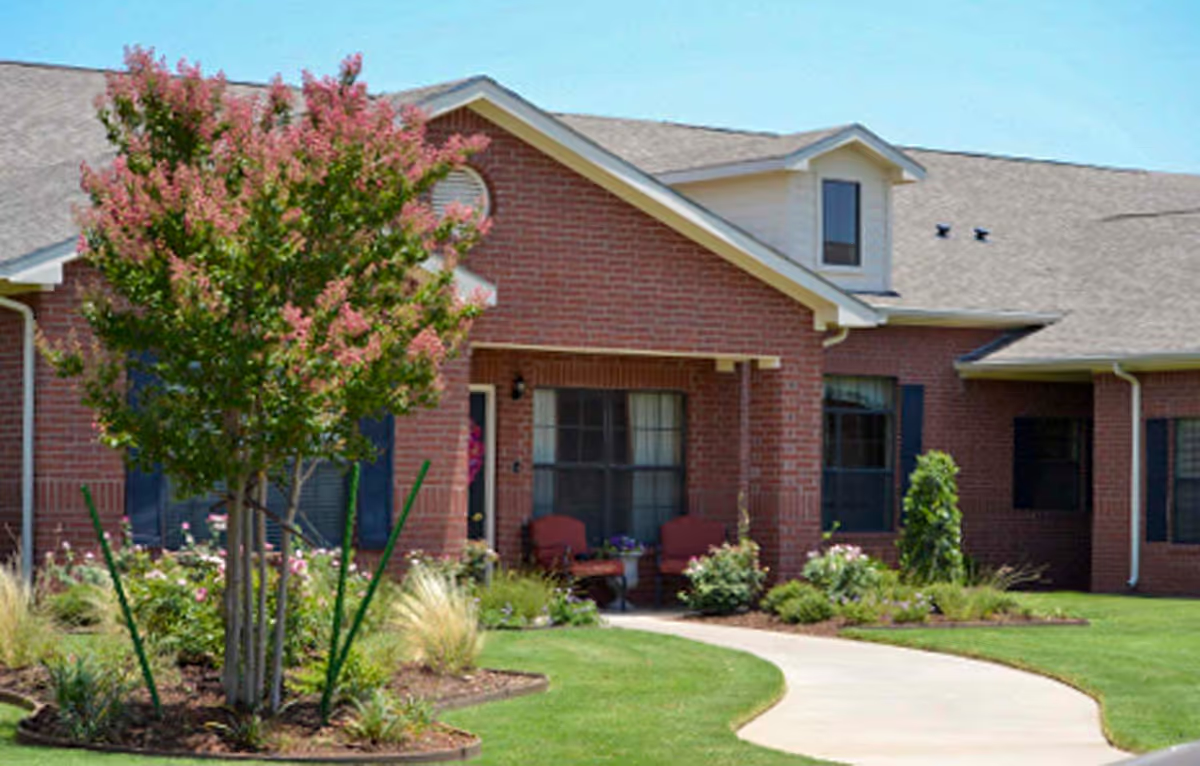
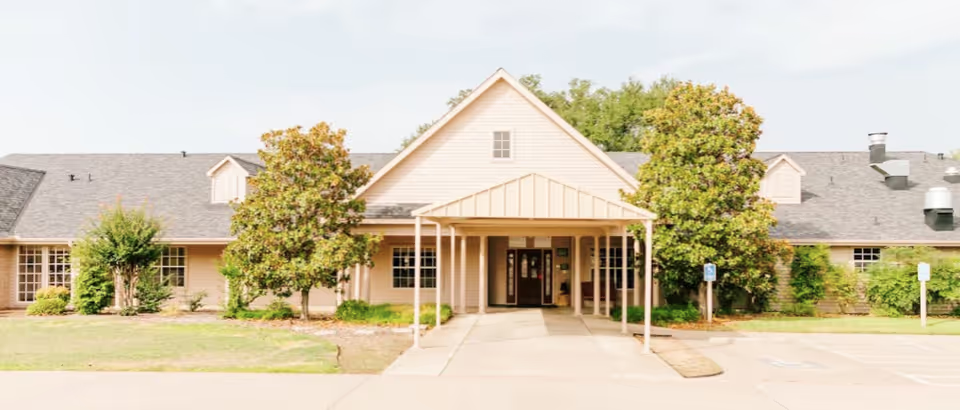
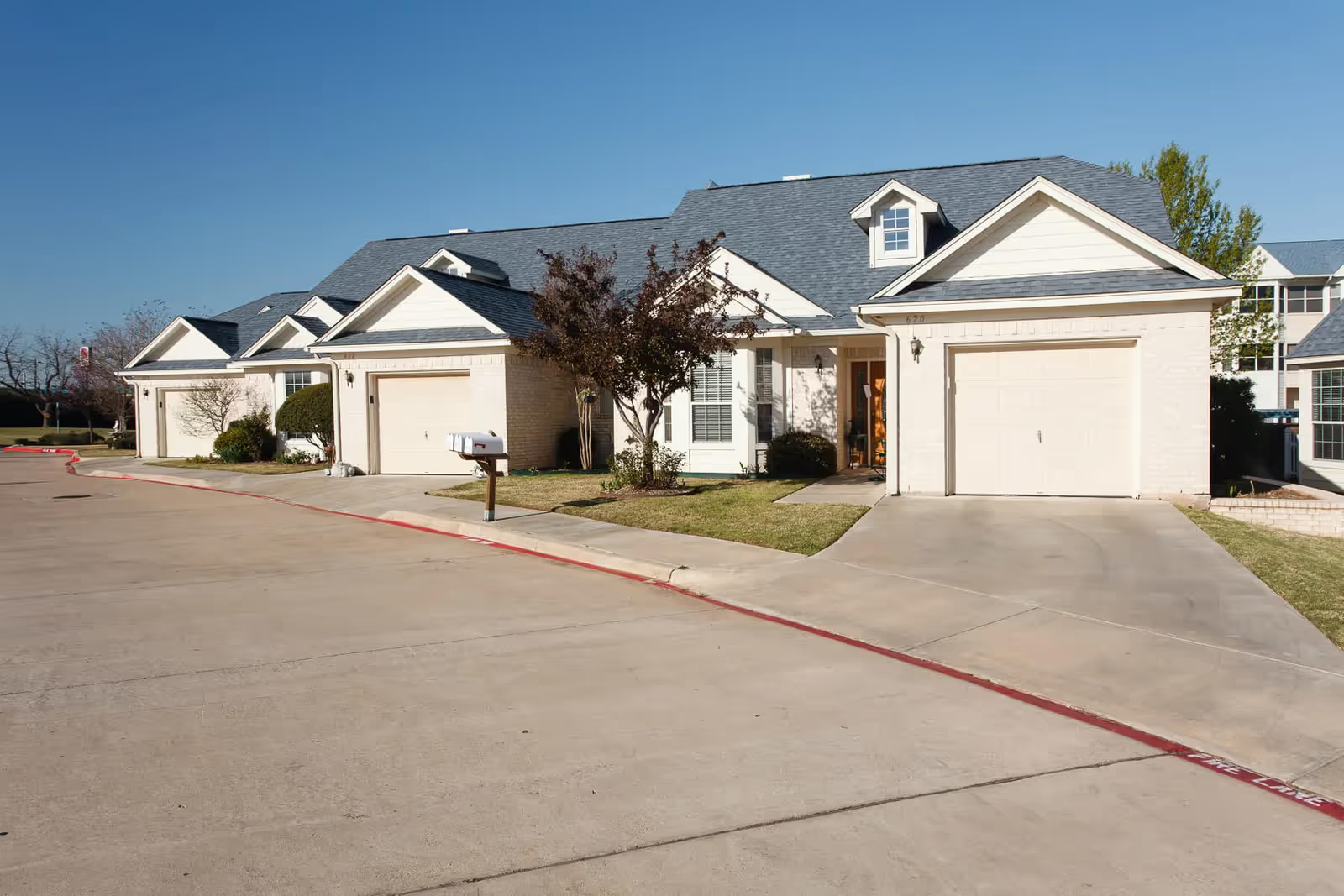
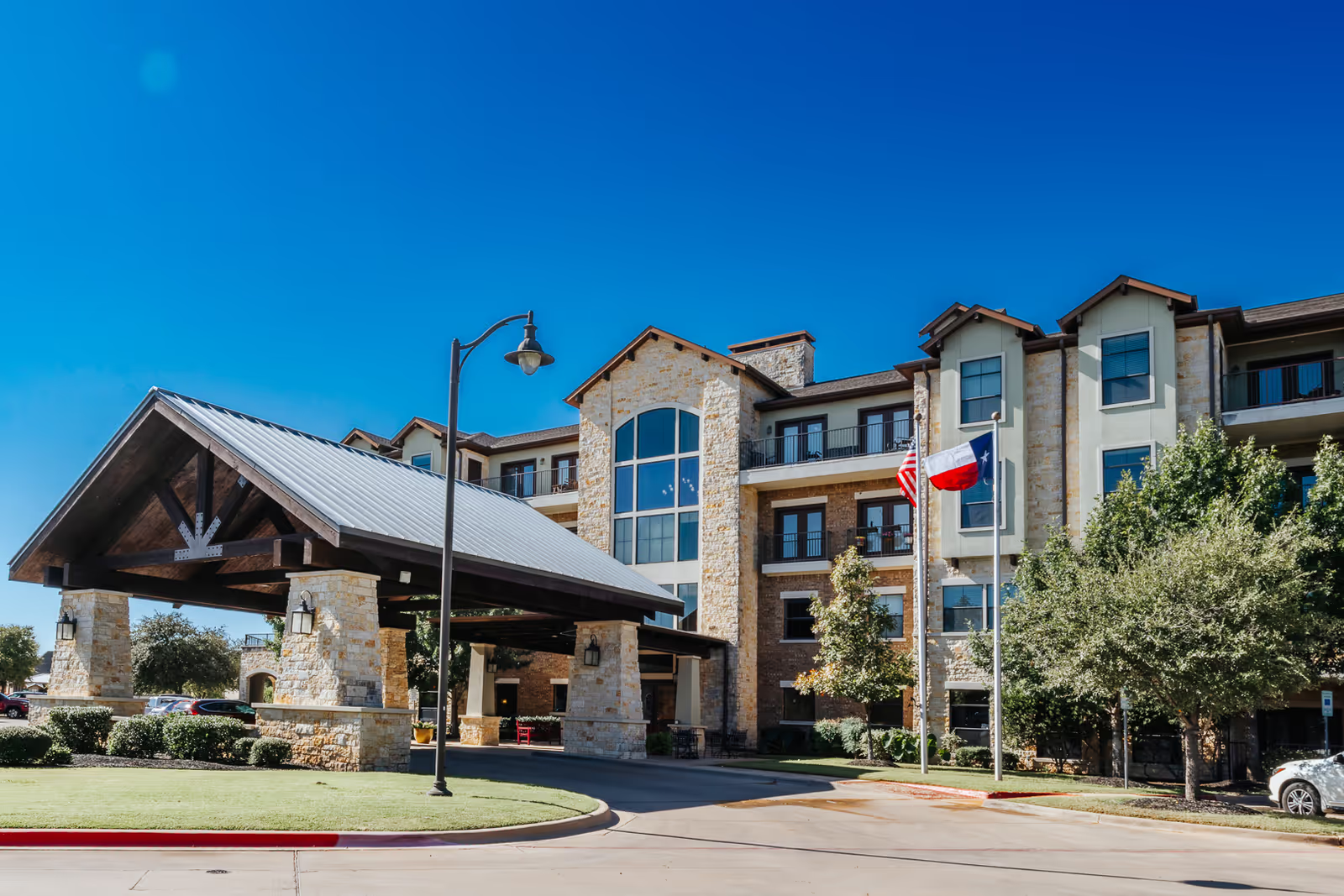
Facilities and safety: The facility is frequently described as clean, organized, and secure, with well-maintained grounds and accessible common areas. Reviewers noted infection-control practices and touchless/temperature-entry procedures that contributed to a sense of safety. A smaller number of comments identified intermittent maintenance or unit-level upkeep issues.
Management, billing, and transparency: Several reviewers expressed frustration with the business office and billing processes—examples include incorrect insurance coding, refusal or failure to file claims, and persistent collection communications. These operational problems, coupled with statements questioning the authenticity of online reviews and accounts of management behavior, have contributed to a perception among some families that financial or occupancy priorities may be influencing operations. Concerns about staff conduct and occasional dismissive communication were also raised; at the same time, many families described helpful, proactive admissions and social-work staff who eased transitions.
Notable patterns and guidance: The dominant pattern across reviews is variability: strong clinical and social programming in many cases, alongside intermittent operational lapses that can materially affect resident experience—particularly around staffing, wound care coordination, and billing. Prospective residents and families should consider an in-person tour, ask specifically about current staffing ratios, wound-care protocols and escalation procedures, therapy scheduling reliability, and billing/insurance handling. Requesting recent references, reviewing grievance logs or state inspection results if available, and clarifying who the point contacts are for clinical concerns and billing questions can help surface whether the facility’s strengths align with a particular resident’s needs.