Care quality: Review content indicates that clinical care—particularly nursing—is a clear strength for many families. Multiple comments describe attentive, compassionate nursing staff and generally good assistance with daily needs. However, there is a contrasting set of accounts that raise concerns about how staff conduct can affect the perceived quality of care; this produces a mixed overall picture that warrants direct inquiry during a tour.
Staff and management: Several reviewers praised individual caregivers and the facility owners as helpful and engaged, noting a smaller, personal atmosphere. At the same time, other accounts describe discourteous interactions and an atmosphere that some found upsetting. Taken together, these patterns suggest variable staff professionalism and inconsistent supervisory oversight; prospective families should ask management about staff training, turnover, and complaint-resolution processes to evaluate reliability.
Dining: Many reviewers commented positively on food quality. A specific operational gap emerged around therapeutic diet offerings—reviewers indicated that diabetic meal options were not available. Families with special dietary requirements should confirm menu flexibility and therapeutic diet availability prior to admission.
Activities and engagement: Reviews include little specific information about activity programming. The absence of consistent commentary on programming suggests activity offerings may be limited or inconsistently communicated. Visitors should request sample activity calendars and observe engagement opportunities during a visit.
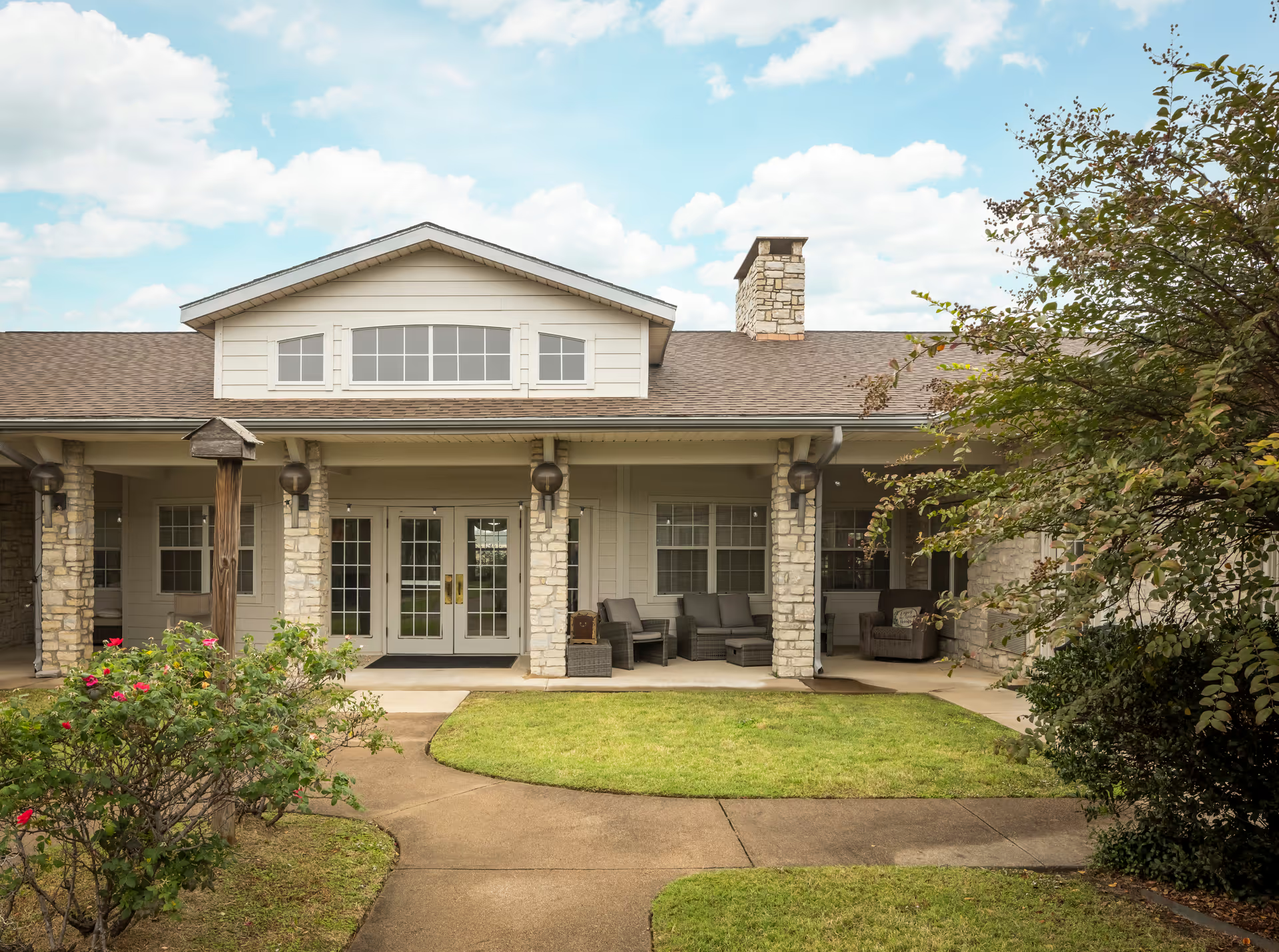
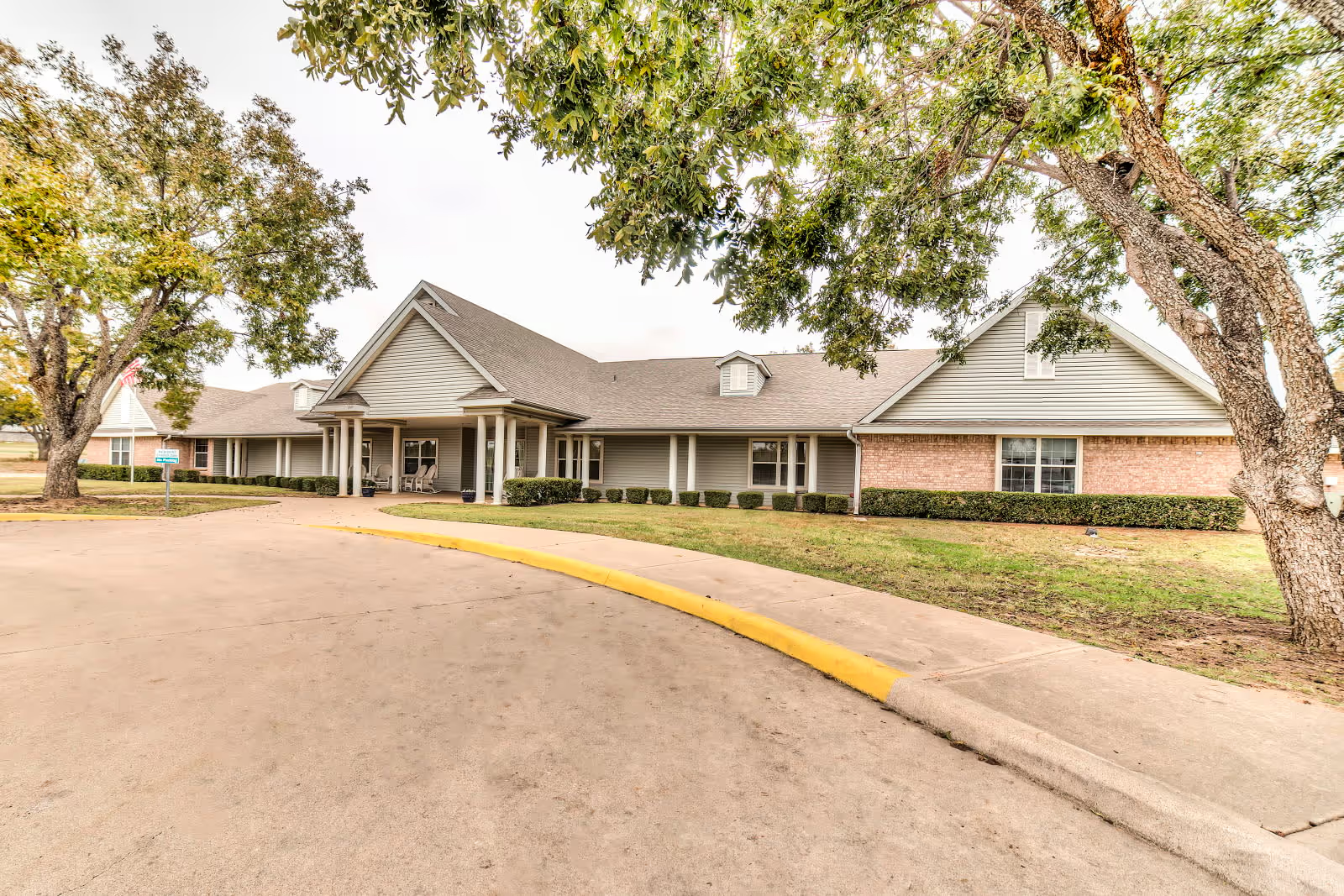
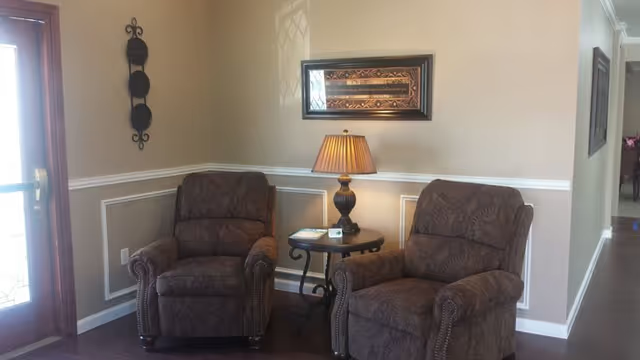
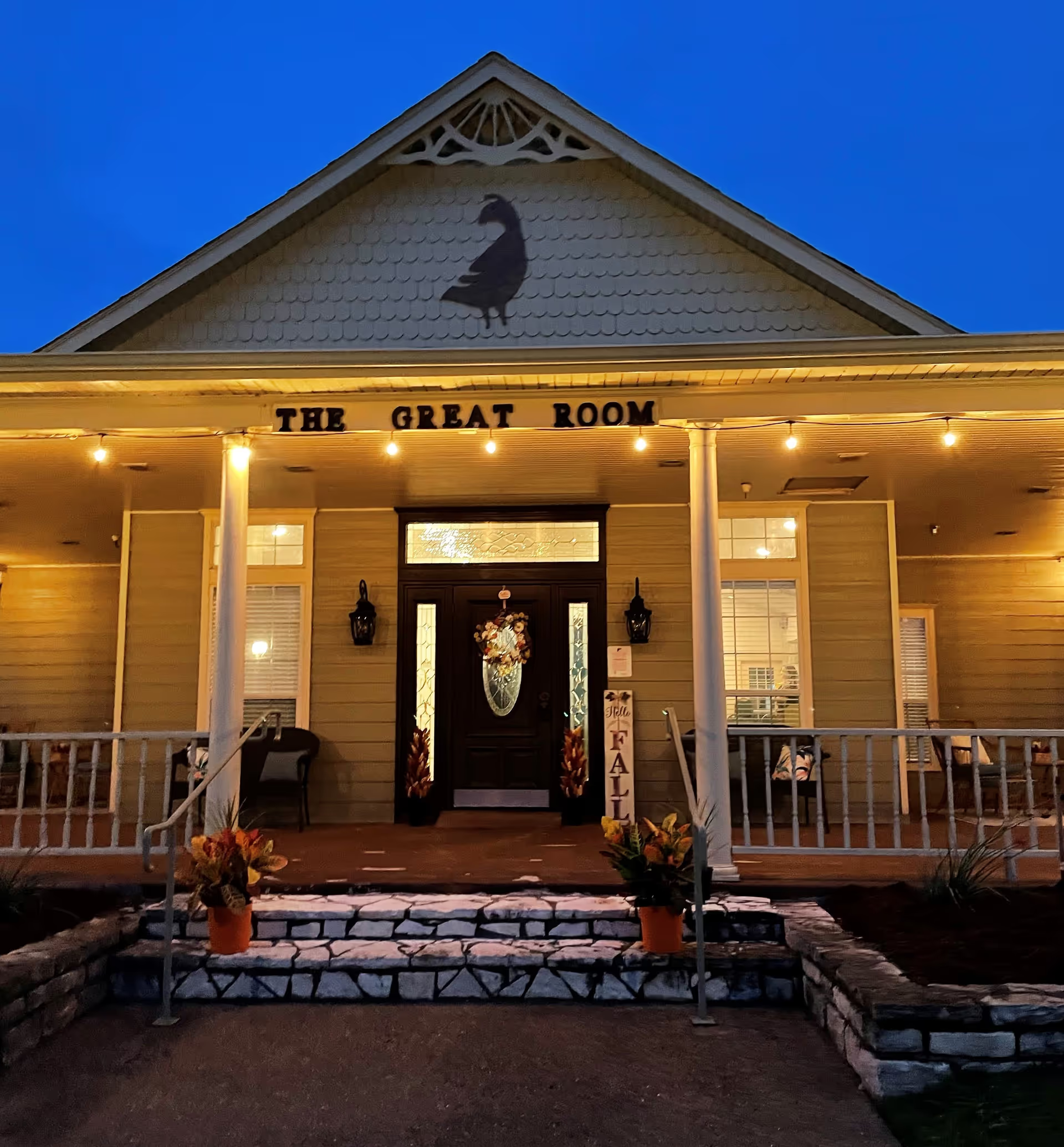
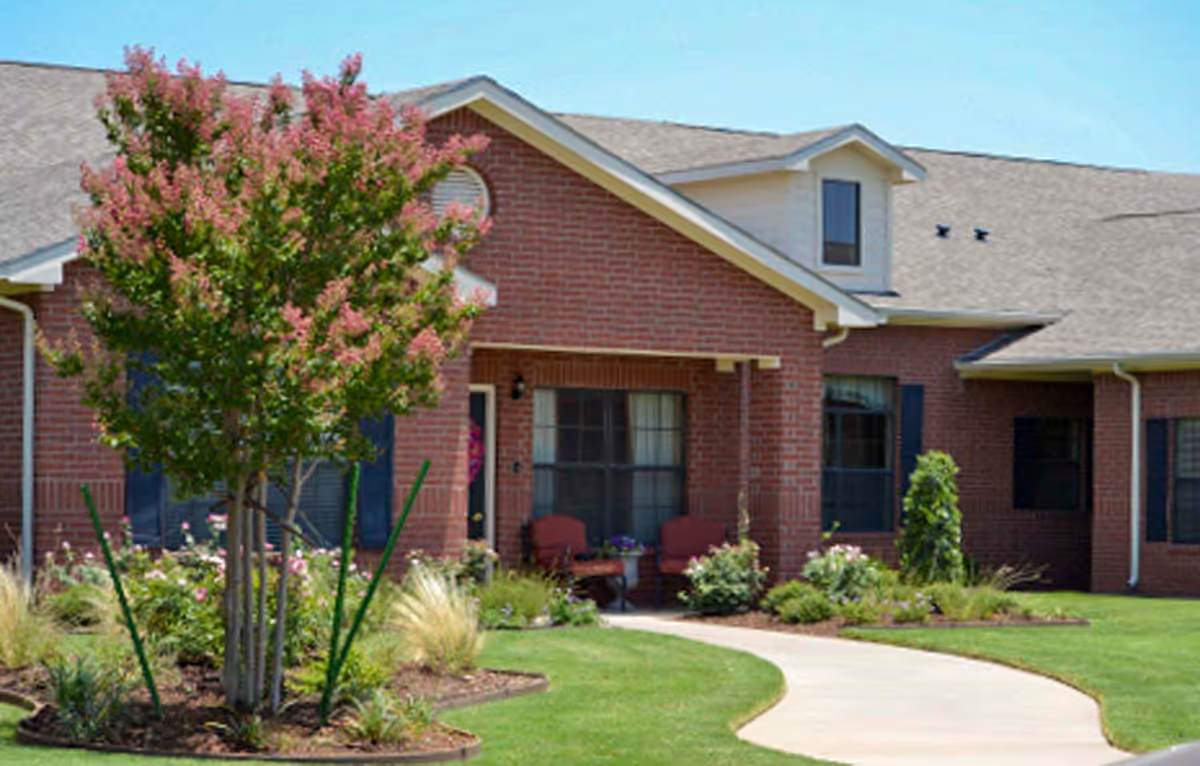
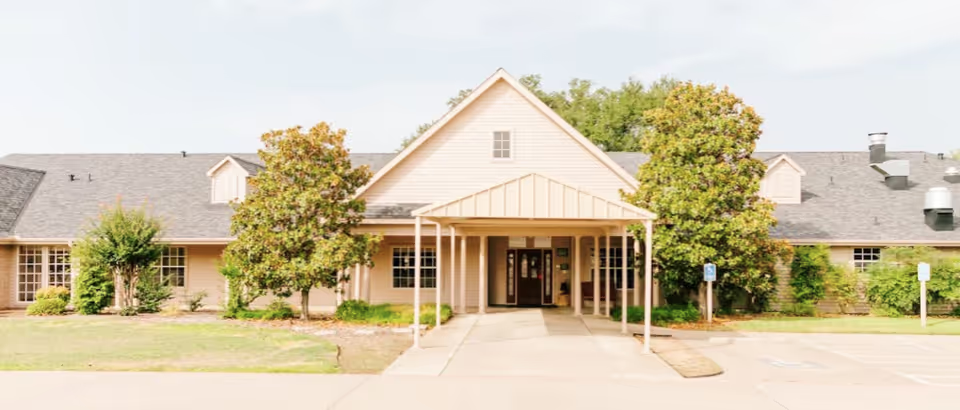
Facilities and environment: The facility is described as clean and smaller in scale, which some reviewers found comforting and homelike. Conversely, several commenters expressed feelings related to personal safety and freedom of movement while in the facility environment. These statements point to perceived safety and sense-of-security concerns rather than documented incidents; nonetheless, they are important to address with staff and management when evaluating the facility.
Notable patterns and recommendations: The review set is polarized—some families describe an excellent, supportive environment with strong nursing care, while others describe troubling interpersonal experiences with staff and a negative atmosphere. This inconsistency is the central pattern: operational strengths (cleanliness, attentive nursing, good food, small setting) coexist with variable staff conduct, leadership oversight, and limited therapeutic diet options. Prospective residents and families should tour the facility, speak with nursing leadership about safety protocols and staff training, verify dietary accommodations (especially diabetic menus), and review activity schedules and family-communication practices before making a placement decision.