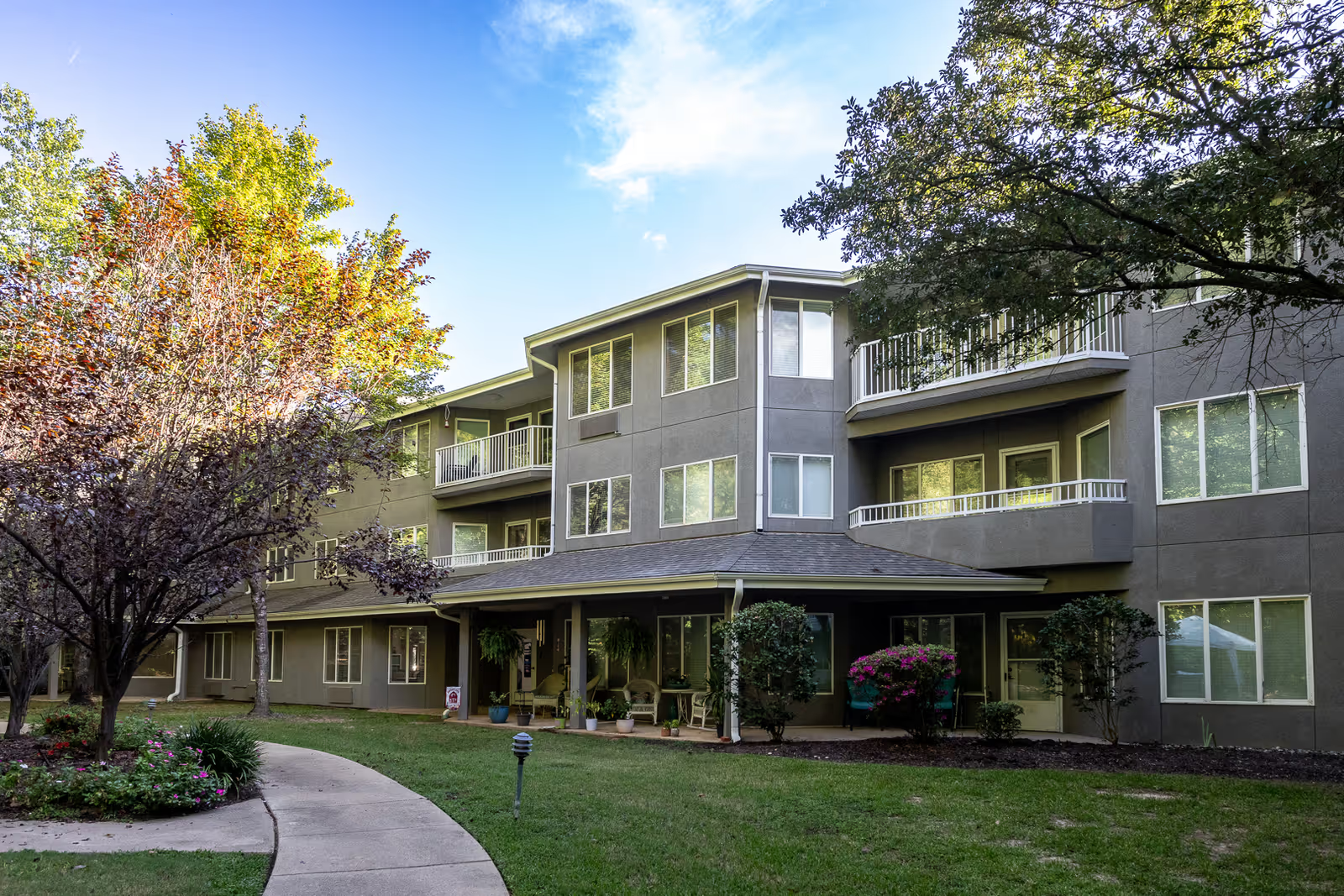
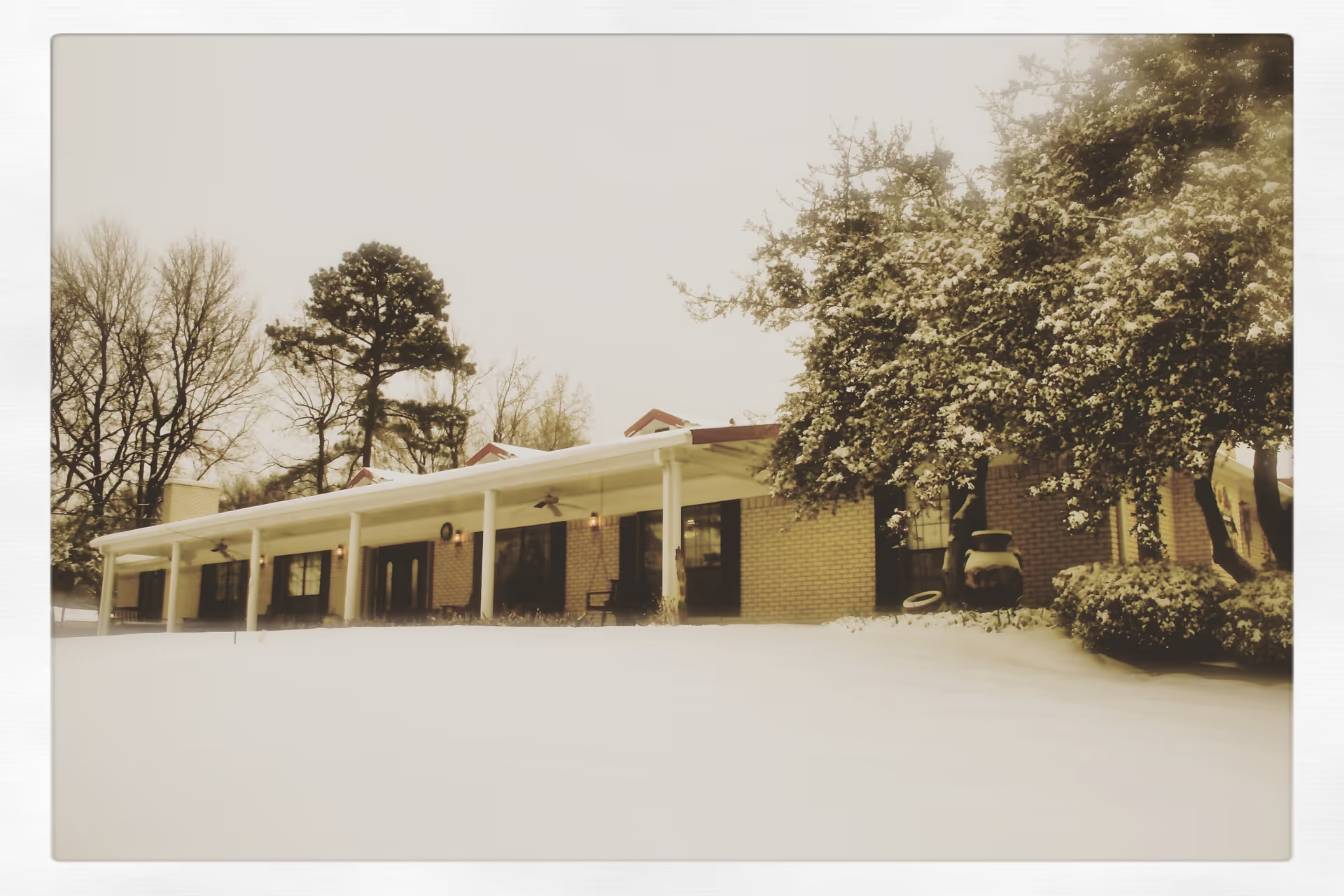
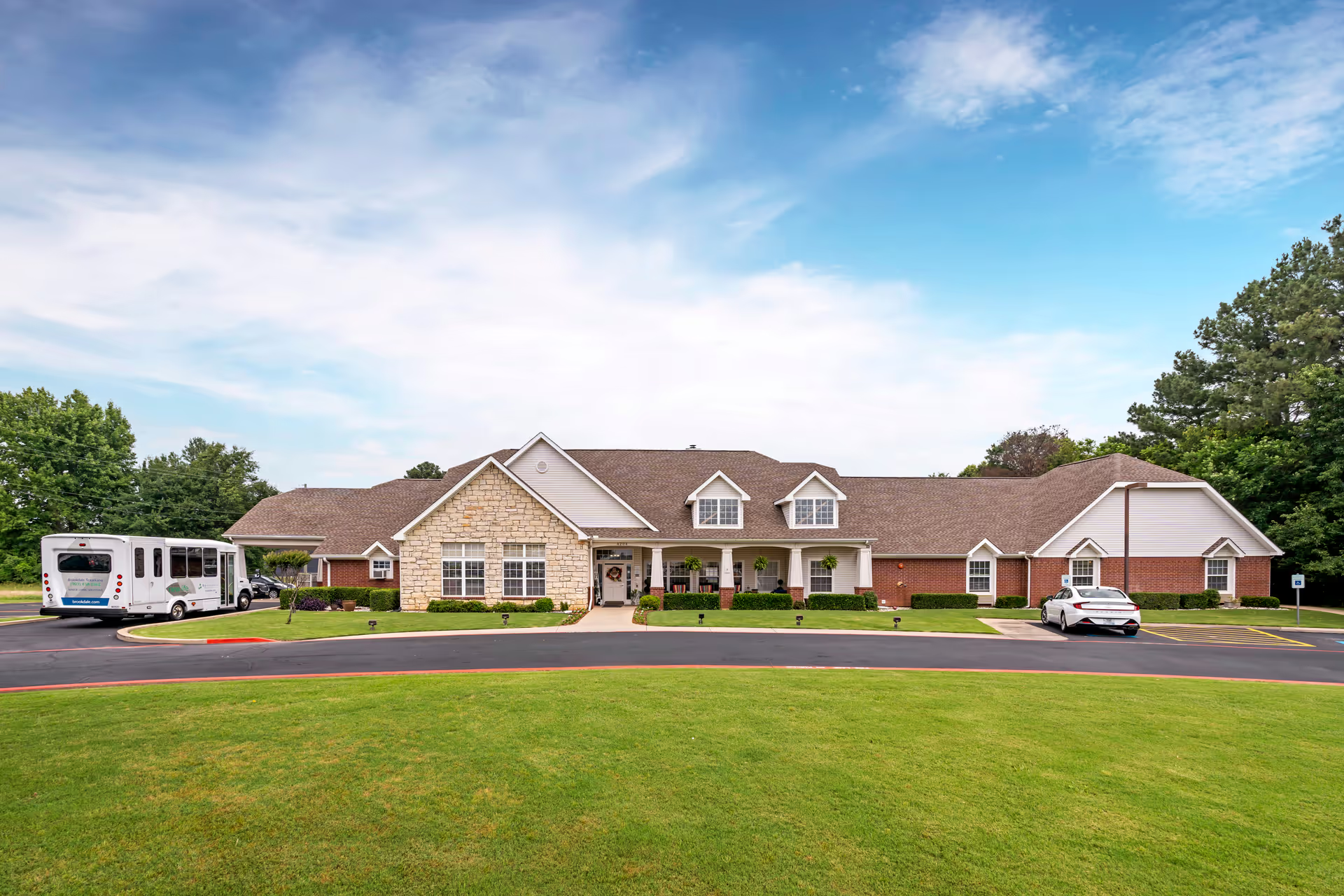
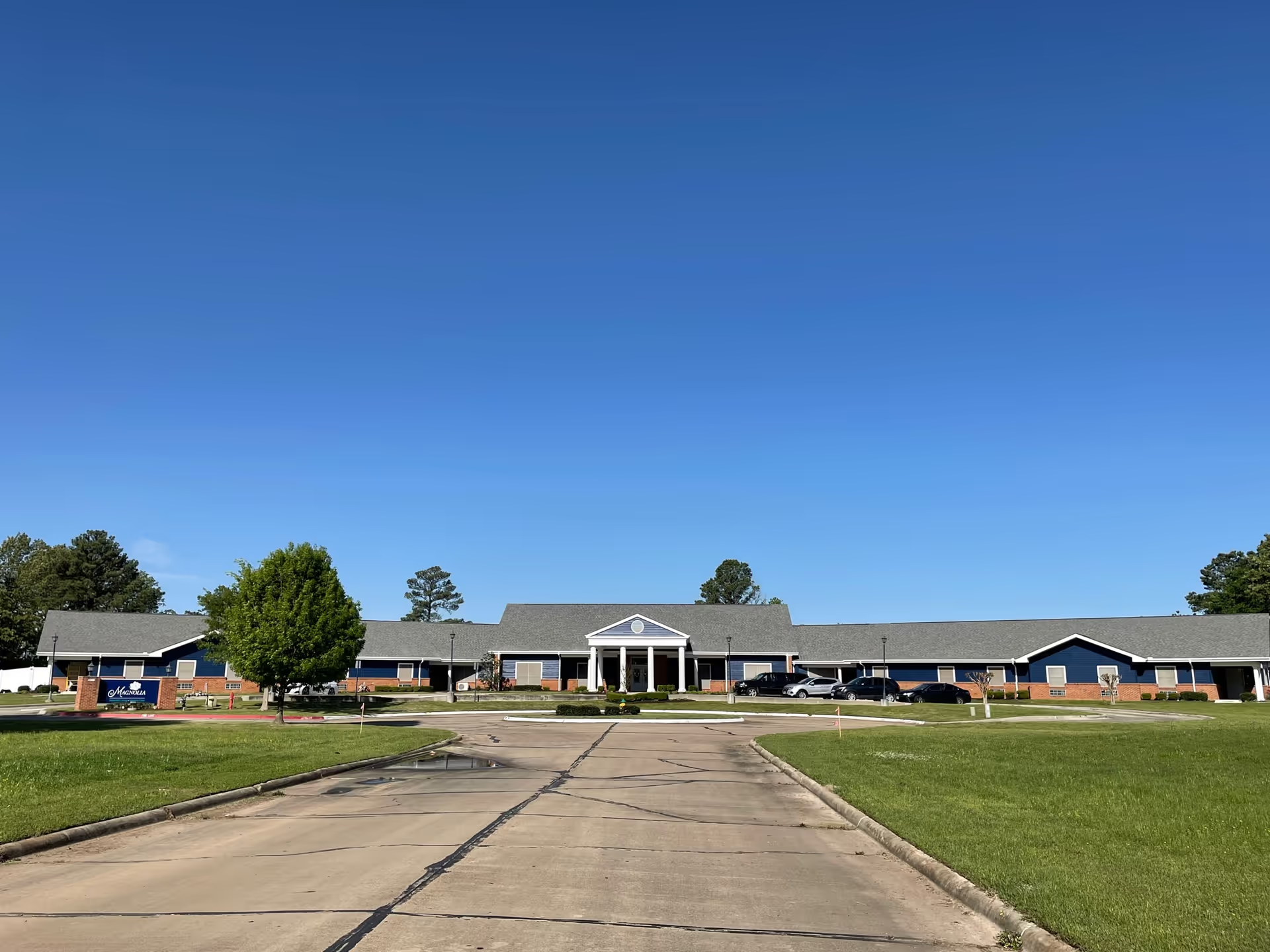
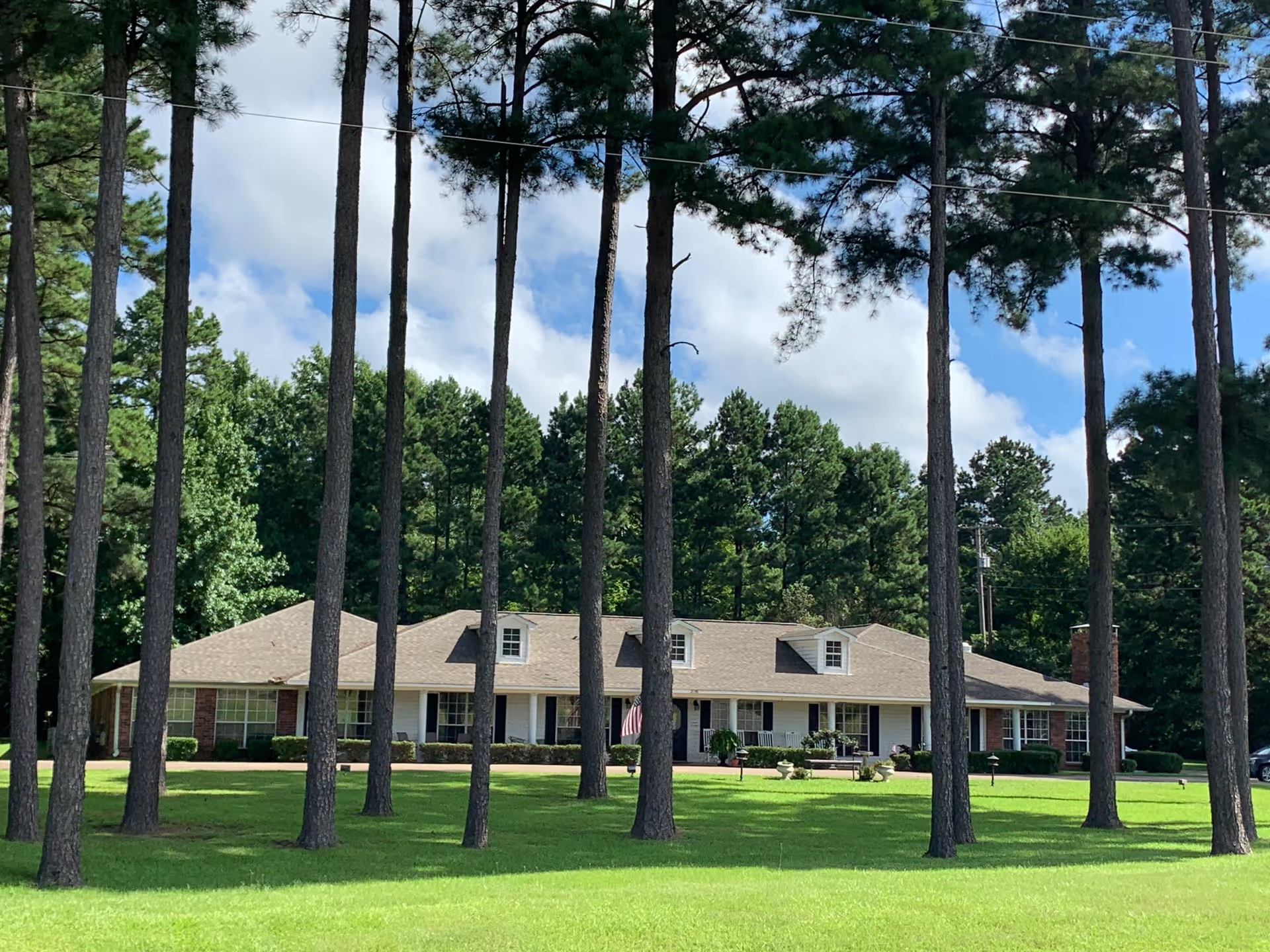
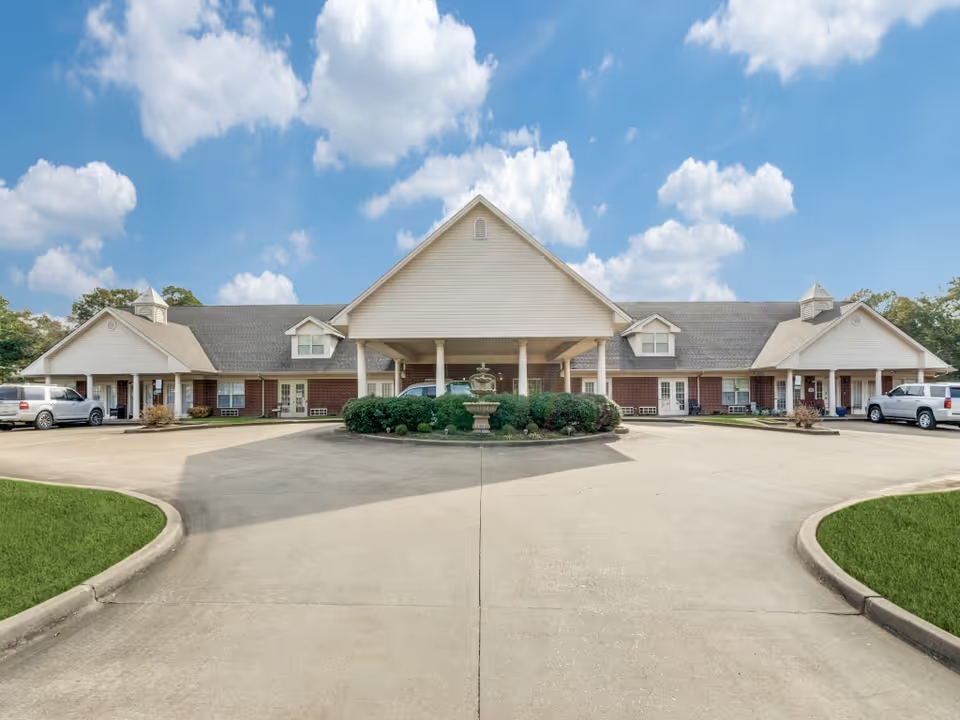
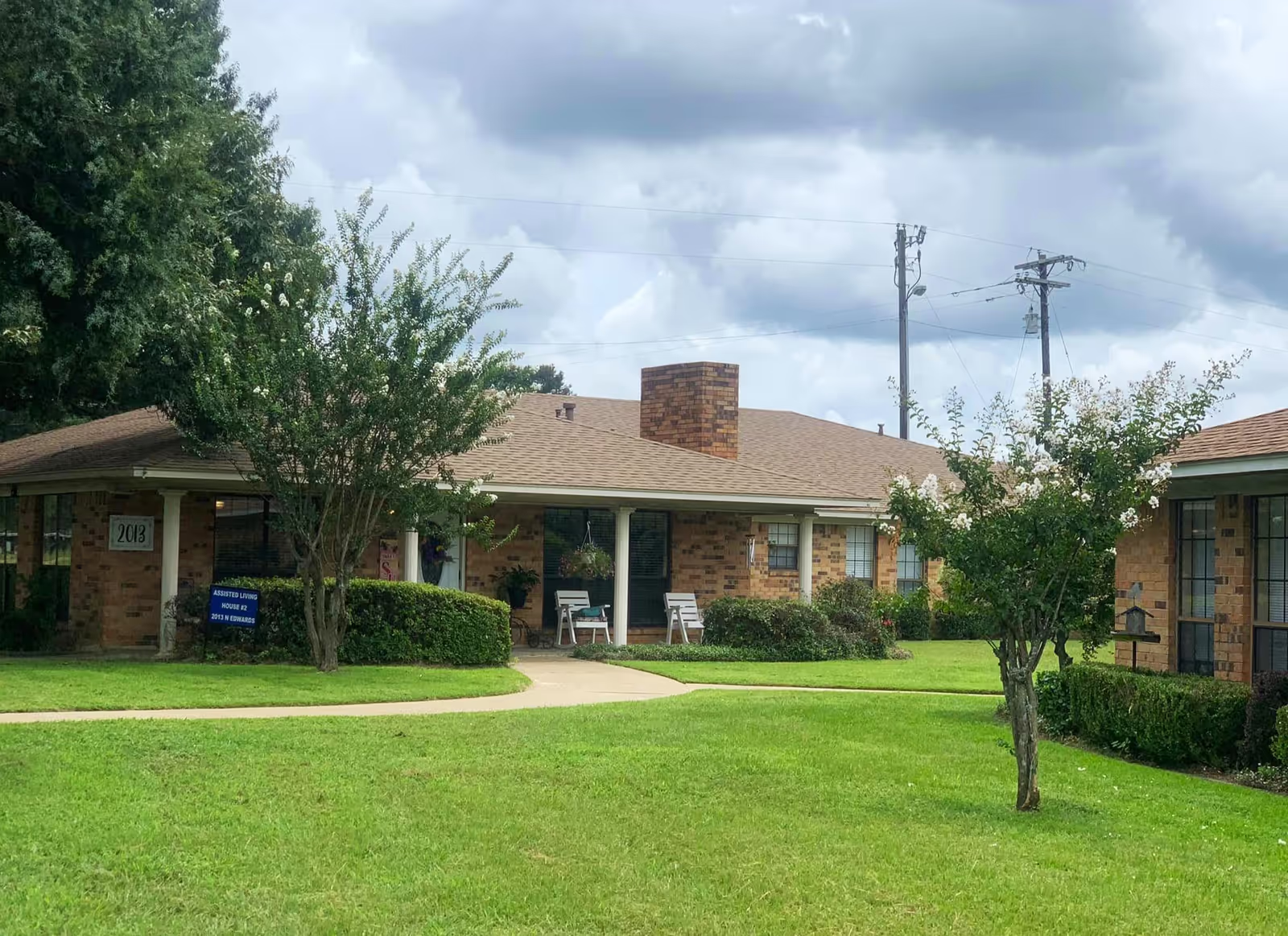
The reviews of Reunion Plaza Senior Care and Rehabilitation Center present a mixed but distinct pattern: many families and residents praise the day-to-day caregiving, therapy services, and social environment, while others describe operational and clinical gaps that affected safety and satisfaction. Strengths most frequently highlighted include compassionate CNAs and nursing staff, a robust therapy/rehab program with a modern therapy wing, an active activities schedule (bingo, live music, church services and seasonal events), and amenities such as an on-site beauty shop. Multiple accounts describe the facility as clean and welcoming in parts, with attractive landscaping and communal spaces that support socialization and family interaction.
Care quality and staffing present contrasting experiences. Positive feedback emphasizes attentive nursing, effective physical therapy, and staff who go above and beyond for residents. However, reviewers also describe inconsistent staffing levels, high turnover, and delayed responses to call bells and requests for assistance. These operational patterns are associated with concerns about medication administration accuracy, timeliness of care, and gaps in chronic-condition management including wound care and diabetes monitoring. Several reviewers described situations where clinical escalation and timely follow-up did not occur as expected, indicating inconsistent safety monitoring processes.
Dining and housekeeping feedback is similarly mixed. Many residents enjoyed meals, occasional standout entrees, and regular meal service; others noted variability in food temperature, portioning, and limited snack availability. Housekeeping and room-cleaning receive positive mentions for daily upkeep in many comments, yet sanitation and odor concerns in some areas and inconsistent linen/room-turn practices were also reported. These contrasting observations suggest variability in day-to-day operational consistency across units and shifts.
Activities, amenities, and facilities are often called out as strengths. The facility offers an engaging calendar, social events, and spaces conducive to visiting and therapy. The therapy unit and some communal areas are described as modern and well-maintained, and private-room options are available for short-term stays. Positive interactions with admissions and certain administrative staff, as well as helpful business-office personnel, were reported and appreciated by families.
Management, communication, and administrative processes show uneven performance. Several reviewers praised specific administrators and department leaders for responsiveness and leadership, while others experienced unsatisfactory follow-through on complaints, coordination issues with caseworkers, delays in equipment provision, and billing disputes — including aggressive collection communications in some accounts. These patterns point to variability in operational oversight and consistency in customer-service processes.
Notable patterns for prospective residents and families to consider: ask about current staffing ratios and turnover on the unit where placement is planned; review medication administration policies and how clinical changes are escalated; clarify wound-care and chronic-condition protocols; inspect meal service routines and snack availability; and verify billing practices and insurance coordination processes. A tour focused on the specific unit, a meeting with therapy and nursing leadership, and a review of recent state inspection or deficiency history can help balance the facility’s strong rehabilitation and social programming against the operational concerns some families experienced.