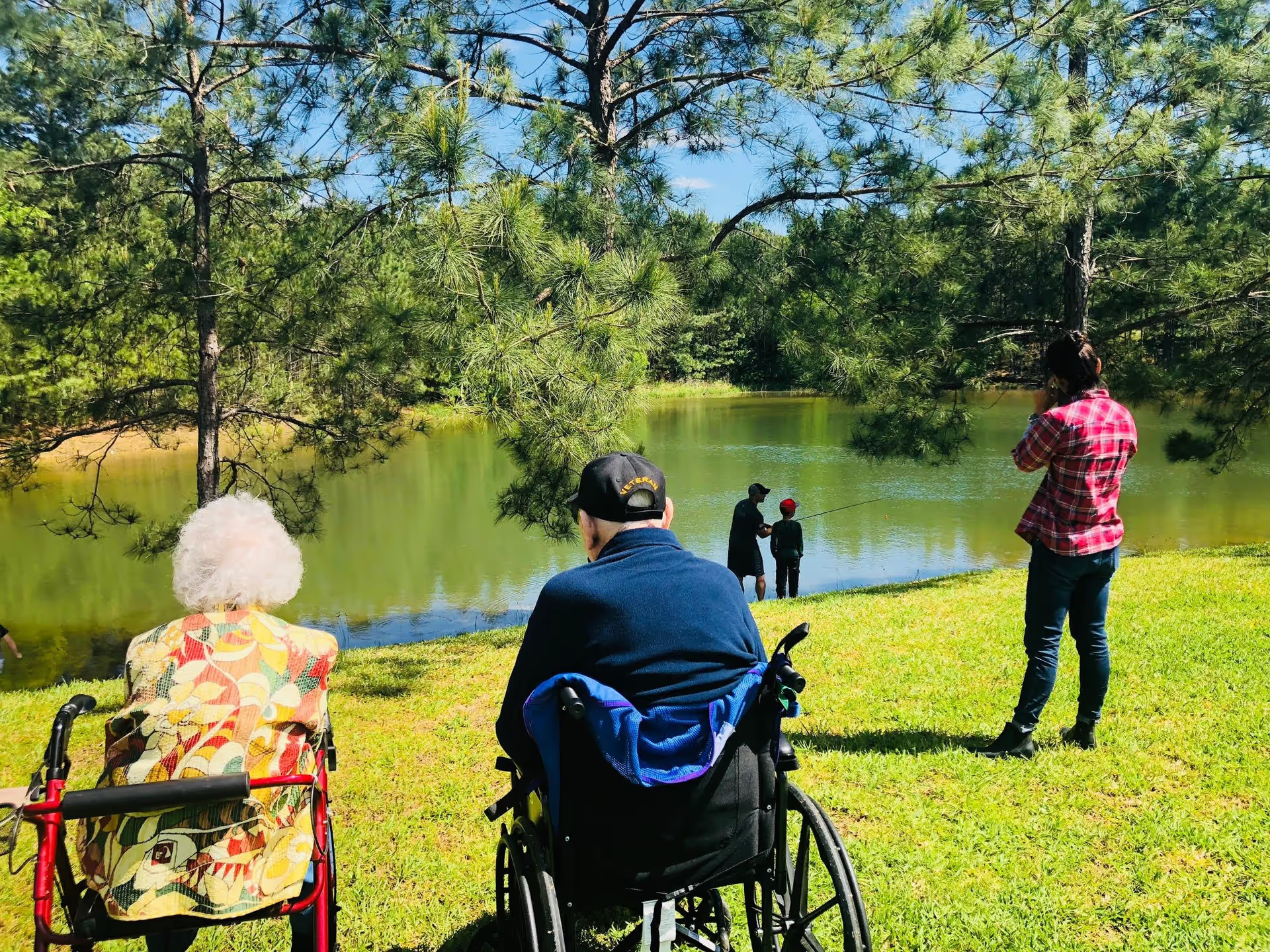
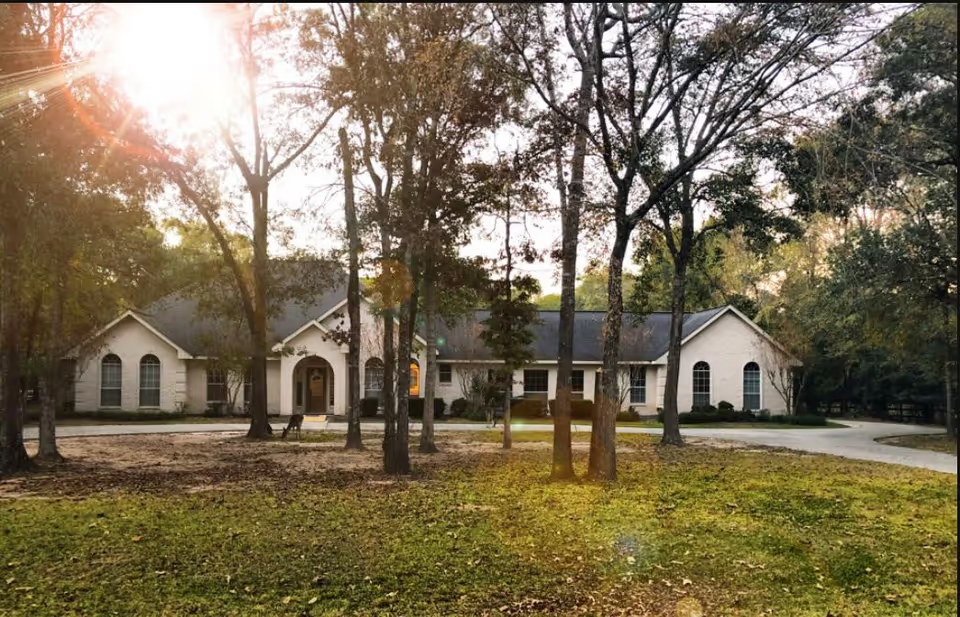
The Magnolia Woods Assisted Living presents as a newly built, small-scale assisted living community with consistent praise for individualized, compassionate care. Families and visitors emphasize a warm, home-like atmosphere supported by a staff described as attentive and caring. Operational strengths highlighted include private rooms with en-suite bathrooms, ADA-compliant design, clean modern interiors, sunny common spaces with an open-kitchen feel, and secure outdoor areas. The community's size and layout are frequently framed as creating a family-like environment and close partnerships between staff and family caregivers.
Clinical and care services appear to be a central focus. Review patterns emphasize personalized care plans, around-the-clock attentiveness, and specific programming for memory-care needs — including an Alzheimer's program linked with a geriatric physician — as well as hospice-focused support. These attributes suggest attention to both progressive cognitive-care needs and end-of-life coordination. Staff engagement and leadership are repeatedly described as hands-on, with owners and managers actively involved in day-to-day operations and in building relationships with residents and families.
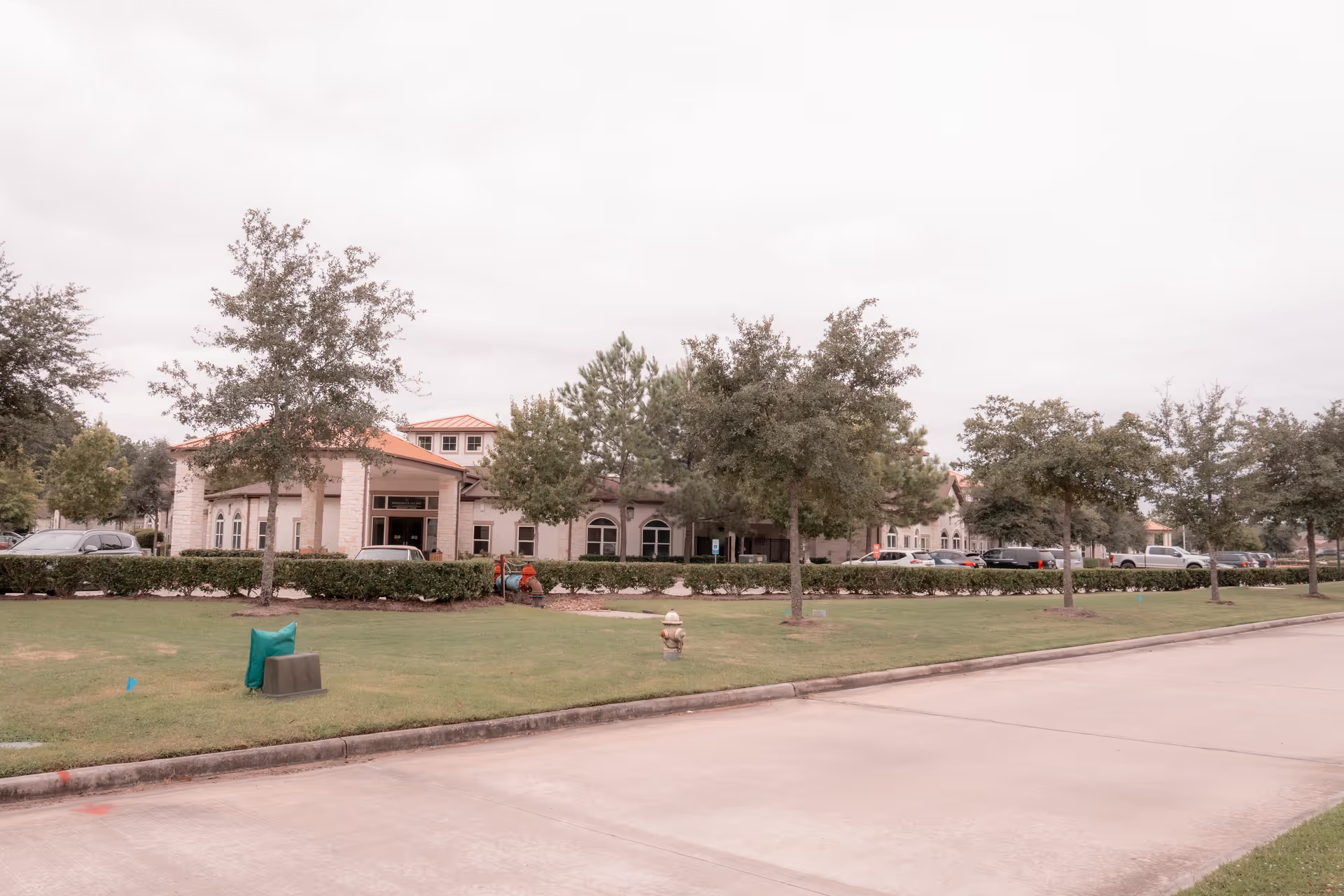
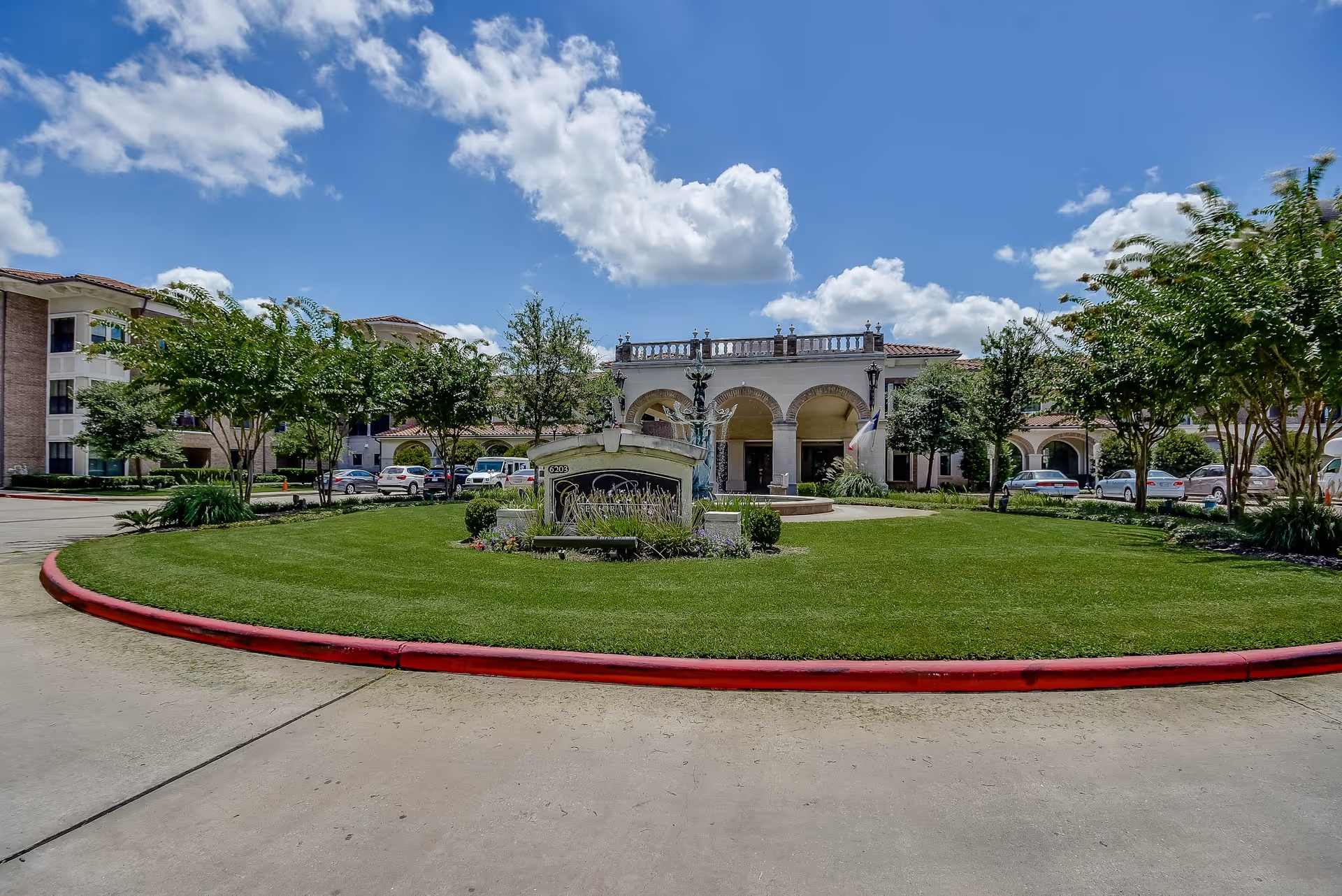
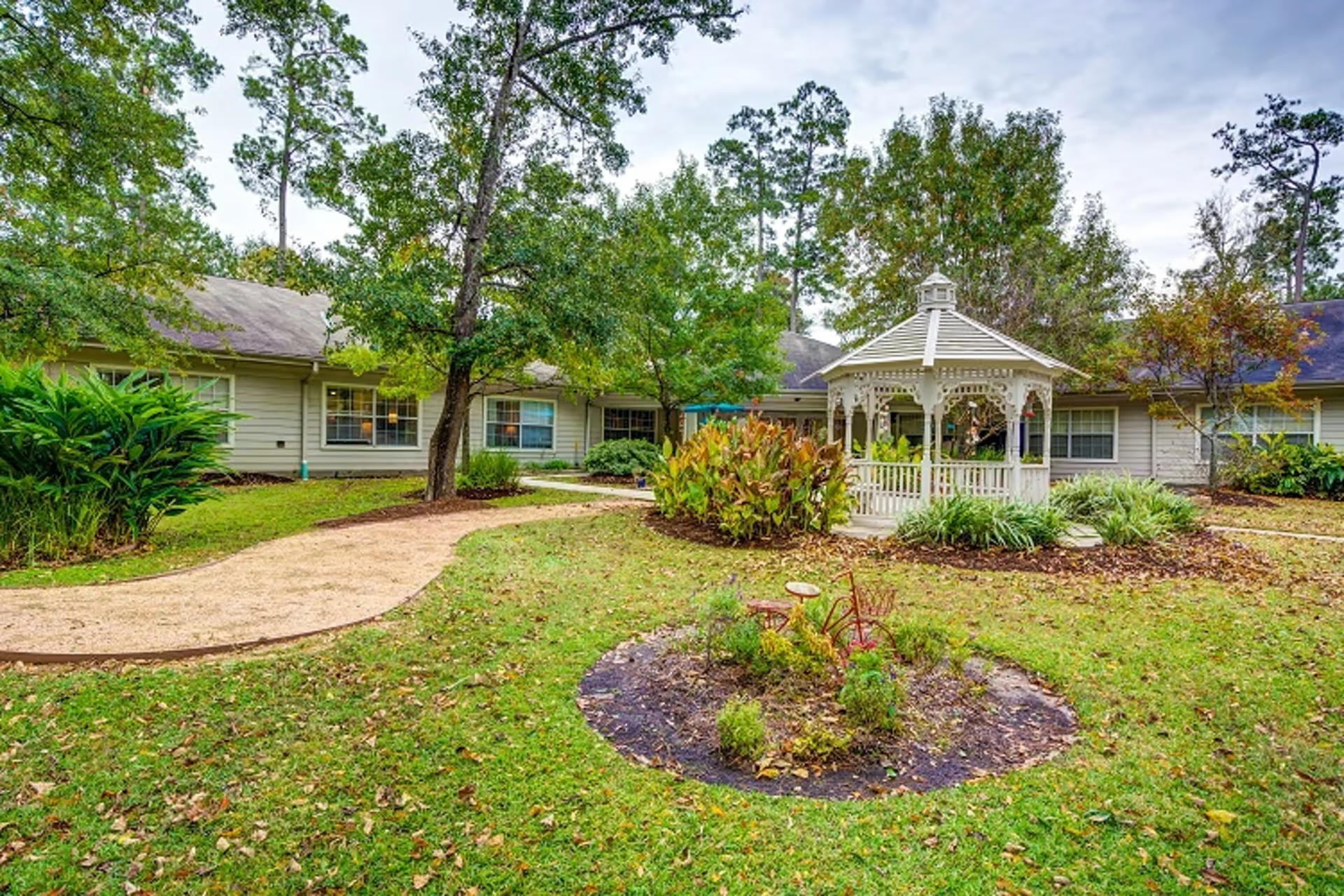
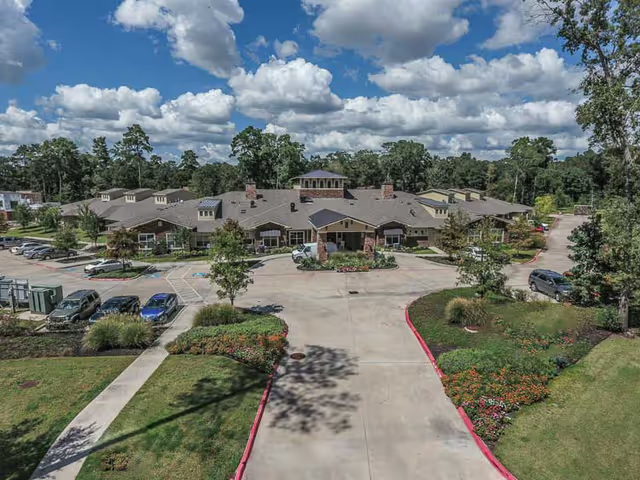
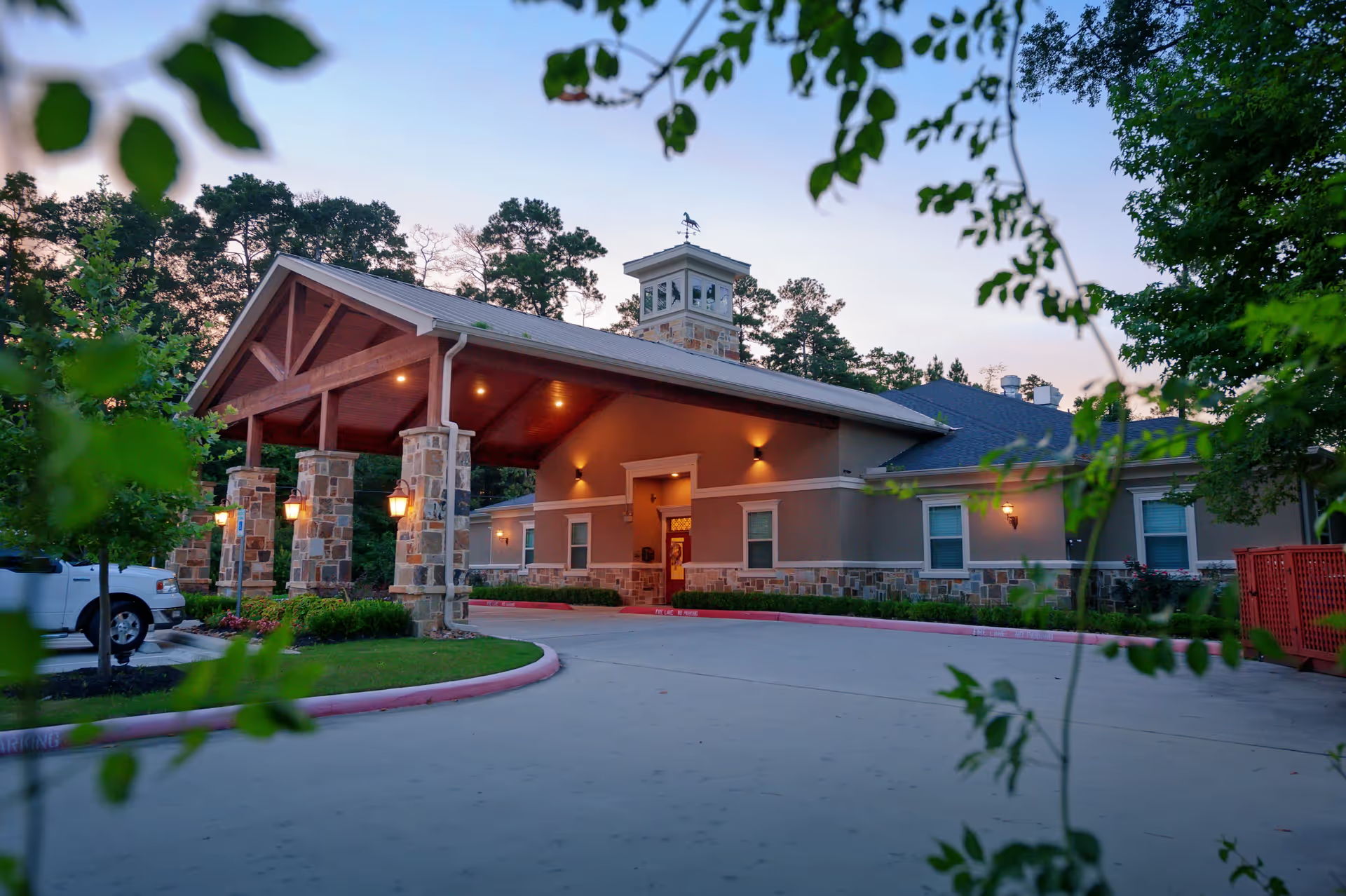
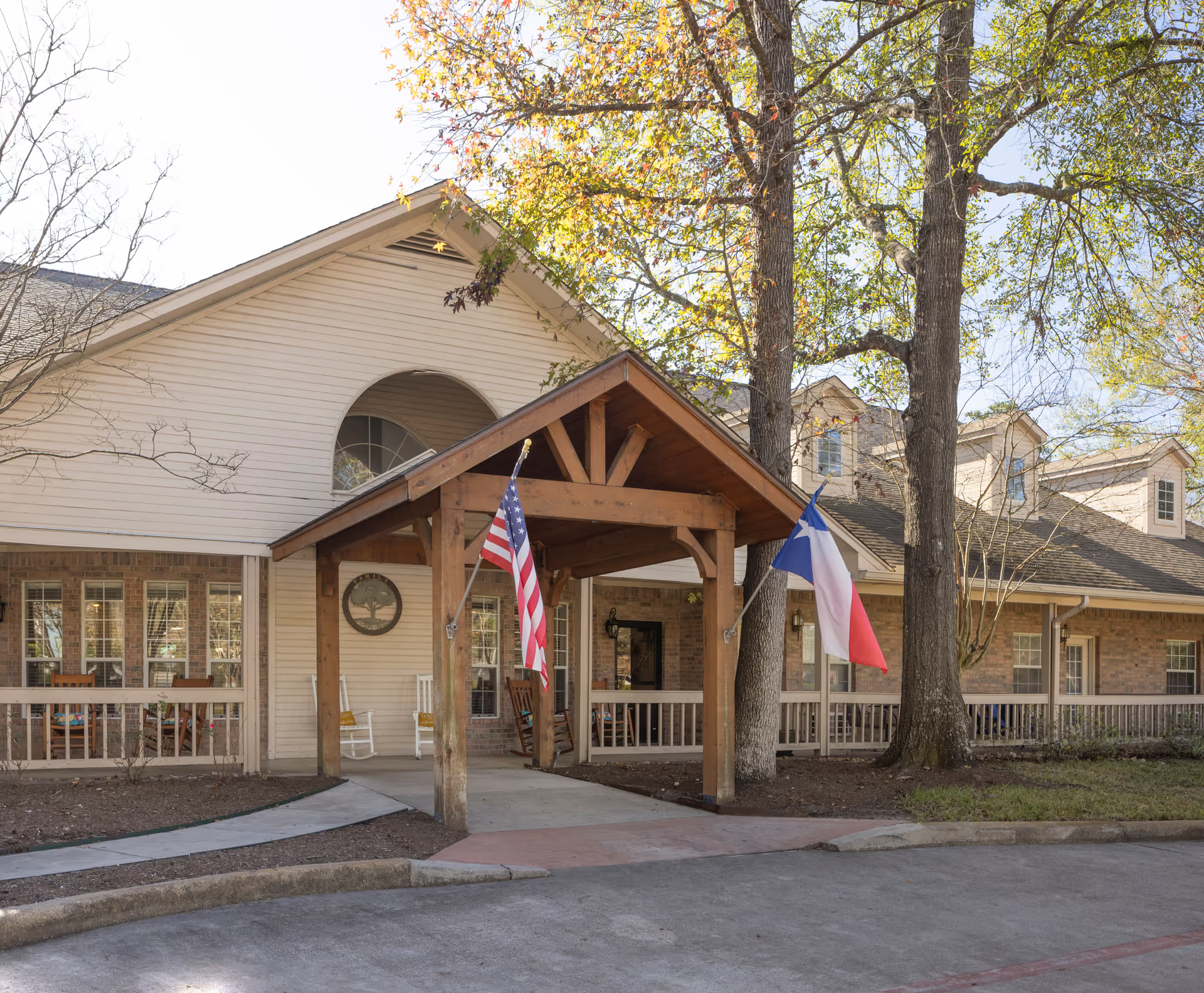
The facility and setting are consistently praised: new construction, modern finishes, ADA-accessible features, private outdoor spaces, and a woodsy location near local amenities. Multiple comments reference a clean, well-maintained environment, cheerful communal areas, and an intimate resident count that supports quieter, more personalized living. Reviewers recommended touring the property, which aligns with the facility’s boutique scale and design focus.
Notable patterns to consider: Magnolia Woods is repeatedly described as brand-new and small (a roughly 15-bedroom community), which yields advantages in personalized attention but also creates operational trade-offs. The limited bed capacity can affect availability and the breadth of social programming; smaller census may mean fewer large-group activities or specialty therapies than larger communities. Heavy owner and leadership visibility is cited as a strength for responsiveness and culture, but it also implies greater reliance on specific individuals for continuity of management. Because the community is recently established, prospective families may want to confirm staffing ratios, long-term clinical outcomes, activity schedules, and formalized protocols for medication management and emergency response.
Overall, the consensus from available summaries is that Magnolia Woods prioritizes individualized, compassionate caregiving in a modern, home-like setting with strong owner involvement and targeted clinical supports for memory and hospice care. Prospective residents and families should tour the facility, ask about availability and waitlist practices, and review detailed clinical and activity programming to ensure the community’s small scale and newer operational history match their long-term needs.