Feedback emphasizes a consistently positive experience with staff and care delivery at this community. Commenters describe the caregiving team as compassionate, professional, and knowledgeable, and they highlight a resident-centered approach that families characterize as personal and home-like. Placement and move-in are portrayed as smooth and low-stress, with rapid turnaround in admissions and a clear focus on minimizing family anxiety during transitions.
Advising and management practices receive repeated praise. Families cite helpful, trusted advisors who guide choices among independent, assisted, and memory-care options and provide transparent pricing information. This advisory role appears to be a central operational strength: staff members who help with clinical–level placement decisions and financial clarity are seen as putting families at ease and supporting informed decision-making.
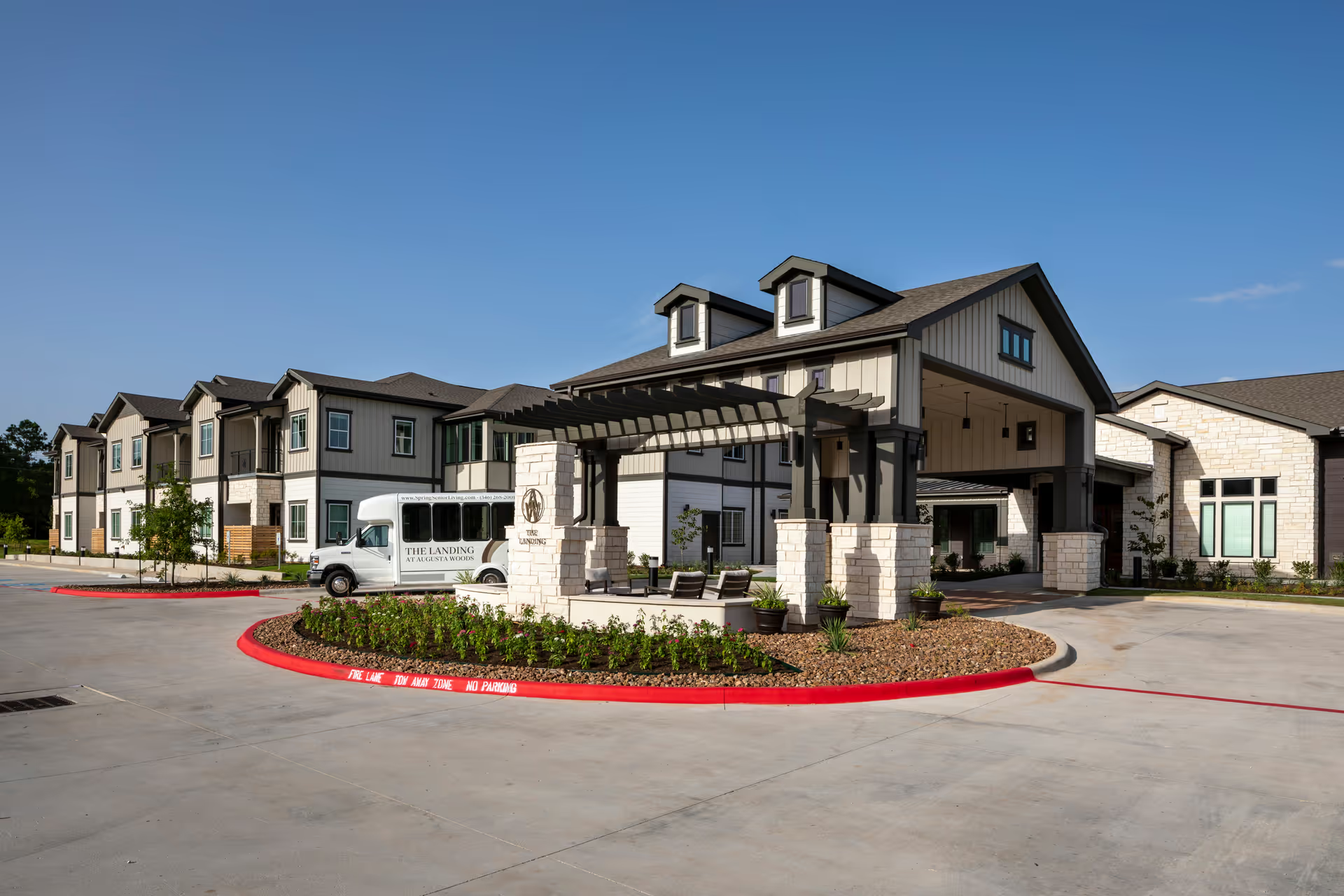
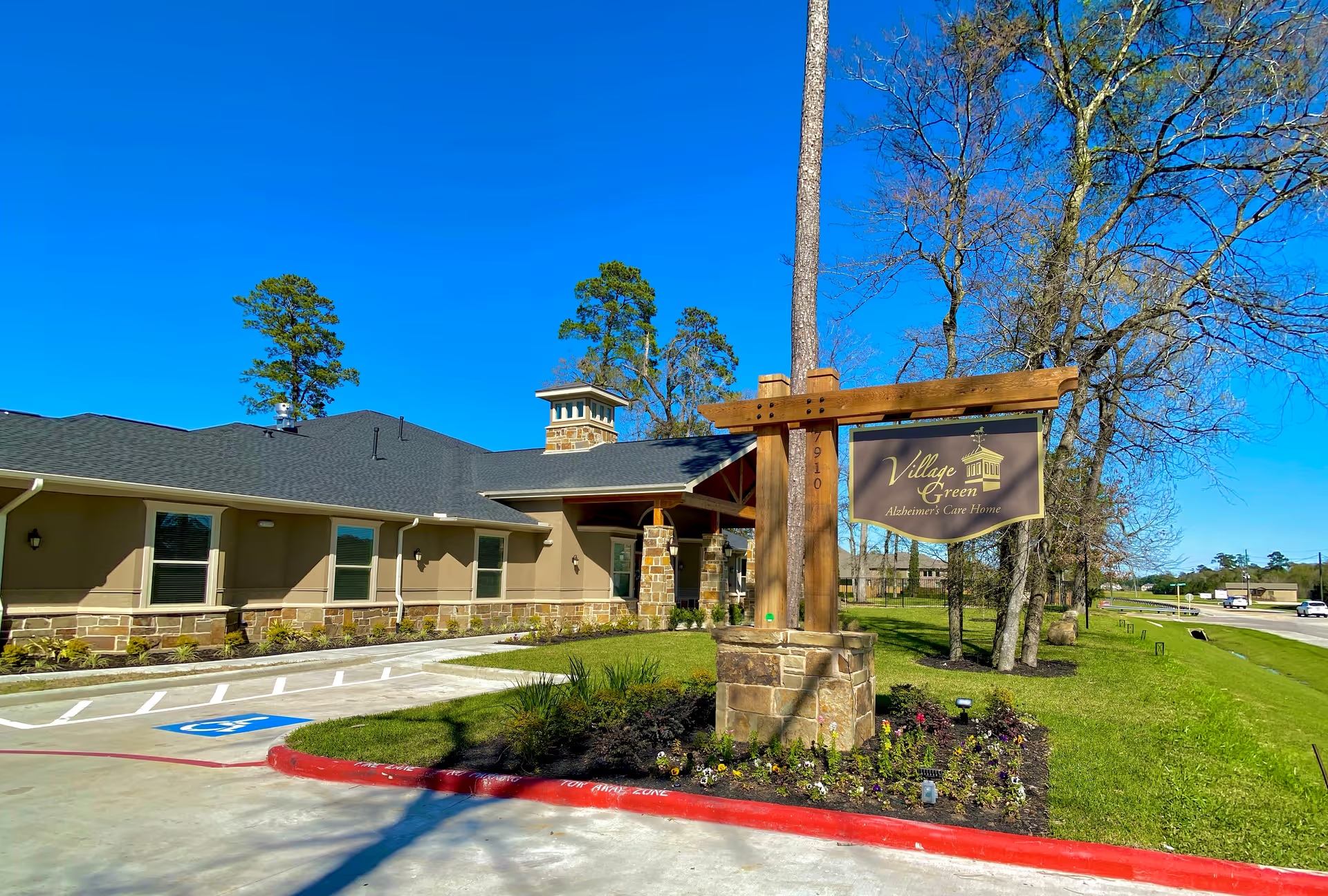
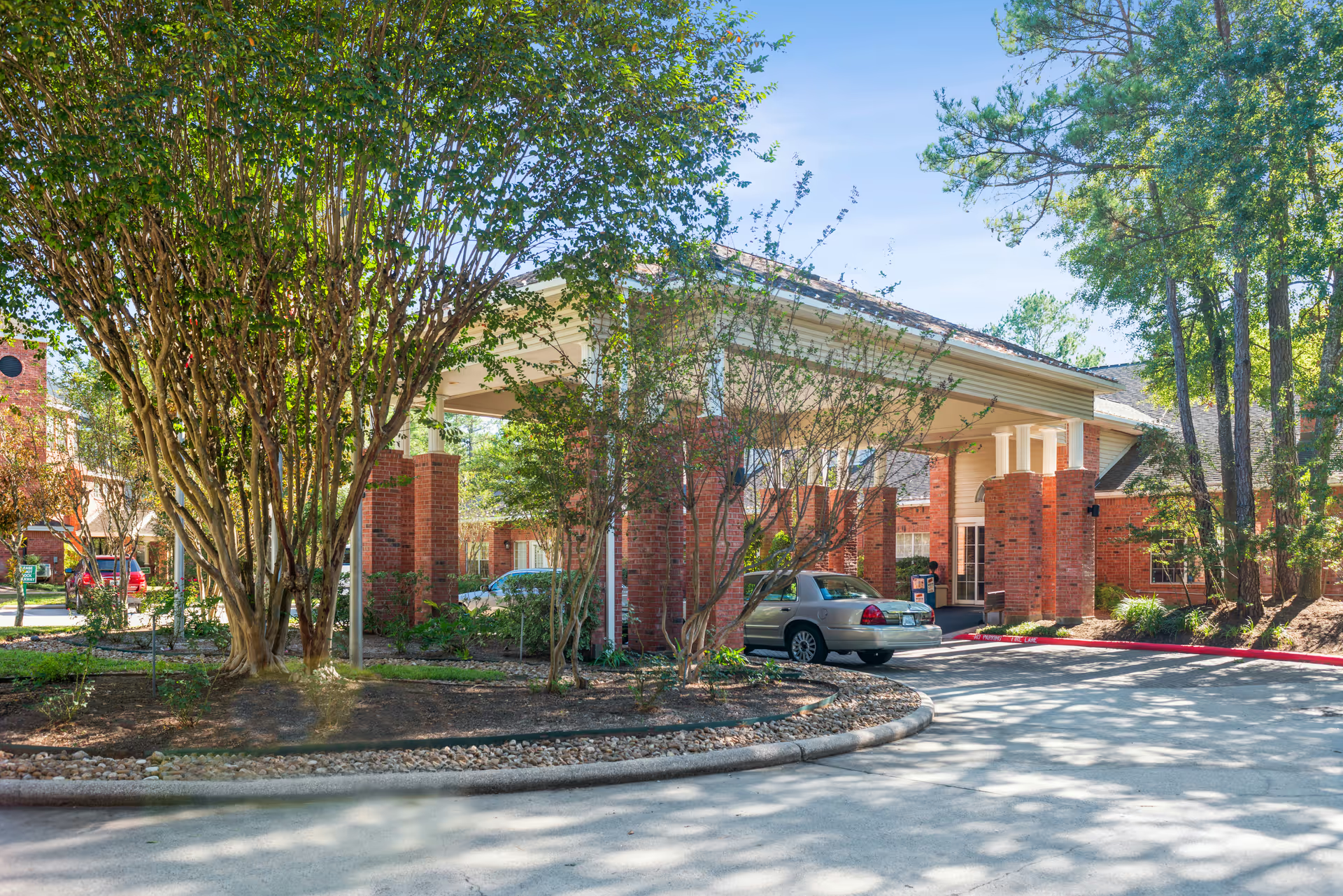
Areas with less public detail include dining, activities, facilities, and clinical-staffing metrics. Summaries contain little descriptive information about menu variety, mealtime quality, the scope and frequency of social or therapeutic programming, or physical-plant features beyond the characterization of a "loving home." There is similarly limited information about nursing- or clinical-staffing levels and formal medical oversight from these summaries, which constrains assessment of long-term clinical capacity.
Notable patterns suggest strong front-line caregiving and effective admissions/advisor functions; however, prospective residents and families would benefit from targeted inquiries on-site. Recommended follow-up items include sample menus and meal schedules, a calendar of activity and therapy offerings, written staffing ratios and clinical oversight policies, and copies of family communication practices and outcome metrics. These steps will provide a fuller operational picture beyond the uniformly positive caregiver- and-admissions experience reflected in the available feedback.