Overall impression: Brookdale Waxahachie elicits a mix of strong praise and operational concerns. Many families and visitors describe a warm, family-like culture led by compassionate caregiving staff and an active activities team; at the same time, recurring operational patterns — particularly around staffing, clinical oversight, and maintenance — produce uneven experiences across residents and shifts.
Care quality and staff: The facility receives frequent commendation for caring, attentive direct-care staff and strong family communication. Several accounts highlight staff who learn resident preferences, provide emotional support, and go beyond routine duties. The activities director and specific team members are repeatedly identified as strengths. However, reviewers also describe inconsistent staffing levels, notable staff turnover, and variable training. These workforce issues are correlated with care gaps on certain shifts (notably nights), delayed responses to call buttons, and inconsistent follow-through on clinical tasks. A pattern emerges in which daytime coverage and engaged staff produce positive outcomes, while nights and periods of staff transition are associated with slower responses and clinical oversight variability.
Clinical care and safety: Clinical strengths include personalized care plans and coordination for hospice or higher-acuity needs for some residents. Concerns cluster around chronic-condition management (for example, diabetes oversight), inconsistent bathing and personal-care scheduling, and limited use of personal-alert devices or other fall-prevention practices. The memory-care area has raised safety and supervision questions related to unit size and layout: long hallways and larger units can make continuous observation more difficult. Families should evaluate the facility’s approach to monitoring, fall prevention, and after-hours clinical coverage when considering Brookdale for residents with advanced clinical needs.
Dining and activities: Dining is a visible strength for many reviewers — an on-site chef and dietitian, restaurant-style service, and menu flexibility are frequently praised. That said, there are recurring remarks about inconsistent meal quality, menu substitutions, high-sodium or fried options, and occasional out-of-stock items. The activities program is generally robust, with a wide calendar that includes fitness classes, outings, seasonal events, and specialized offerings; yet activity availability in the memory-care unit is sometimes described as limited or less structured than in assisted-living areas. Prospective families should ask for current activity schedules and memory-care program specifics.
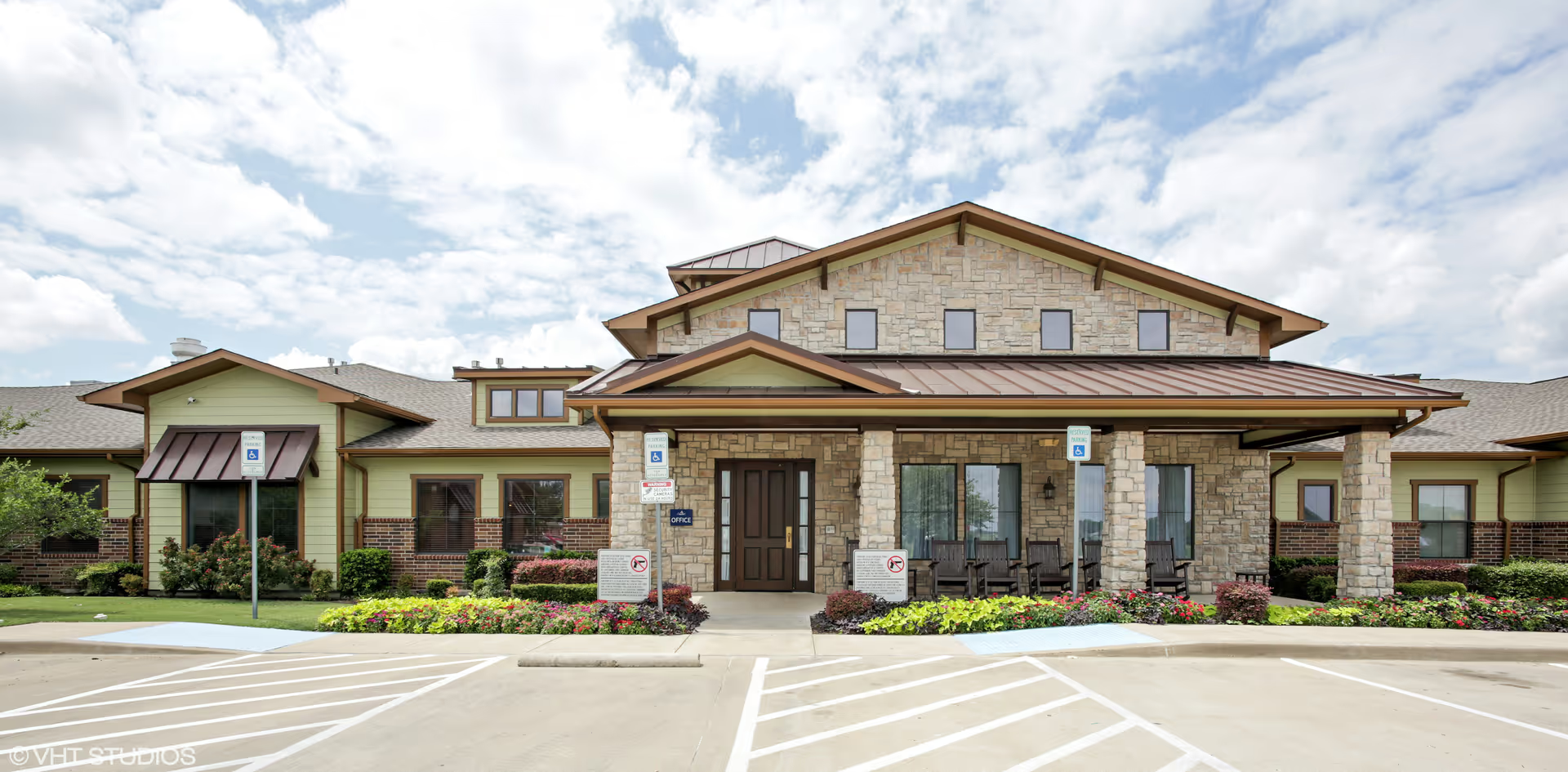
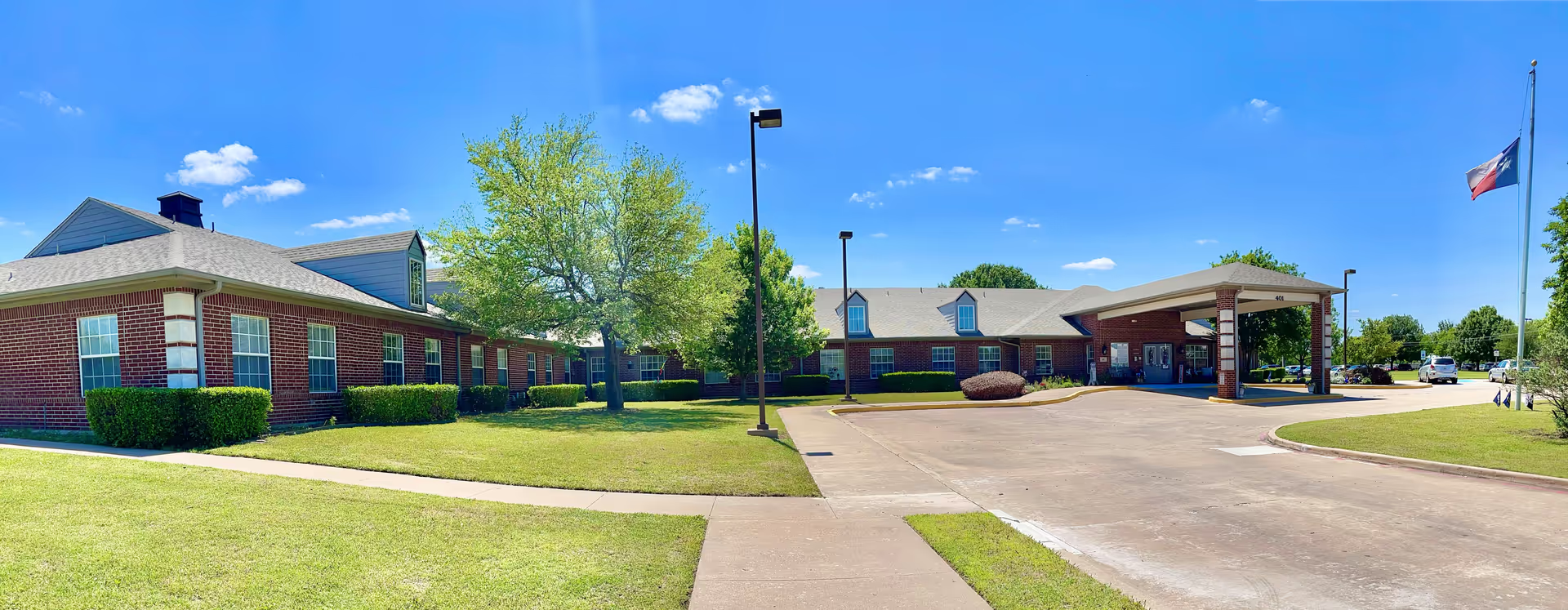
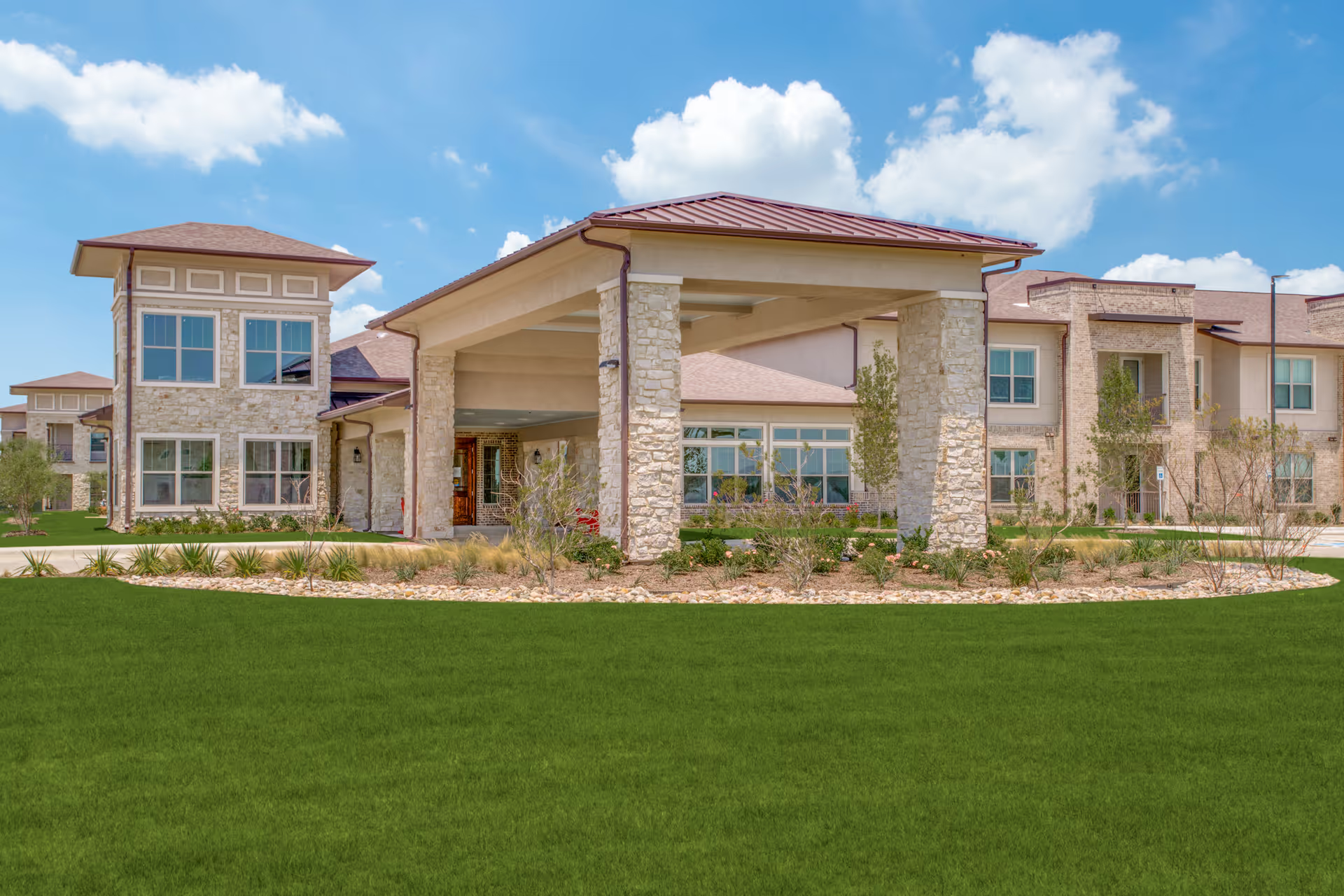
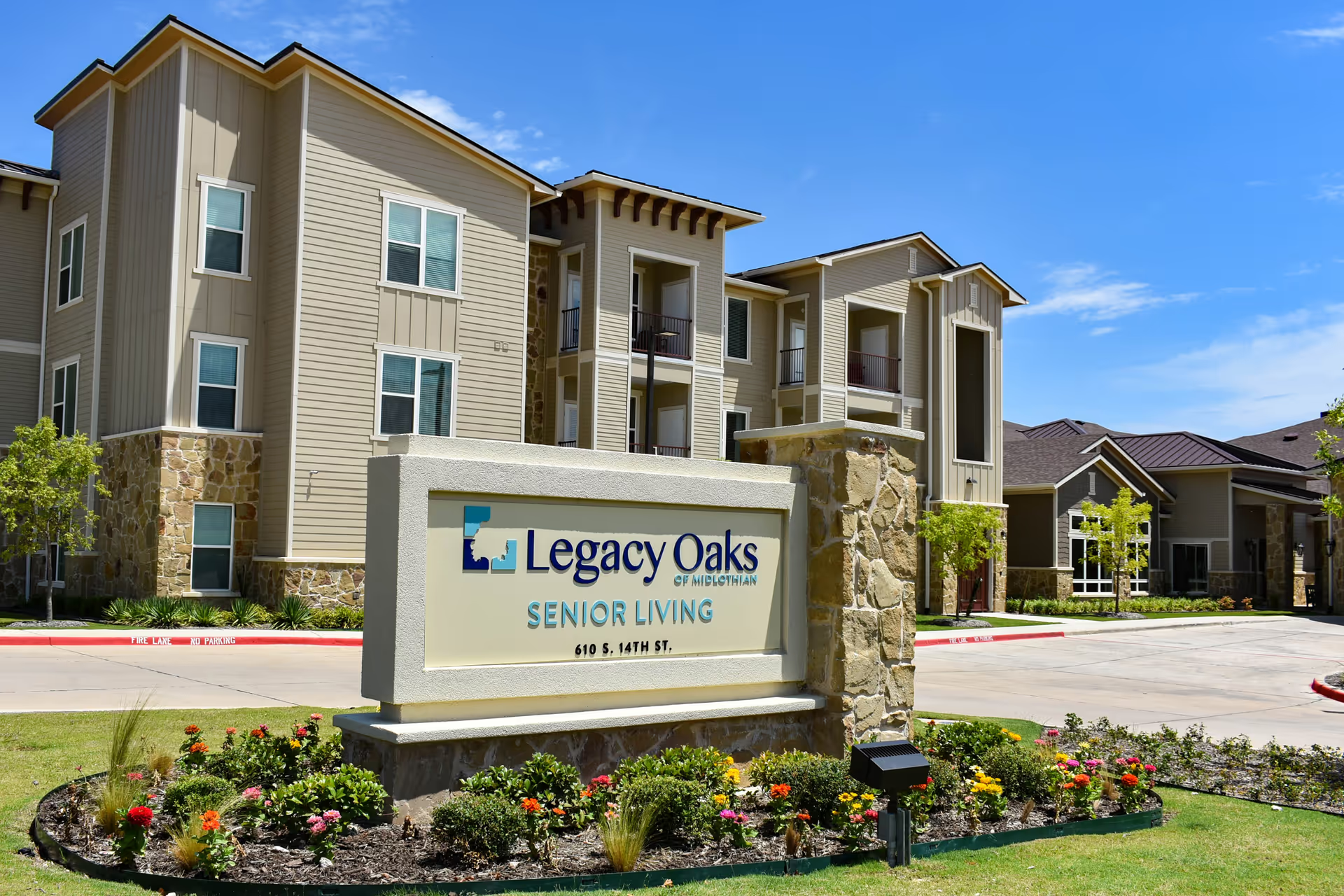
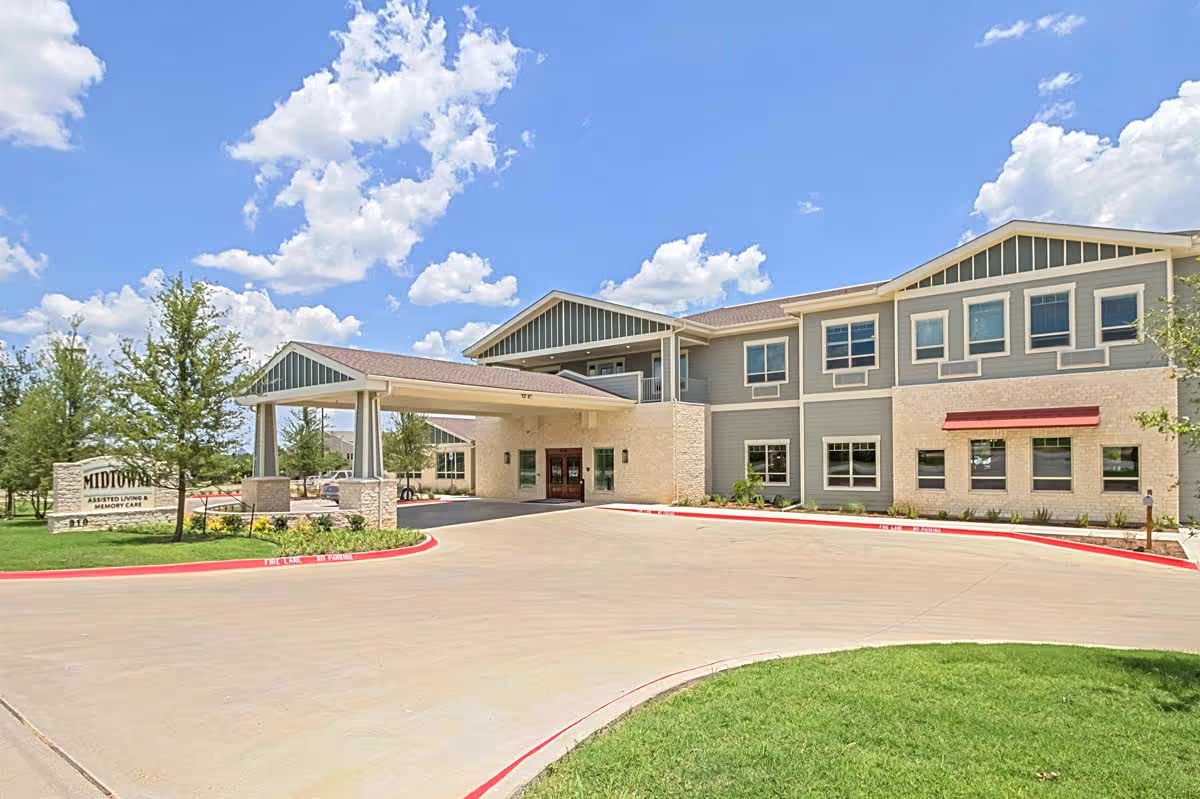
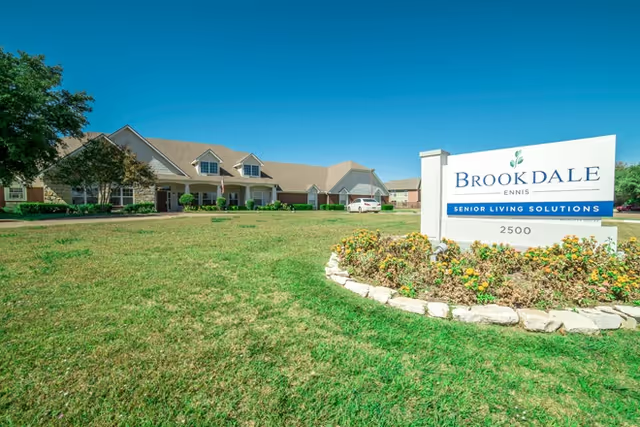
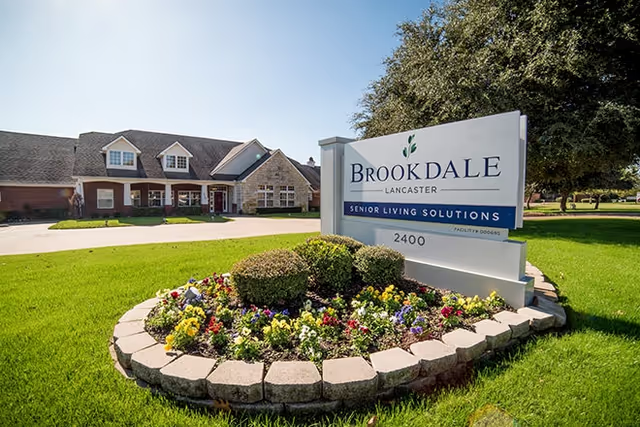
Facilities and housekeeping: The community is often described as attractive, well-decorated, and home-like, with pleasant outdoor spaces and ongoing renovations. Common areas and landscaping receive positive notes. Conversely, there are intermittent maintenance and cleanliness inconsistencies: stained carpeting, delayed in-room repairs or replacements (for example, a nonworking in-room refrigerator), and occasional odor concerns in specific rooms or areas. Physical layout issues — narrower corridors in some wings and larger memory-care floors — affect supervision and the perceived feel of certain units.
Management and administration: Administrative themes include generally helpful admissions staff and an easy move-in process, but mixed experiences with management responsiveness, billing accuracy, and daytime accessibility. Families describe direct communication successes when managers or directors are personally involved; others report difficulty scheduling meetings, billing discrepancies, and uneven follow-through on service requests. Several reviewers note a pattern of strong frontline caregivers paired with periodic management transitions that affect consistency.
Notable patterns and advice: The dominant pattern is variability — strong, relationship-based caregiving and quality dining/activities coexist with operational weaknesses that surface during staffing shortages, shift changes, or management turnover. Many families strongly recommend the community based on individual caregivers and program strengths; others advise caution for residents with advanced clinical needs or high fall risk. Prospective residents and families should tour multiple times (including an evening or weekend), review staffing ratios by shift, ask about clinical coverage for chronic conditions, inspect memory-care supervision practices and layout, and request current housekeeping/maintenance protocols and recent menus before making a placement decision.