Reviewers present a mixed but largely staff-focused picture of Whitney Nursing and Rehabilitation. Positive comments consistently emphasize compassionate direct care: CNAs and some nursing leaders are described as attentive, caring, and responsive in routine interactions. Several accounts praise strong charge-RN oversight and prompt medication delivery in many circumstances. Physical therapy and rehab services receive favorable mentions, and a number of families expressed satisfaction with the facility's clinical and restorative programs.
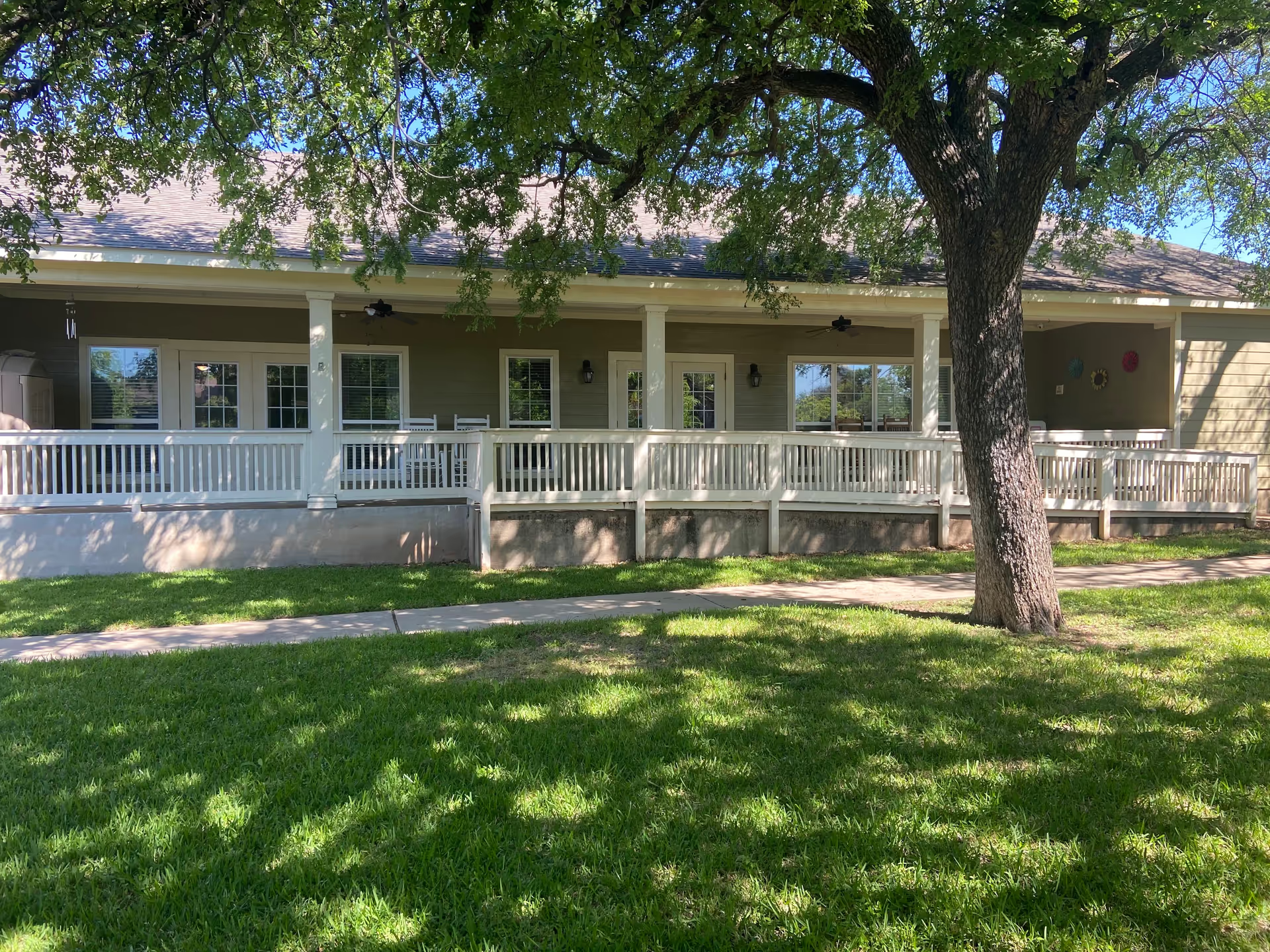
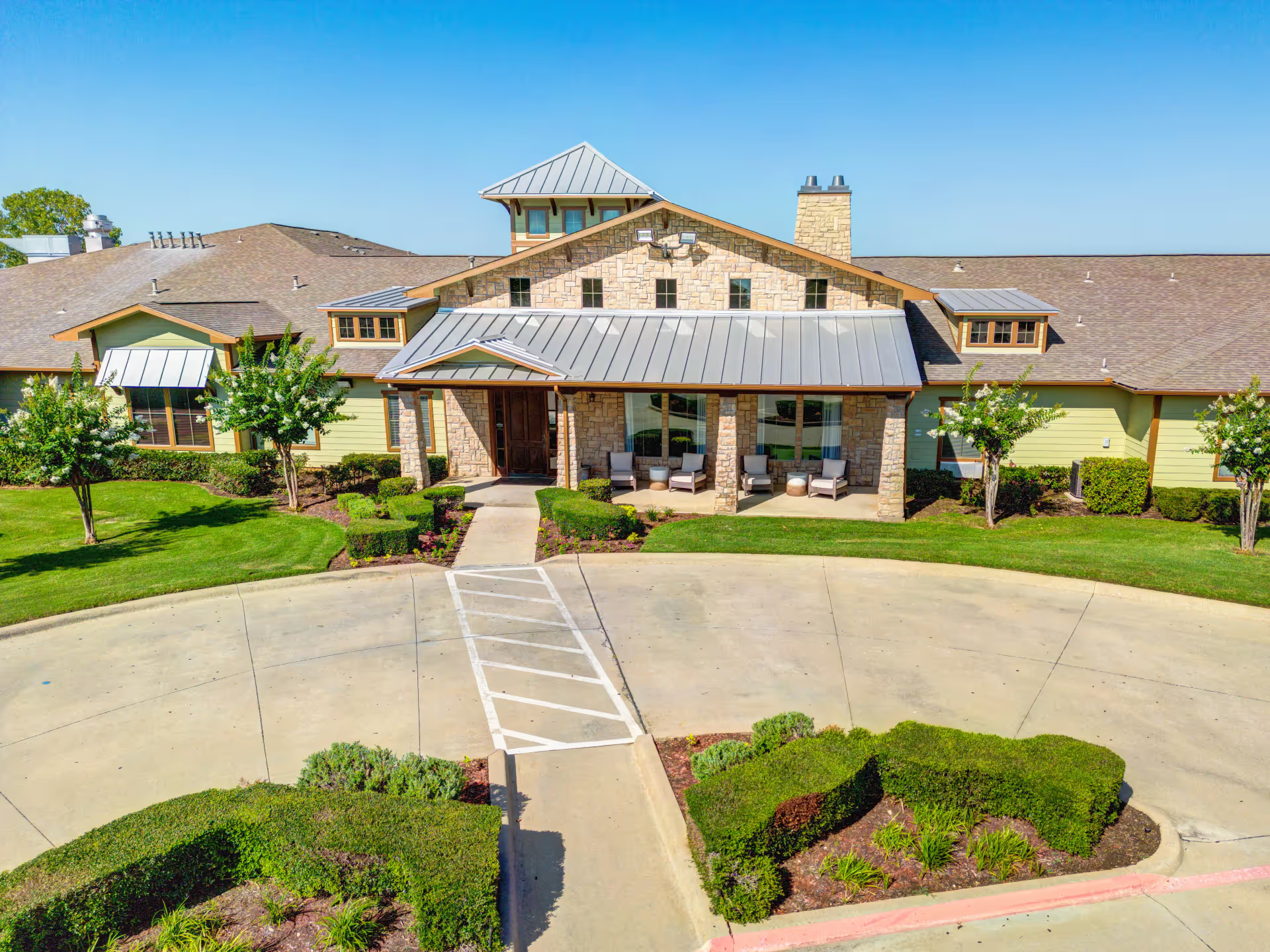
Dining and activities are also cited as strengths. Meals are frequently described as enjoyable, and in-room service is said to match cafeteria offerings. The activities program appears inclusive and varied, with games, devotional programming, and a small on-site aviary providing social and sensory engagement for residents. The facility's interior is characterized as clean and well-kept in many areas, and administrative practices such as itemized billing and a stated commitment to listening to family concerns contribute to perceptions of good value.
At the same time, reviewers describe operational weaknesses that prospective families should evaluate. Staffing responsiveness is uneven in some reports: delays in answering call buttons and in attending to resident needs are recurring themes. Related clinical risks include inconsistent medication administration controls and episodic incontinence-care delays, which families linked to sanitation concerns. Infection-prevention issues were specifically mentioned, including a C. difficile outbreak, suggesting the facility may experience lapses in infection-control practices at times.
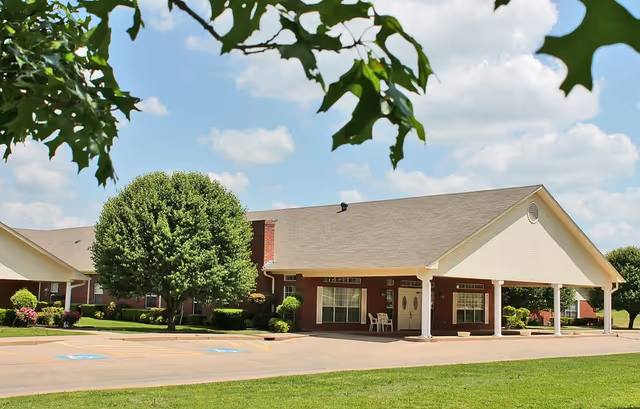
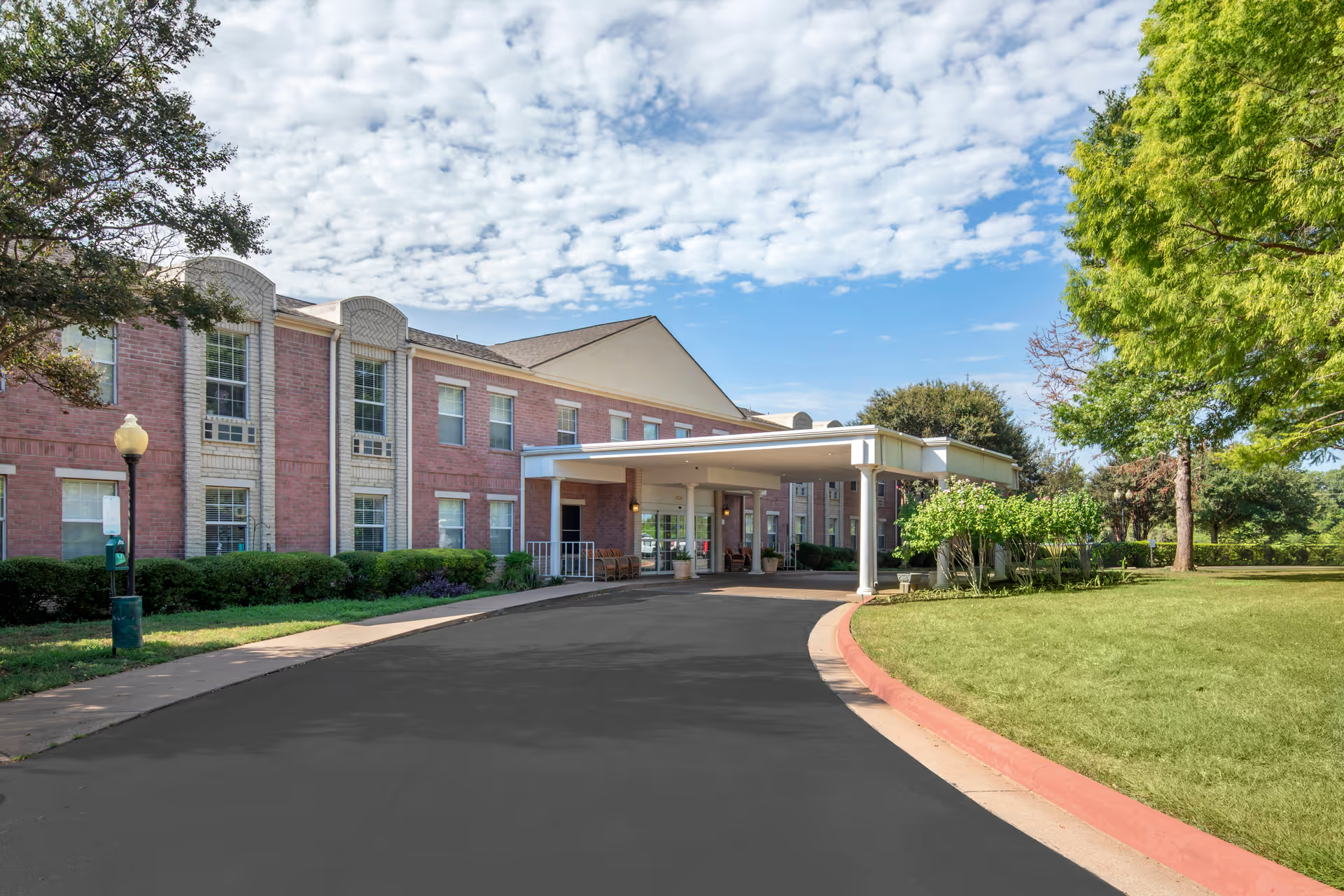
Facility infrastructure and safety practices are additional areas of concern. The building is described as older with ongoing maintenance needs, and maintenance staff capacity is perceived as limited, which may prolong repairs. Safety-policy enforcement also appears inconsistent in certain situations (for example, smoking and oxygen-use policies). Finally, while many families report good communication, others describe variable communication during clinical incidents or respite stays, indicating that family engagement and incident-communication processes may be uneven.
Overall, Whitney appears to offer strong personal care, engaging programming, and transparent administrative practices in many cases, but with operational vulnerabilities that have led to significant negative experiences for some families. Prospective residents and their families should ask targeted questions about current staffing levels and ratios, recent infection-control records, medication-administration procedures, safety-policy enforcement, maintenance response times, and how the facility manages respite admissions and weekend coverage to assess whether the current operational practices meet their needs.