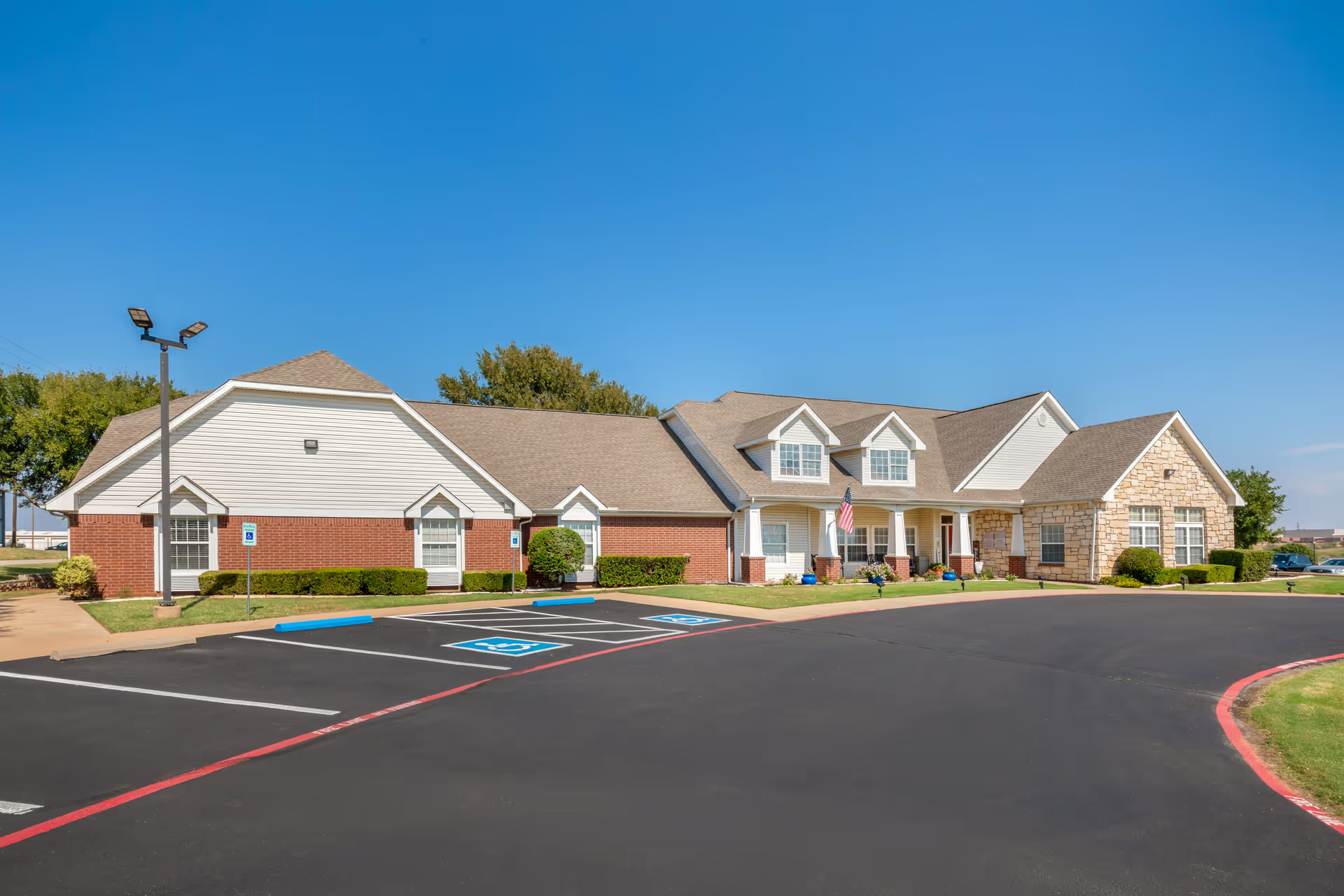
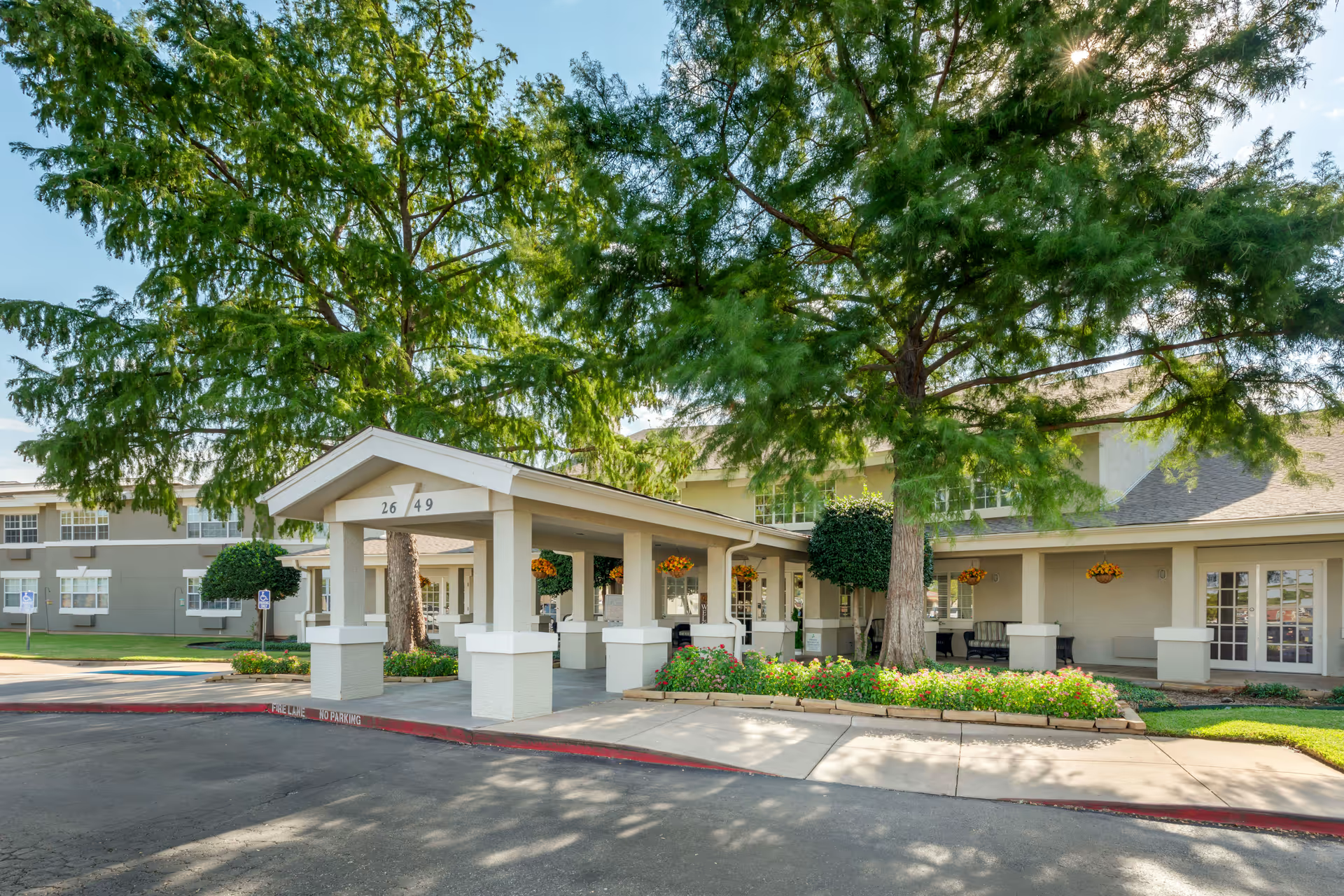
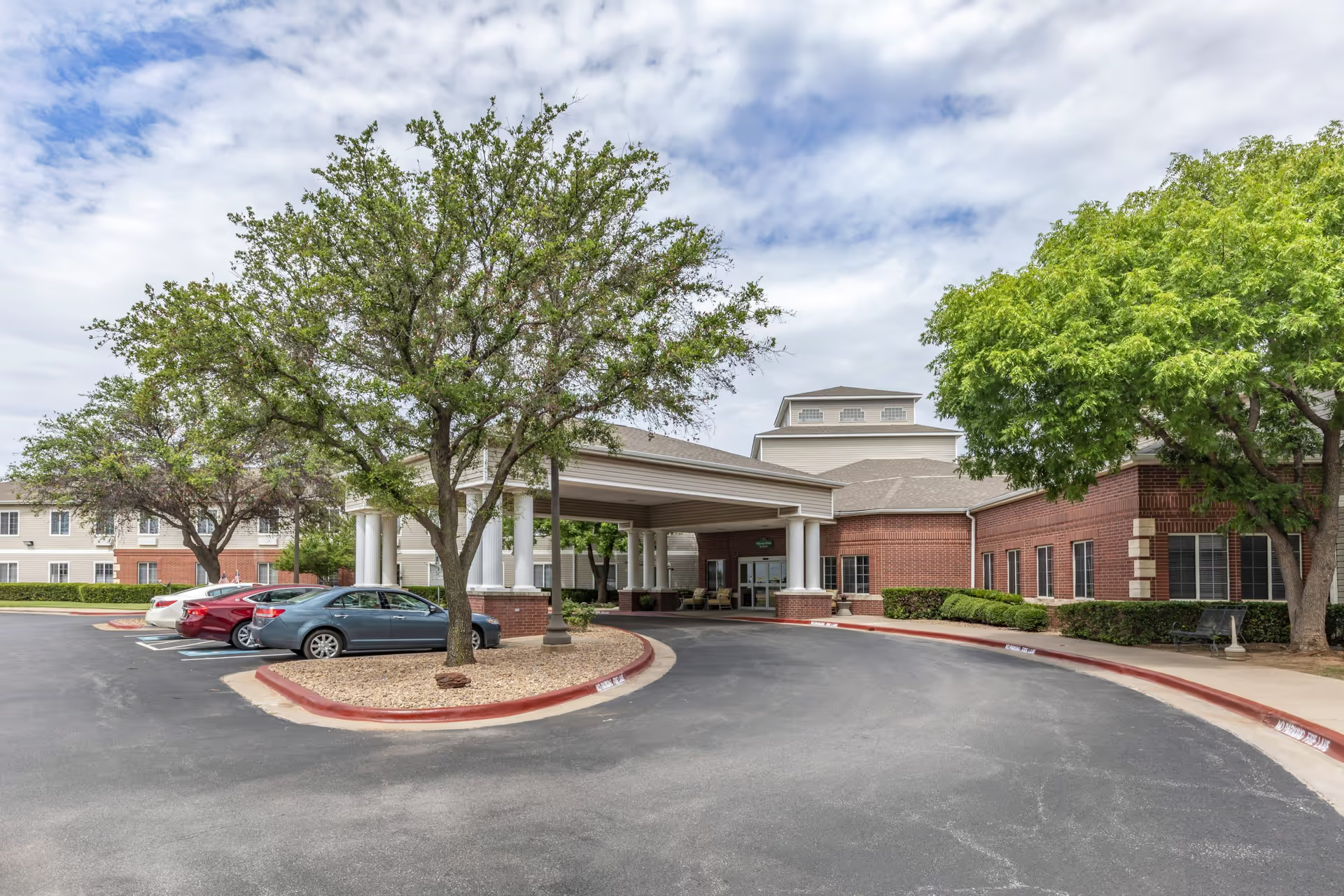
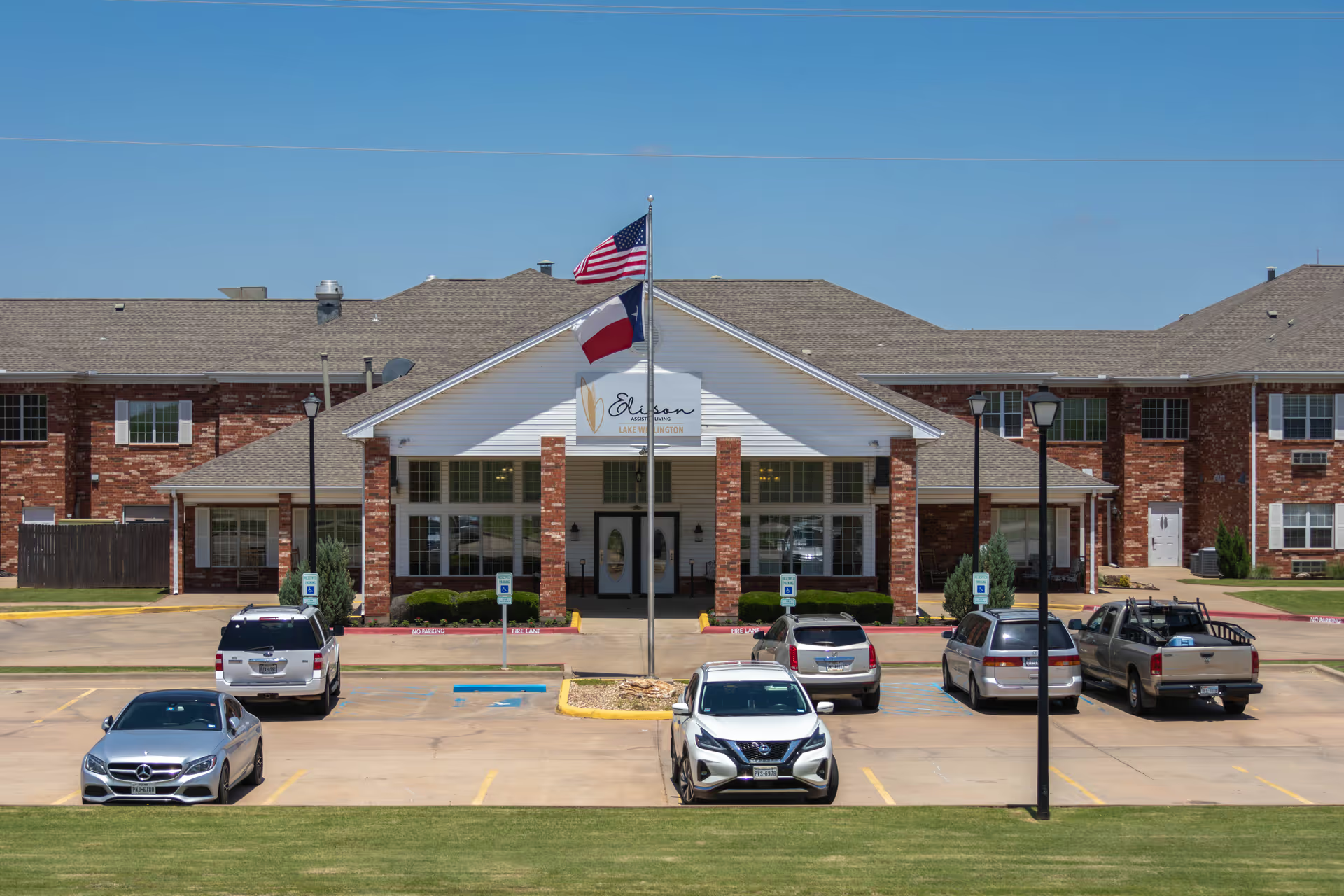
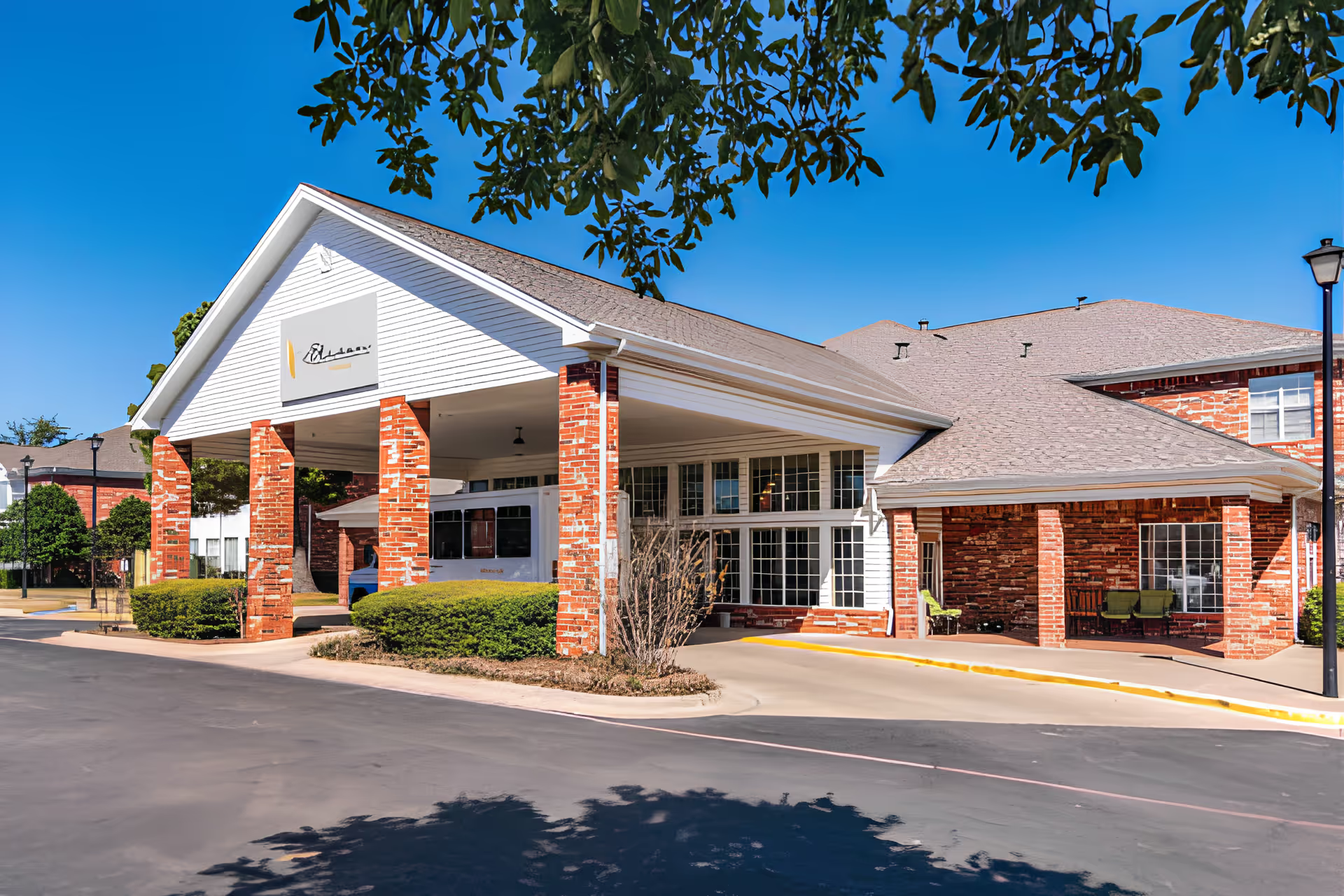
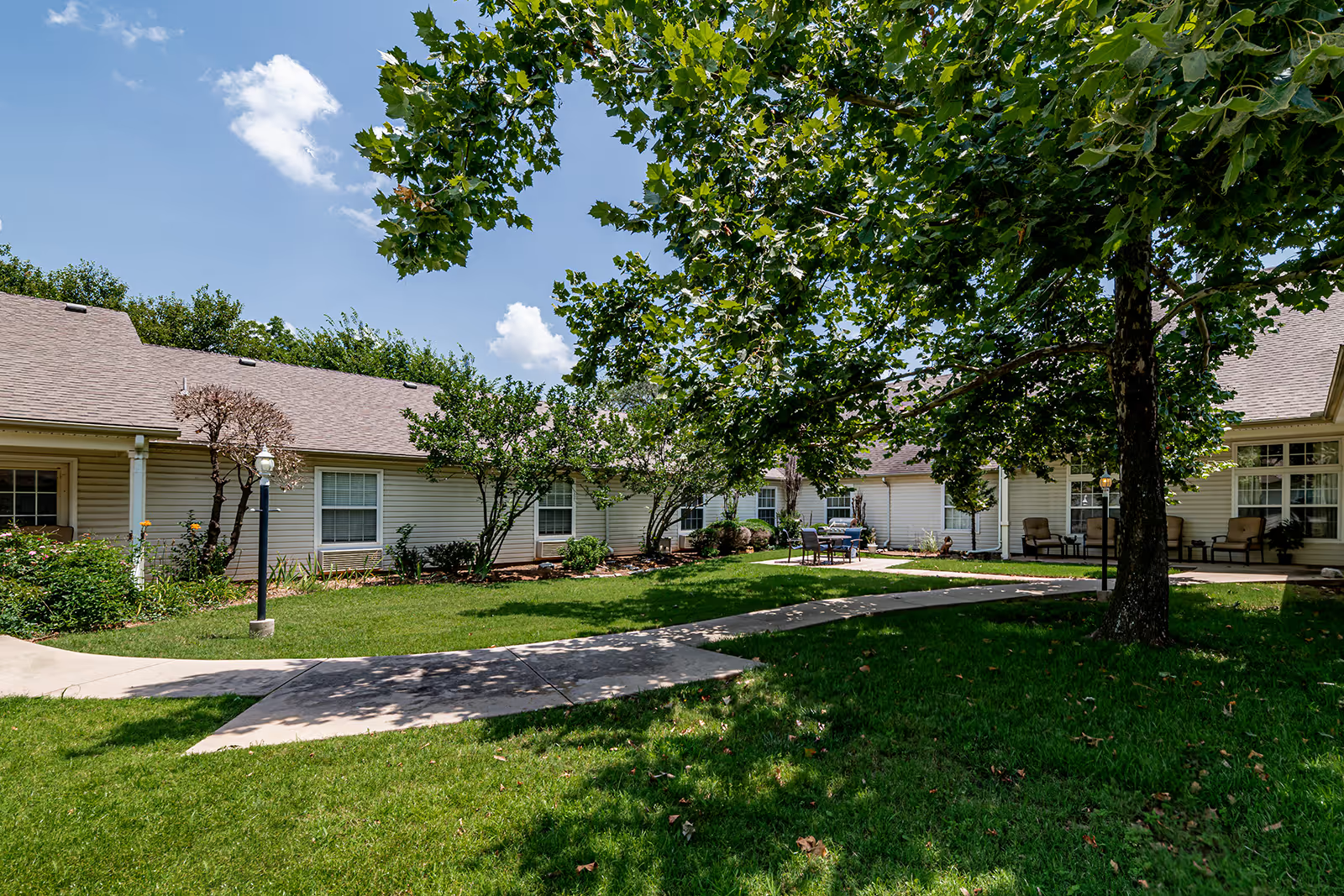
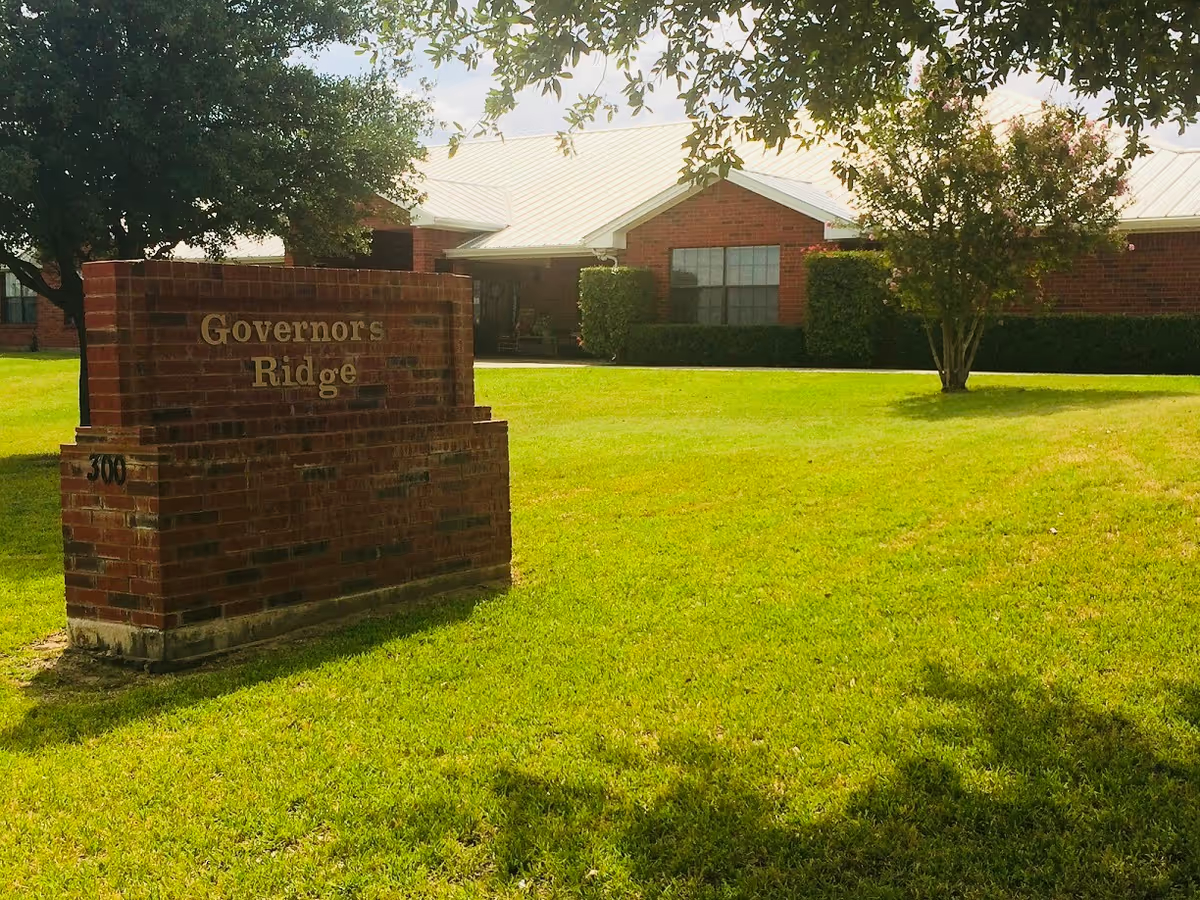
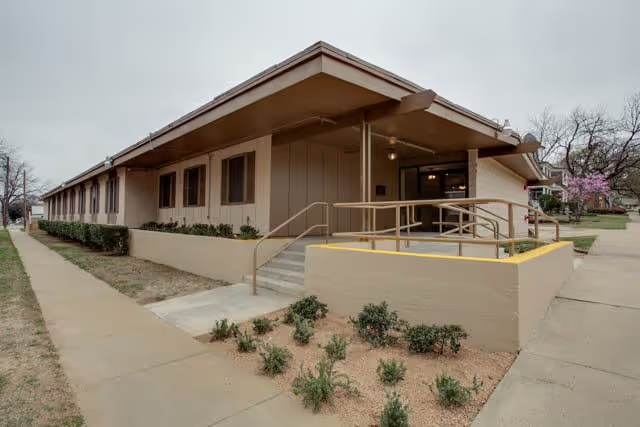
The reviews present a mixed but patternable picture of care at this Midwestern facility. Many families and patients praised frontline staff—nurses, therapists, social workers and dining personnel—for compassionate, personalized care, effective rehabilitation, and strong wound management. The building and common areas are frequently described as clean, recently updated, and decorated in a home-like manner; activity programming and special events are commonly cited as positives that contribute to resident engagement. Several reviewers also noted responsive transportation services and administrative improvements, indicating active leadership and a degree of operational turnaround.
At the same time, a consistent set of operational weaknesses appears across the feedback. Staffing consistency—particularly overnight and evening coverage—was a recurrent concern, with long call-light response times cited repeatedly. These staffing gaps were linked in some accounts to delays in personal-care tasks (including incontinence-care assistance and bathing schedules), missed or dropped meals, and limited activity availability during certain shifts. Relatedly, a number of reviews raised sanitation and odor concerns in particular units or areas, along with occasional reports of pest-control concerns and hall clutter such as unattended equipment.
Clinical and safety processes show a similar split: many reviewers praised clinical teams for skilled therapy and wound care and described successful rehab outcomes, while others reported gaps in clinical assessment and emergency response—examples include delayed recognition of worsening conditions, transfers to higher-acuity care, and family dissatisfaction with the timeliness of interventions. Several comments raised concerns about medication-management practices and medication-administration controls; a few serious individual allegations were made, which merit targeted follow-up by prospective families and regulators.
Communication and staff conduct were likewise variable. Numerous reviews singled out social workers and particular staff members for strong advocacy and clear communication, and some reviewers commended visible leadership engagement. Conversely, other reports described brusque or unresponsive interactions with staff, and inconsistent follow-through on family concerns. Operational issues such as entrance/exit door-access procedures and occasional hall obstructions were also noted and may affect ease of visitation and resident safety.
For prospective residents and families: many reviewers experienced high-quality, attentive care—notably in therapy and wound management—and appreciated the facility’s environment and activities. However, the recurring operational themes suggest it is important to verify current staffing levels (including night coverage), call-response metrics, infection-control and sanitation practices, medication-management protocols, and emergency-response procedures during a visit. Ask to observe meal service, review recent inspection reports and staffing ratios, and request specifics about how leadership addresses night-shift coverage and reported sanitation issues. Doing so will help balance the facility’s demonstrated strengths against the operational risks described in several reviews.