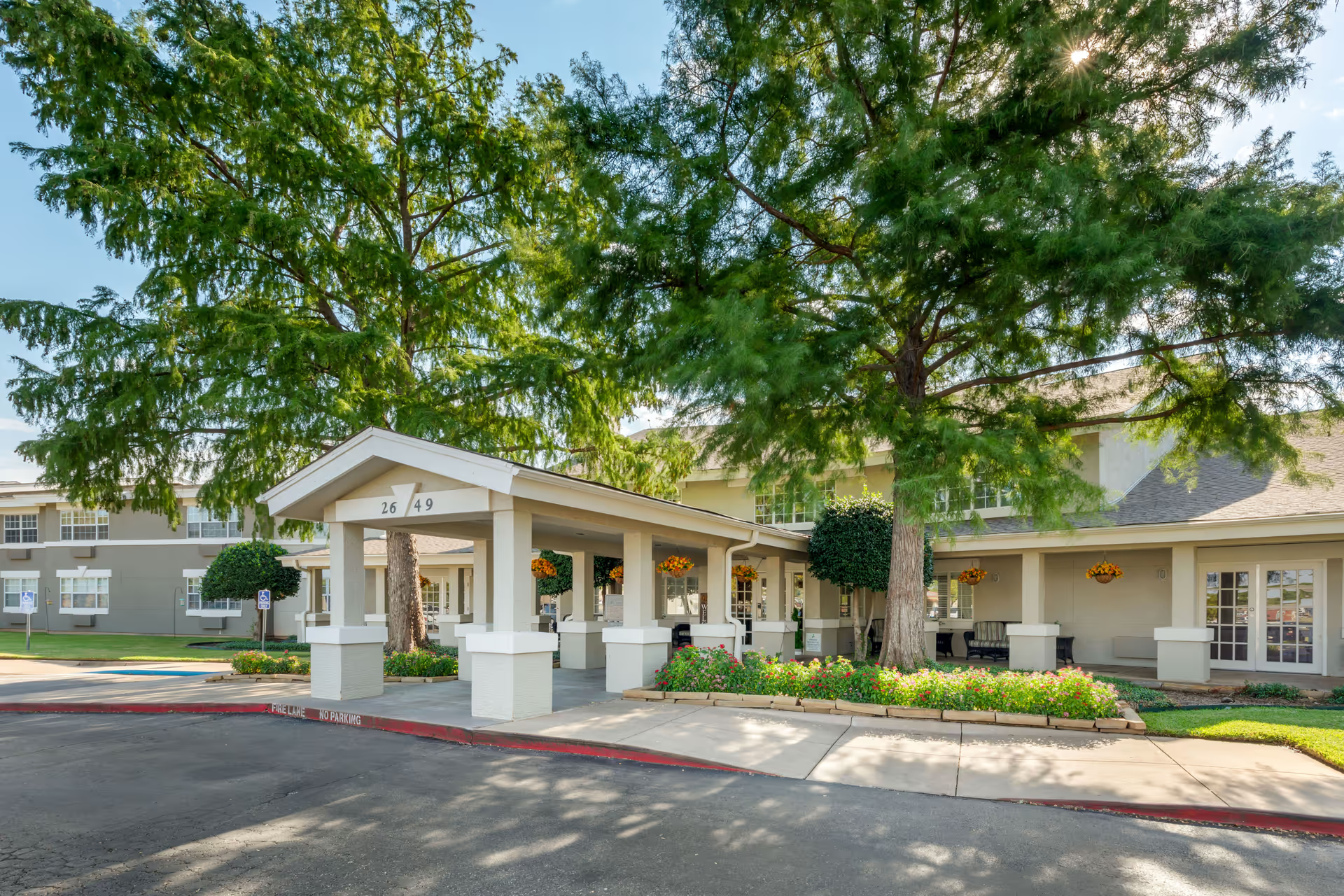
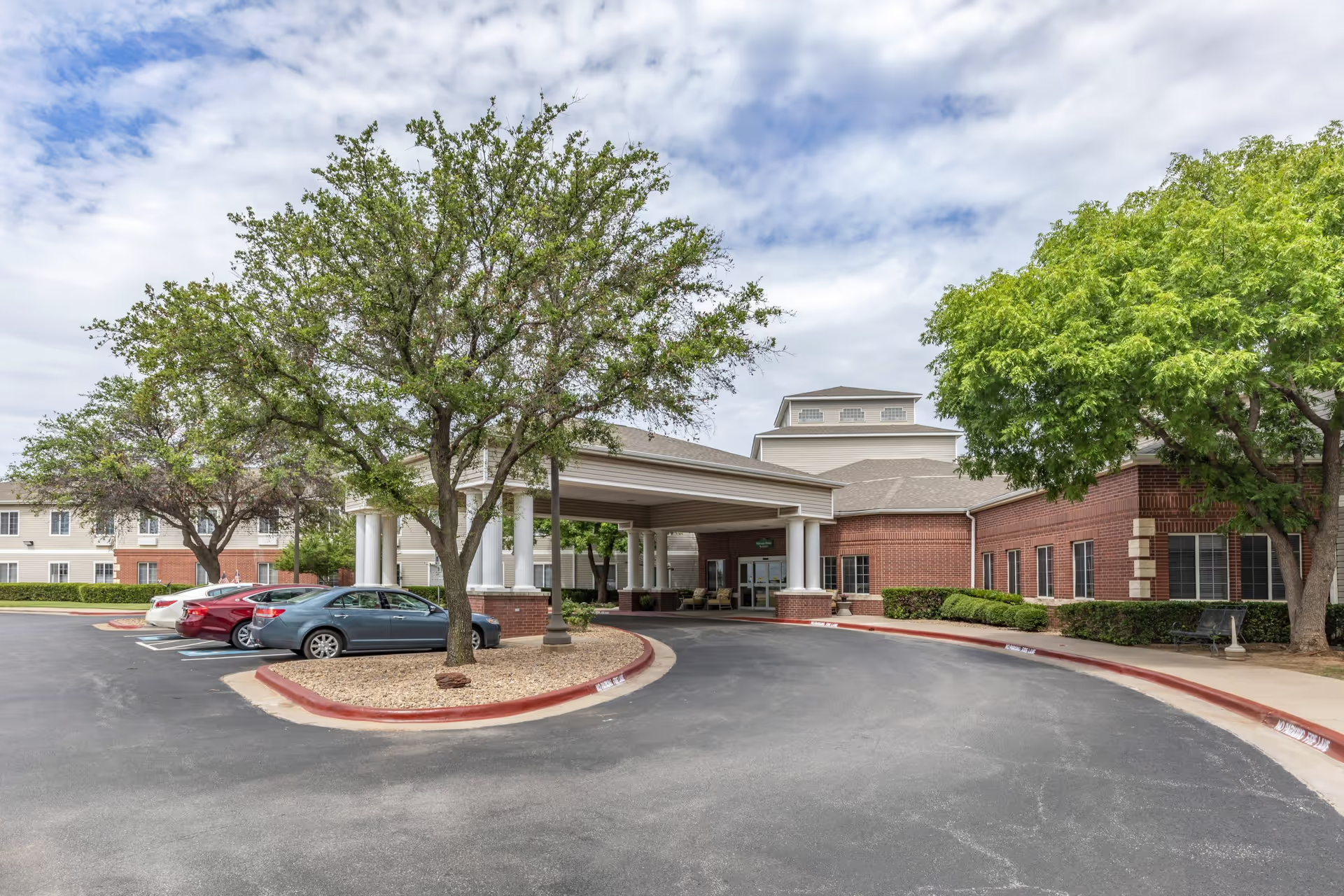
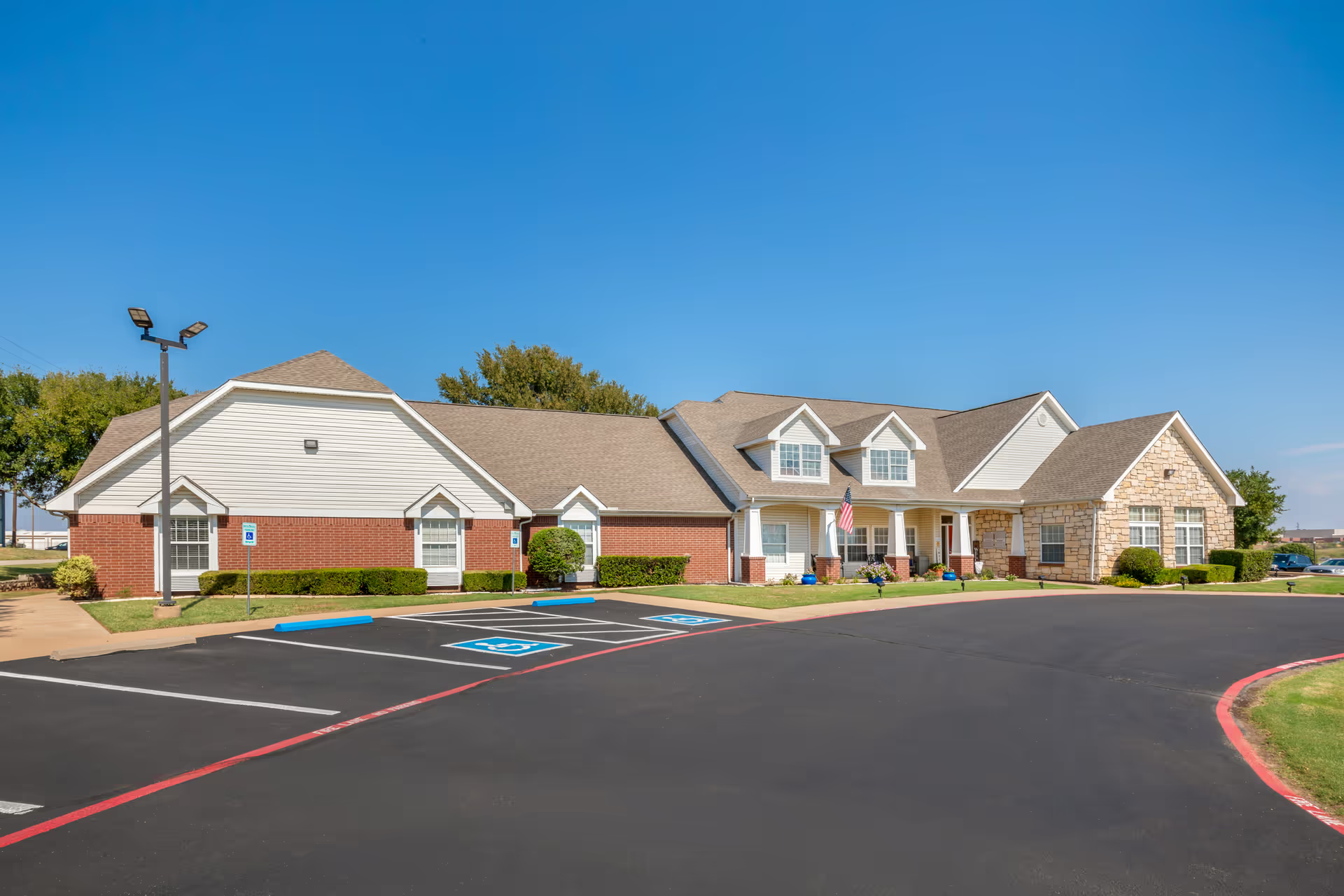
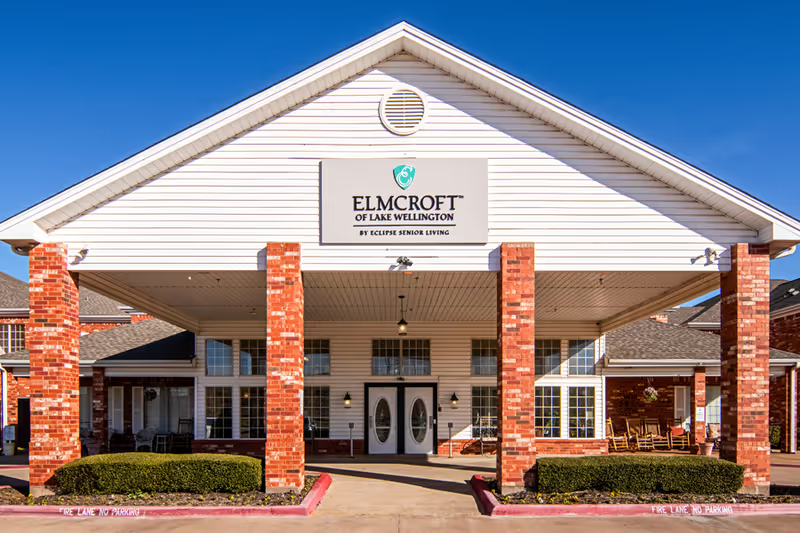
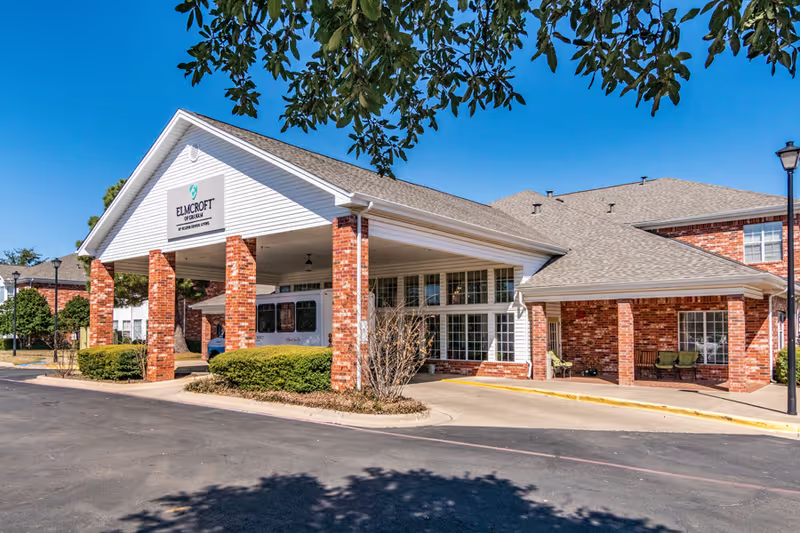
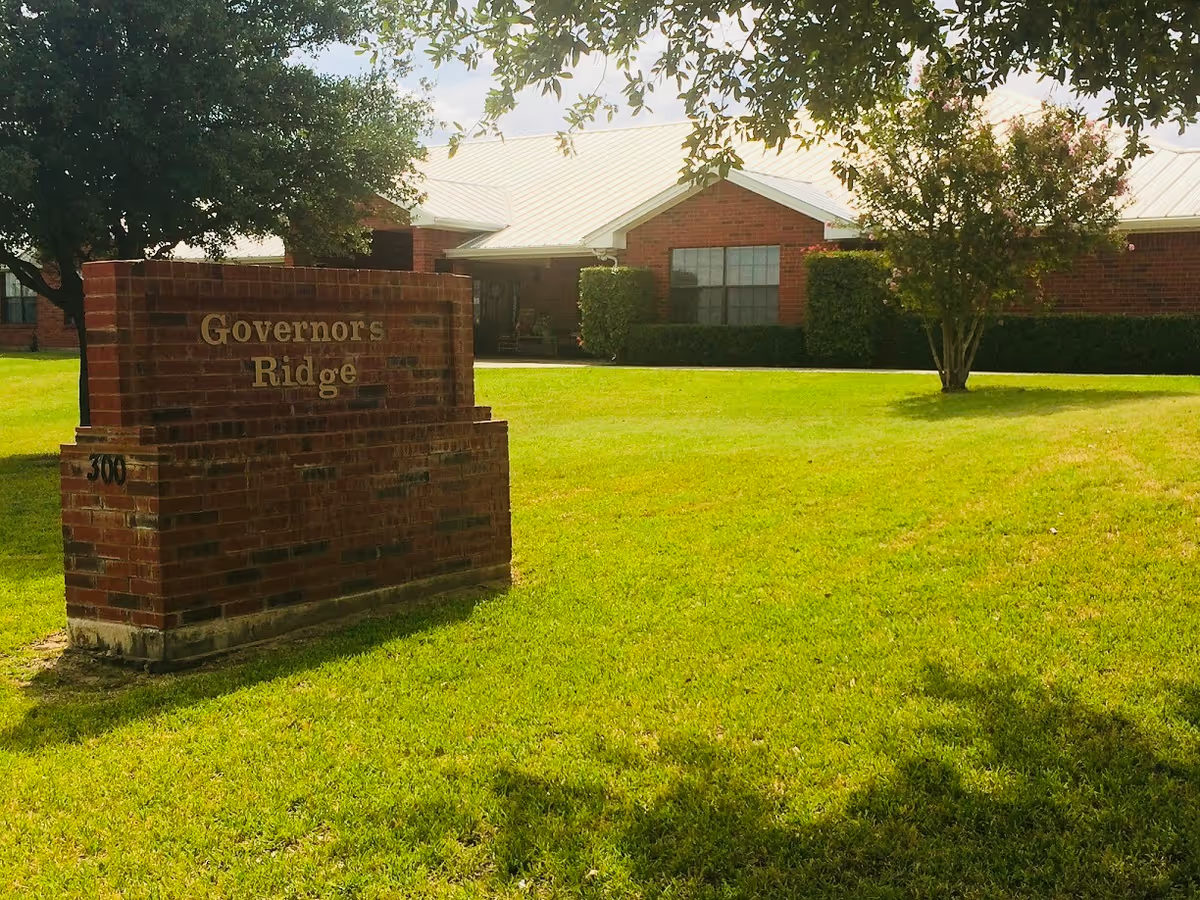
Overall impression: Presbyterian Manor presents as a well-established senior living community with a broadly positive reputation for caregiving, dining, and programming. Review summaries emphasize a clean, well‑maintained campus with a strong maintenance and housekeeping presence, multiple housing formats, and an active social calendar. Many families highlight caring clinical staff, on-site nursing and an affiliated resident physician, and a welcoming, home-like atmosphere.
Care and staff: Strengths cited include compassionate, attentive direct-care teams, a visible healthcare wing with skilled nursing staff, and accommodating maintenance and kitchen personnel. Numerous comments describe warm interactions between residents and staff and praise for healthcare responsiveness. At the same time, administrative interactions are uneven: some reviewers note friendly, helpful front‑desk and tour staff while others describe brusque or unfriendly reception staff. Additionally, one family raised a serious concern about restricted family communication and the manner in which a resident was managed; this is described here as an isolated but significant allegation that prospective families should address directly when evaluating the facility.
Dining and activities: Dining is frequently described as a major strength — high-quality, restaurant-style meals and an elevated dining experience are recurring themes. The community also offers an active activities program (bingo, Bible studies, vespers and varied social options) that supports resident engagement and friendships. A minor point for tours: some prospective residents noted they saw dining spaces but did not receive menu detail during their visit, so asking about sample menus and meal schedules during a tour is advisable.
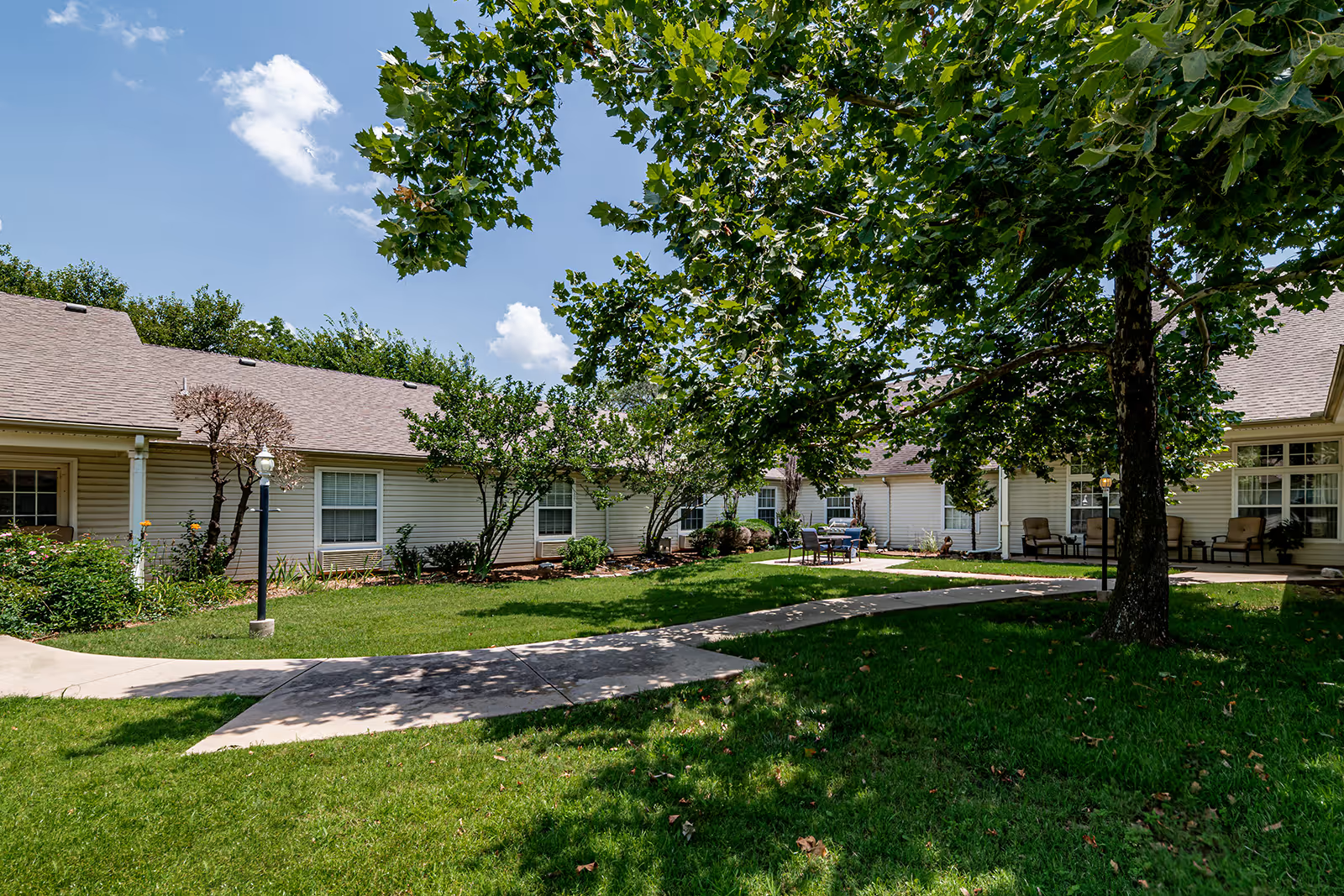
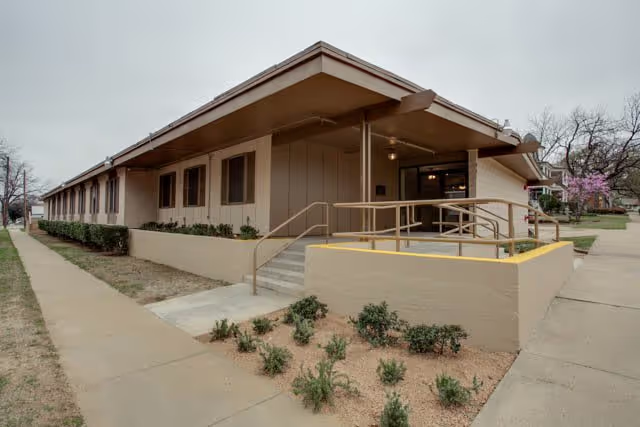
Facilities and amenities: The campus includes recently updated cottages with patios and gardens, pet-friendly options, and communal social spaces such as a café and salon. Cottage units tend to be smaller with modest kitchens and reliance on a shared laundry, which suits some residents but may be a limitation for others. Apartment units and older sections of the facility were described as darker or dated by some visitors, indicating variability in interior condition across building types.
Management, cost, and policies: Reviewers express mixed perceptions of cost and value: some describe pricing as reasonable and competitive, while others consider certain unit types to be higher cost. Operational traits to probe during a visit include in-unit amenities (microwave and kitchen equipment), laundry arrangements, pet policies, and the facility’s communication practices with families. Given the contrast in reports about administrative demeanor and the serious family concern noted above, prospective families should ask about staff training, grievance procedures, visitation and communication policies, and how the community handles resident autonomy and family access.
Notable patterns and recommendation: The dominant pattern is positive — strong clinical presence, excellent dining, active programming, and a clean, well-run environment. Counterbalancing that are recurring operational issues: inconsistent administrative interactions, variability in unit condition, and limitations in some cottage amenities. Prospective residents or family members would benefit from touring multiple unit types, reviewing menus and sample daily schedules, confirming in-unit amenities and laundry arrangements, and discussing communication protocols and clinical escalation procedures with leadership before making a placement decision.