The reviews present a mixed but clarifying picture of University Park Nursing & Rehabilitation. Many families and short‑term rehab patients describe attentive bedside care, effective clinical management for wounds and tube feeding, and compassionate end‑of‑life support. Several reviewers praised admissions staff and specific administrative leaders for facilitating placements, and multiple comments describe an active activities program, improved decor, and a generally homelike atmosphere in parts of the facility.
Care quality appears to be inconsistent across stays and units. Positive accounts emphasize hands‑on nursing, timely medication and wound management, and successful short‑term rehabilitation. At the same time, other accounts raise concerns about delays responding to call bells, inconsistent clinical oversight (including follow‑through on therapy plans and physician contact), and lapses in pressure‑ulcer prevention and incontinence care. These divergent experiences suggest variability in day‑to‑day clinical practice and staffing levels.
Staff and culture are likewise described in mixed terms. Numerous reviewers highlight courteous, caring CNAs, nurses, and activity staff who improve residents' quality of life. However, other reports describe problematic staff conduct, negative communication tone from specific administrative or social‑work personnel, and coverage gaps tied to staff breaks and night shifts. Workplace culture issues and inconsistent professionalism appear to affect resident experience in some units.
Dining and activities are polarizing. Several reviewers enjoyed good meals, meal variety, and social events (ice‑cream parties, live music, dancing). Conversely, some families reported poor meal quality, long waits for food, and limited activity engagement for certain residents. Overall, the facility seems to offer an active program in some areas but with uneven delivery across the population.
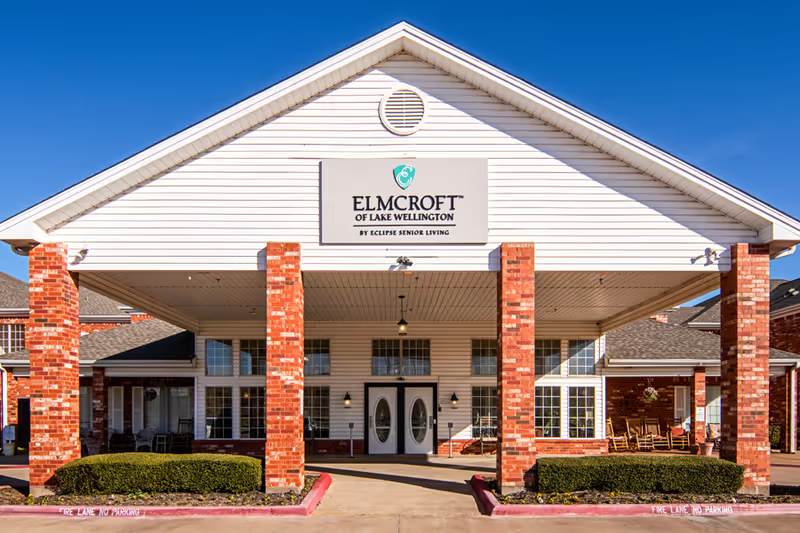
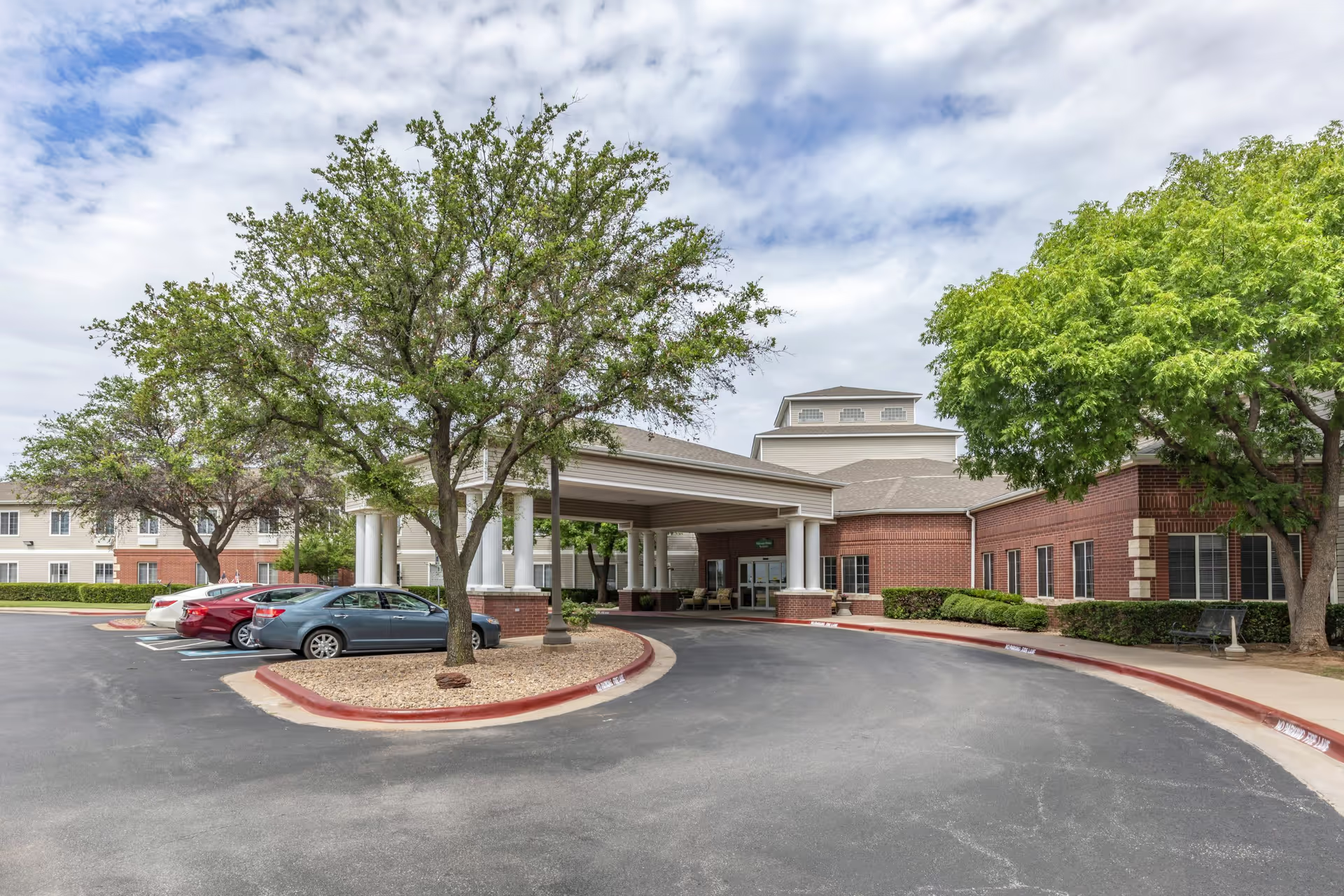
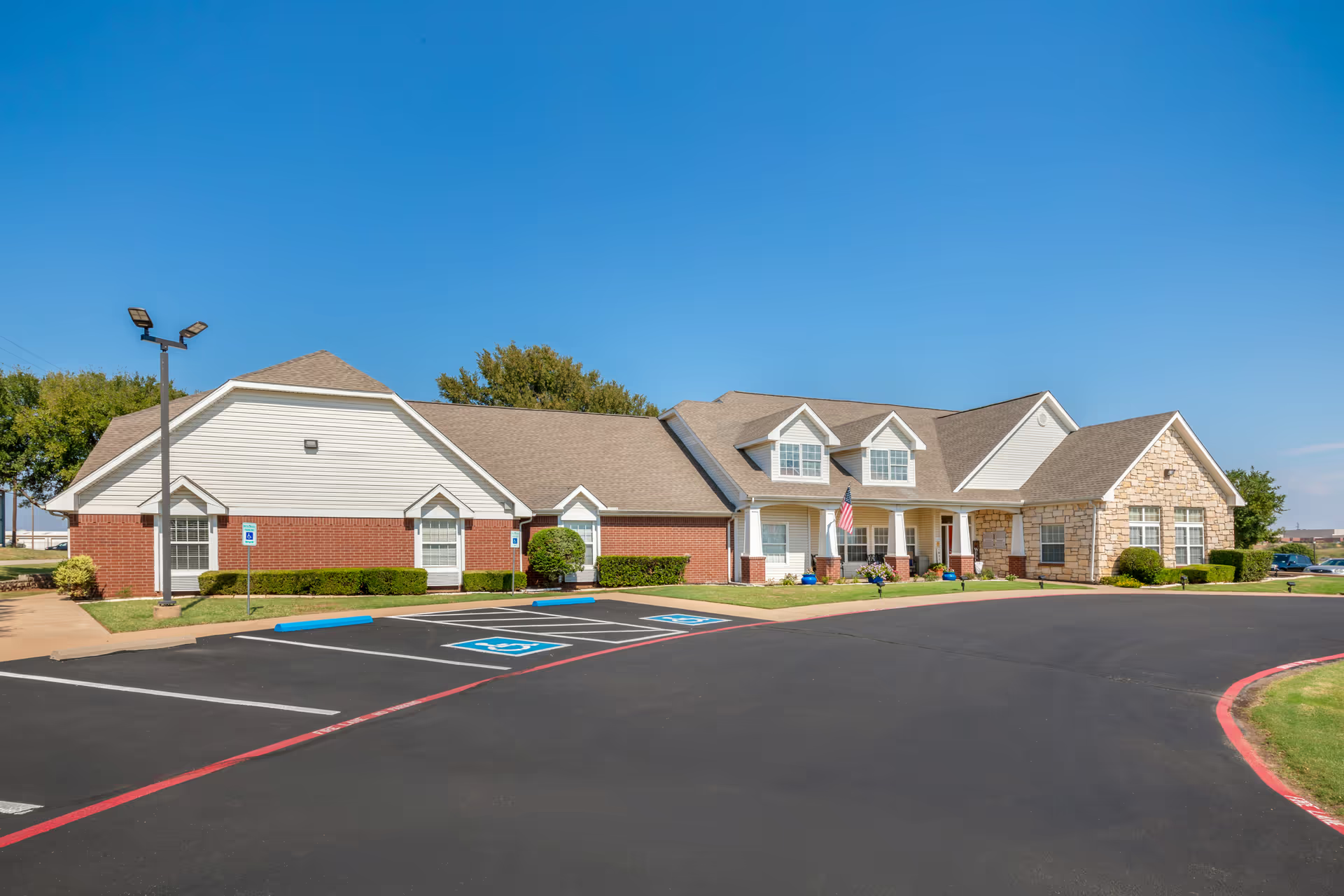
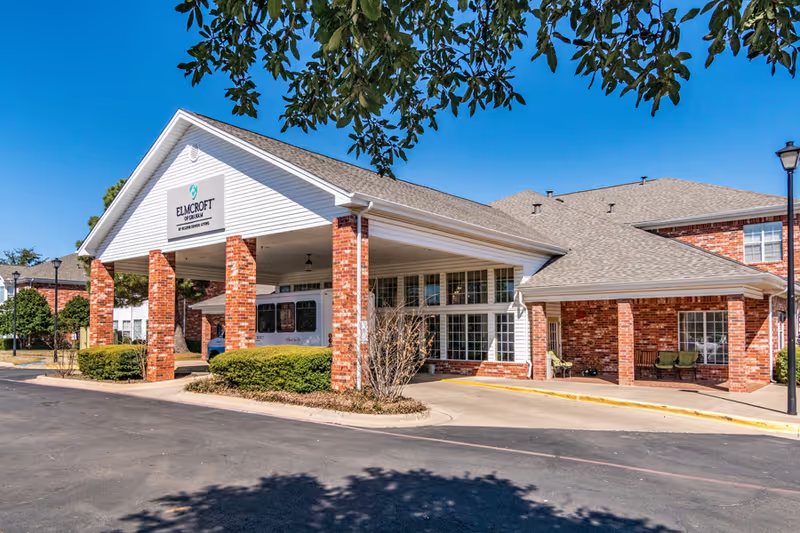
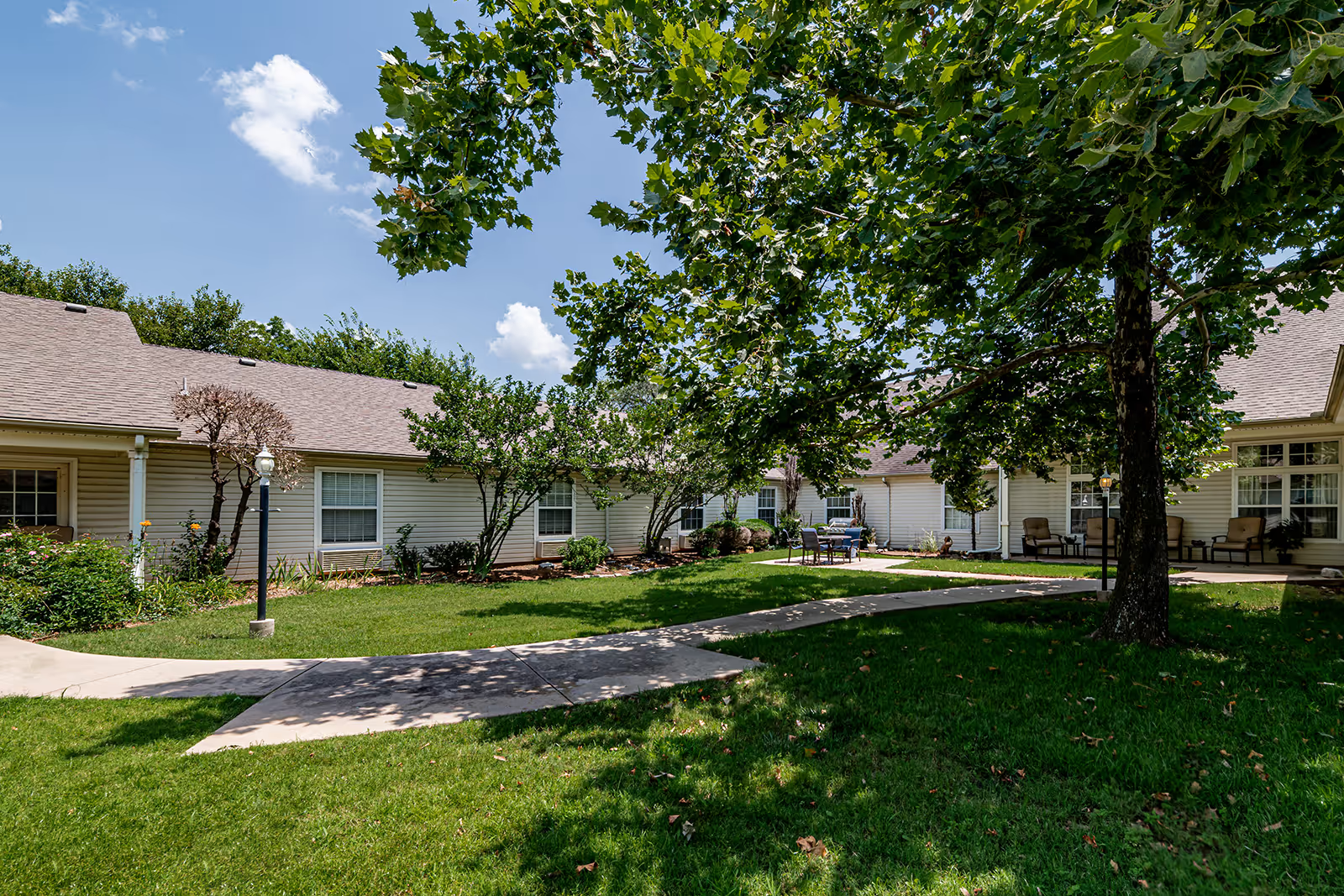
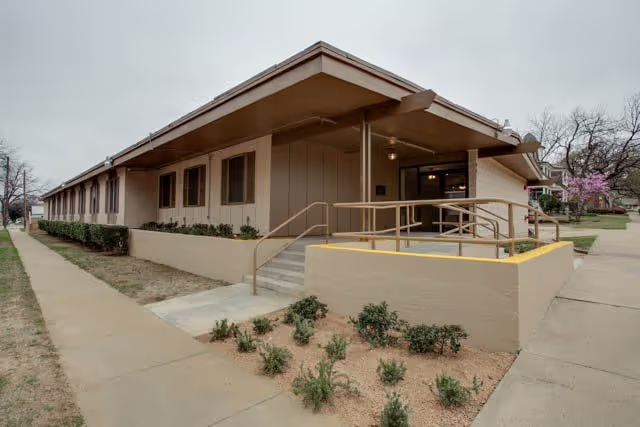
Facility condition and safety show both strengths and weaknesses. The building is frequently described as older but generally well cared for, with updates and improved decor under recent management. At the same time, reviewers raised sanitation and odor concerns in particular areas, environmental safety and maintenance hazards, small room sizes, noise management problems (roommate TV noise), and inconsistent housekeeping. There are also notable mentions of missing personal items and other security concerns; such allegations have prompted some families to request external investigation.
Management and operations have evidence of recent improvement alongside persistent operational gaps. Several comments credit new leadership and specific staff members with tangible improvements in appearance and care processes. Simultaneously, recurring issues include inconsistent communication with families, unreliable phone access, unclear personal‑property controls, and perceptions that administrative priorities are sometimes financially driven rather than care‑focused.
Notable patterns: experiences are highly variable — some residents and families report excellent care and meaningful quality‑of‑life enhancements, while others describe service and safety shortfalls that merit attention. Prospective residents and families should arrange an in‑person tour, observe staff–resident interactions, and ask specific questions about staffing ratios, call‑bell response times, infection‑control protocols, property‑loss policies, activities schedules, and how the facility manages transitional care plans. Doing so will help clarify whether the facility’s strengths align with an individual’s needs and identify any operational areas requiring assurance or remediation.