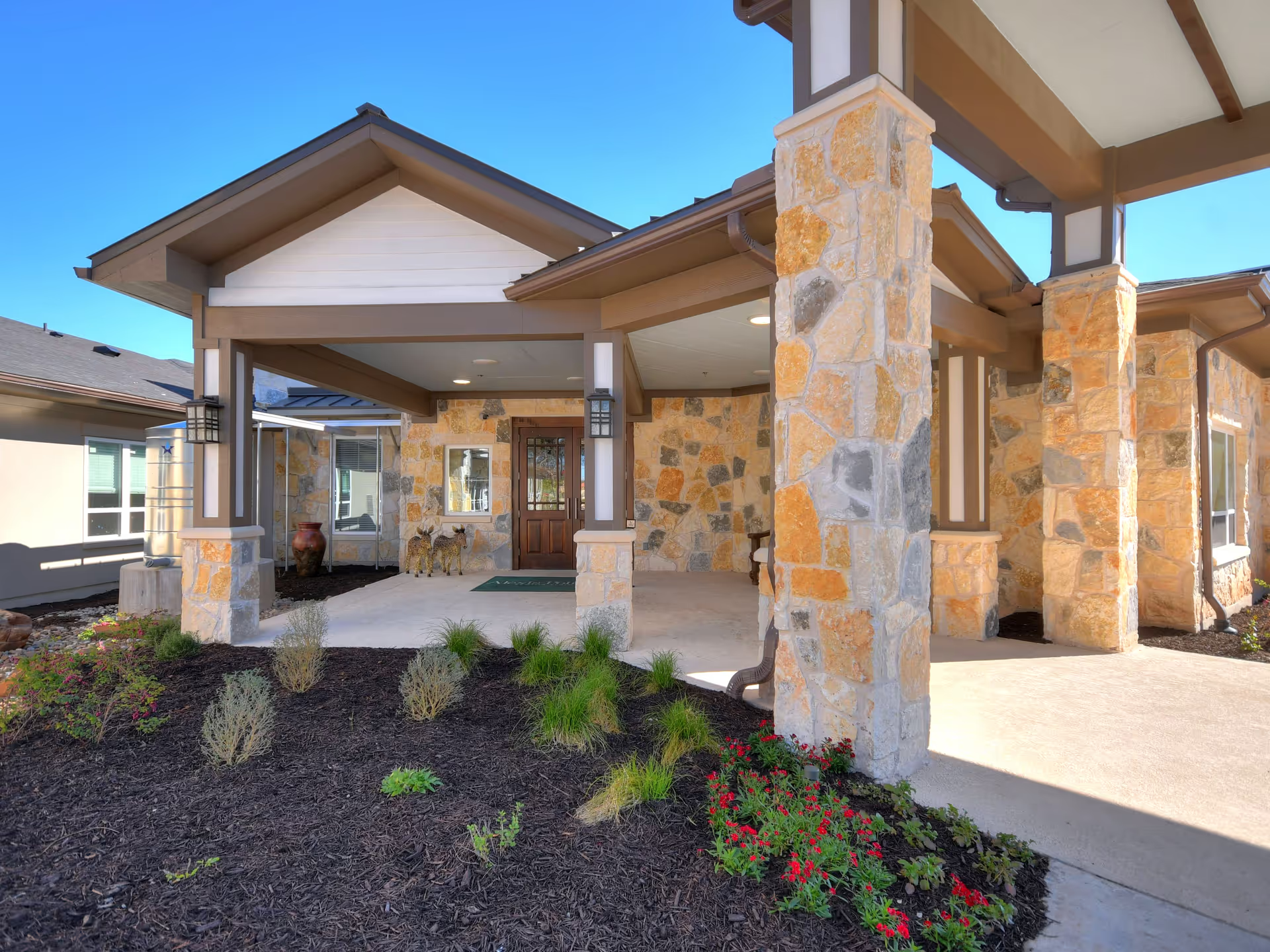
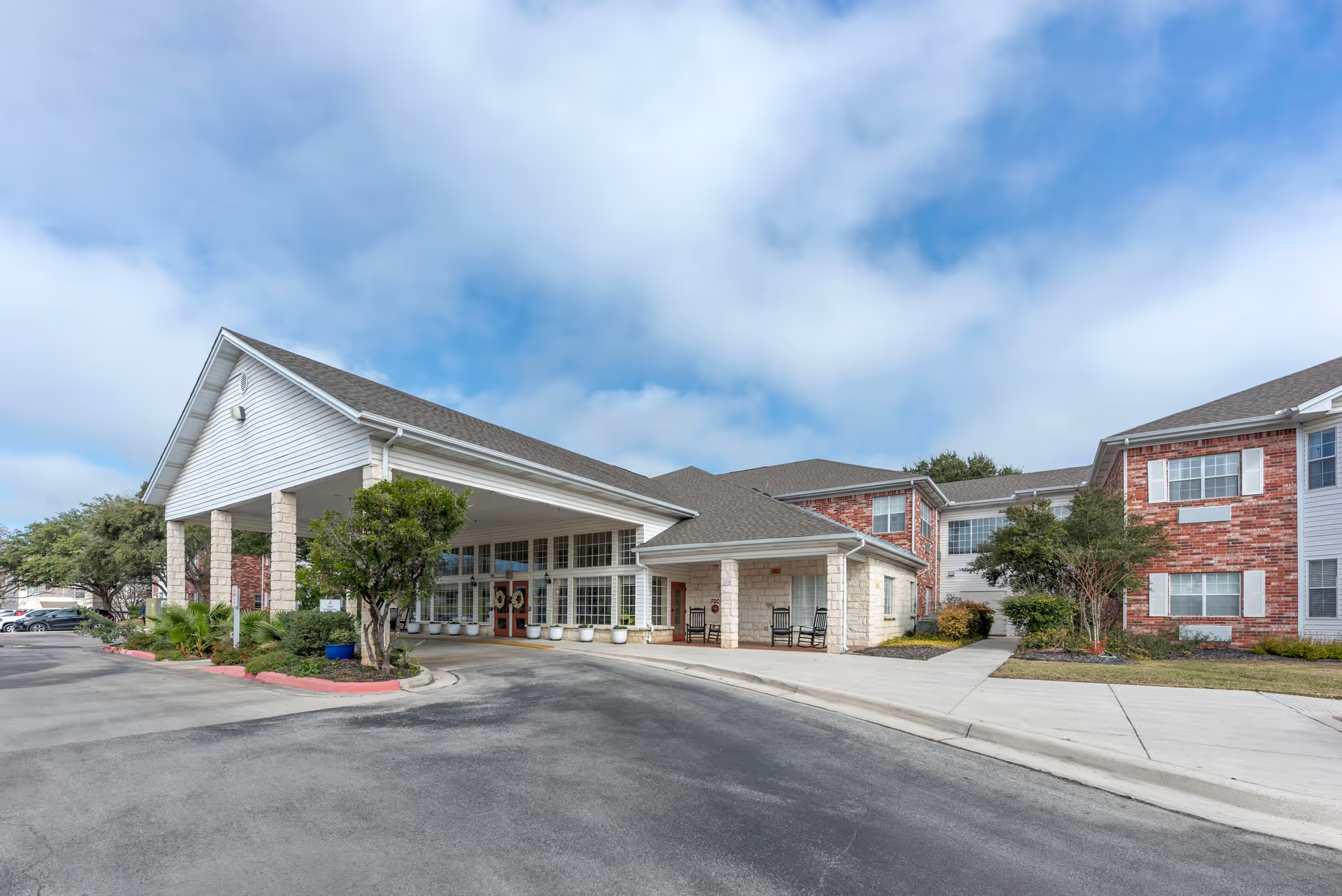
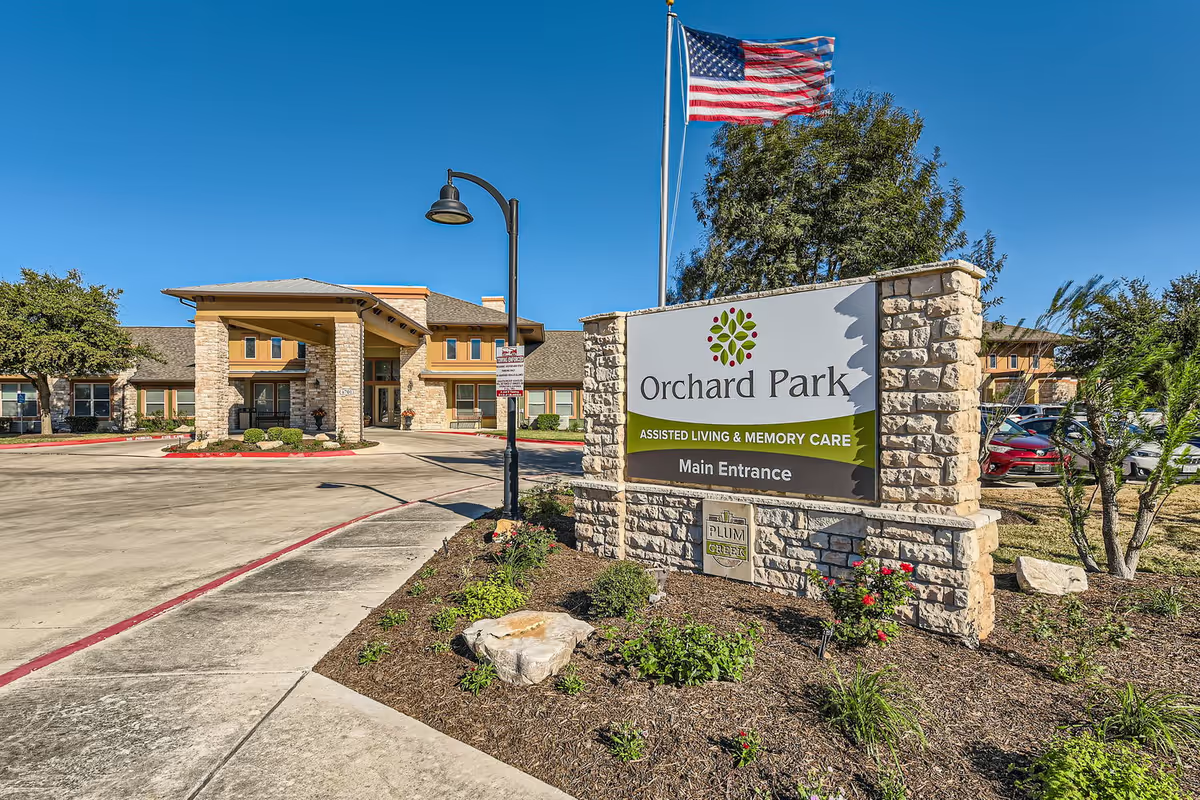
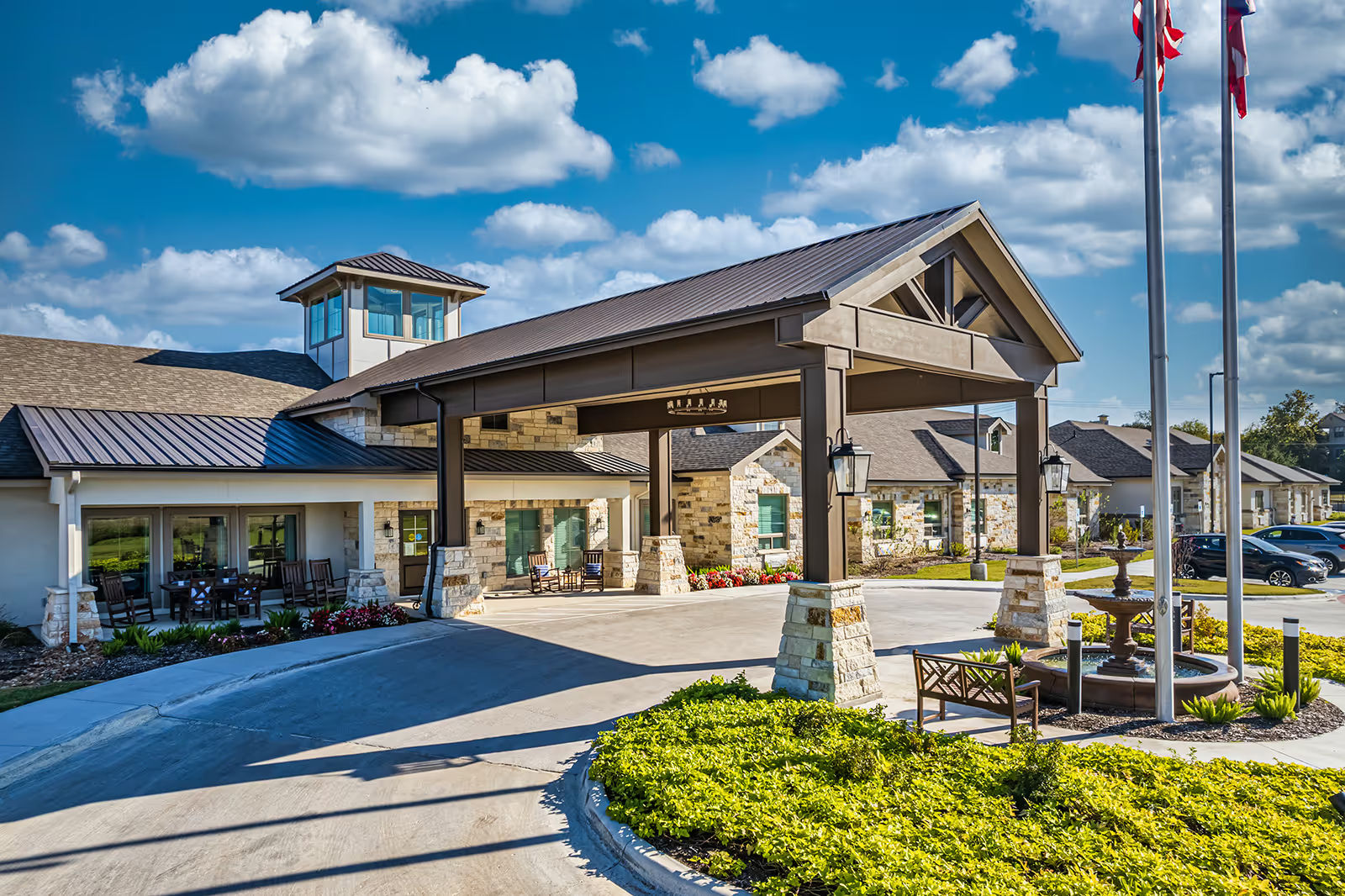
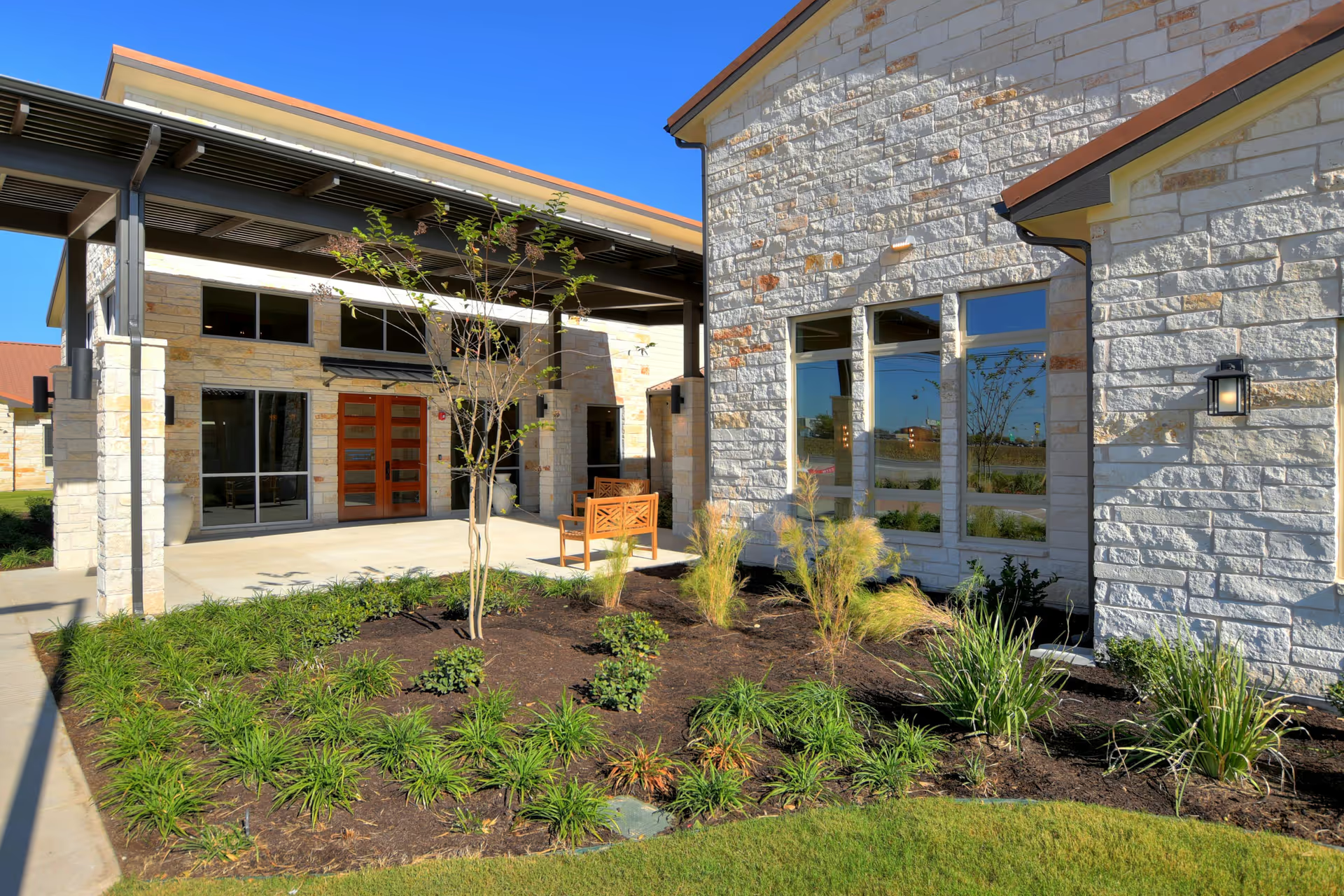
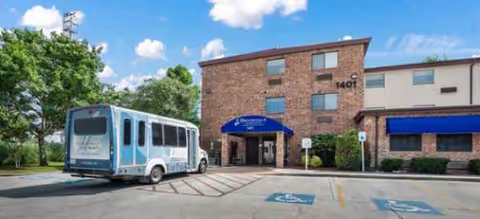
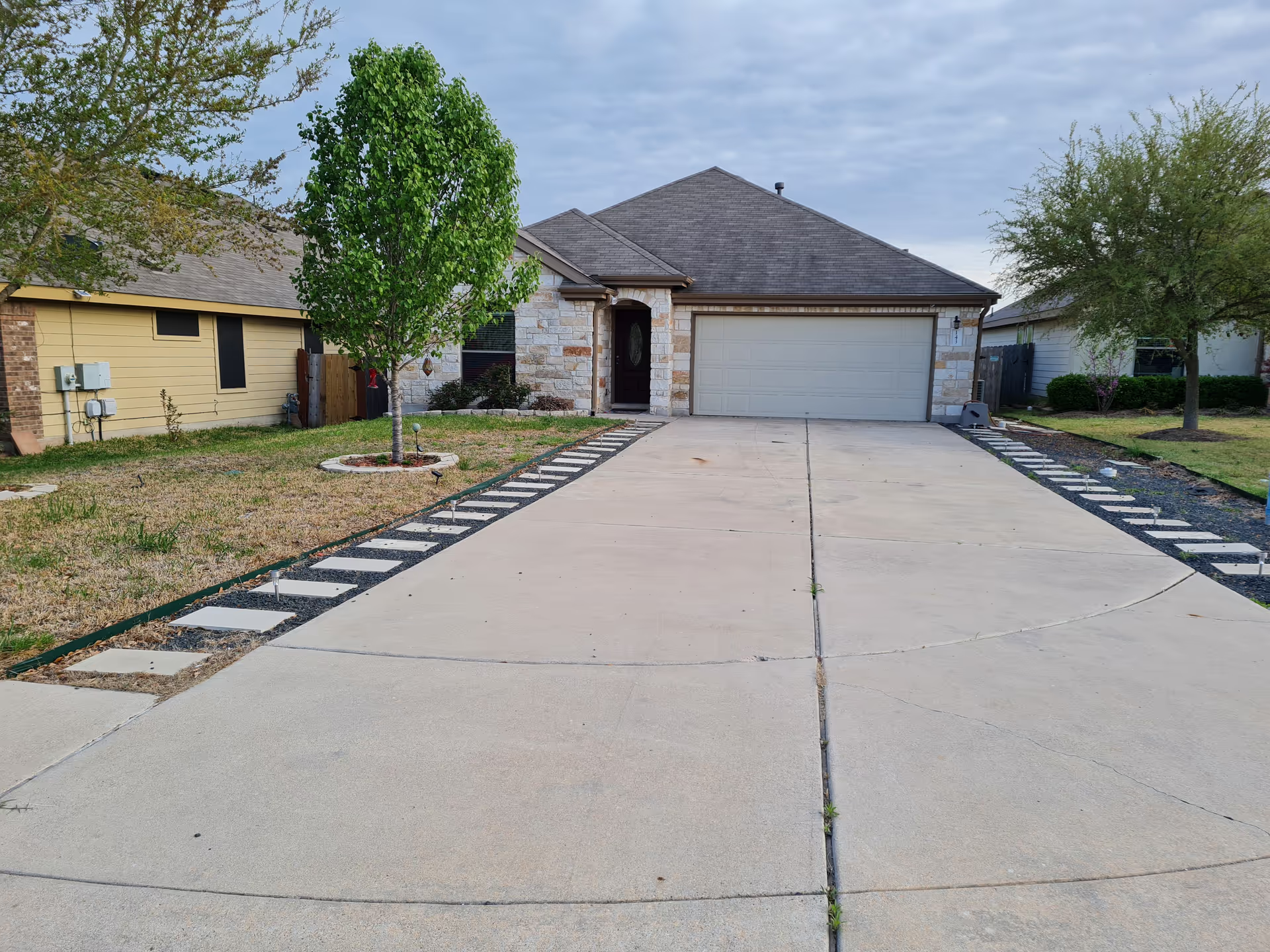
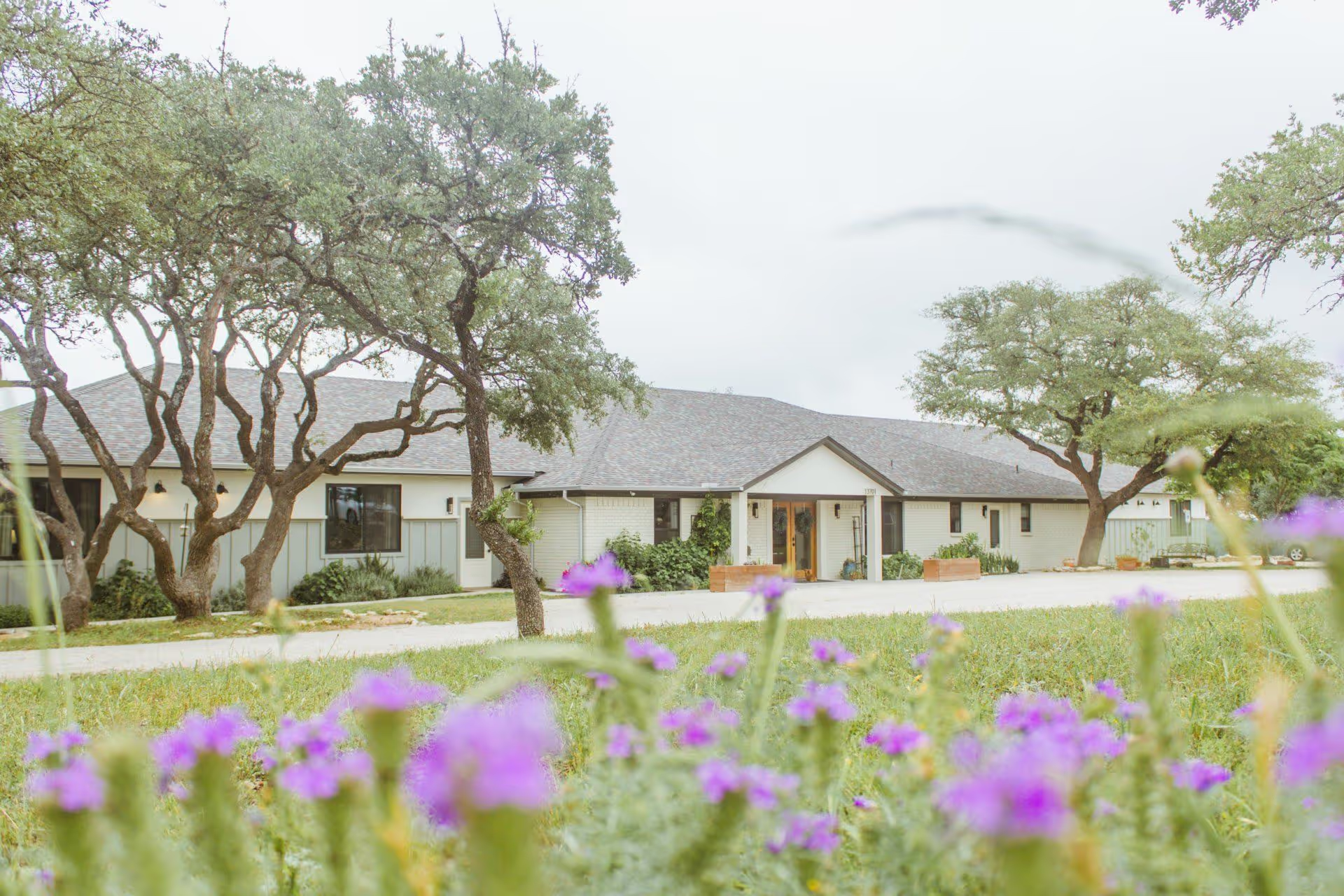
The reviews reflect a facility with clear strengths alongside recurring operational weaknesses. Strengths center on the direct-care and therapy teams: many families and residents describe compassionate, attentive aides and nurses, a robust rehabilitation/therapy program, and activity programming that fosters social engagement (yoga, bingo, crafts, concerts, garden club, and family nights). The physical environment receives positive remarks as well — warm, home-like décor, seasonal decorations, clean and odor-free common areas, and active family- and pet-friendly events contribute to a community feel.
Clinical care is uneven. While some reviewers praise prompt, courteous nursing and effective therapy that produced measurable recovery, others describe problems with medication administration, documentation, and inconsistent implementation of physician orders. Several accounts indicate delays in responding to resident needs, difficulty reaching staff by phone, and breakdowns in family notification and consent processes. These issues point to vulnerabilities in clinical oversight, communication workflows, and continuity of care.
Safety and basic-care practices are a notable concern. Reviews raise questions about transfer and fall-prevention processes and highlight sanitation and incontinence-care lapses and inconsistent bathing and cleaning schedules. Staffing shortages and variability in staff skill and conduct are recurring themes: families describe a mix of highly dedicated caregivers and others whose conduct or responsiveness is poor. That variability appears to affect outcomes, from daily comfort and dignity to more serious clinical events.
Dining and therapy results are mixed. Activity programming and the activity director receive consistent praise and are a clear asset to resident quality of life. Food comments vary from appreciation for creative meals to criticism about undercooked or inedible items and lack of meal assistance during staffing gaps. Rehab outcomes also vary: some residents experience substantial gains and praise the therapy team, while others describe limited progress or problematic discharge coordination.
Management and administrative issues are divisive. Several reviewers note meaningful improvement under new ownership and commend specific administrators for visible leadership and staff appreciation. At the same time, there are repeated concerns about management responsiveness, front-desk communication, and accountability for clinical and quality gaps. A small number of serious allegations — including concerns raised after adverse outcomes — suggest a need for careful regulatory and legal follow-up where appropriate.
Practical takeaway: prospective residents and families will find many positive elements at this facility — strong therapy services, lively activities, and a warm communal environment — but should actively verify current performance on clinical oversight, medication management, staffing consistency, and family-communication protocols. During a tour or admission process, recommended checks include reviewing care-plan communication practices, staffing levels on the unit, medication-administration safeguards, fall-prevention procedures, and how the facility handles meal assistance and sanitation-related concerns. These targeted questions can help families weigh the facility’s community strengths against its operational risks.