Overall impression: Reviews present a mixed but identifiable pattern. Many families and some staff describe a warm, social community with devoted direct-care workers and an active calendar of programs and outings. At the same time, recurring operational weaknesses—most notably inconsistent staffing, episodic clinical-management concerns, and occasional facility-maintenance gaps—create variability in resident experience. Prospective families will see both strong interpersonal strengths and tangible operational risks when evaluating the community.
Care quality and clinical oversight: Numerous accounts praise attentive caregiving and helpful health-services staff, and some families credit leadership with good clinical oversight and effective infection-control practices. However, there are recurrent concerns about medication management, pharmacy coordination, and gaps in clinical documentation. Reviewers also describe missed or delayed assistance with meals and personal care at times, and episodic delays in recognizing or responding to clinical changes. There are isolated but serious allegations of staff misconduct and medication errors; these appear to be exceptions rather than the norm but merit thorough inquiry. Ask about nursing coverage, medication-administration policies, incident-response protocols, and weekend/night clinical oversight during a tour.
Staffing, training and communication: Staff are frequently described as caring, personable, and welcoming; activity and dining staff often receive praise. At the same time, reviewers repeatedly cite understaffing (especially evenings and nights), high staff turnover, and inconsistent handoffs between shifts. These operational traits contribute to variability in care continuity, responsiveness, and the quality of assistance from CNAs. Memory-care training quality is mixed: some families note meaningful engagement and improvements under new leadership, while others cite the need for stronger dementia-specific training. Prospective families should inquire about staff tenure, turnover rates, orientation and ongoing training programs, and how shift-to-shift communication is documented.
Dining and activities: The community features an active activities program—exercise classes, religious services, arts and crafts, bus outings, and special events—that many residents and families value. Activity staff receive frequent positive mention for enthusiasm and outreach. Conversely, reviewers report inconsistent adherence to posted calendars and occasional exclusion of residents from planned events. Dining impressions are also mixed: many praise portion size and some menu items, while others describe repetitive menus or uneven food quality. There are several comments about missed meals tied to staffing or escort needs. Confirm sample menus, dining schedules, escort policies, and how the community handles missed or late meals.
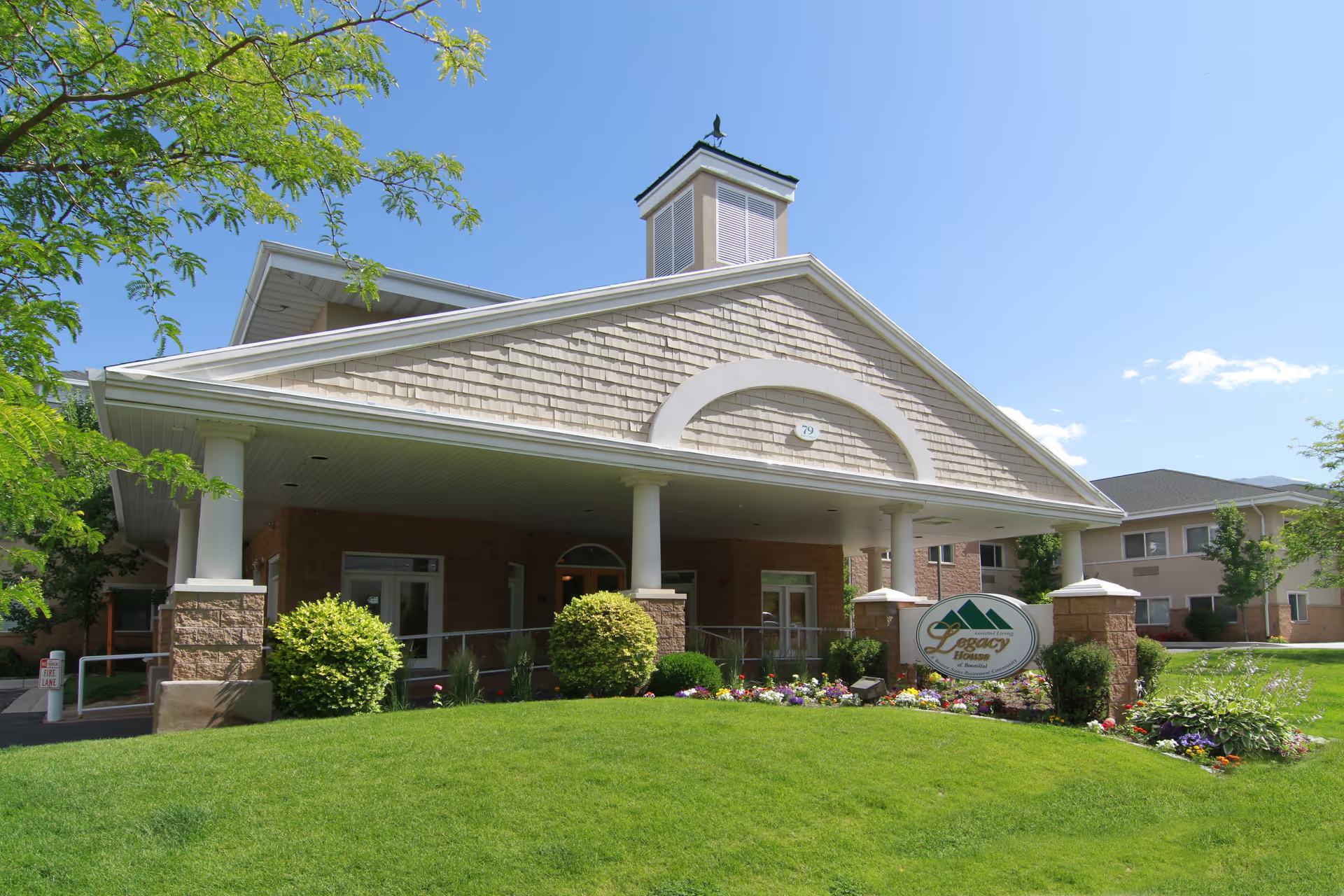
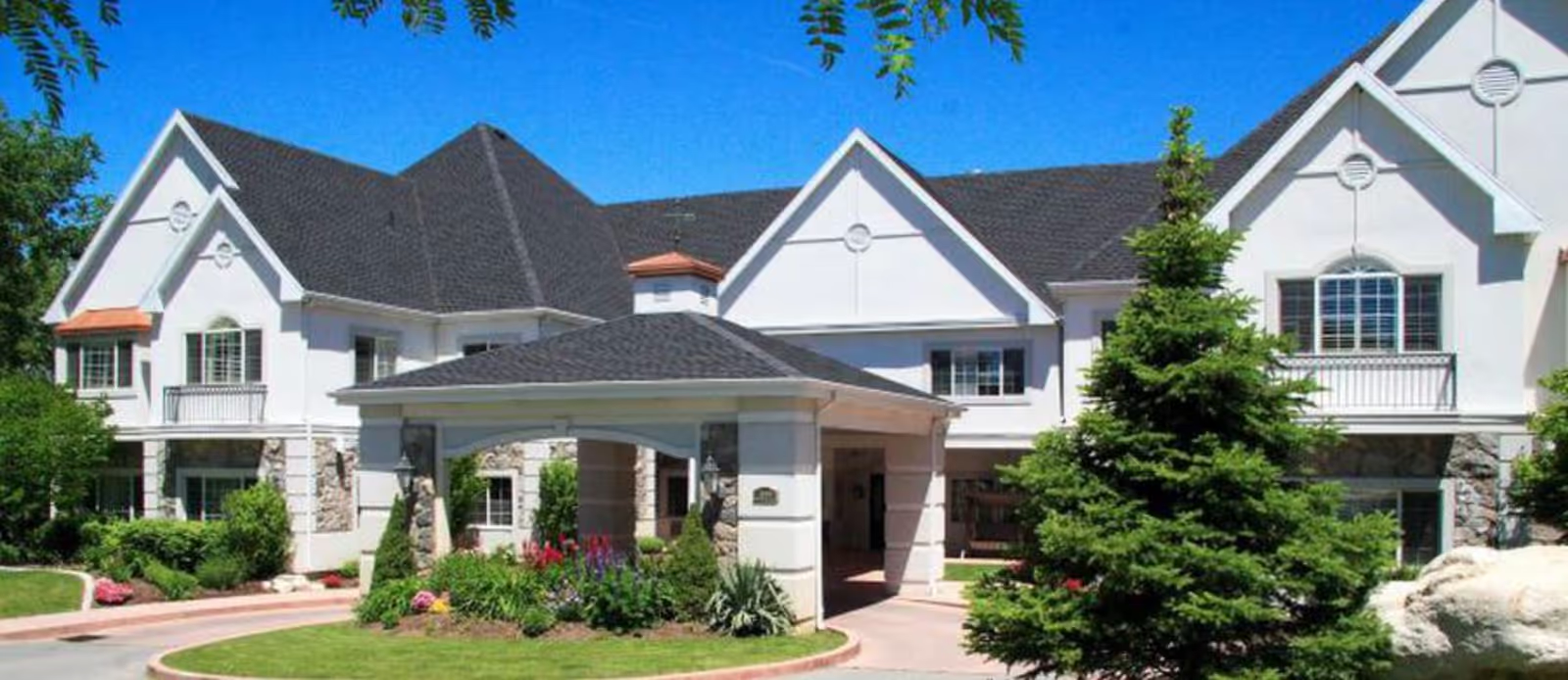
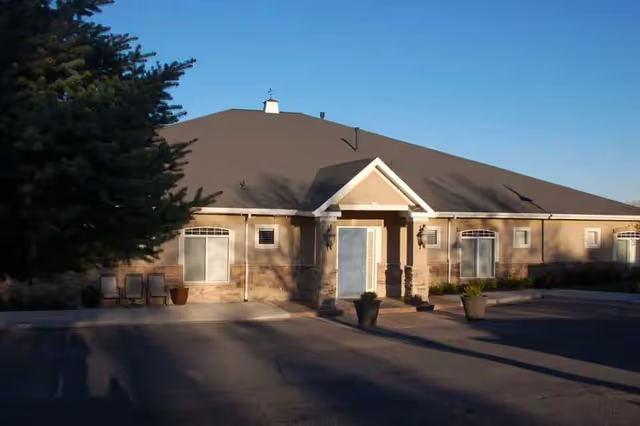
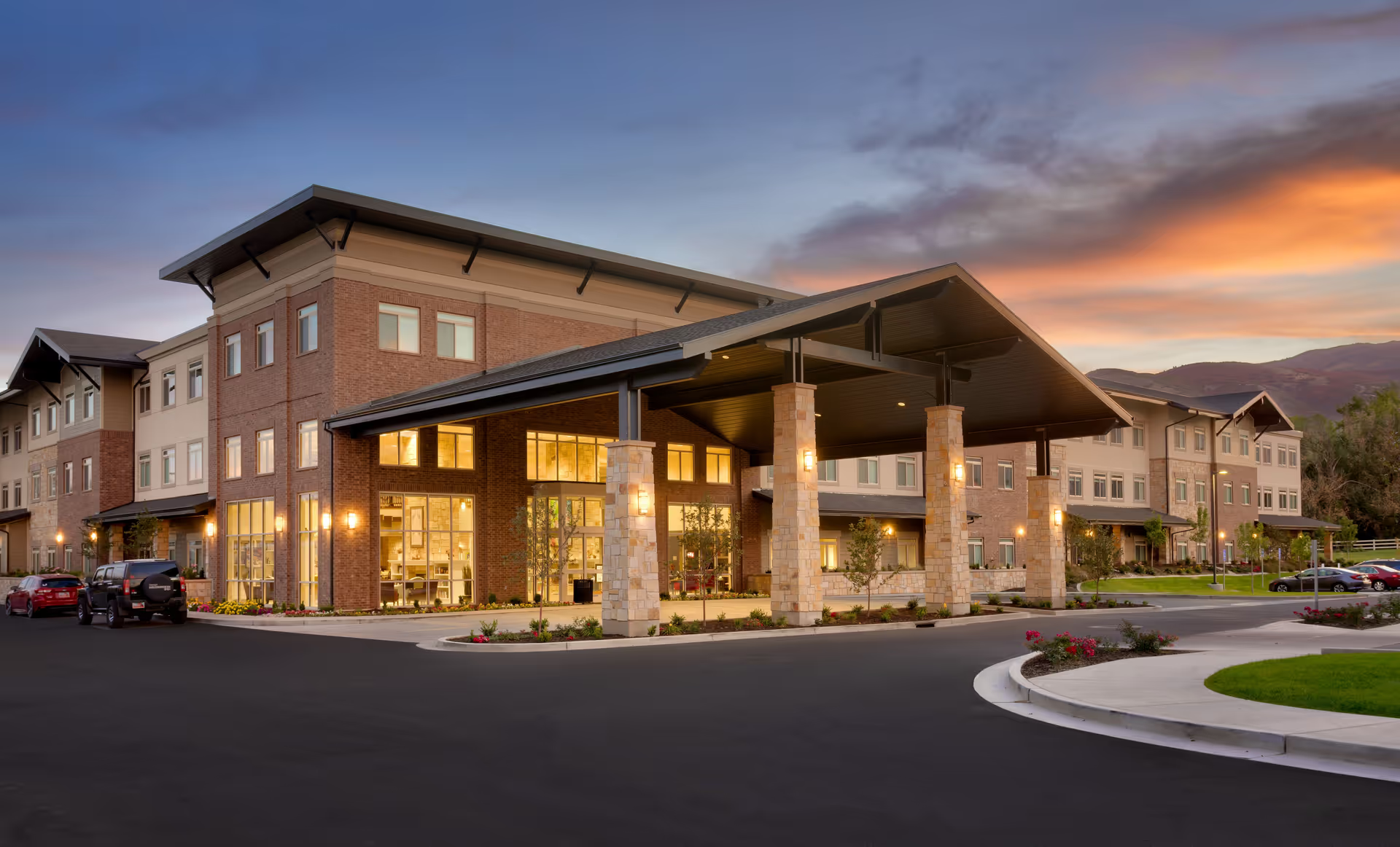
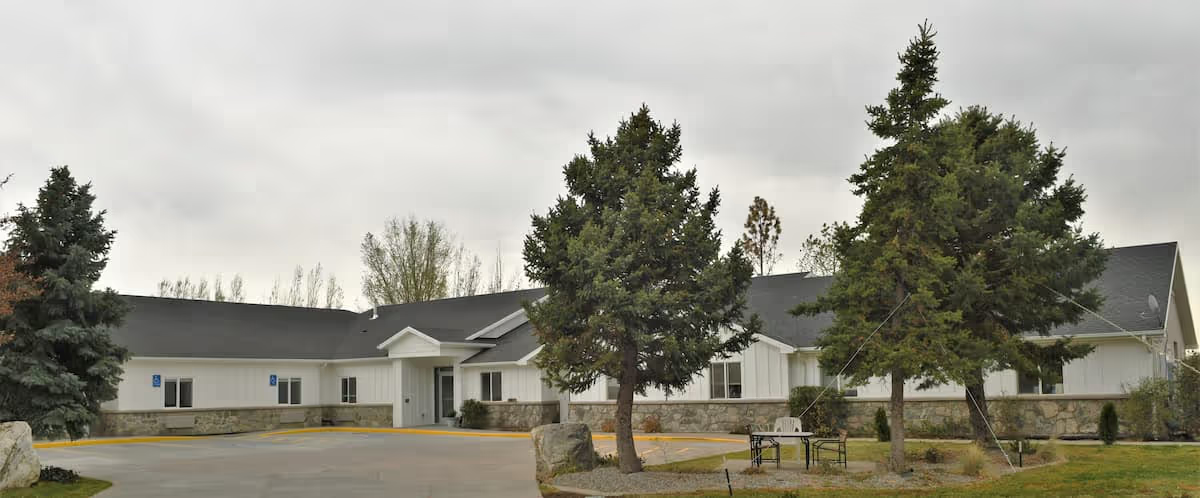
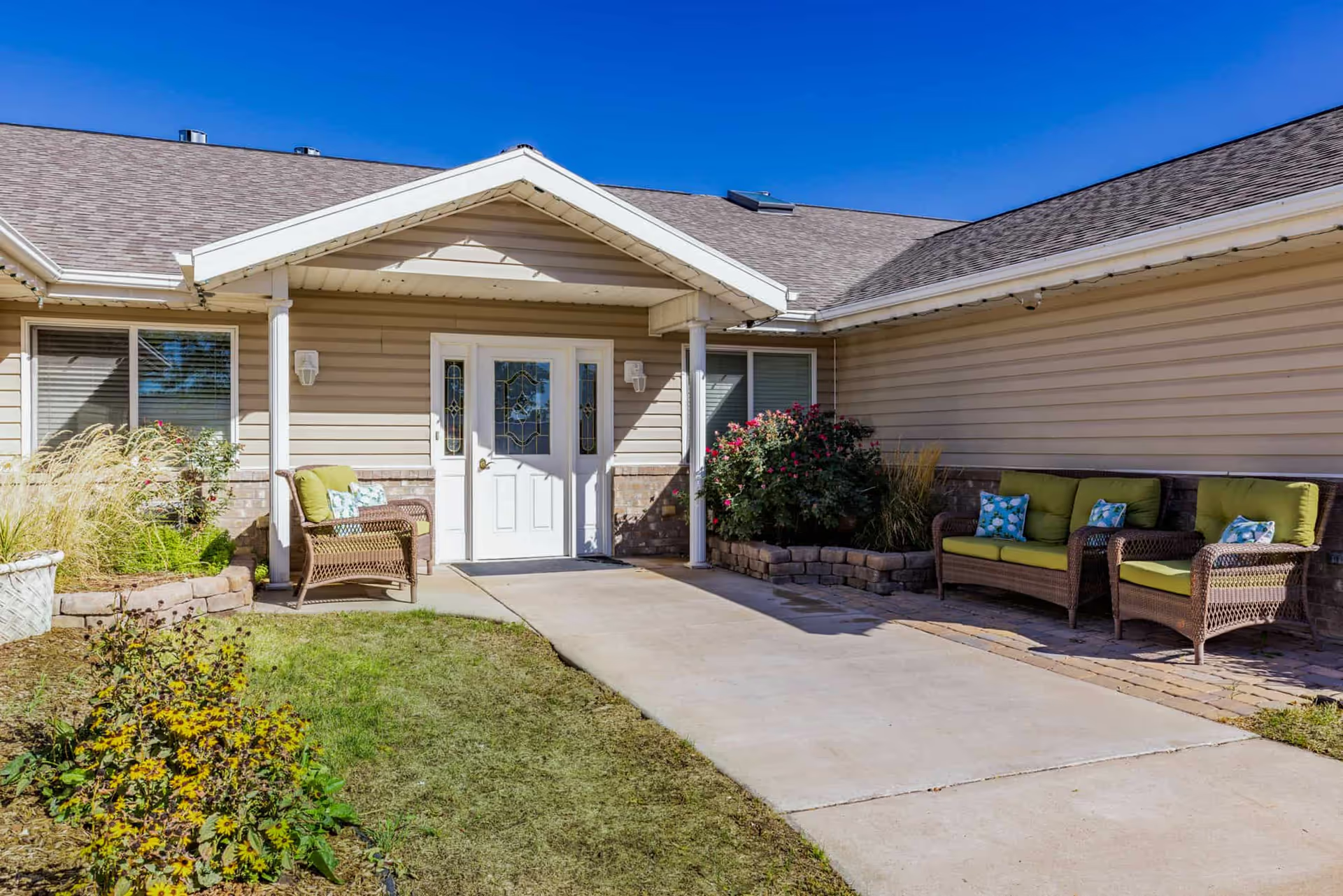
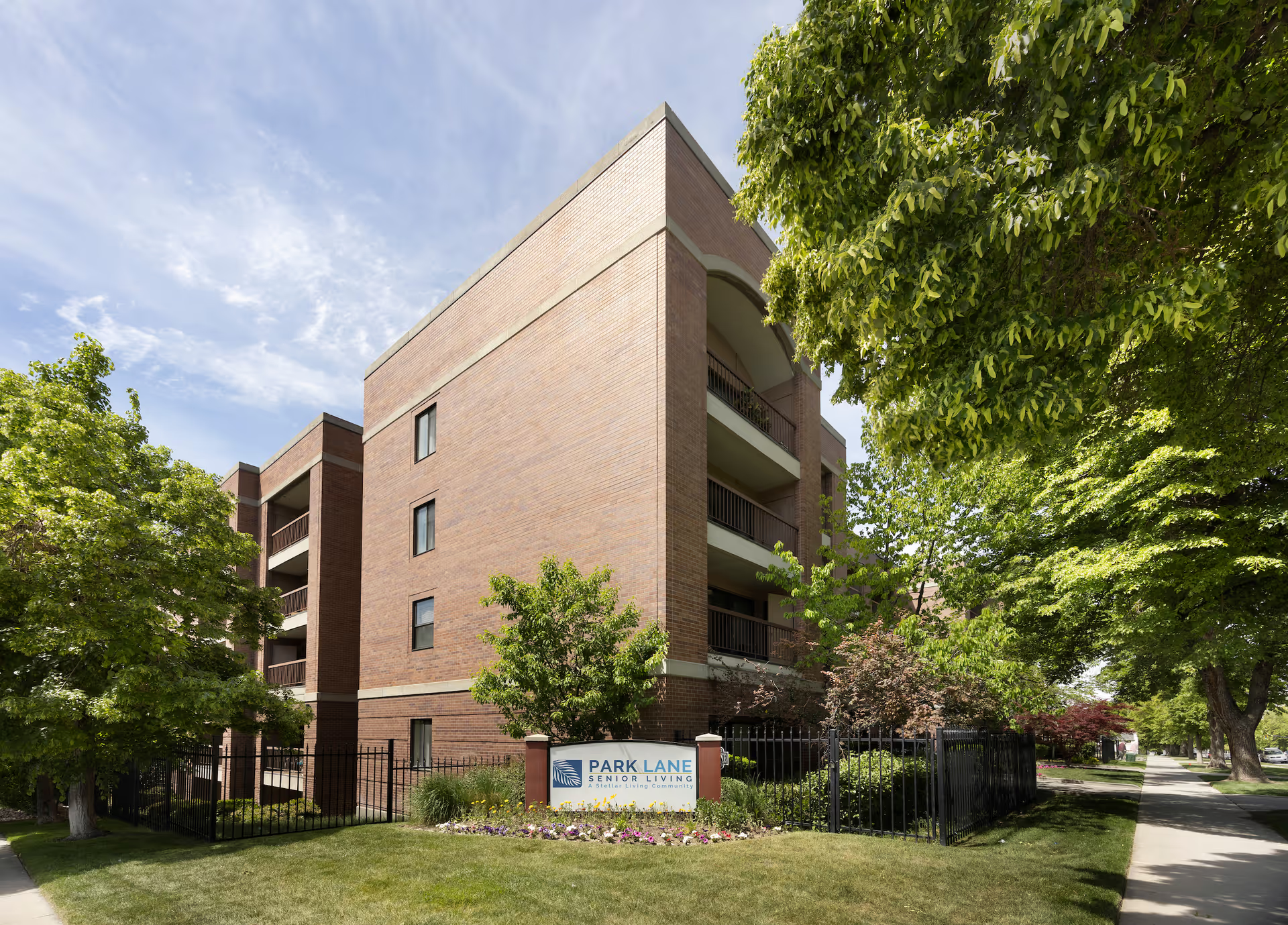
Facilities and maintenance: Many reviewers describe bright, remodeled rooms, attractive views, and generally clean common areas. Maintenance responsiveness is often highlighted for routine fixes. Still, multiple reviews raise sanitation and odor concerns in particular units or hallways, as well as pest-control concerns in select rooms; some residents encountered dated carpeting or delayed repairs. Facility upgrades appear to be ongoing in parts of the community. During a visit, inspect resident rooms, hallways, and dining areas; ask about recent pest-control actions, routine cleaning schedules, and upcoming refurbishment plans.
Management, contracts and billing: Management impressions vary considerably. Several families praise visible, communicative leadership and named staff who facilitated placement and care coordination. Others describe frequent leadership turnover, slow responses to complaints, unclear billing practices, contract lock-in clauses, and difficulty with refunds or disputed charges. These financial and administrative issues are a consistent theme and can materially affect satisfaction. Request a detailed copy of the contract, an explanation of extra-fee services (escort fees, care-level supplements), policies for refunds and move-outs, and examples of how billing disputes are handled.
Notable patterns and recommendations: The facility offers many of the strengths families seek—engaging programming, social community, and caring frontline staff—yet operational inconsistencies create variability in outcomes. Key areas to probe on a tour: staffing ratios across shifts, turnover statistics, on-call nursing/clinical coverage, medication administration and pharmacy refill processes, documented incident response and family-notification procedures, pest-control and sanitation records, and full contract and billing disclosures. Families prioritizing a lively, social environment with attentive staff may find this community a good fit; those requiring highly consistent clinical oversight or guaranteed staffing coverage should confirm operational details in writing before committing.