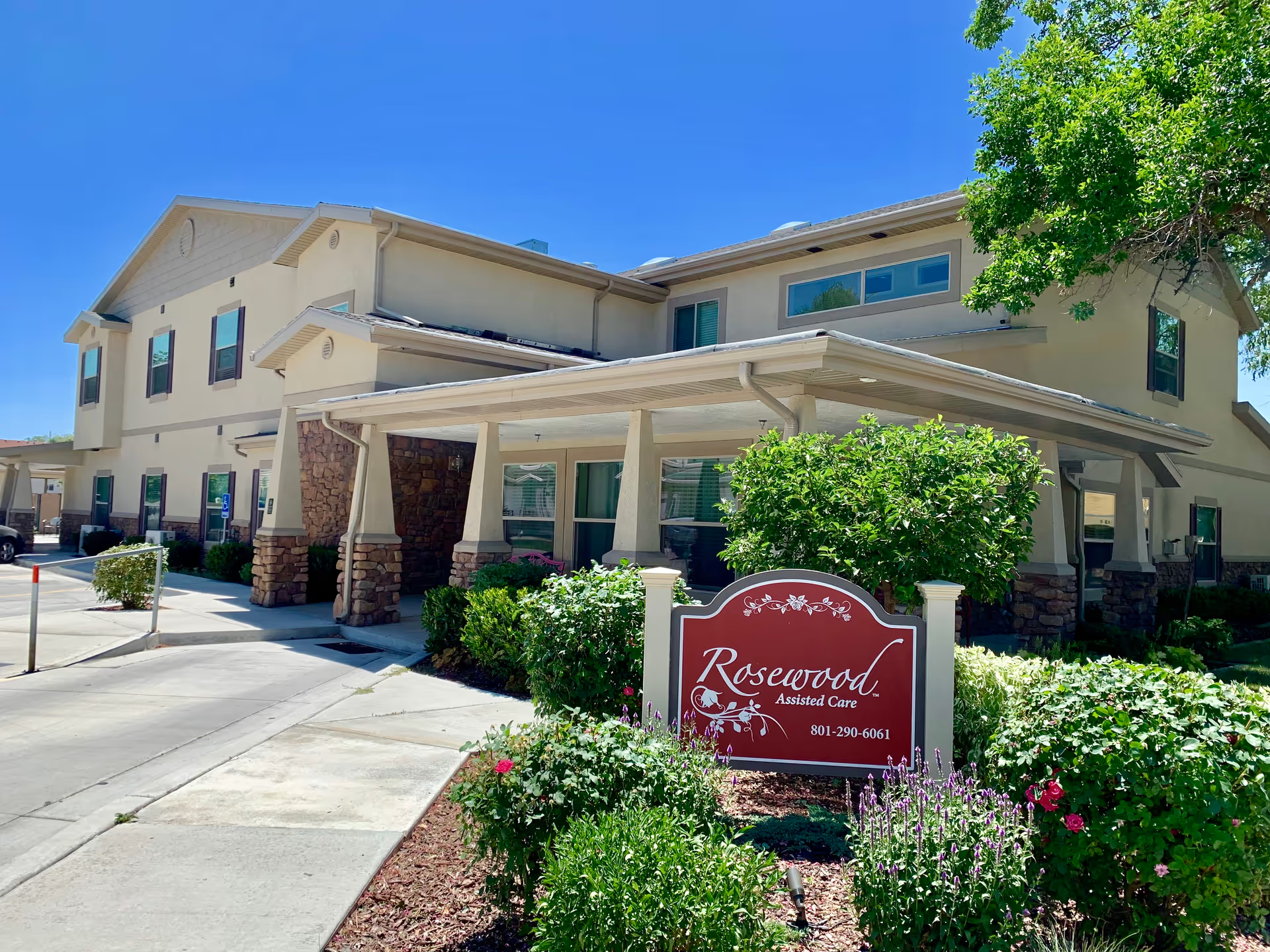
Feedback for Capitol Hill Assisted Living & Memory Care is strongly mixed, with a substantial number of families praising the facility’s environment, staff engagement and memory-care programming, while other accounts describe operational gaps that affected clinical care and communication. The property itself is consistently described as attractive, clean, and well-appointed: reviewers note spacious private apartments, hotel-like common areas, landscaped outdoor spaces, and a convenient downtown Salt Lake City location. The community offers robust amenities including rehabilitation services, a variety of social and music-based activities, themed events for memory-care residents, and dining presented in a restaurant-style format.
Care quality and staff behavior are central themes in the reviews and show clear divergence. Many families emphasize compassionate, personalized caregiving, strong relationships between staff and residents, prompt admissions support, and memorable memory-care events. Several caregivers and leaders are singled out positively, and rehabilitation and therapy services receive frequent praise. At the same time, reviewers describe operational weaknesses that are clinically meaningful: inconsistent staffing and turnover, gaps in medication administration and clinical oversight, delays responding to assistance requests, and instances where family communication was limited or delayed. These issues point to variability in day-to-day caregiving reliability despite many examples of excellent individual staff performance.
Dining and activities are generally strengths but with caveats. The activity program is robust — frequent outings, live entertainment, group events, and tailored memory-care activities are often highlighted. Dining is frequently described as high quality, chef-driven and appealing, though several comments cite recent declines in food consistency, limited healthy plant-based choices, and uneven evening meal quality. Housekeeping and laundry services are usually noted as reliable, but a subset of reviews raises sanitation and incontinence-care concerns in particular areas or shifts, indicating uneven adherence to housekeeping or personal-care routines.
Facilities and safety impressions are also mixed. The building, grounds, and communal spaces receive positive remarks for cleanliness and aesthetics; some reviewers appreciated remodeled dining and living areas. Conversely, others report limited fresh-air access for memory-care residents, occasional maintenance gaps, and safety or supervision process weaknesses (for example, falls or wandering events that families felt reflected insufficient oversight). Several reviewers noted limited on-site clinical coverage at times — reliance on med techs or minimal nursing presence overnight — which can compound concerns about response times and medication management.
Management and operational trends are a recurrent theme. Reviewers identify a management transition that coincided with staff departures and uneven service continuity; some families describe improvements under newer leadership, while others experienced communication lapses, unclear administrative changes, and perceived decreases in service quality after price increases. Automated phone systems and front-desk responsiveness were also called out as areas needing improvement.
Taken together, the pattern suggests Capitol Hill has strong structural and programmatic assets — attractive facility, active programming, and many dedicated staff — but also experiences variability in staffing stability, clinical oversight, communication, dining consistency, and sanitation processes. Prospective residents and families would benefit from targeted questions during tours: current staffing ratios by shift, on-call clinical coverage, medication-administration protocols, examples of recent quality-improvement actions, how family communication is handled during incidents, and sample menus. For applicants whose primary need is memory care or active rehabilitation, the facility demonstrates clear strengths; for those requiring high-touch clinical supervision or tightly managed medication and continence care, it would be prudent to confirm current staffing and clinical controls before making a decision.