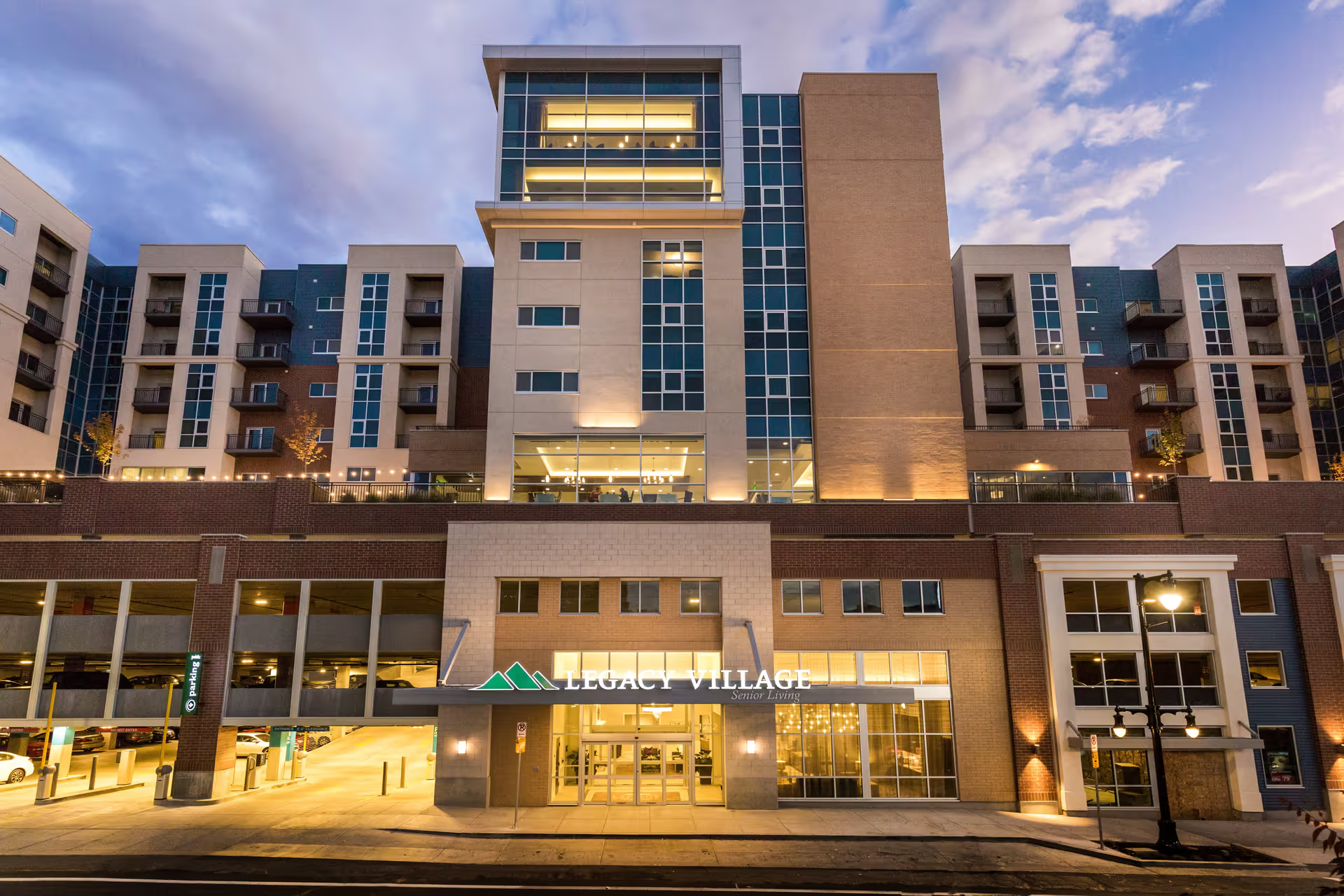
The reviews present a strongly mixed but clarifying picture. Many residents and families describe a welcoming, social community with staff who are caring, personable, and attentive. Positive accounts emphasize a family-like atmosphere, proactive admissions support, and staff who know residents by name. The campus offers a wide range of amenities — chef-prepared meals, three-meal dining with room-delivery options, exercise classes, movies and arts spaces, a beauty salon, library, and regular outings — which contribute to robust daily life for independent residents. Apartments are frequently praised for thoughtful layouts, kitchenettes, private patios, bright views, and overall upkeep when maintenance is timely. Location and affordability are repeated strengths for prospective residents seeking value near Salt Lake shops and hospitals.
Staffing and day-to-day care quality are prominent strengths but also an area of variability. Numerous reviewers highlight compassionate, above-and-beyond staff and effective front-office and maintenance responsiveness; however, other accounts describe turnover and periods when staffing levels or responsiveness declined. Several narratives point to a contrast between a proactive, hands-on pre-move-in experience and less consistent follow-up after move-in. Reviewers flagged concerns about communication tone and responsiveness from management during difficult events, including gaps in bereavement outreach after a resident's death.
Dining and activities are central to resident life but show unevenness. The dining program receives praise for chef-prepared meals, variety, and accommodating servers; concurrently, reviewers raise issues about inconsistent food quality, reliance on less-fresh menu components, and limitations in accommodating specific dietary needs (diabetic or lactose-intolerant options). Some families noted restrictive refill or dining policies and modest extra charges for select services, which affect perceived value. Activities programming is consistently described as abundant and diverse — bingo, crafts, exercise, outings, music and religious groups — and is a key contributor to social engagement and wellbeing.
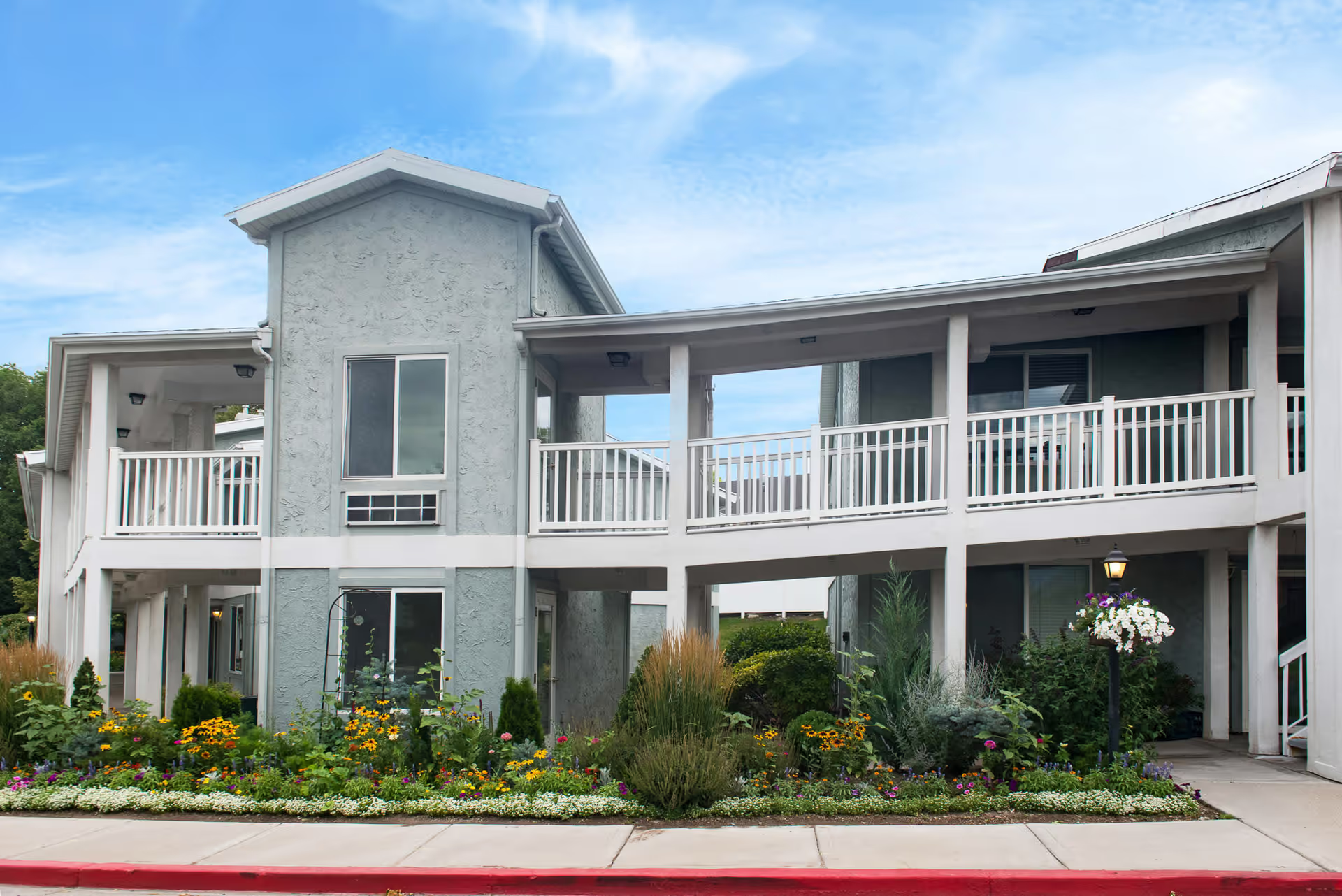
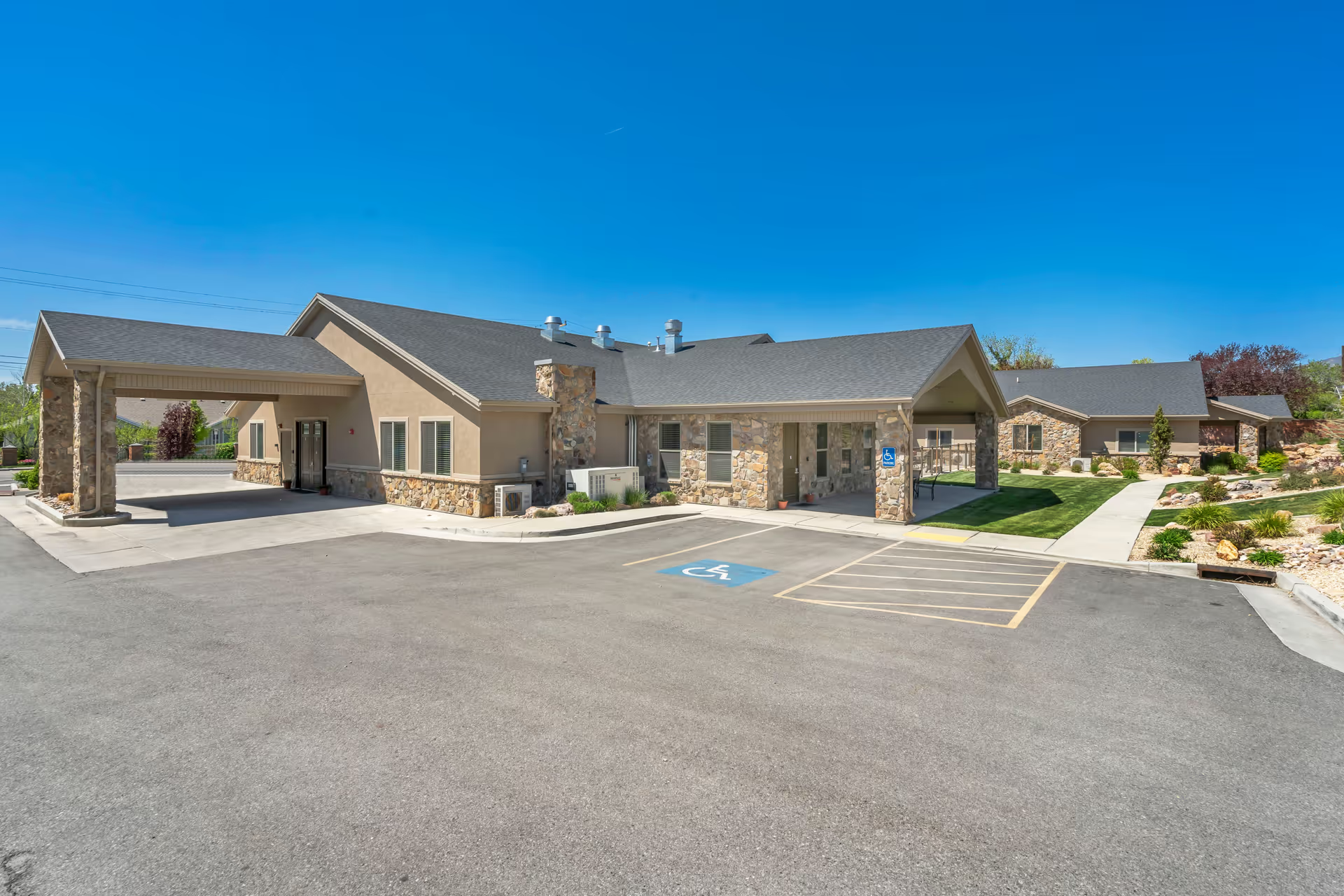
Facility condition and operations show a mix of well-maintained areas and deferred issues. Many common areas and apartments are described as clean and pleasantly maintained, with ongoing remodeling in places. At the same time, reviews cite deferred infrastructure repairs (broken handrails, balkony deterioration), pest-control concerns, and cleaning-service turnover that have created localized sanitation and safety worries. Transportation and operational services occasionally suffer from reliability problems (driver or vehicle availability), which limits program continuity for outings and appointments.
Management and ownership transitions emerge as a notable pattern. Several reviews reference changes in management or corporate oversight that coincided with budget adjustments, staffing attrition, and perceived shifts in operational priorities. These changes contributed to polarized experiences: long-term residents and families reporting excellent care and daily life, while others expressed frustration with responsiveness, financial clarity, and certain service cutbacks. Prospective residents and families should weigh the facility's strong social life, amenities, and many positive staff accounts against the reports of operational inconsistency, maintenance backlogs, dietary accommodation challenges, and concerns about management responsiveness during transitions. A targeted visit that asks about current staffing levels, maintenance response times, dietary protocols, fee structures, and recent ownership or leadership changes will help determine whether the facility’s current operations align with a prospective resident’s priorities.