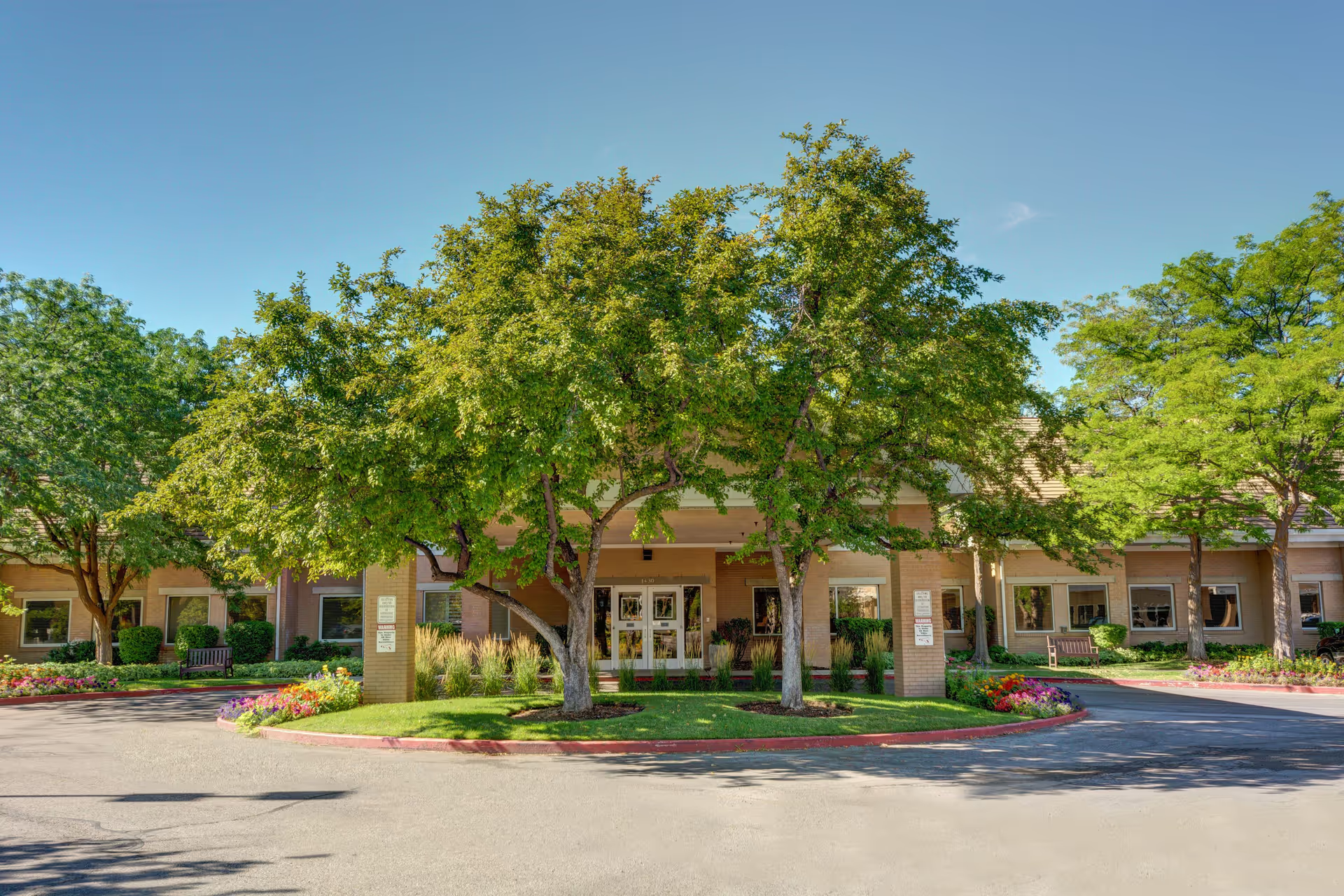
The reviews present a mixed but clearer pattern: both BeeHive Homes of Salt Lake and MillCreek are frequently described as clean, home‑like small communities with attentive caregiving teams and individualized services, while also showing operational weaknesses that families should evaluate before placement.
Care and staff: Reviewers commonly praised compassionate, long‑tenured caregivers and a staff culture described as friendly, helpful, and willing to work around special needs. Several families expressed trust in the facility’s ability to support Alzheimer’s progression and hospice needs, noting continuity of caregivers and a reassuring atmosphere. Counterbalancing these positives are reports that point to systemic issues: reductions in staffing and instances of poor escalation and communication during clinical incidents. The pattern suggests variability in how quickly and consistently clinical concerns are triaged and how families are informed following serious events.
Dining and activities: Dining is repeatedly highlighted as a strength — individualized meal plans, nutritious options, and residents enjoying the food were common comments. Social programming and communal events exist and are appreciated; gardens and common dining/kitchen areas contribute to a home‑like environment. At the same time, reviewers noted limited memory‑care activity offerings for residents with cognitive impairment and uneven day‑to‑day engagement (for example, extended passive television time for some residents). Prospective families may want to clarify the schedule, staffing for activities, and the facility’s approach to structured cognitive programming.
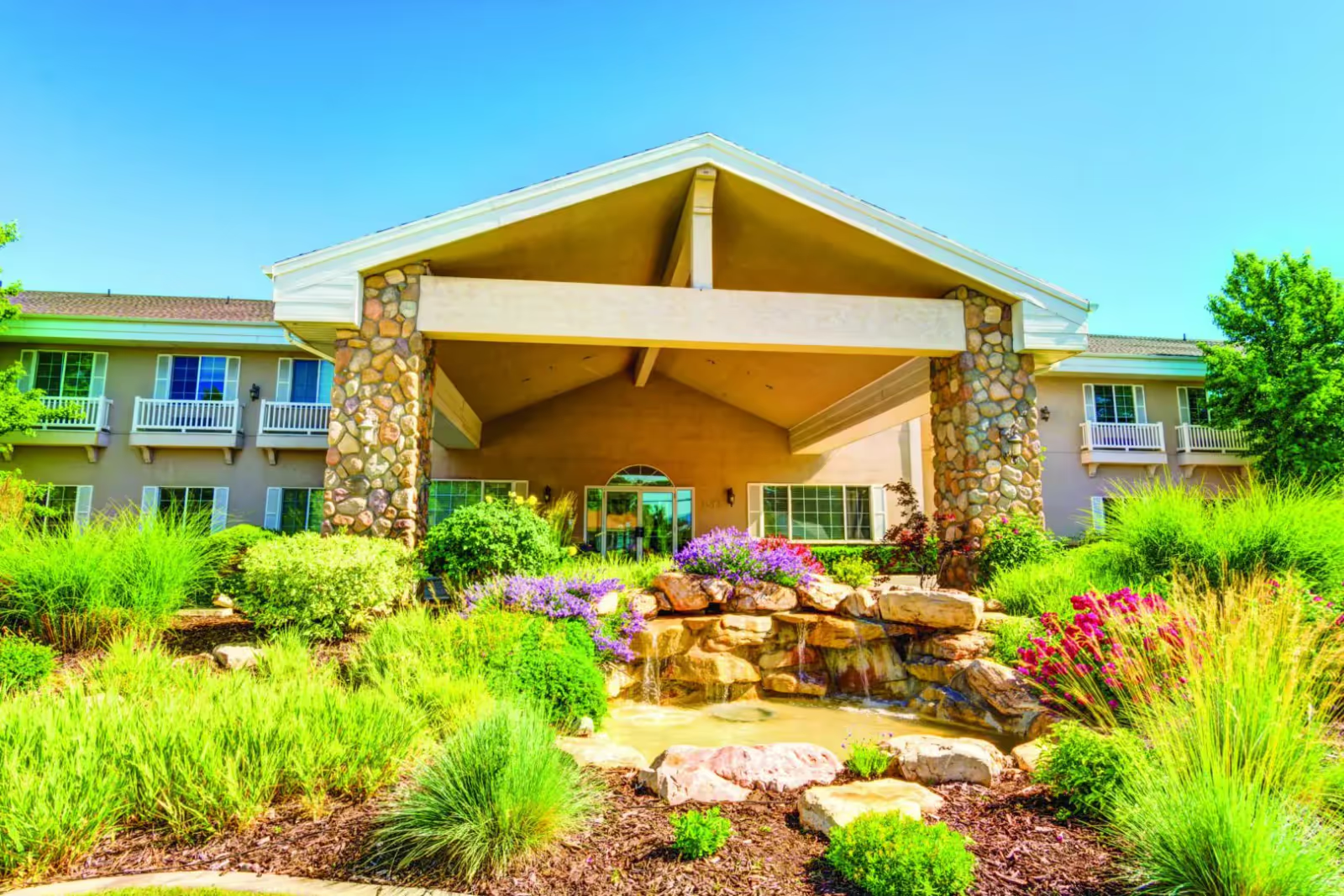
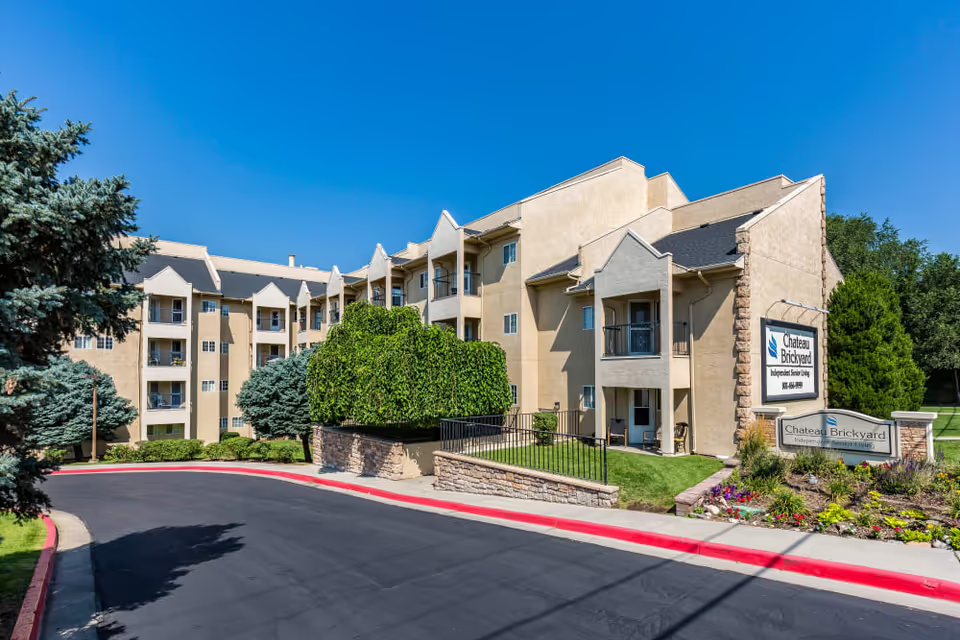
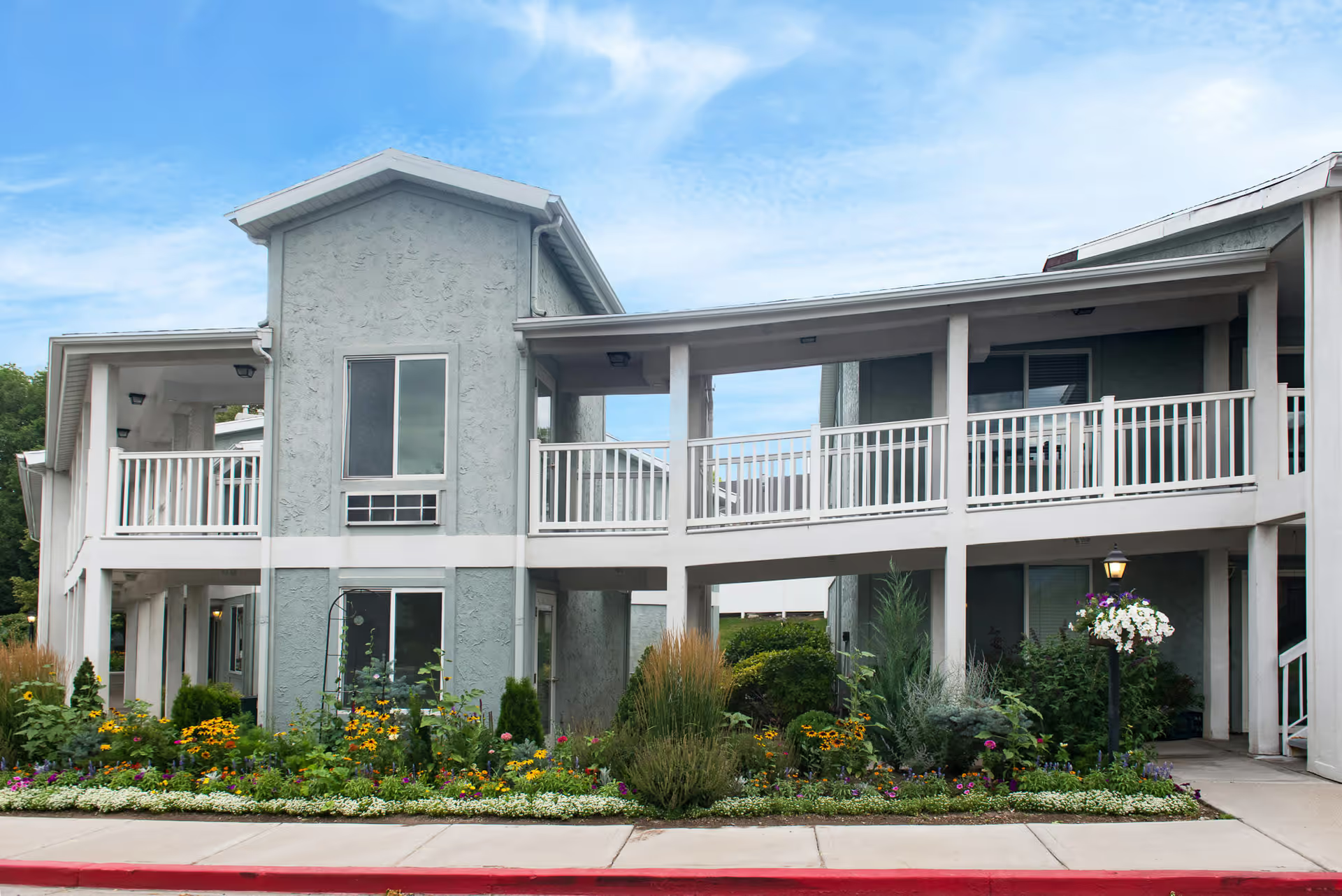
Facilities and management: The physical environment was described positively: well‑lit, wide hallways, private rooms with bathrooms, pleasant landscaping, and tidy common areas. Some units were described as very basic in layout and finishes, which may be suitable for budget‑minded residents but less appealing for those seeking more upgraded amenities. Management responsiveness received mixed feedback: many reviewers found staff and administration accommodating for routine needs, while others reported variable follow‑up and a perceived weak apology or remediation after serious incidents. Notable operational concerns include restricted outdoor access in certain care settings and the previously noted gaps in emergency escalation and family communication.
Overall impression and considerations: These communities appear to offer a caring, clean, and home‑like option with good dining and a small‑community feel, which can be advantageous for families seeking personalized attention. At the same time, consistent staffing levels, emergency protocols, memory‑care programming, and administrative follow‑through emerged as important areas to verify in person. Families touring or evaluating the facility should ask for specifics about staff‑to‑resident ratios, documented incident‑response procedures, activity schedules for memory care, outdoor access policies, and recent examples of how management has addressed clinical or safety concerns.