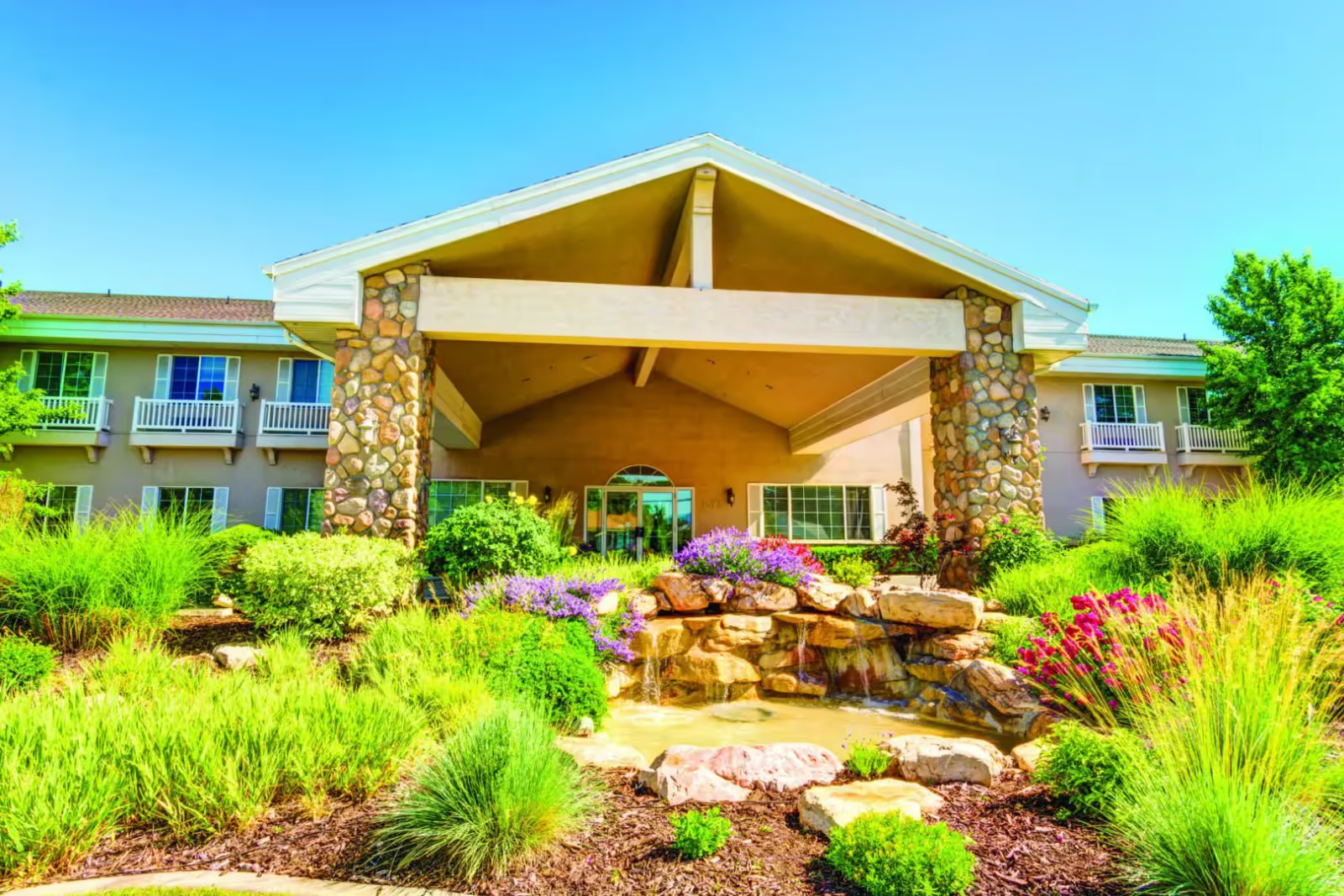
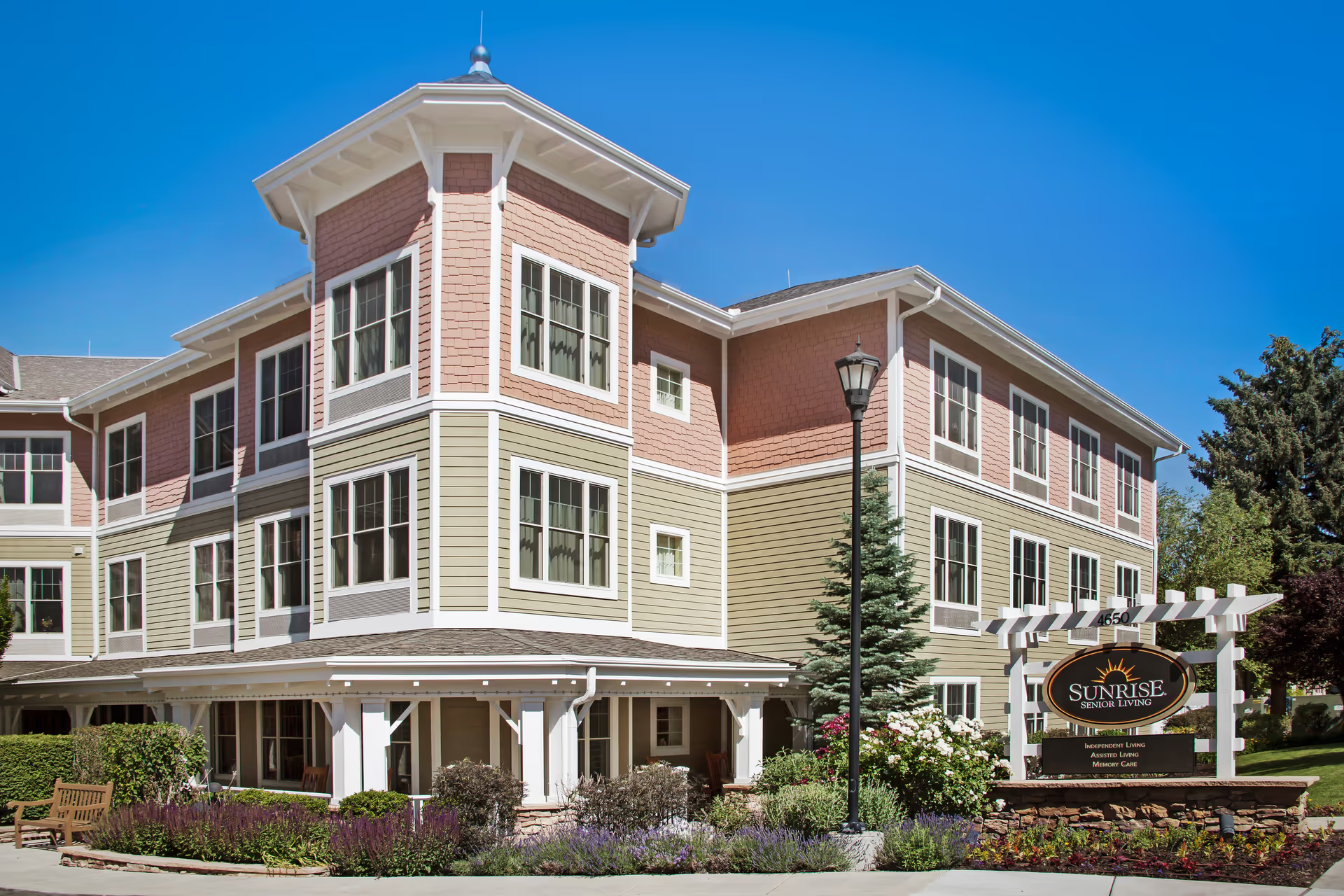
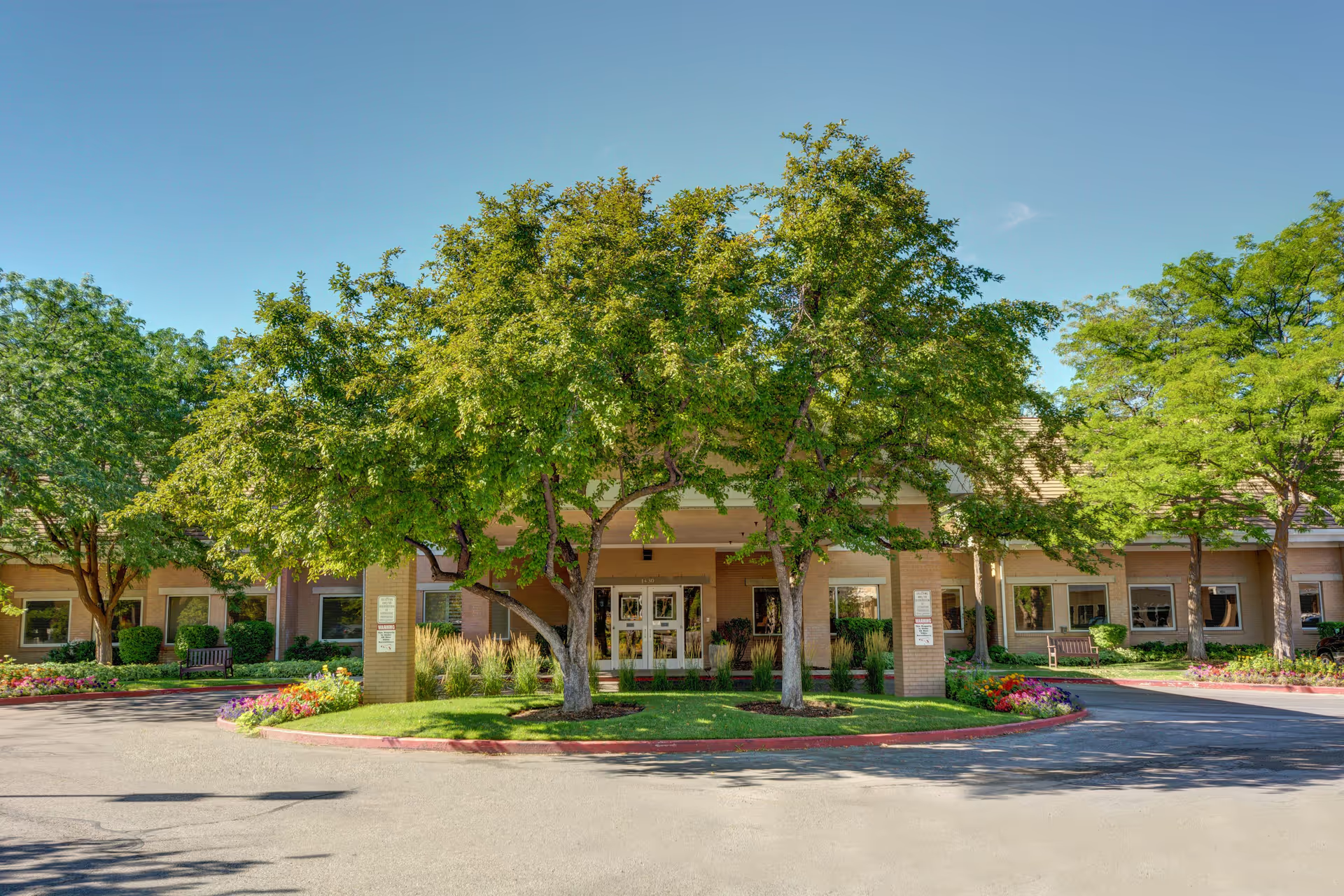
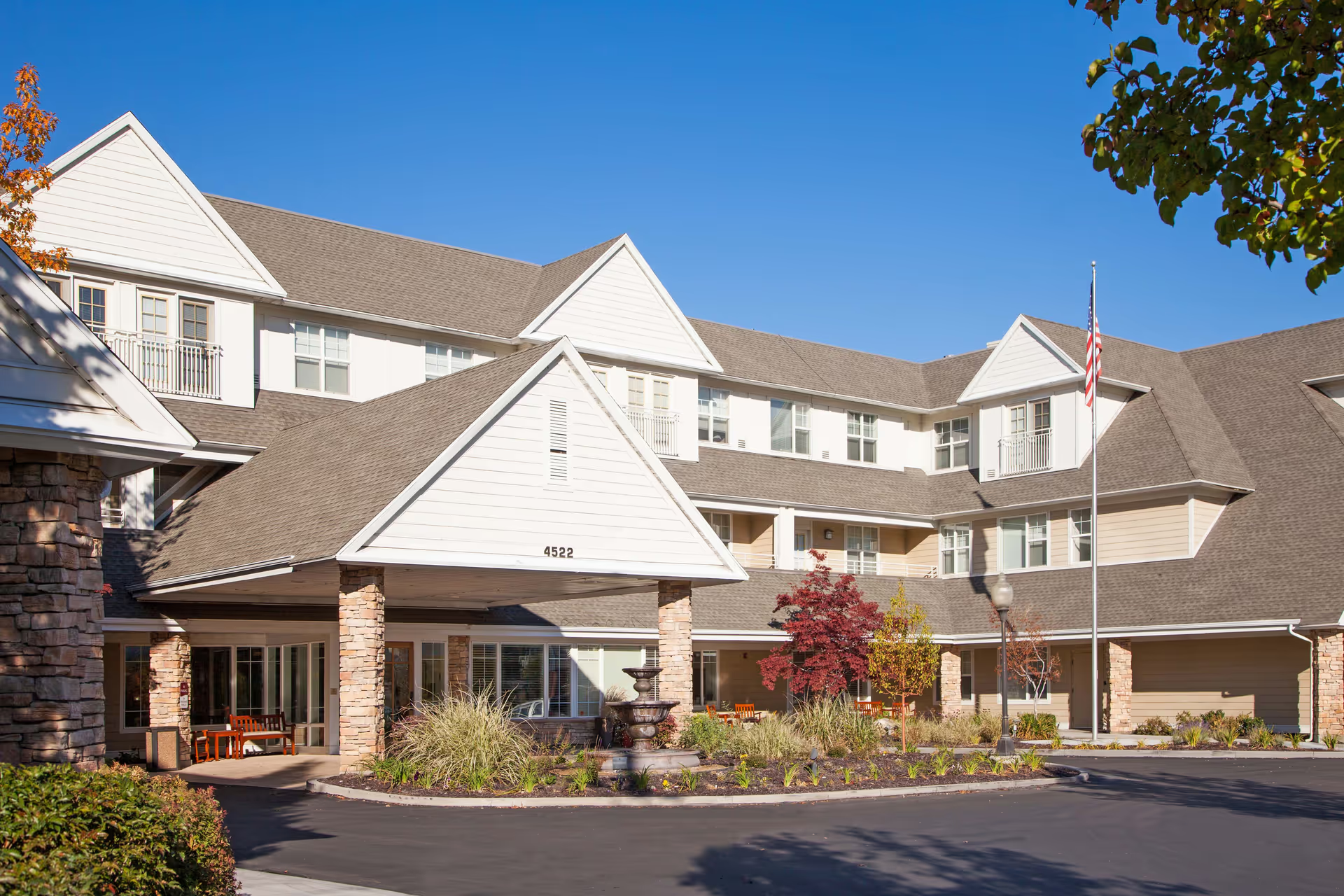
Overall sentiment: The reviews for The Abbington at Holladay are overwhelmingly positive. Multiple reviewers emphasize a warm, welcoming, family-like atmosphere supported by consistently kind, helpful, and professional staff. The facility is frequently described as gorgeous, clean, bright, and homey, and many family members report that their loved ones are happy, safe, and comfortable after moving in. Several reviewers explicitly state they would highly recommend the community, and some note that the move improved their loved one’s quality of life.
Care quality and staff: Staff behavior and caregiving quality are the most commonly praised aspects. Reviewers repeatedly use words such as kind, compassionate, competent, and loving to describe both care staff and management. Specific staff members (Dave, Kim, Gloria) are named positively, indicating that individual caregivers or administrators have made strong impressions on families. Memory care receives particular positive mention: activities and engagement in the memory-care unit are described as high-quality and appropriately encouraging. Reviewers note personalized attention, dignity, and respect in interactions, and report that staff are effective at helping residents adjust and join activities. Transition support is highlighted — although some residents initially struggled with leaving home, staff support eased those transitions for many.
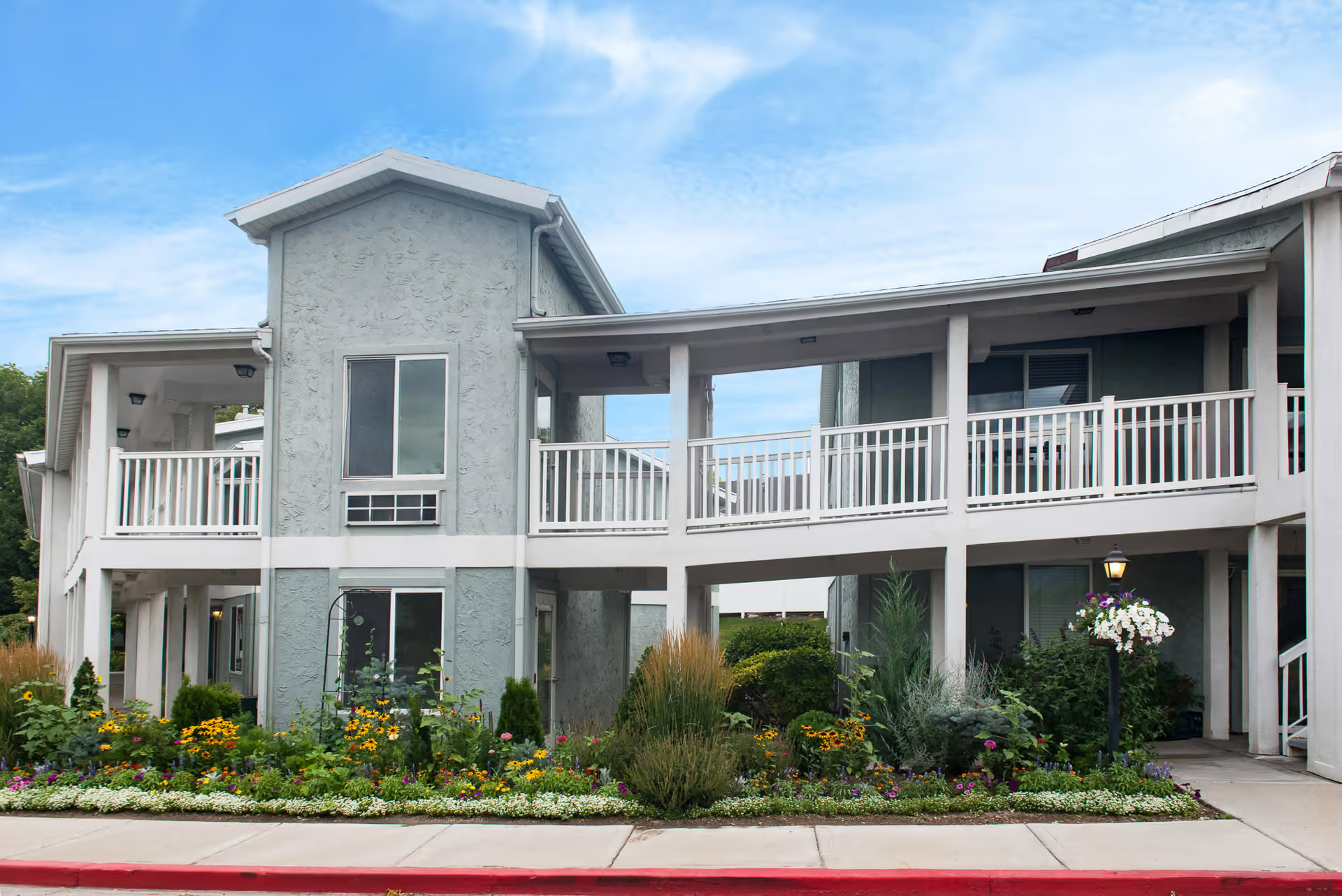
Facilities and safety: The physical plant is frequently described as new, attractive, and well-maintained. Common areas are bright and cheerful; apartments are clean; the overall environment is perceived as safe and comfortable. Safety features such as “help at the touch of a button” and attentive personnel contribute to family members’ peace of mind. The facility’s ambiance is often characterized as home-like rather than institutional, which appears to be an important factor in resident satisfaction.
Activities and social life: The Abbington receives strong marks for activities programming. Reviewers note a robust daily activities schedule, outings, mingling opportunities, and staff encouragement for residents to participate. Activities are described as engaging and appropriate, including within memory care, which supports socialization and cognitive engagement for residents. This programming is frequently cited as a contributor to residents’ improved mood and quality of life.
Dining: Dining impressions are mixed but lean positive overall. Several reviewers praise the food as tasty, even “restaurant-quality,” and note that special orders are accommodated. Others mention appropriate portioning and enjoyable meals. However, a recurring concern is around menu content: a number of reviews point to meals that are high in sodium, rely on processed meats, and are relatively high-carbohydrate. A few reviewers indicated residents brought in supplemental or outside food because of menu preferences, and one or more noted deli meat portions were small or meals felt light for particularly hearty appetites. Importantly, reviewers also report that management responded to dining issues when raised, with follow-up and improvements that led to better ratings over time.
Management and responsiveness: Management responsiveness is highlighted as a strong point. When concerns (particularly about dining) were raised, management engaged with residents and families and implemented changes that improved satisfaction. Multiple reviewers commend the administrative team for personalized attention, professionalism, and timely resolution of problems. This responsiveness appears to reinforce trust and contributes to the consistently positive overall impressions.
Patterns and notable points: The dominant pattern is sustained praise for people — staff kindness, attentiveness, and the family-like culture are the most consistent themes. Facility quality, cleanliness, safety features, and programming are also recurrent positives. The clearest area for improvement is dining: while many enjoy the food and special-order flexibility, there are several specific dietary quality concerns (sodium, processed meats, carbohydrate-heavy menus, and portion size for some appetites). Reviewers indicate that these concerns have in many cases been addressed when brought to management’s attention, suggesting the issues are recognized and actionable rather than systemic immobility.
Conclusion and recommendation: Based on the aggregated reviews, The Abbington at Holladay presents as a high-quality senior living community with especially strong person-centered care, a welcoming culture, effective memory-care programming, clean and safe facilities, and a busy activities calendar. Prospective residents and families should feel confident in the staff’s compassion and management’s responsiveness. Those with specific dietary needs or strong preferences should discuss menu options and portioning with management at move-in and follow up if concerns arise, as dining has been the main area of complaint but also the main area where management has shown responsiveness and improvement.