Overall impression: The facility shows clear strengths in person‑centered aspects of care and community life, alongside operational inconsistencies that families should evaluate. Many comments emphasize a warm, home‑like atmosphere created by long‑tenured staff, skilled therapy teams, and an active recreation program. Conversely, other comments describe lapses in basic service delivery and communication that can materially affect resident safety and satisfaction.
Care quality and safety: Review narratives indicate that clinical and rehabilitative services—particularly physical and occupational therapy—are a strong point, with several mentions of successful recovery and attentive therapy staff. At the same time, there are recurring concerns about timeliness and consistency of hands‑on care: delayed responses to call lights, inconsistent bathing and toileting assistance, and gaps in wound and pain management. These operational weaknesses intersect with fall‑prevention and supervision practices; families should ask the facility for current staffing ratios, fall‑prevention protocols, and quality metrics when assessing suitability.
Staff and workplace culture: Many reviewers praise compassionate, dedicated caregivers, long tenures, and staff who form emotional connections with residents. Positive notes include staff who provide spiritual and emotional support and recreation staff who create engaging programming. Contrastingly, there are indications of uneven staff morale, challenges integrating agency staff, and instances where supervisory support and tone of communication were judged insufficient. Prospective families may find it useful to inquire about staff turnover, orientation for agency personnel, and leadership visibility on units.
Dining and activities: The kitchen and dining experience receive consistently favorable comments; staff are described as accommodating and willing to go beyond standard duties to meet resident preferences. The recreation program is highlighted for creativity and frequent events (dance recitals, holiday activities), contributing to a lively community environment. However, there are also reports of inconsistent meal delivery timing and isolated instances of missed requests, so confirm how meal preferences and missed service issues are handled.
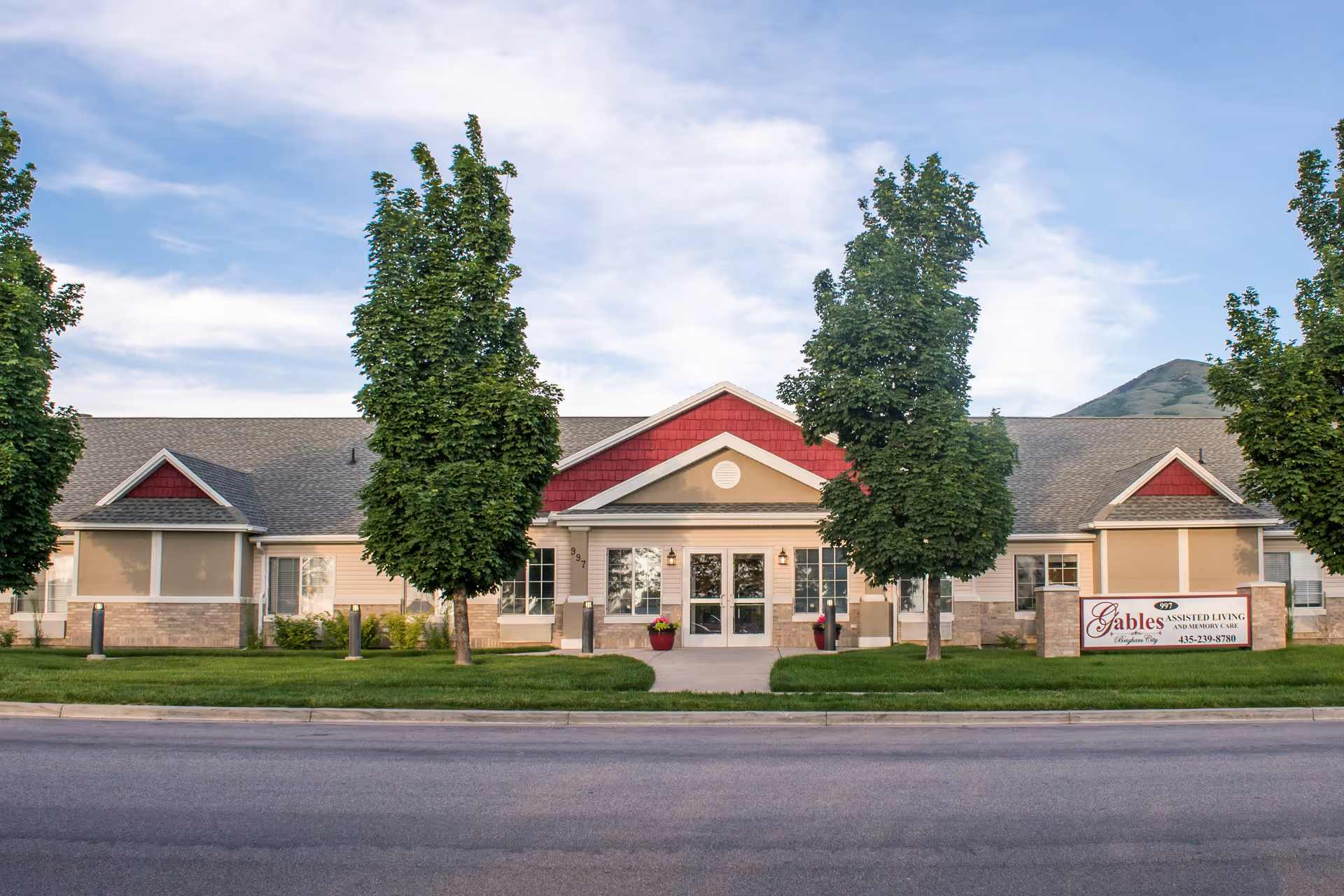
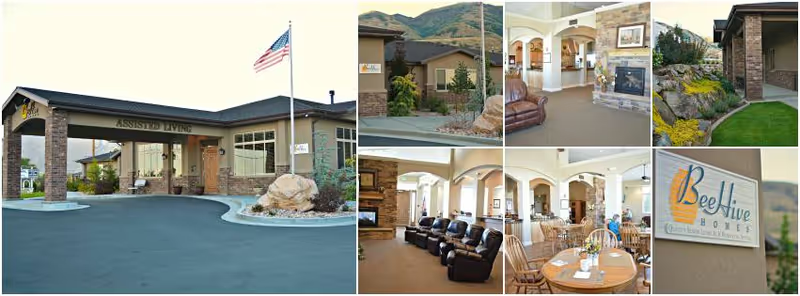
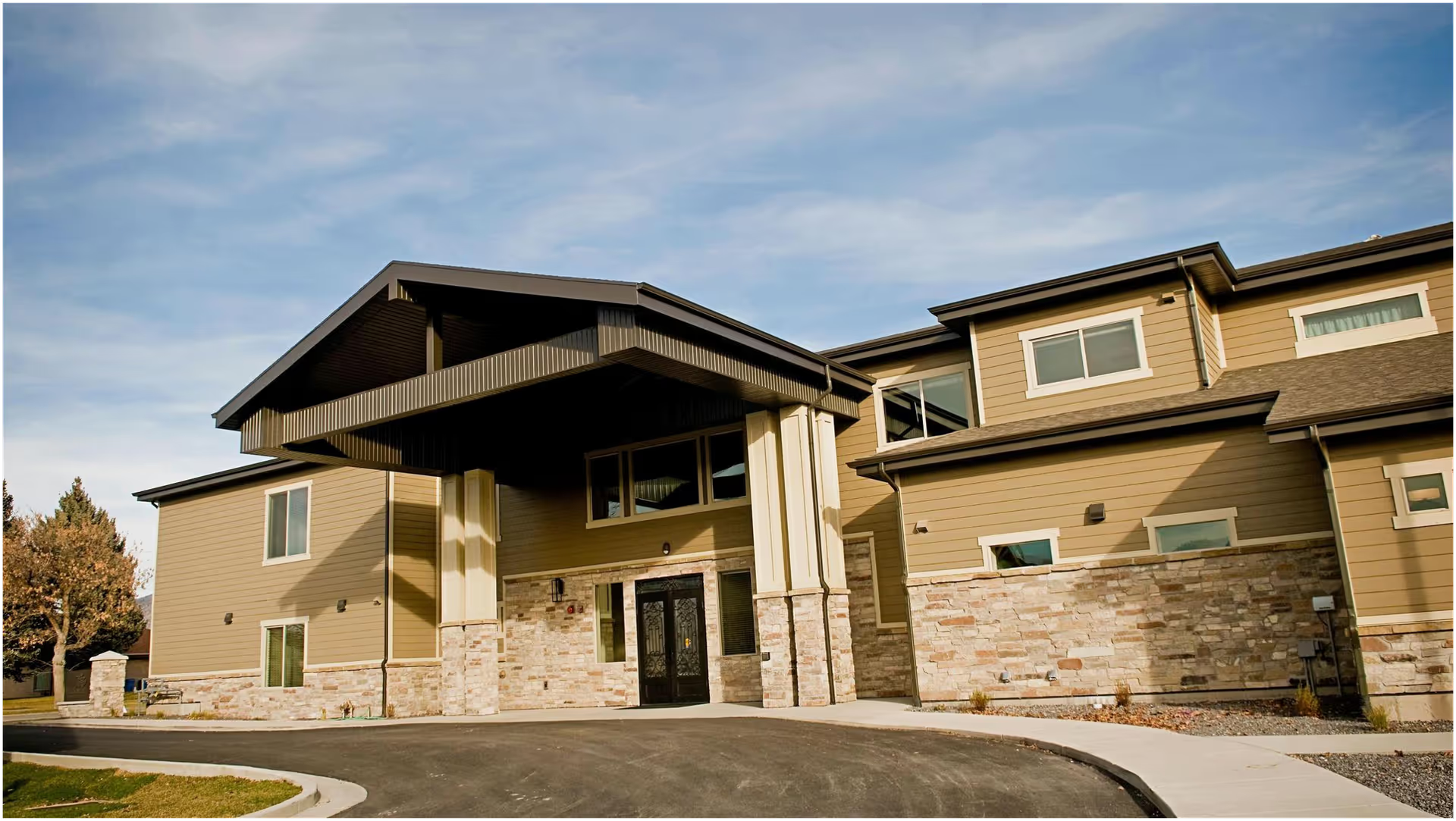
Facilities and administration: The physical environment is generally described as clean and well organized, with on‑floor staff engagement noted positively. Administrative themes are mixed: while some families commend helpful social work and care coordination, others report delays in admissions paperwork, unreturned calls, and unreliable phone systems. There are also reports raising concerns about privacy practices and, in a few strong cases, allegations involving theft and medication‑related accusations; these are serious matters that warrant direct discussion with leadership and review of facility policies and incident reports.
Notable patterns and recommendations: The pattern in these accounts is one of a facility with substantive relational and clinical strengths that can be undermined by operational variability—principally staffing consistency, communication systems, and certain aspects of clinical oversight. When considering this facility, families should tour during different shifts, ask for current staffing ratios and agency‑staff policies, review protocols for call‑light response, wound and pain management, and inquire about how complaints and privacy concerns are investigated and resolved. Doing so will clarify whether the facility’s strong rehabilitation, dining, and community offerings align with a family’s expectations for consistent day‑to‑day care and administrative responsiveness.