Overall impression: Reviews describe a facility with many strengths—most notably a caregiving culture that many families find compassionate and personable, a robust activities program, attractive grounds, and generally clean, welcoming common areas. Numerous accounts praise CNAs, aides, memory-care staff, and leadership figures who are visible and engaged; several reviewers specifically highlight supportive admission tours, onboarding help, and personalized attention that contribute to resident satisfaction and social connection.
Care and staffing: Care quality is a mixed but patternable picture. Many families report attentive, respectful staff and strong one-on-one relationships that support resident dignity and daily needs. At the same time, reviewers raise recurrent operational concerns: inconsistent staffing levels, high turnover among aides, and intermittent lapses in responsiveness (for example, slow call-button responses or delays on weekends). Those staffing inconsistencies are also linked to gaps in clinical coordination—families describe medication-management issues, occasional therapy/medication delays, and the need to follow up frequently with staff. Prospective families should ask about current staffing ratios, training and turnover trends, and medication administration protocols during a tour.
Dining and activities: Activity programming is widely cited as a major strength—there are many organized options (games, outings, themed events, exercise classes, choir and creative activities) that help residents stay socially engaged. A number of reviews praise outings, holiday events, and resident involvement. Dining receives mixed comments: several reviewers describe chef-prepared, restaurant-quality meals and attractive presentation, while others report variability in portioning, temperature and variety (particularly in memory care and during staff transitions). Asking to observe a meal service and to sample current menu options can clarify fit for specific dietary and consistency expectations.
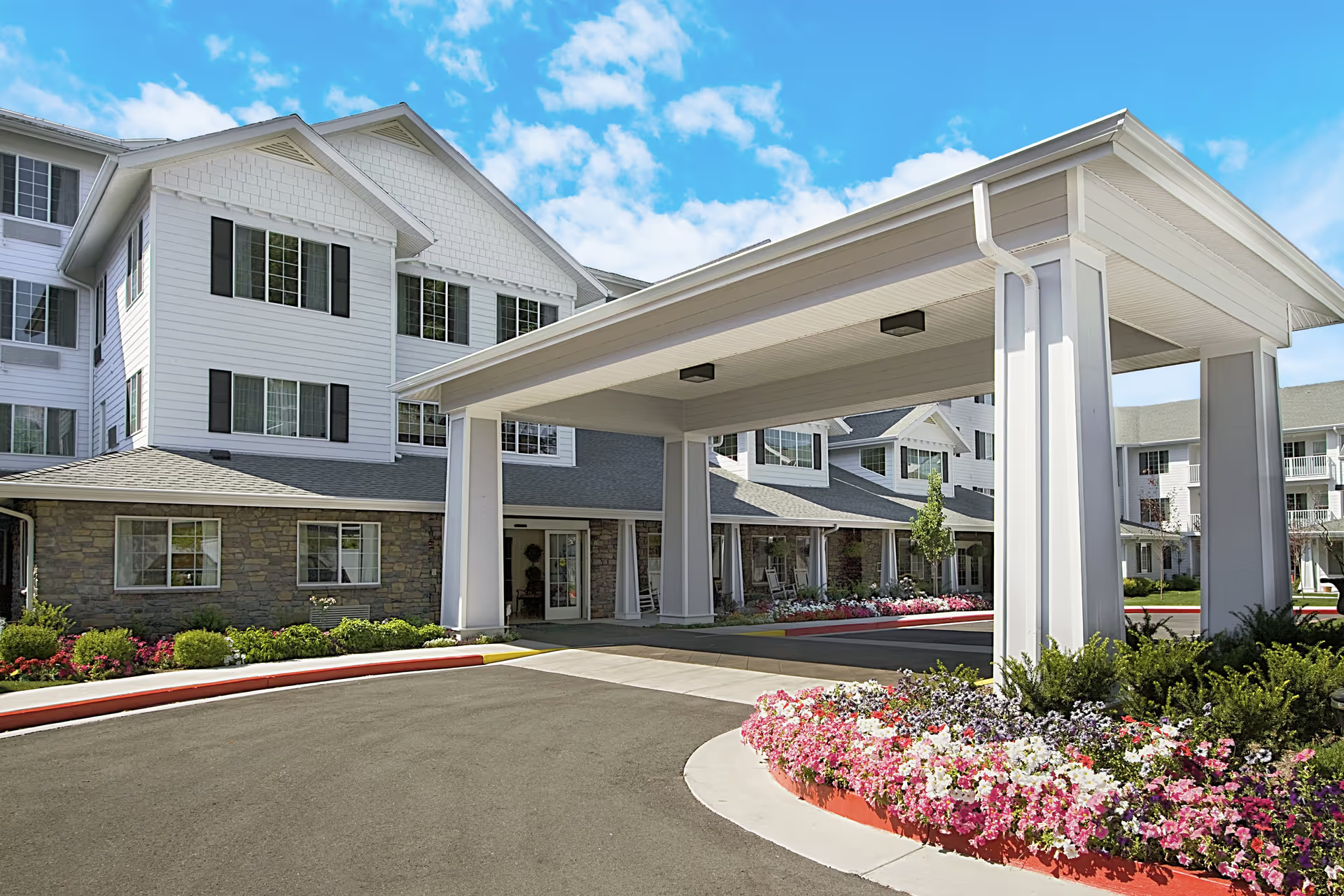
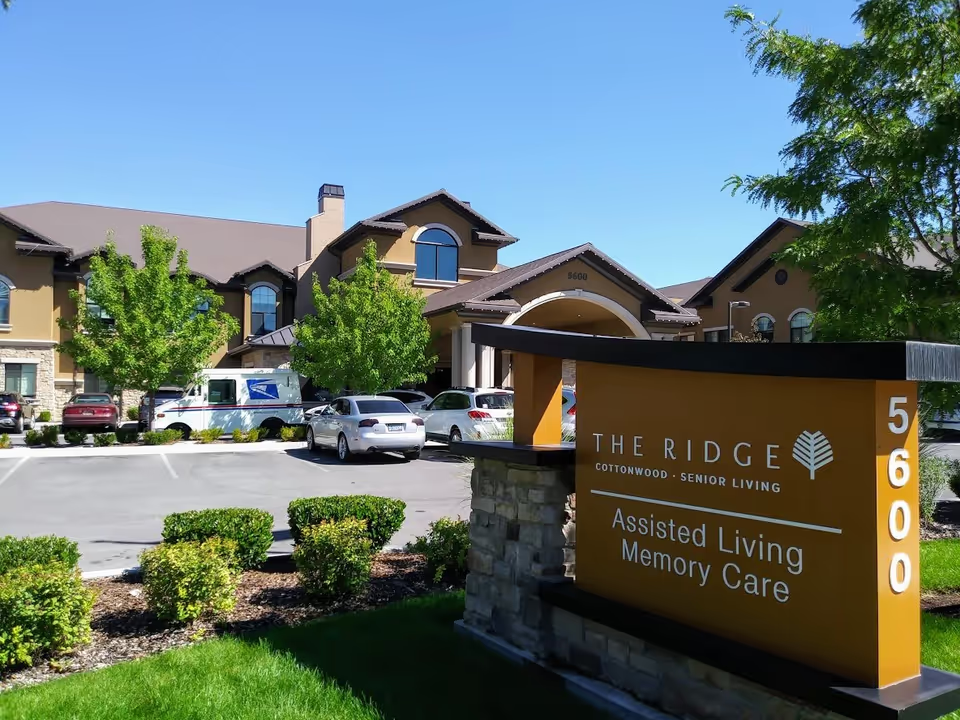
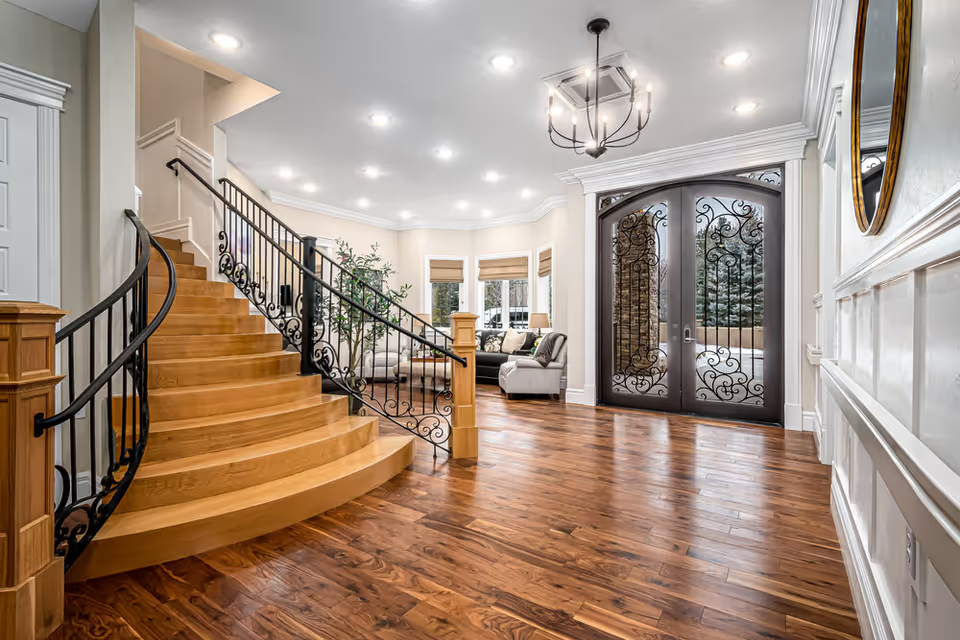
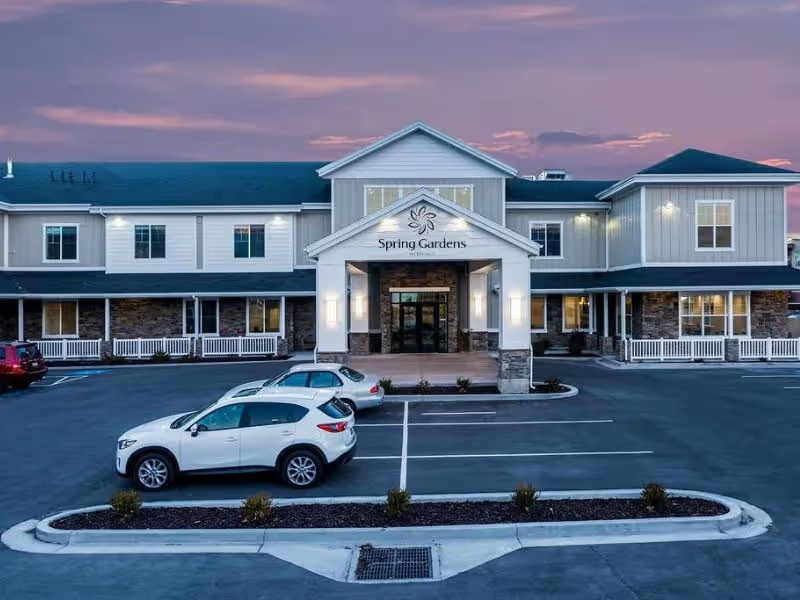
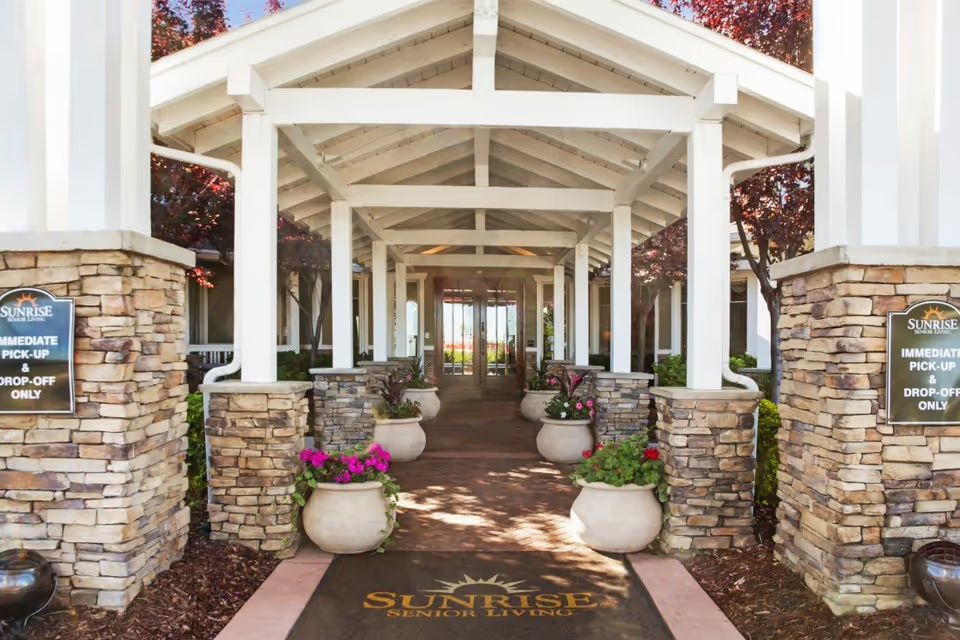
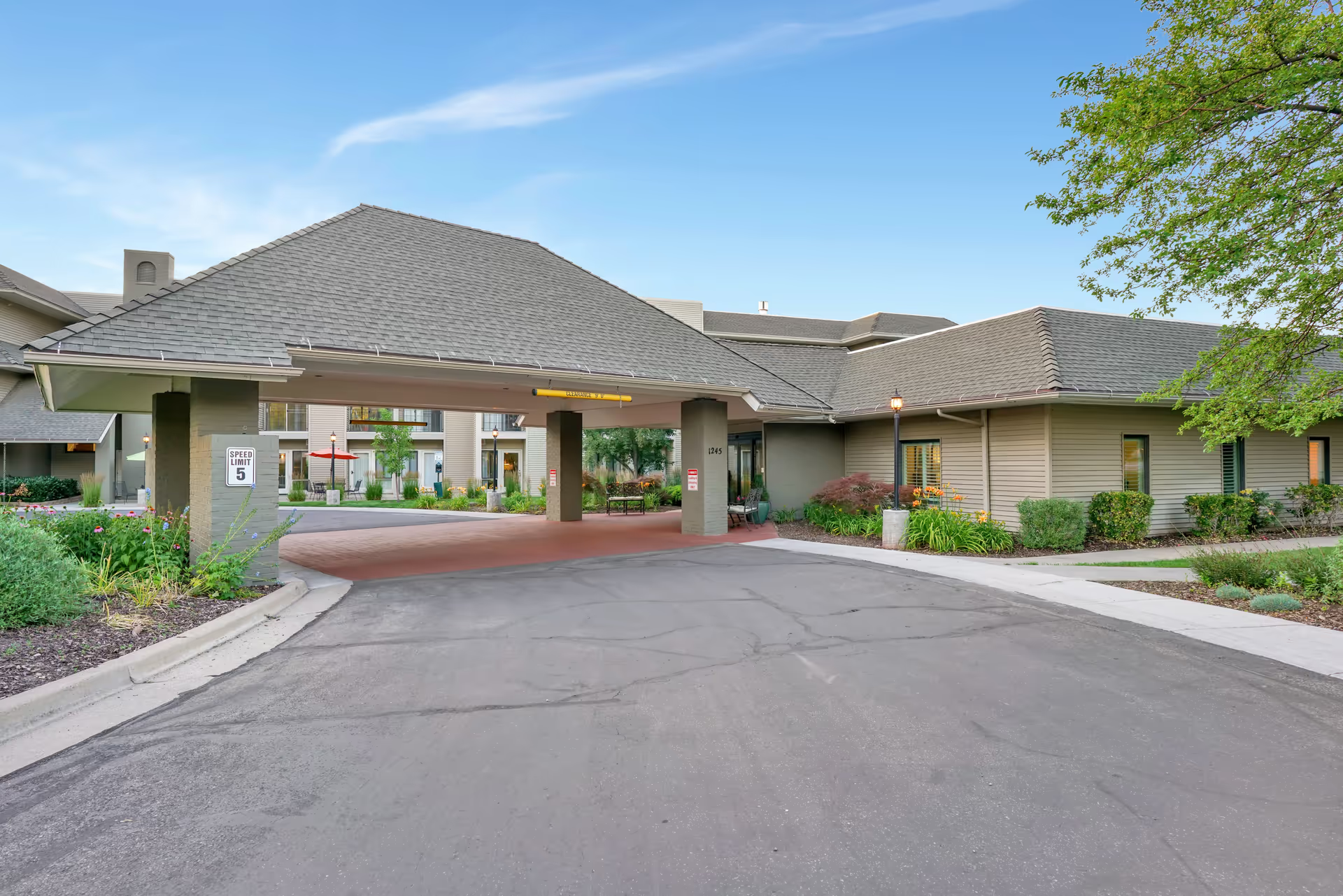
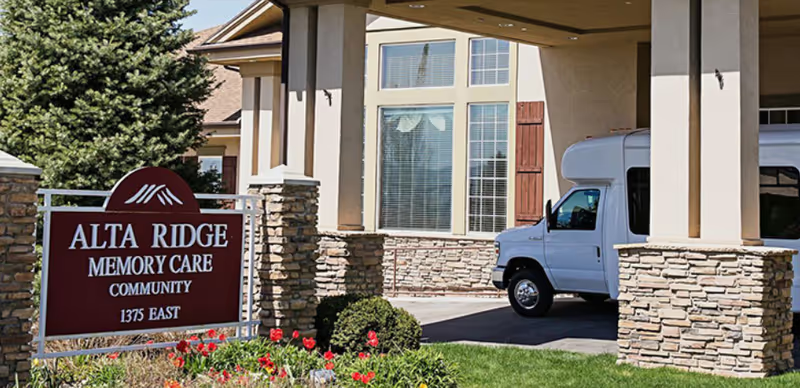
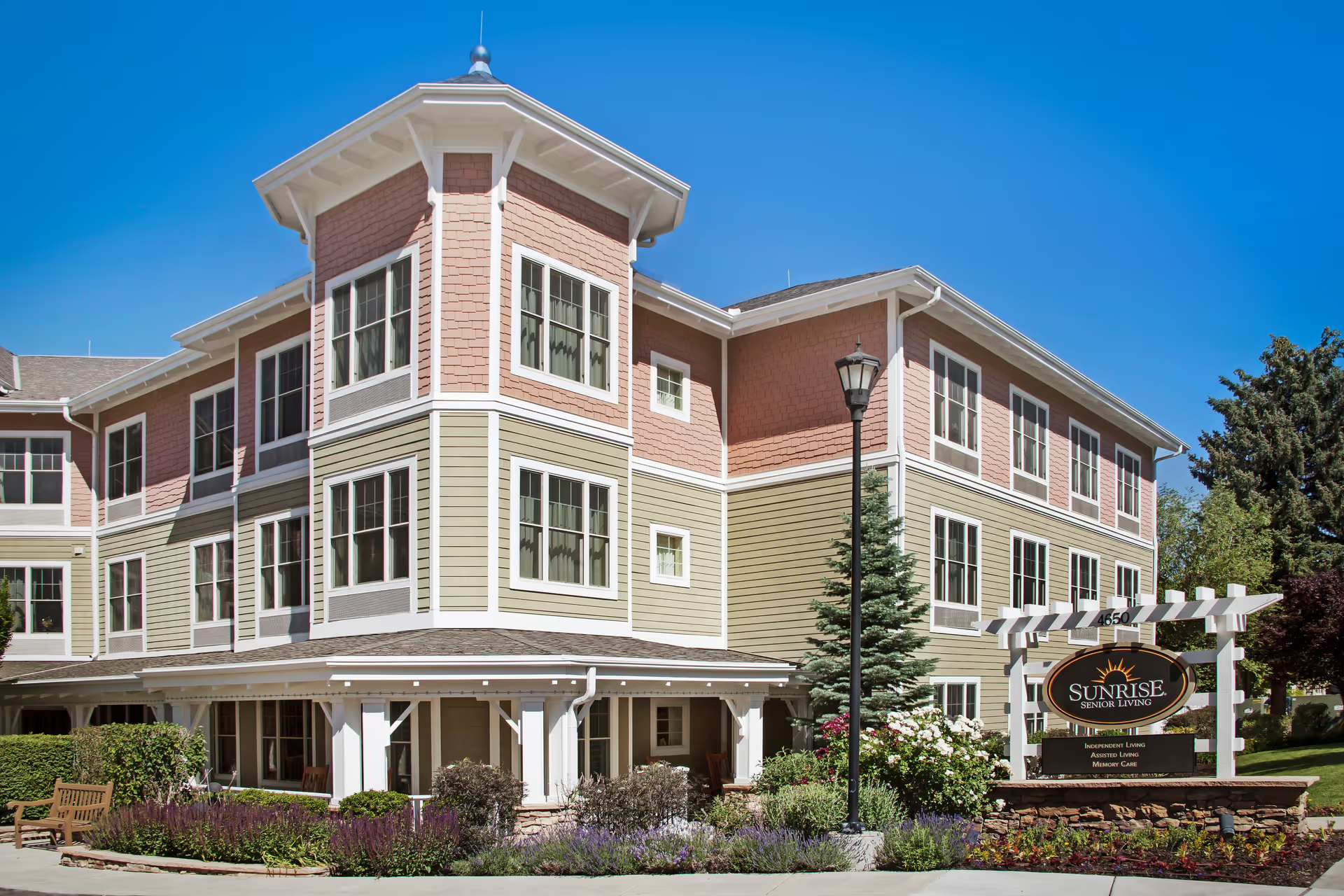
Facilities and housekeeping: The campus and interiors are frequently described as attractive, well-maintained, and creekside, with pleasant landscaping. Many families appreciate the clean, homey ambiance and personalized resident rooms. However, some reviews raise facility-level sanitation and maintenance concerns—examples include pest-control issues, inconsistent housekeeping of certain rooms or shared bathrooms, and issues with lost-and-found or unlabeled clothing handling. There are also occasional comments about small memory-care room footprints or design elements that may not suit every resident. Prospective visitors should inspect living areas, housekeeping routines, and storage/laundry labeling systems.
Safety and supervision: While some families feel residents are safe and well-supervised, other reviewers identify supervision gaps for mobile residents with fall risk and describe instances where care oversight could be stronger. These include concerns about monitoring during transitions and consistent reporting of incidents. It is advisable to review the facility’s fall-prevention protocols, supervision ratios in memory-care neighborhoods, and incident-reporting practices during a visit.
Management, communication and financial practices: Management impressions are mixed. Several reviews highlight proactive leadership, recent positive changes under new management, and staff who are open to feedback. Conversely, other reviews describe uneven management presence, delayed responsiveness on administrative matters, billing disputes, and difficulties obtaining refunds. Additional costs for transportation and medication dispensing are noted in some accounts. Prospective families should clarify fee structures, refund policies, and who to contact for clinical or billing escalations.
Notable patterns and guidance: The dominant pattern is of a facility that provides warm, program-rich living and individualized attention for many residents, paired with operational inconsistencies that tend to surface during staffing transitions or periods of high turnover. Key areas for on-site evaluation include: current staffing ratios and turnover history; medication-administration and incident-reporting procedures; recent pest-control and housekeeping records; meal-service samples; and concrete examples of how new residents are integrated into dining and activities. Asking for references from current families in both assisted living and memory care neighborhoods can also help prospective decision-making. Overall, families seeking a socially active, compassionate environment should weigh the facility’s strong social and aesthetic attributes against described variability in clinical consistency and housekeeping/pest-control follow-through.