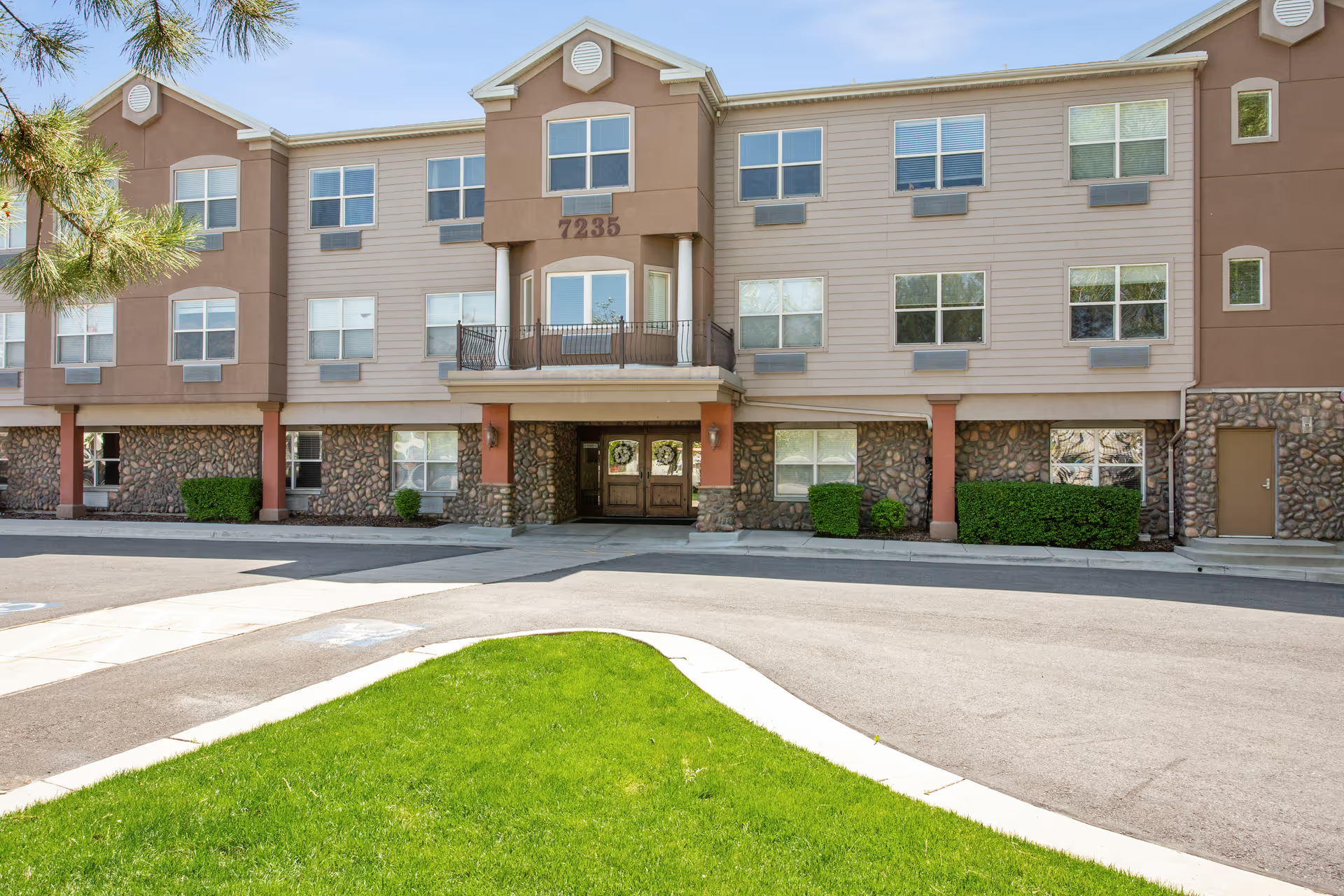
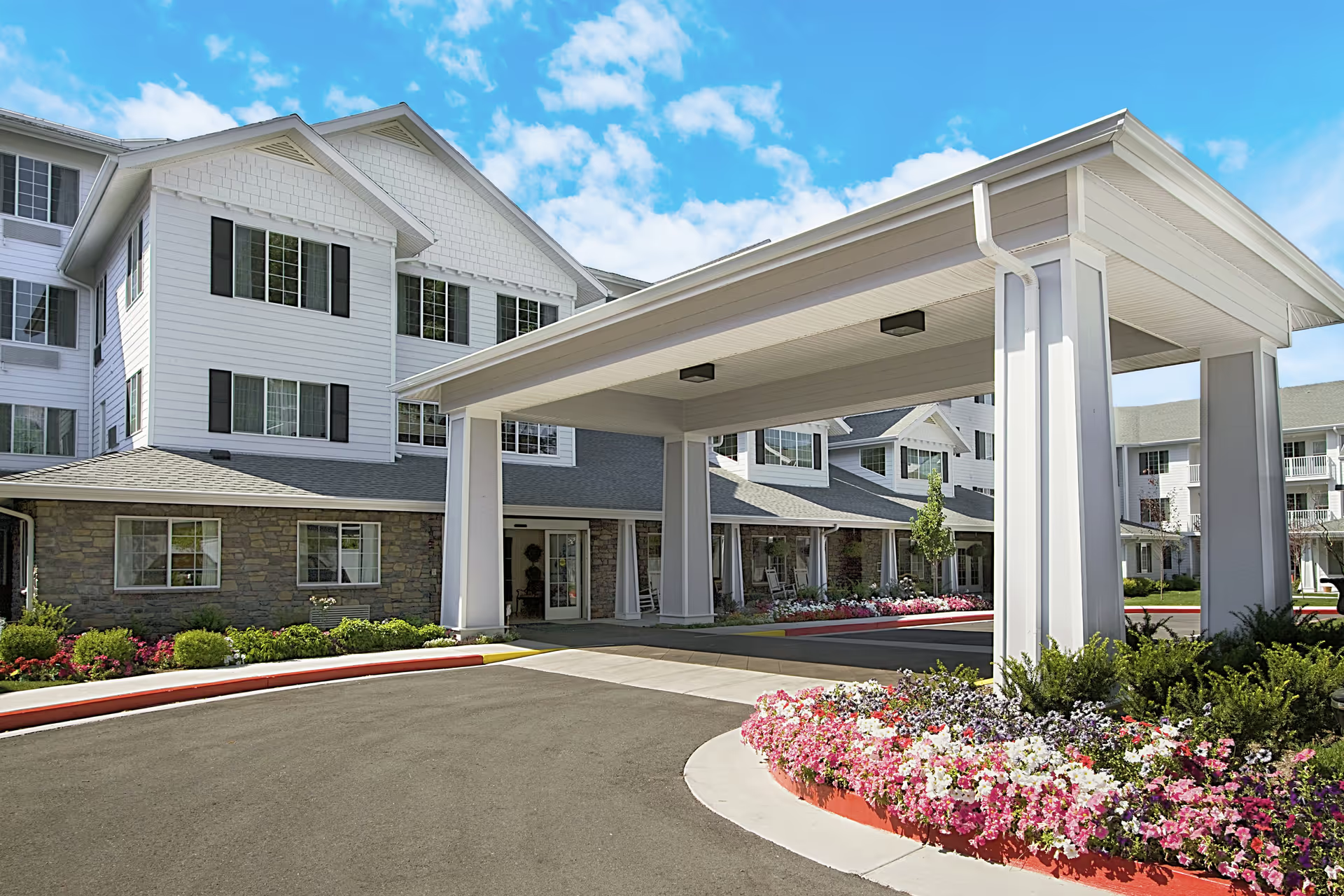
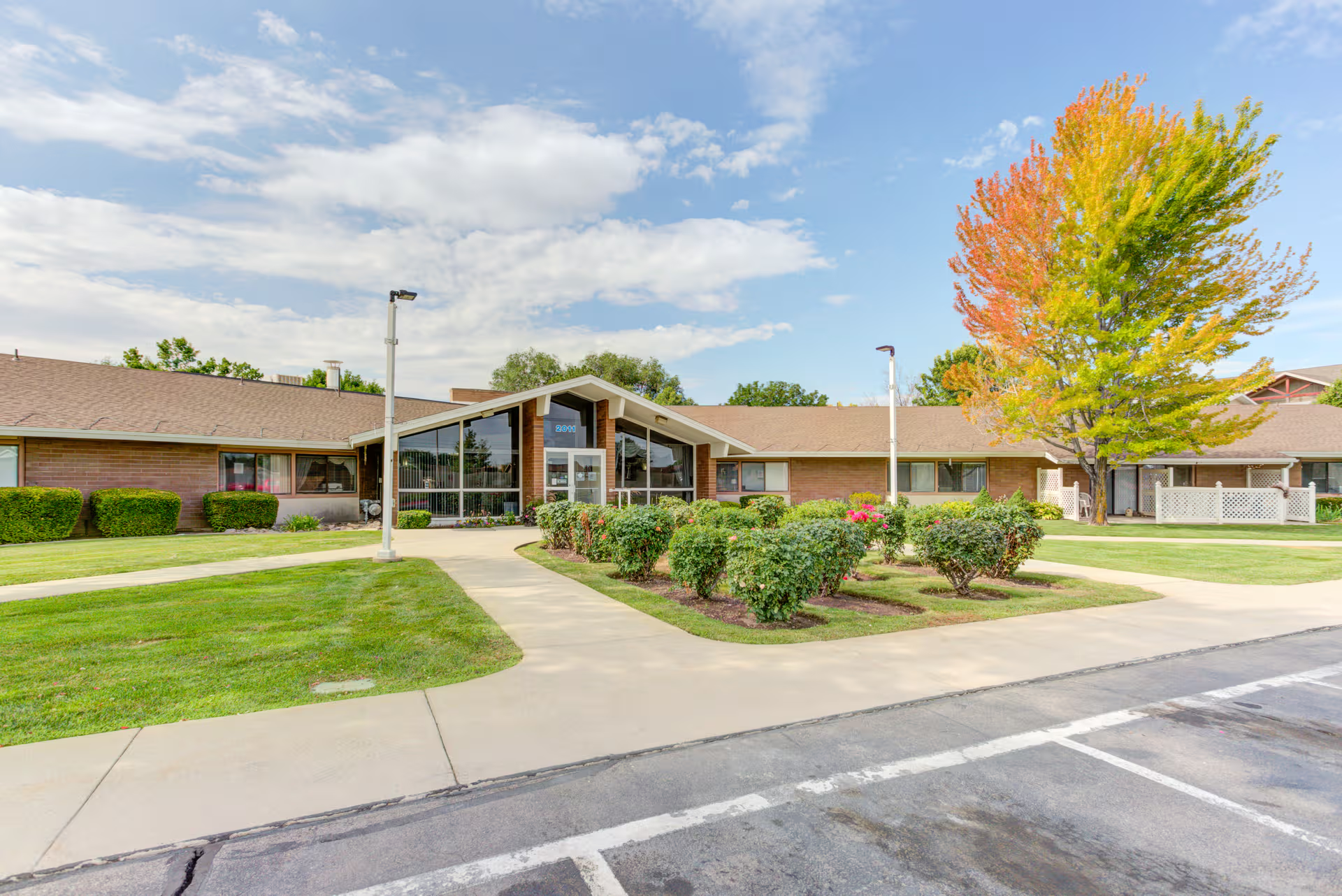
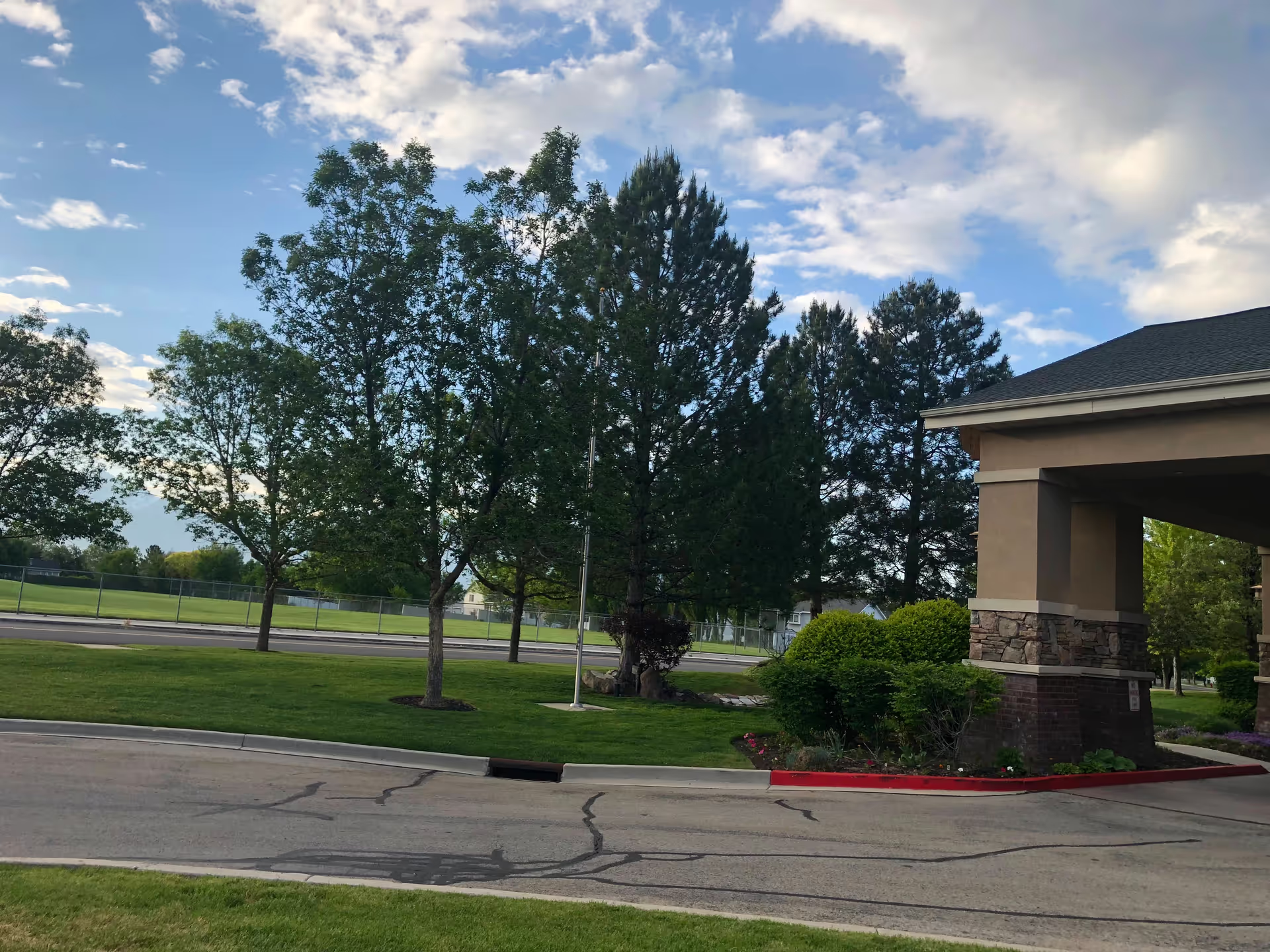
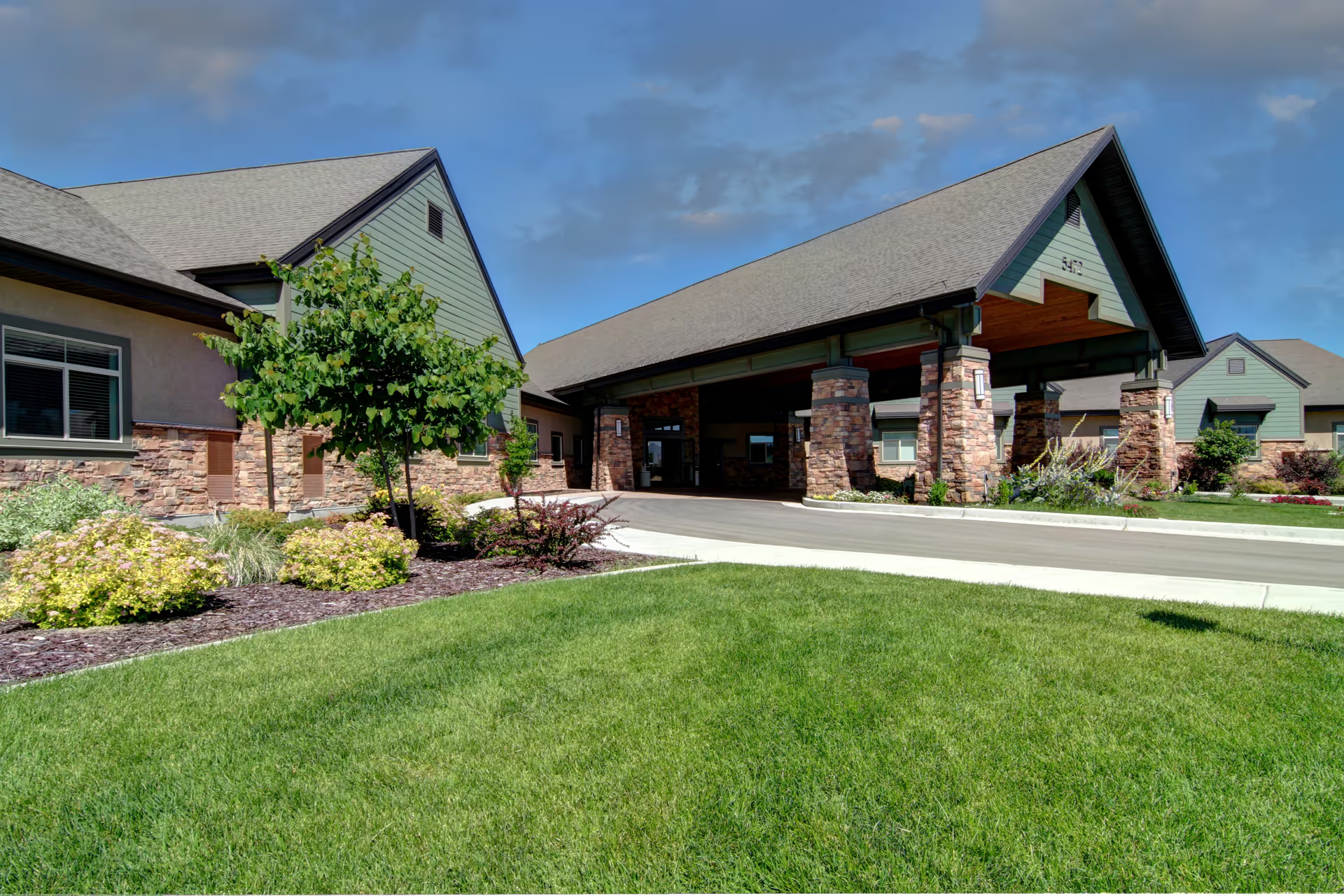
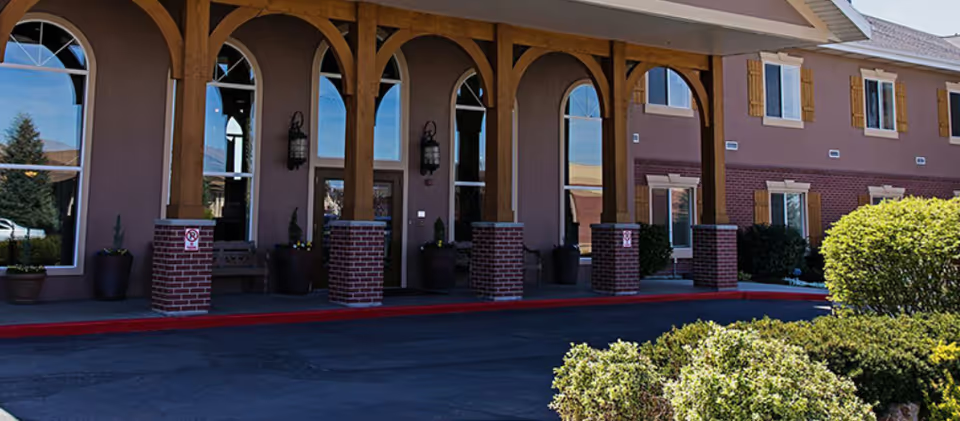
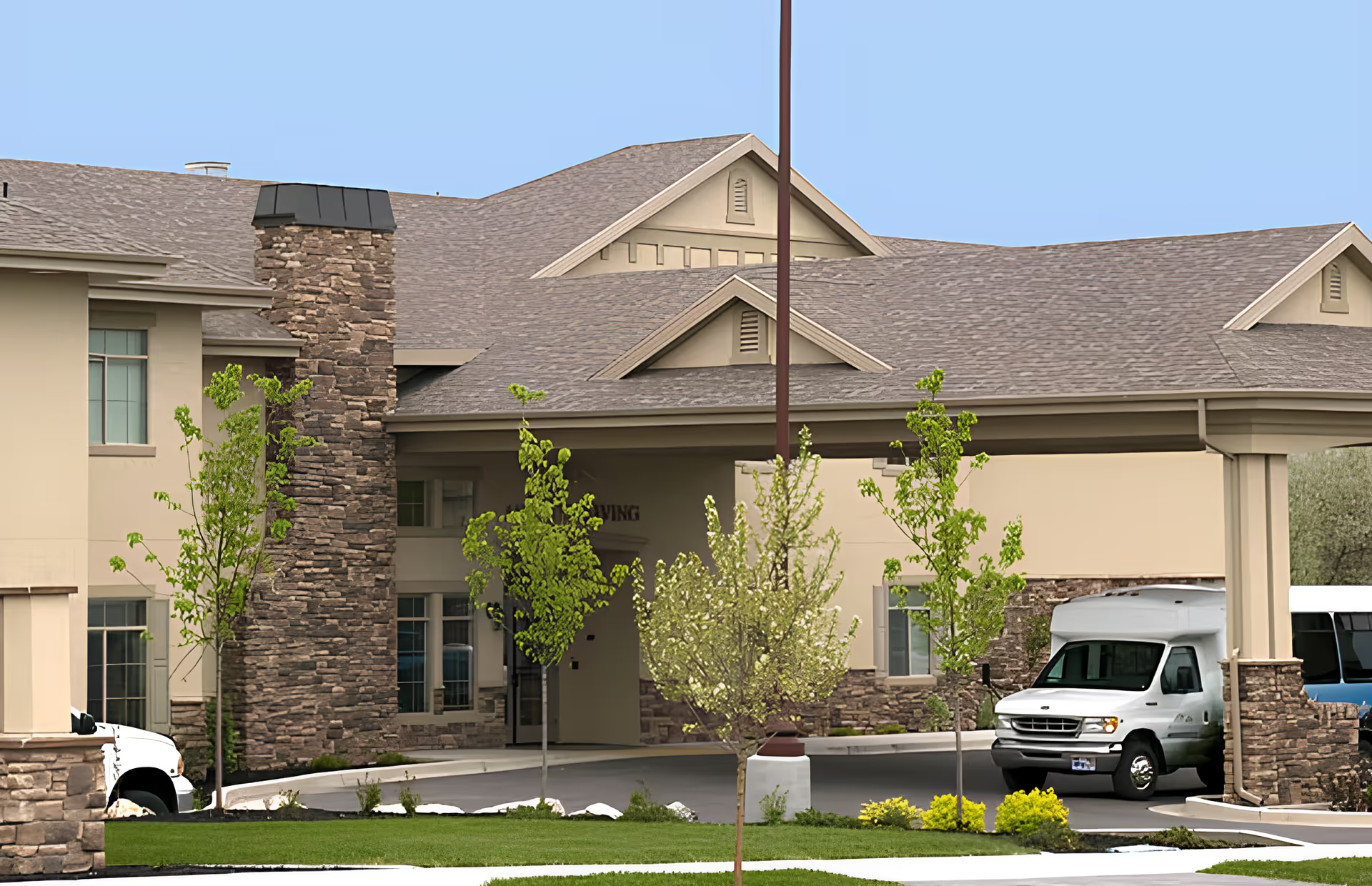
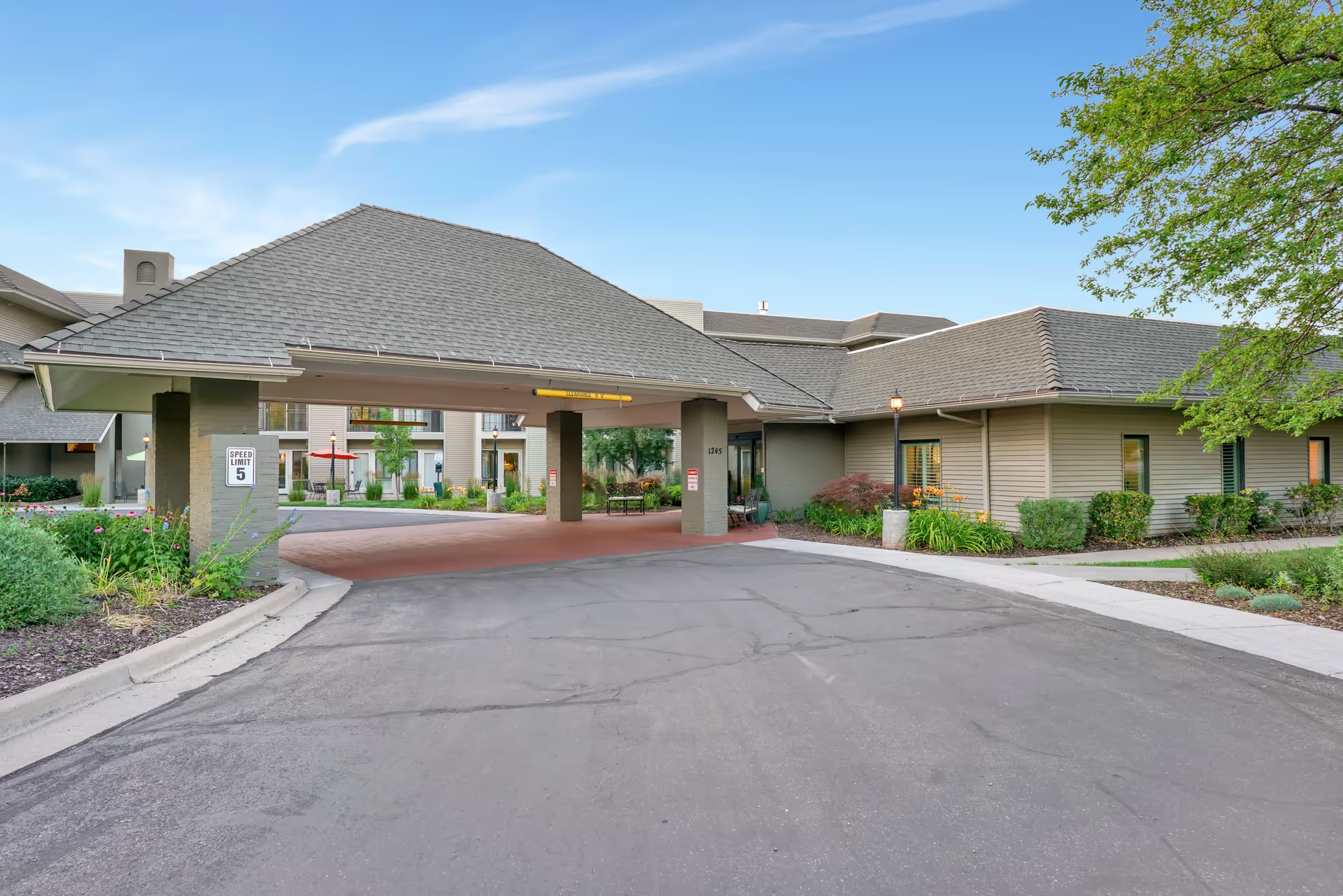
Overall impression: Spring Gardens Senior Living Midvale is described primarily as a small, recently updated 47-bed community with a strong family-style culture and many staff members praised for warmth, attentiveness, and personalized care. Multiple families highlighted exceptional CNAs, engaged nursing staff, an accessible administration in some cases, and end-of-life responsiveness. The facility's physical environment—clean, modern apartments with kitchenettes, attractive common areas (garden, bistro, outdoor fireplace), and convenient location—receives consistently positive comments.
Care and staff: The dominant theme across positive accounts is compassionate, individualized caregiving. Reviewers commonly describe CNAs and nurses who know residents personally, provide consistent communication with families, and make transitions comfortable. Conversely, there are recurring operational concerns: several accounts indicate staffing shortfalls that can affect timely assistance, and there are explicit concerns about medication-administration reliability and hydration/nutrition monitoring. These noteable clinical-process gaps suggest prospective families should review staffing ratios, medication-management protocols, and escalation pathways during a tour.
Dining and activities: Dining is a mixed but prominent theme. Many families praise on-site, restaurant-style meals, an engaged kitchen staff (named chefs are mentioned), and amenities such as an ice cream bar and bistro snacks. At the same time, several reviewers raise issues with inconsistent food quality and specifically inadequate diabetic meal accommodations. Some also referenced additional fees for room service or food delivery. The activity program is generally described as active and social—Bingo, crafts, movies, church services, outings, and opportunities for friendship are recurrent positives—though a few reviewers felt the activity offerings were moderate rather than exceptional and noted fewer religious services after ownership changes.
Facilities and amenities: The facility's small size is consistently framed as an advantage for social connection and individualized attention. Units are described as spacious with high ceilings and kitchenettes; common areas and landscaping receive favorable remarks. Limitations cited include a lack of a dedicated gym and the community's private-pay model (not accepting Medicaid), which affects affordability for some families.
Management, operations, and financial matters: Management impressions are polarized. Several reviewers name directors and admissions staff positively and describe open-door accessibility. At the same time, there are repeated complaints alleging that management can be sales-focused, insufficiently responsive to complaints, and opaque around billing—examples include unexpected fees, rent increases, and questions about financial practices. A subset of reviews includes more serious claims about obstructing escalation to higher-level care and retaliatory responses; given the gravity of such claims, prospective families should request documentation of incident-handling policies, grievance procedures, and any regulatory history.
Notable patterns and recommendations: The review corpus is highly polarized—many families report excellent, personalized care and a warm community, while a smaller but vocal set of critiques raises operational and clinical-process concerns. Key areas to verify in person are diabetic and special-diet accommodations, medication-administration procedures, staffing levels during different shifts, billing and fee schedules, and how the community handles clinical escalation and family complaints. Asking for references from current families, viewing recent inspection or licensing reports, and requesting sample menus and staffing rosters can help balance the positive cultural indicators against the operational issues flagged in some reviews.