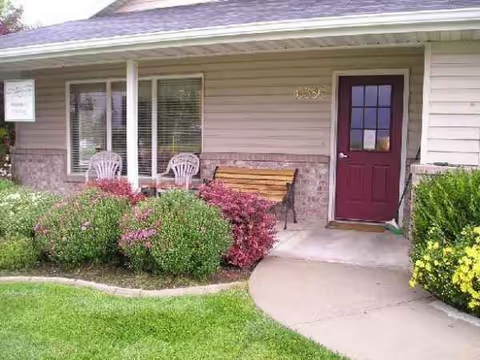
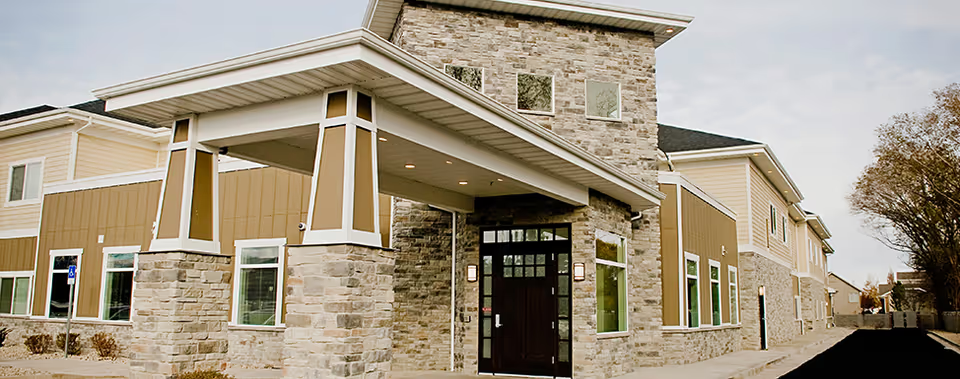
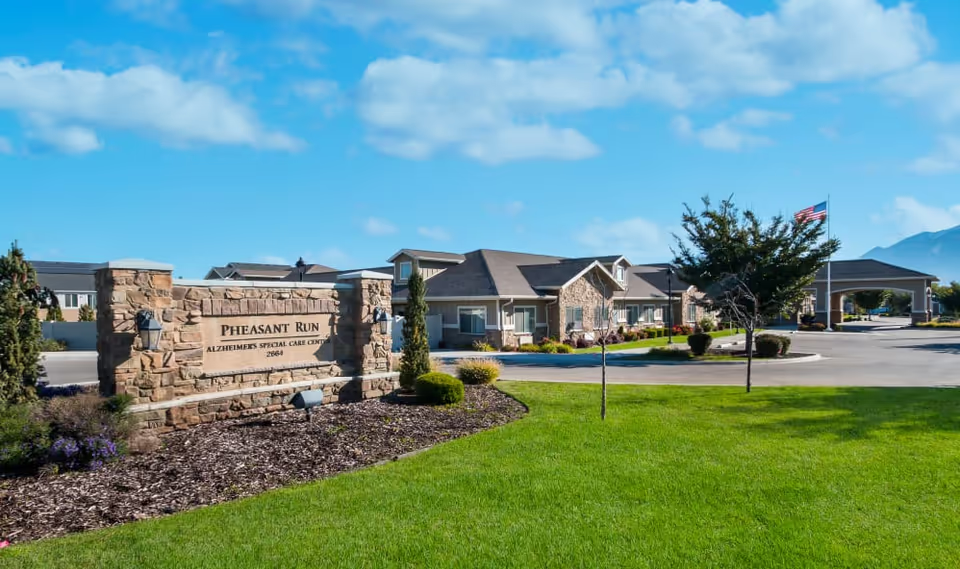
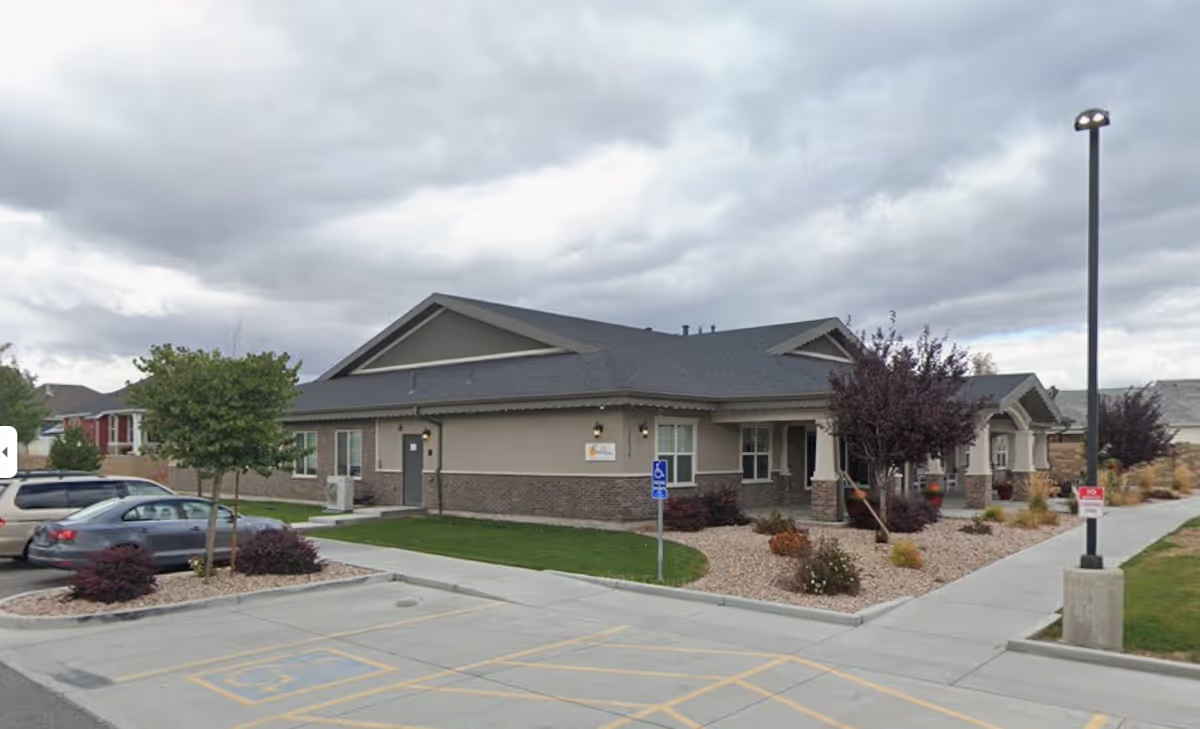
Carrington Court presents as a small, well-kept assisted living and memory-care community with many features families cite as strengths: clean, attractively decorated common spaces; private apartments with kitchenettes; an on-site salon; and accessible outdoor courtyard and gathering areas. The facility projects a home-like, family-oriented atmosphere supported by daily housekeeping, laundry service, and visible direct-care staff. Memory-care programming and music-related activities (including piano and music therapy) are repeatedly highlighted, and the activities calendar includes regular outings, crafts, church services, exercise classes, and holiday events. Several reviews single out the activities director and dining staff for consistently positive engagement and creative programming.
Clinical and hands-on care receive mixed but generally positive descriptions: many families praise compassionate, attentive CNAs, hands-on direct-care staff, and coordination with hospice and home-health providers. On-site medical access (podiatry, MDs) and administrative responsiveness are noted as advantages for routine needs. At the same time, multiple reviews raise concerns about consistency in nursing coverage and medication administration practices, including instances of medication errors, delivery delays, and gaps in clinical oversight. Those pattern-level issues suggest prospective families should confirm current nursing staffing levels, medication-administration protocols, and pharmacy relationships during a tour.
Dining and social life are strong selling points for most visitors: family-style dining, guest-meal options, occasional special dinners, and a generally social dining room are frequently described. However, meal quality is described as variable — often praised but occasionally characterized as inconsistent — so prospective residents may wish to sample meals or ask about menu rotation and special-diet accommodations.
Management and operational concerns recur in the feedback. Reviewers describe periods of high administrator turnover and limited owner accessibility, as well as communication gaps between admissions/marketing and families. Infection-control weaknesses (including PPE supply issues and outbreaks of respiratory or gastrointestinal illness in some periods) and supply-chain delays for medications are mentioned; these flags point to the importance of asking about current infection-control policies, staff vaccination protocols, and contingency plans. Privacy and record-handling concerns, and at least one serious allegation of abrupt discharge tied to payment/transition issues, indicate families should review the written admissions contract, eviction/financial policies, and HIPAA/privacy safeguards before committing.
Overall, Carrington Court appears to offer a warm, activity-rich environment with many caregivers who build strong relationships with residents. Its strengths are most apparent for families prioritizing social engagement, cleanliness, and a compassionate direct-care team. Areas to probe further during a visit include current nursing coverage and medication-safety procedures, administrative stability and communication practices, infection-control readiness, and the facility’s written financial and end-of-life care policies. Asking for references from current families, recent staffing ratios, medication-administration audit results, and copies of key policies will help translate the generally positive impressions into an informed placement decision.