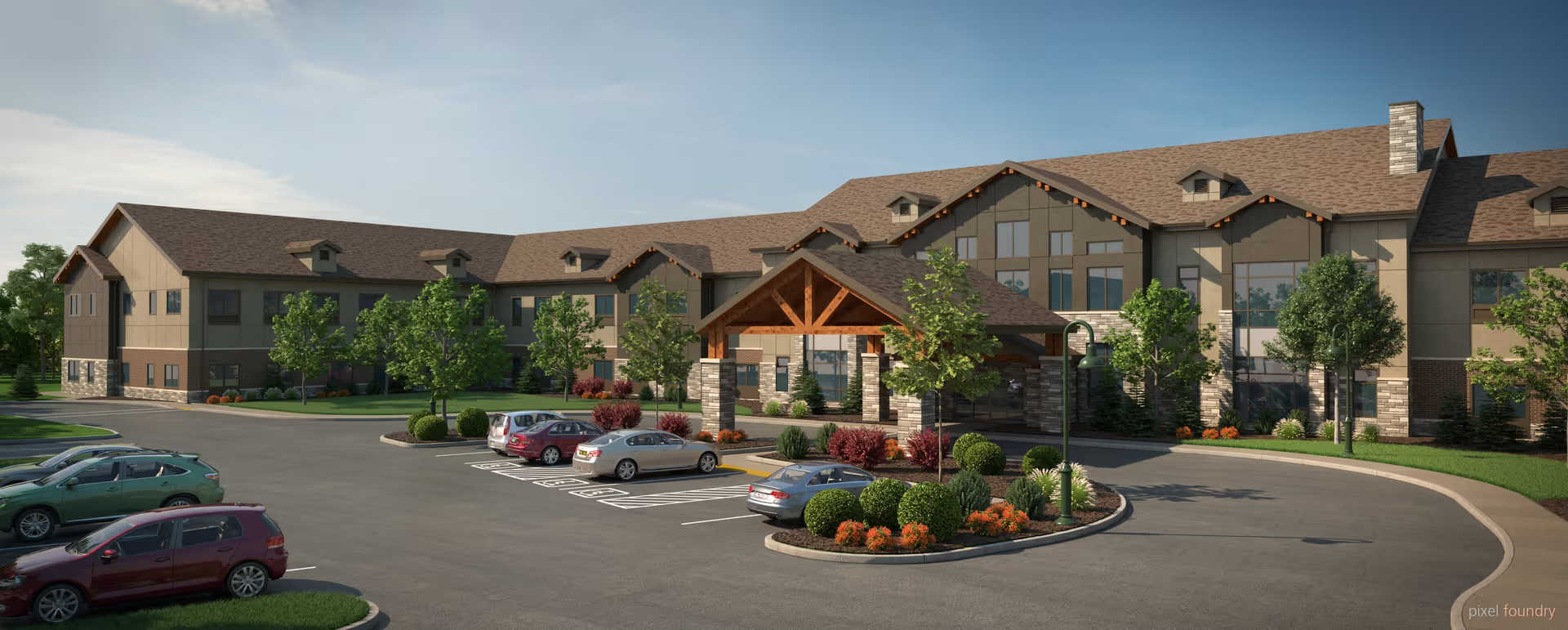
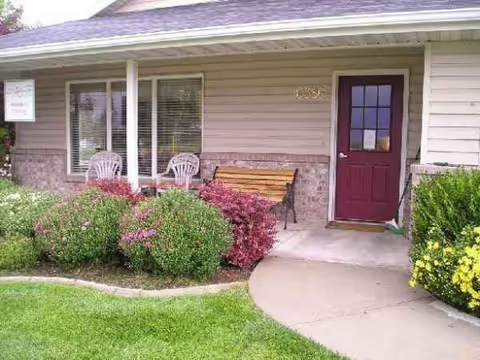
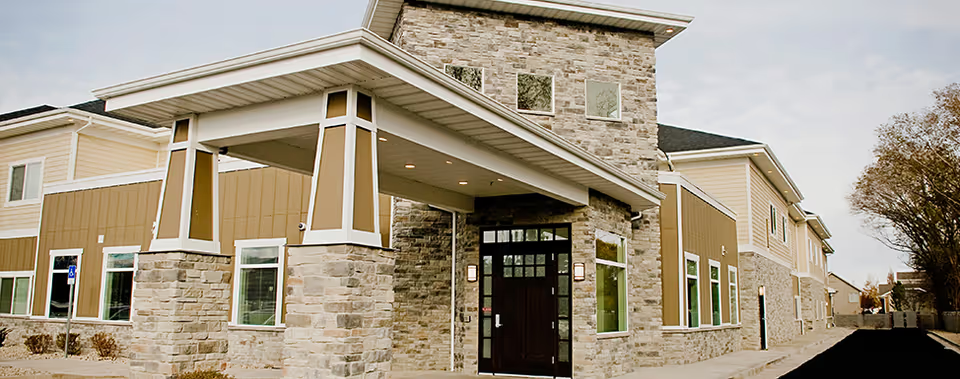
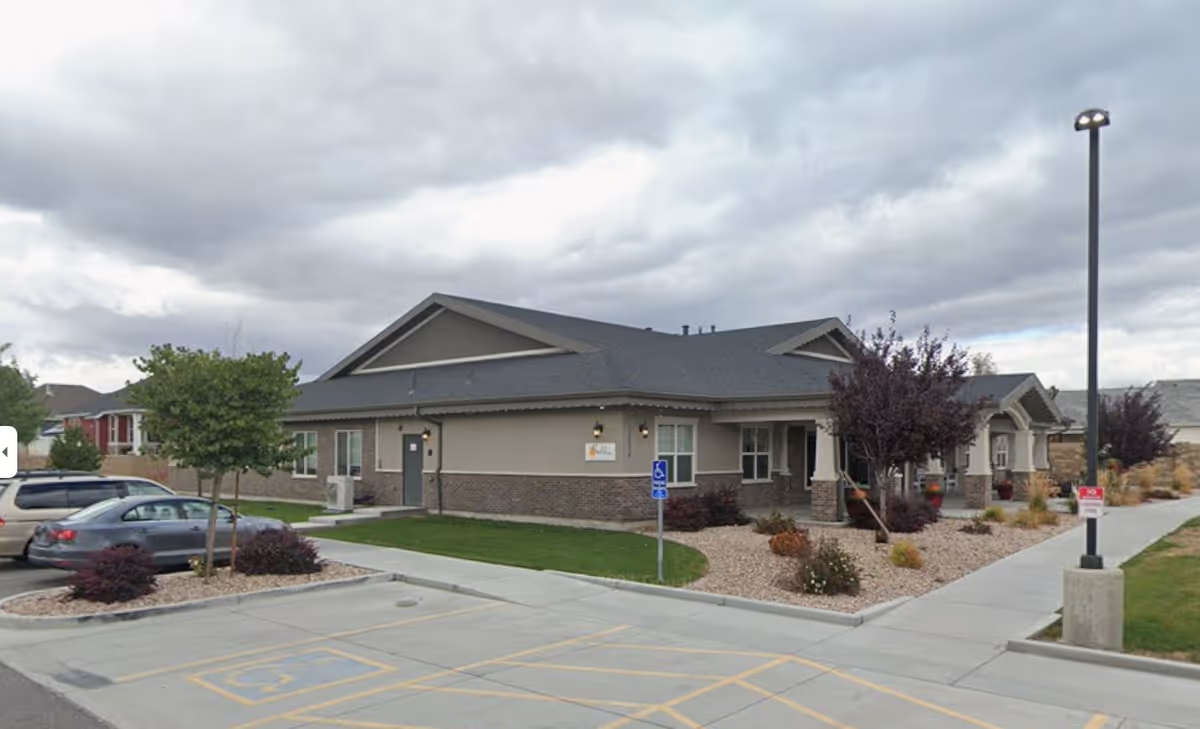
The Peaks at South Jordan is consistently described as a dedicated memory-care community with a strong emphasis on compassionate, resident-centered caregiving. Many families highlight staff who build personal relationships with residents, visible and involved leadership, and a team that understands Alzheimer’s and dementia care. The environment is frequently characterized as bright, clean, and home-like, with tasteful decor, multiple family and dining rooms, landscaped courtyards, and a circular, ambulation-friendly floor plan that supports safety for residents with memory loss. Private rooms with ensuites and safety features are commonly noted as strengths.
Dining and daily life are generally positive features: reviewers mention restaurant-style dining, accommodated diets, frequent activities (including live entertainment, outings, and classroom-style dementia education for families), and a schedule that keeps residents engaged. On-site services such as a salon, transportation van, and coordinated hospice support are further strengths. Many families emphasize the facility’s attention to transitions and move-ins, noting celebratory touches and hands-on reassurance from staff and leadership.
Despite these strengths, reviewers also describe recurring operational weaknesses. Staffing levels and turnover are a persistent concern; several comments point to understaffed shifts (particularly at night), long staff hours, and uneven performance among direct-care workers. Relatedly, there are accounts that suggest variability in training and skill levels for some CNAs, and occasional language or communication barriers that affect daily care. Families have also cited inconsistent laundry processes and variable meal quality or limited variety at times.
More serious operational concerns center on clinical oversight and family communication. Some reviewers describe incidents that raise questions about medication-management processes and the timeliness of clinical responses; these accounts suggest the need for clearer protocols and stronger supervision of medication administration. There are also mentions of communication lapses with families after critical events and of administrative issues tied to ownership or management transitions. Given the gravity of a few isolated allegations involving clinical care and legal matters, prospective families should inquire directly about the facility’s medication-safety policies, incident-reporting procedures, staff certification and training programs, and recent regulatory history.
For families considering The Peaks at South Jordan, a balanced approach is advisable: visit during multiple times of day to observe staffing levels and staff–resident interactions; ask for specifics on staffing ratios, night-shift coverage, and contingency plans for call-outs; review medication-administration policies and nursing oversight; request examples of activity programming tailored to different functional abilities; and verify procedures for laundry, billing, and family notification. The community shows many hallmarks of strong memory-care practice, but some operational inconsistencies and staffing challenges merit direct questions and documentation before placement.