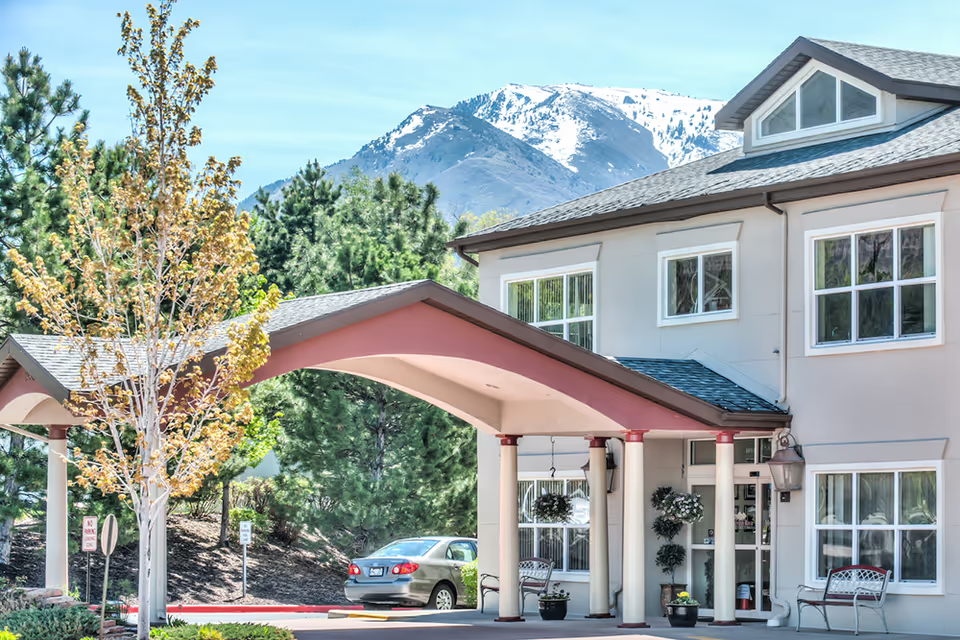
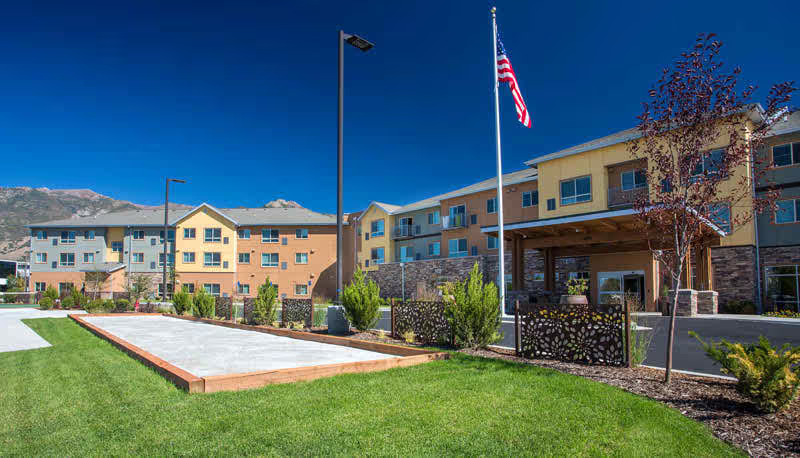
Reviews of Apple Inn at Apple Village are mixed, with a clear split between strong interpersonal strengths and recurring operational concerns. Many family members and residents praise the caregiving staff for being compassionate, friendly, and social; several reviewers described individualized attention, helpful front-desk interactions, and administrators who were responsive in some cases. The community offers a broad activities program (exercise groups, crafts, choir, outings and bus tours), attractive common areas including a well-regarded dining room, salon and theater, and pleasant outdoor spaces and scenic views that contribute to a strong sense of community for many residents.
Care quality shows divergent experiences. Positive accounts emphasize attentive aides, appropriate bathing assistance, and staff who develop warm relationships with residents. However, a pattern of inconsistent staffing levels was reported, with accounts of delayed assistance, incomplete showers, and slow emergency response. A subset of reviews described serious clinical concerns such as medication-administration failures and at least one instance of a resident found unattended after a fall; these descriptions point to gaps in medication management and in clinical-incident response that families found worrisome.
Dining and housekeeping feedback is variable. Many reviewers appreciated the dining room ambiance and a variety of meal options and activities centered on food, while others described inconsistent meal service (timing, temperature, portion size) and food-safety or sanitation lapses in some service areas. Housekeeping and room-cleaning practices were also described as uneven: some units and common spaces were noted as clean and well-decorated, while other areas had maintenance issues, odor concerns, or visible cleanliness problems.
The memory-care unit is a notable mixed area. The unit provides secure wander-prevention and clinical oversight appropriate for level-2 needs for some residents, but several reviews raised concerns about staffing adequacy, delayed assistance on the memory-care side, small or windowless rooms, and safety supervision. Prospective residents with progressing dementia should specifically evaluate the unit’s layout, visibility, staffing ratios, and daily routines.
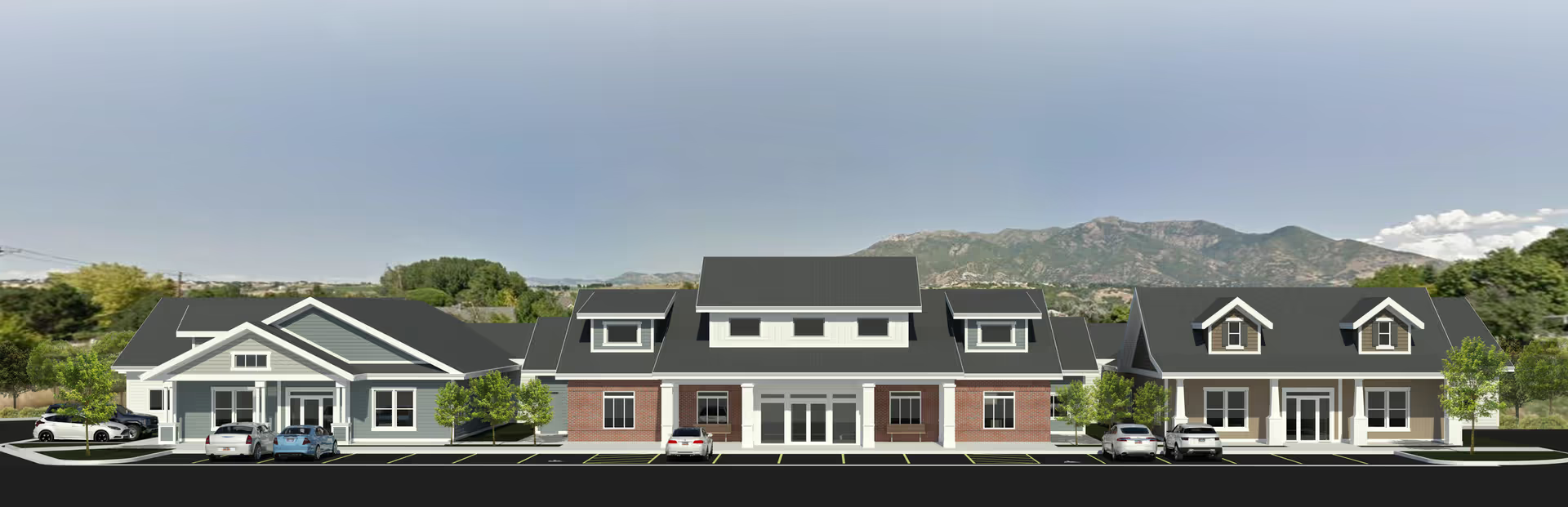
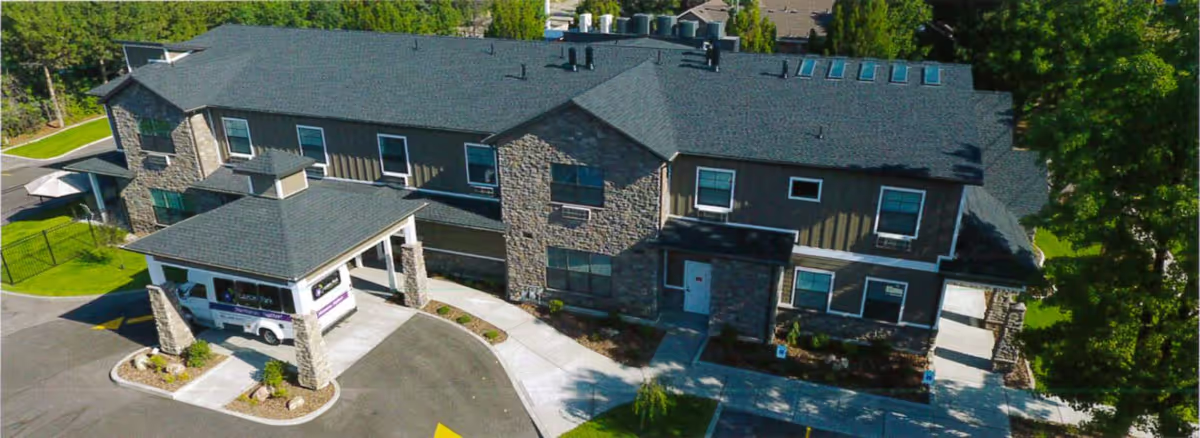
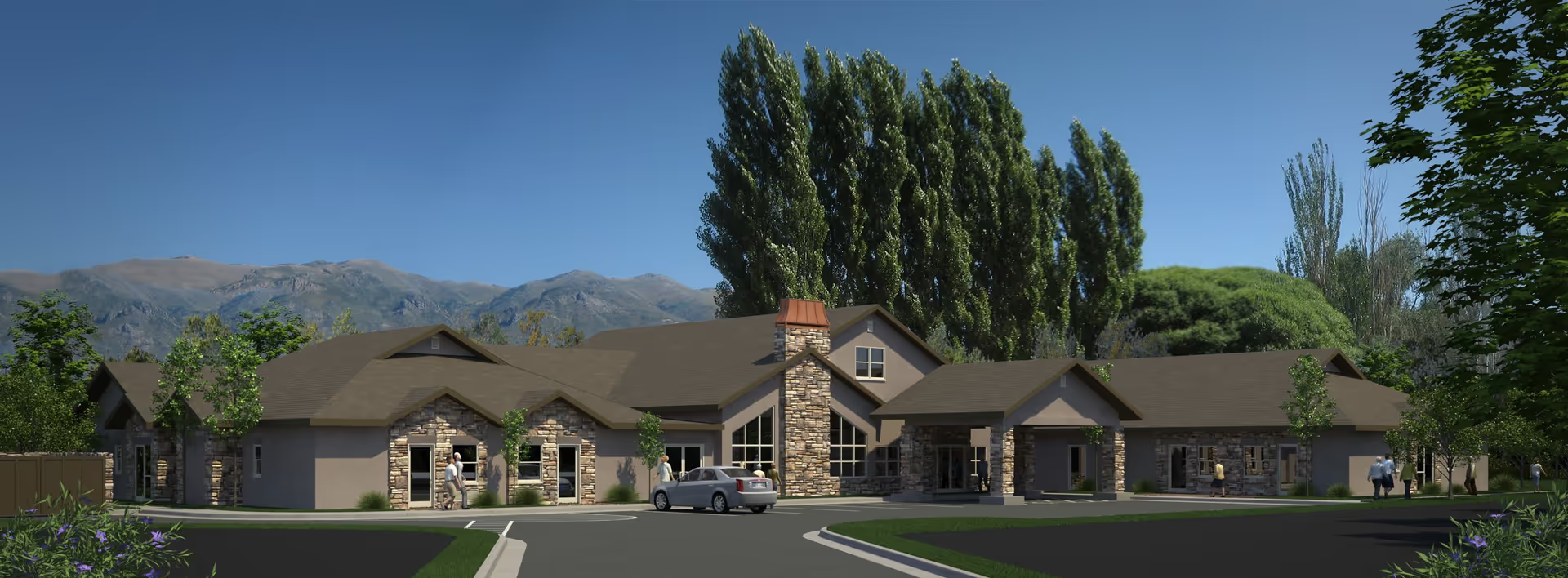
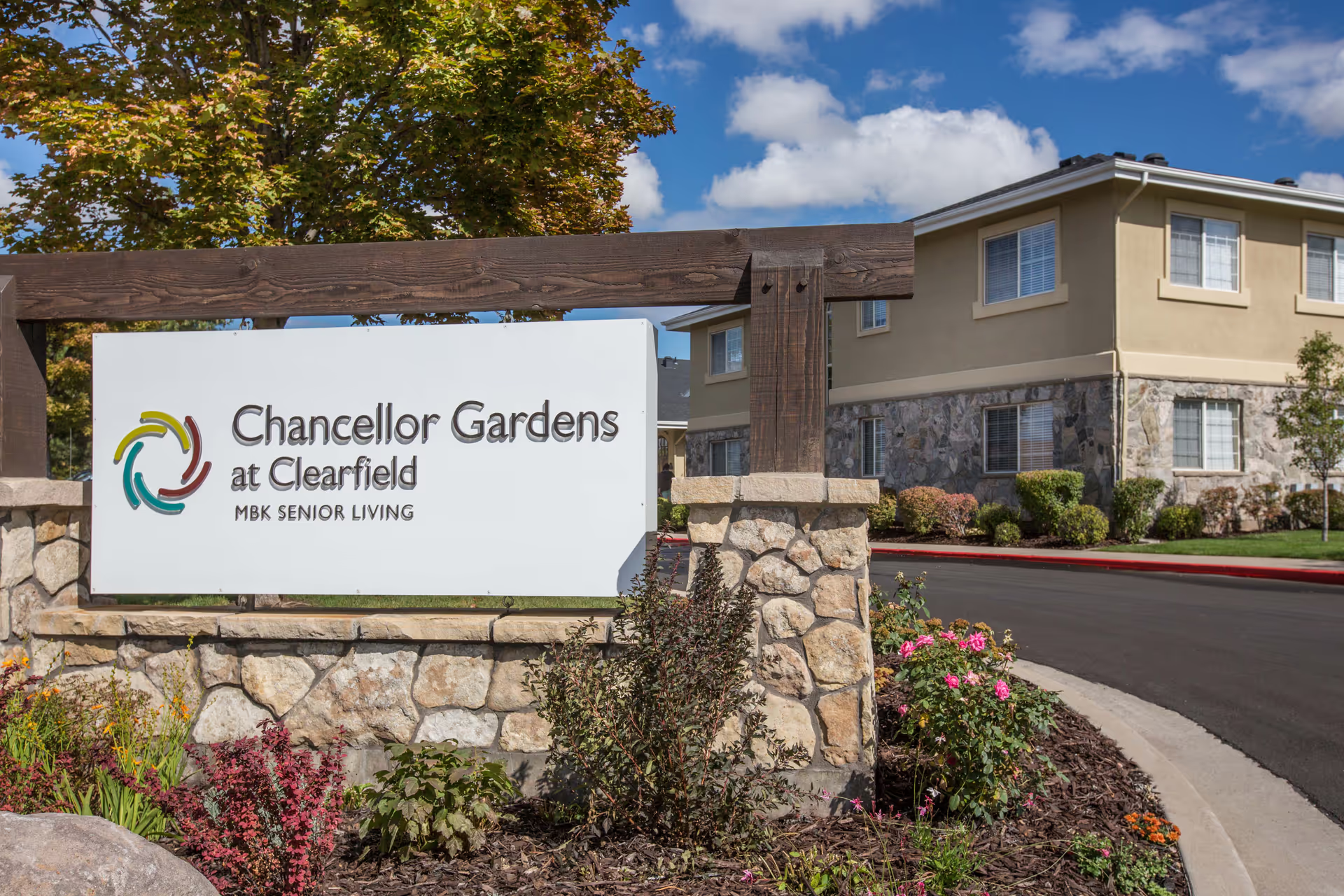
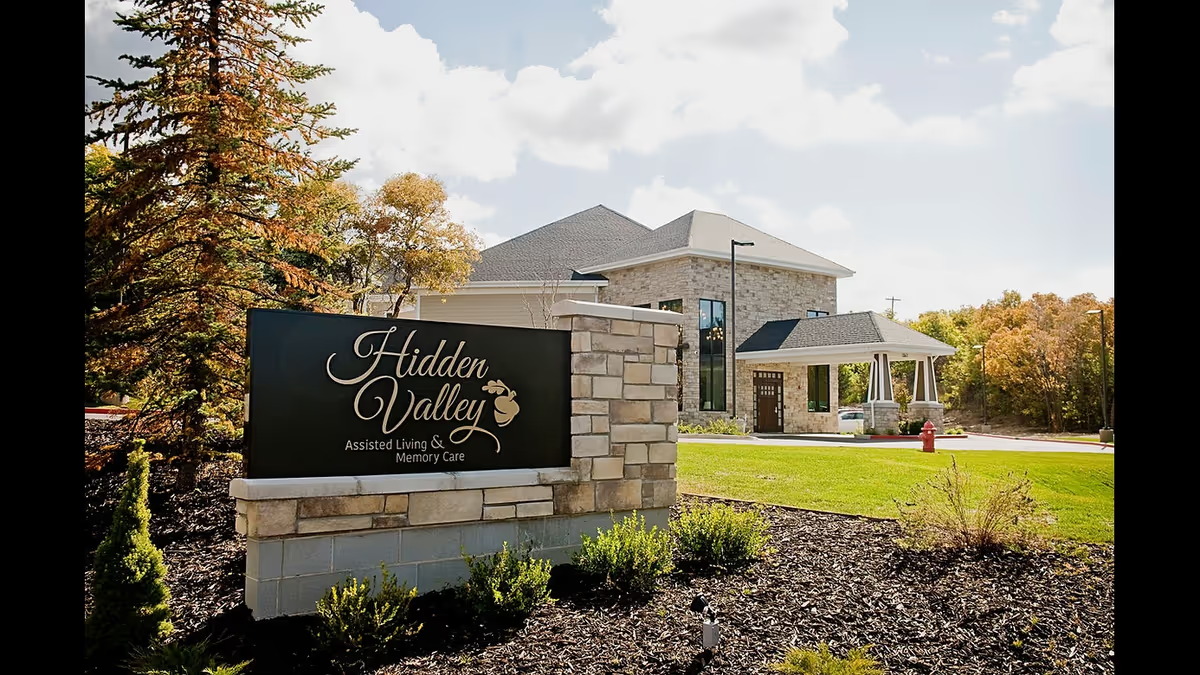
Facility condition and management show inconsistency. Many reviewers described a well-maintained, homey campus with renovations, organized common rooms, and attractive landscaping. Conversely, others noted localized maintenance problems (leaks, musty areas), pest-control concerns, and variability in administrative availability and communication style. Financially, several families described rate increases and perceived cutting of staff hours, creating a tension between cost and expected level of service.
Overall, Apple Inn at Apple Village offers strong social programming, pleasant grounds, and many examples of compassionate caregiving. At the same time, recurring operational issues — inconsistent staffing, medication-management gaps, variable sanitation and housekeeping, and mixed administrative responsiveness — merit careful inquiry. Prospective residents and families should tour multiple times, observe staff–resident interactions during different shifts, ask for current staffing ratios and medication-safety protocols, request documentation of housekeeping and maintenance schedules, confirm transportation options for medical appointments, and review recent inspection records and contract terms before deciding.