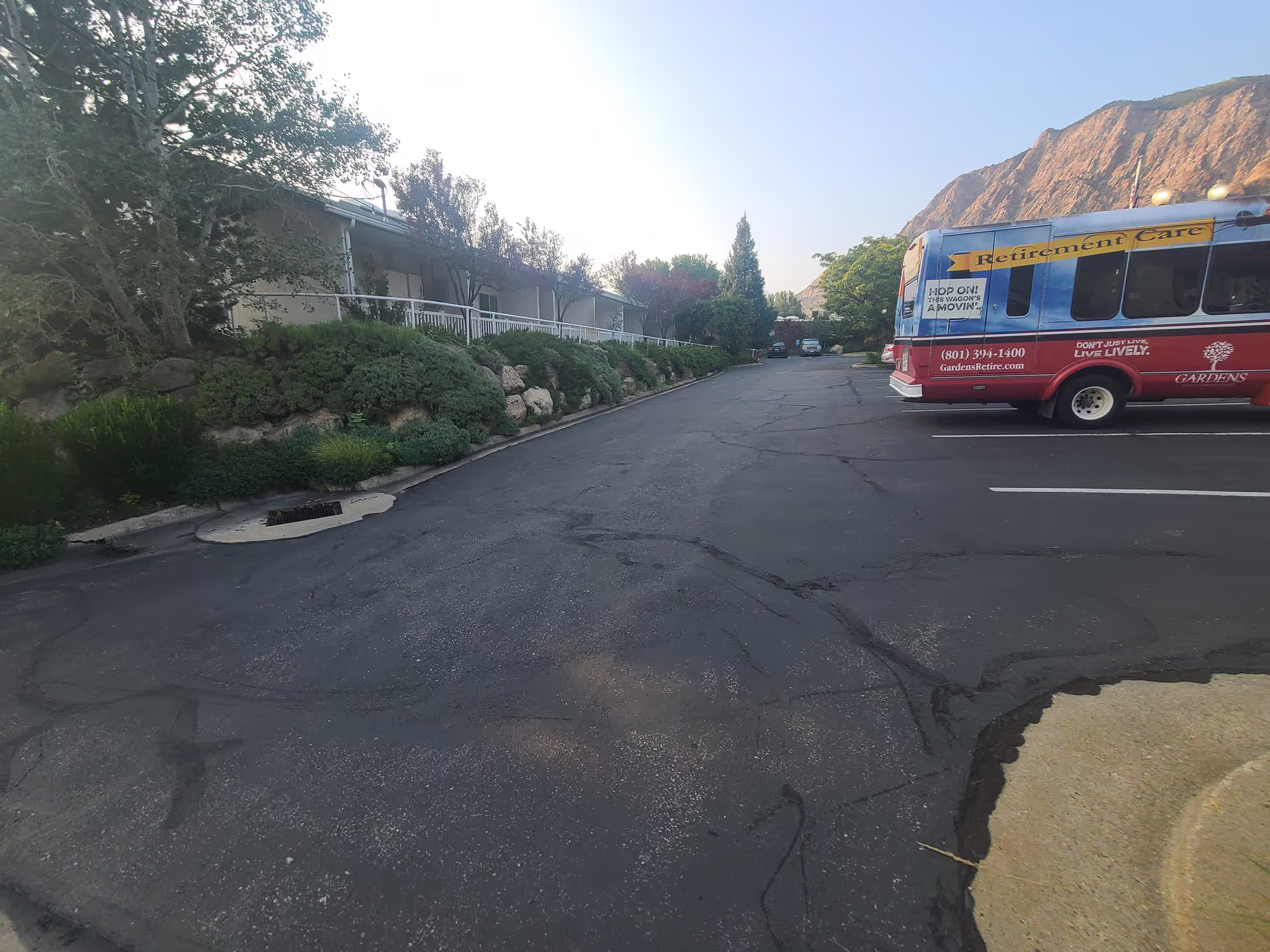
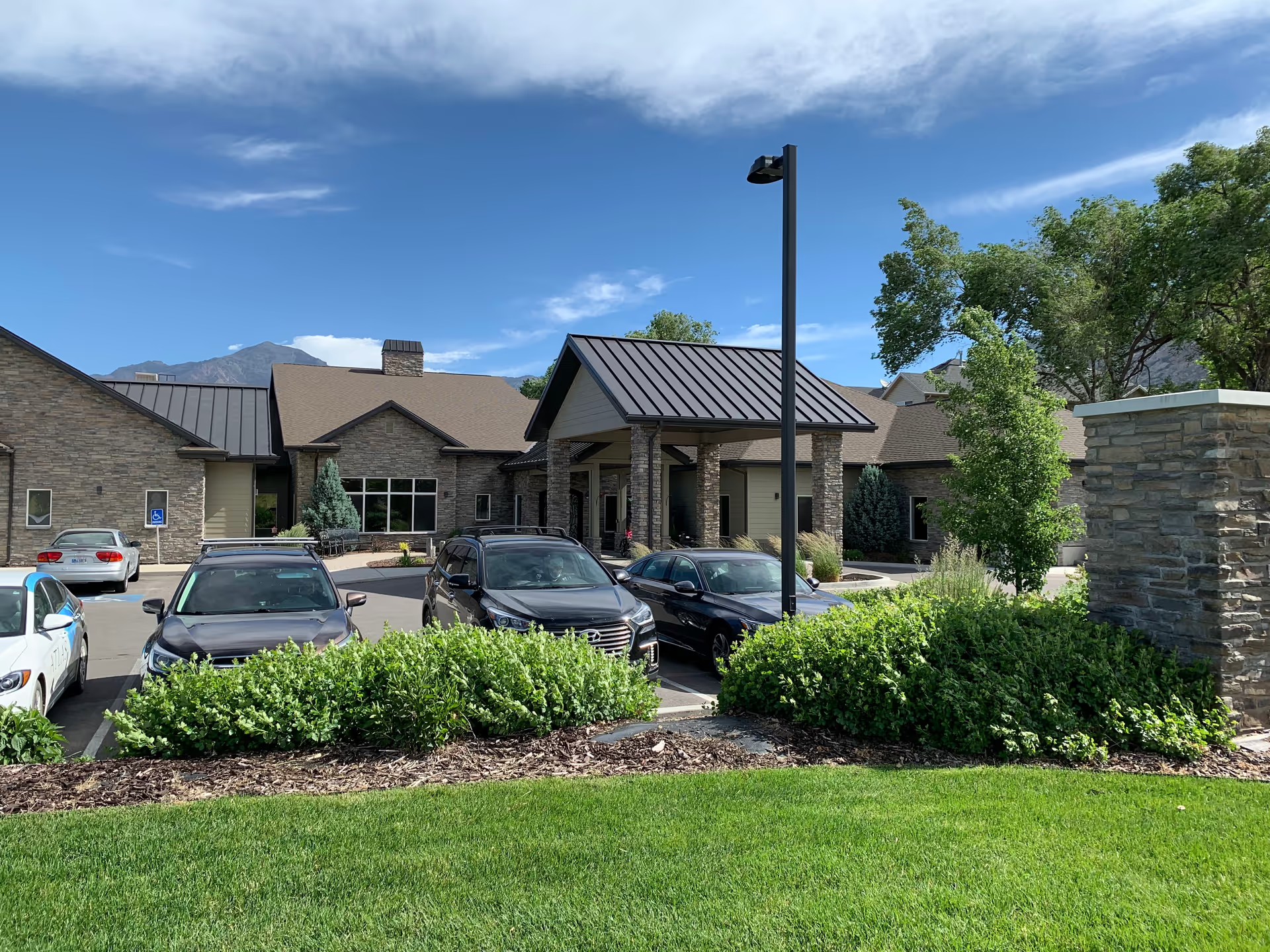
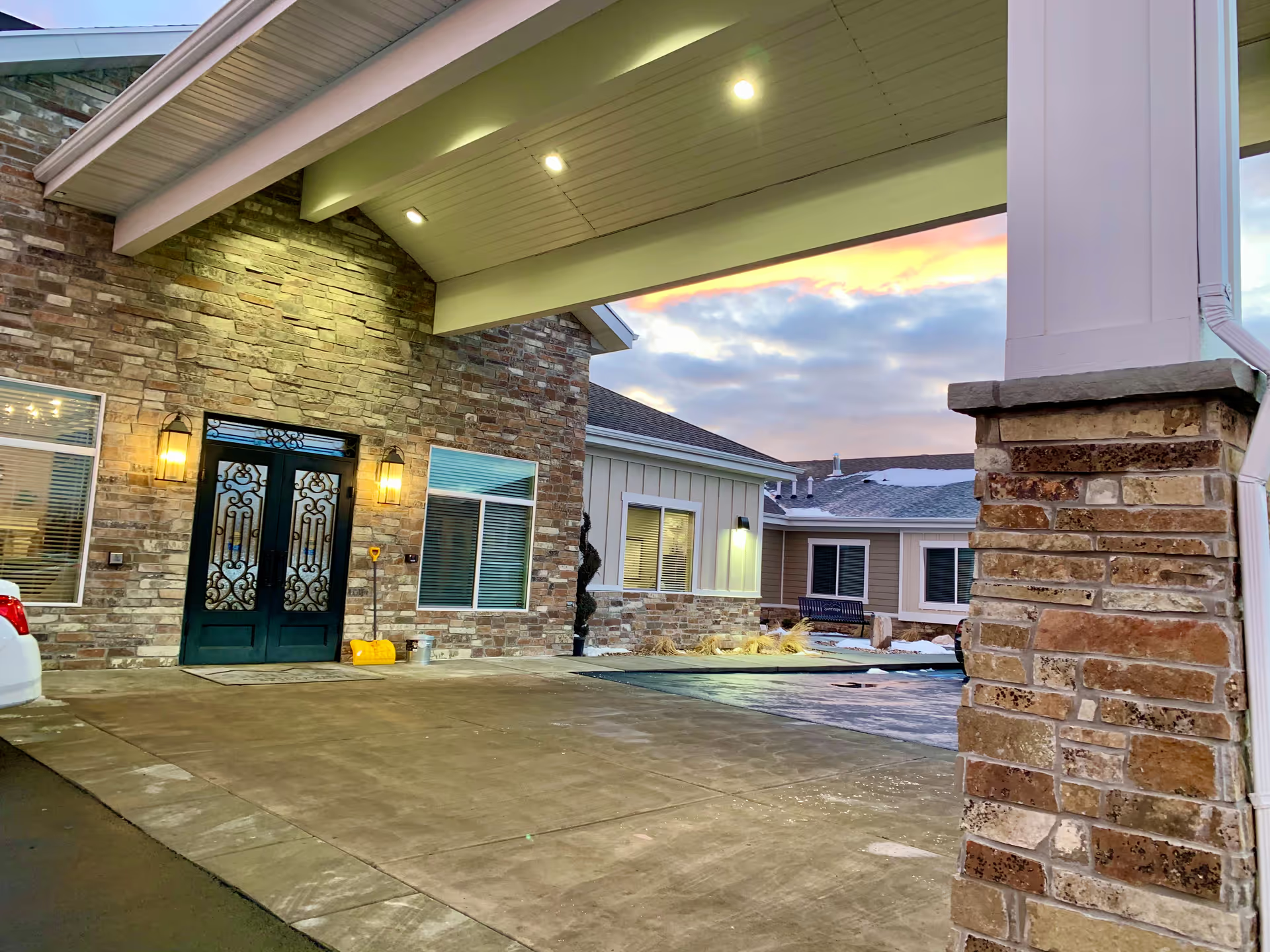
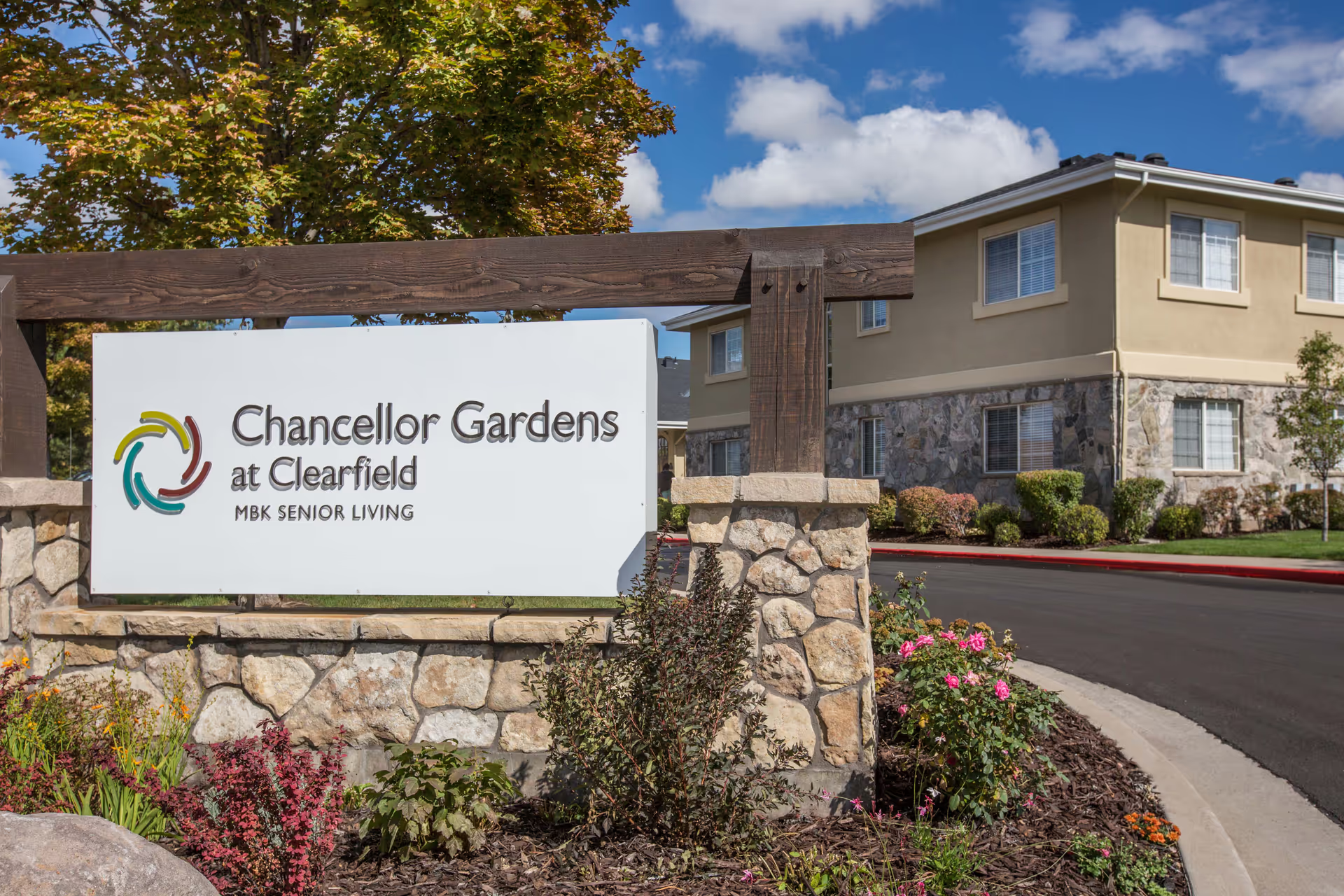
Harrison Regent presents as a community strongly oriented to independent living with many operational strengths for that population. A recurring strength is the staff-resident relationship; numerous observations describe staff as compassionate, attentive, and family-like, with move-in support and an ambassador program that aid social integration. The community offers a broad range of amenities that appeal to independent residents: on-site home-health services (including physical therapy and some personal-care assistance), weekly housekeeping and linens, an on-site salon/barber, furnished apartment options, and transportation services such as a community van and proximity to a bus line.
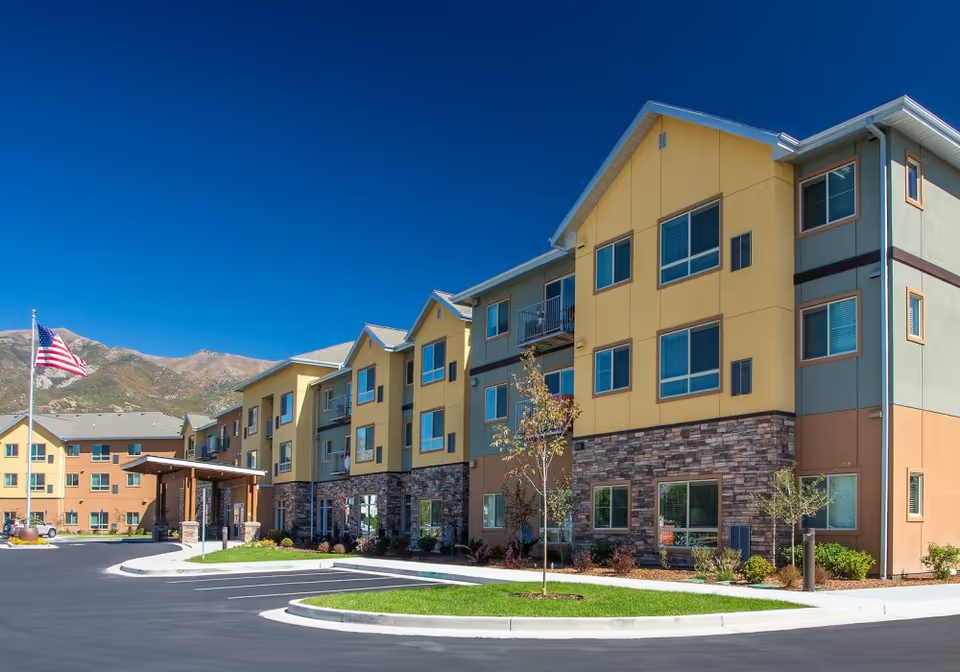
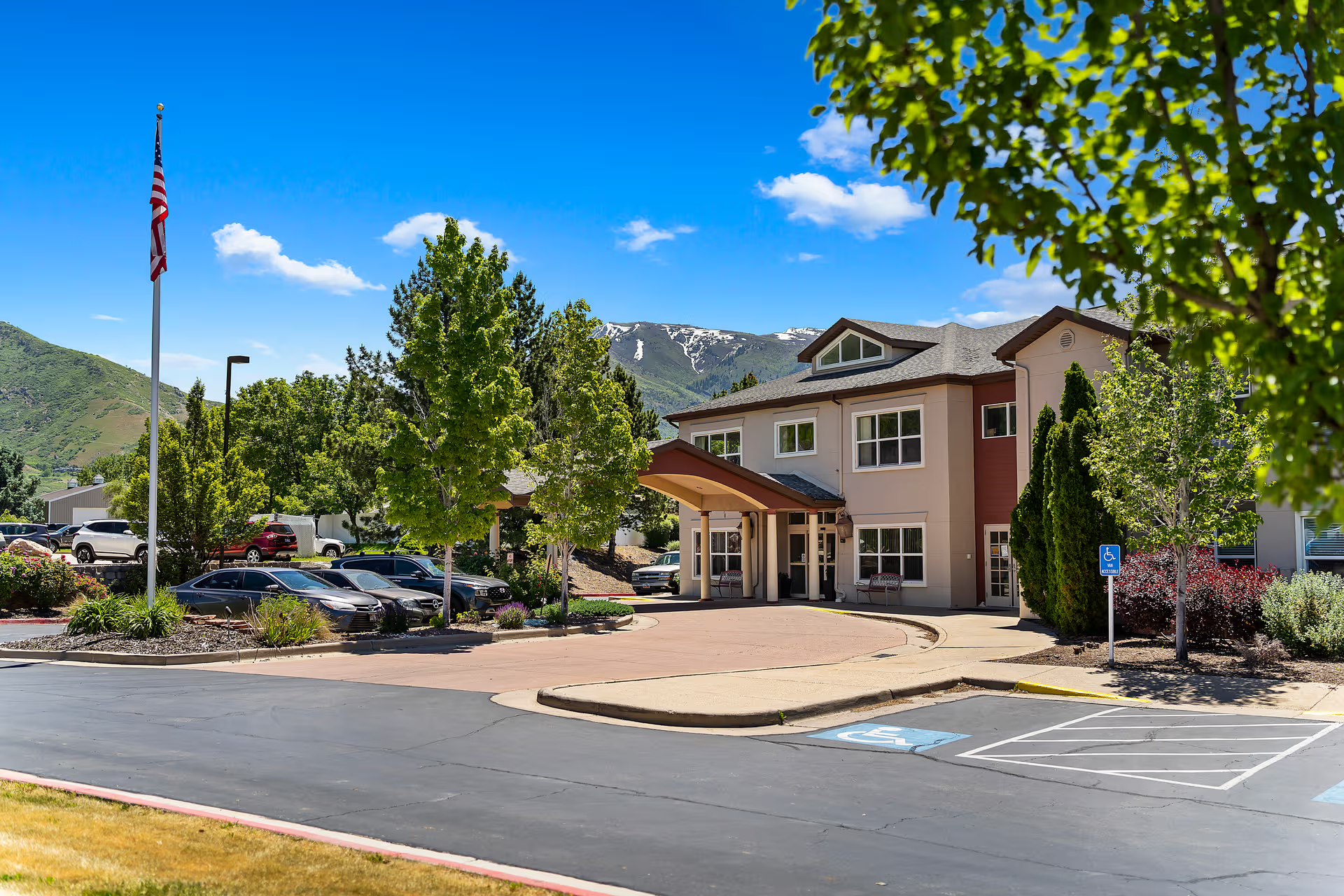
Dining and daily life are central features. Many residents and family members praise a chef-led dining program, three meals daily, a bright dining room with room-delivery options, and a generous activities schedule that includes exercise classes, bingo, Bible study, live entertainment, and off-site excursions. The property’s landscaping, outdoor seating, balcony and mountain views, and pet-friendly policies are noted positively and contribute to a social, home-like environment.
At the same time, review patterns identify operational weaknesses that prospective residents should evaluate. Food service quality and consistency are uneven: reports include issues with meal temperature, seasoning (notably excessive salt for some), occasional shortages, and variability in menu variety and fresh produce. Staffing is another important variable — while many individual staff receive praise, the facility has experienced leadership turnover and episodic short-staffing that reviewers associate with declines in responsiveness, activity facilitation, and service consistency. Several comments also highlight concerns about staff conduct or the tone of communication from some employees.
Facility maintenance and administrative issues appear as additional recurring themes. The building shows signs of age in places, with cosmetic wear, occasional odor/cleanliness concerns in certain areas, and maintenance-response delays following water or flood events. Parking limitations, narrow visitor/handicap parking, a single elevator in parts of the building, and questions about alarm/reset procedures suggest prospective residents should clarify accessibility and emergency procedures. There are also financial/contract concerns: some residents described nonrefundable upfront fees, perceived aggressive sales practices, and year-over-year rate increases that can affect affordability.
Clinical scope is another consideration. Harrison Regent is positioned for independent living; while on-site clinical services are available, the community is not designed as a long-term higher-acuity care facility. Families noted communication breakdowns when deeper clinical escalation was required, and some moved residents when needs surpassed the community’s scope. A few reviewers raised security concerns, including alleged theft incidents, and noted weak Wi‑Fi in parts of the building.
Overall, Harrison Regent is frequently recommended for independent residents seeking an active, social environment with convenient services and strong interpersonal caregiving. However, the mixed operational reports around management stability, dining consistency, maintenance responsiveness, and billing practices indicate areas to verify during a tour. Prospective residents and families should ask about current staffing levels and turnover, meal-service procedures and dietary accommodations, emergency and evacuation plans, recent maintenance history, contract terms and refund policies, and the community’s approach to residents whose care needs increase over time.