Overall impression: Reviews are markedly polarized. Many families and former staff describe the facility as capable of delivering compassionate, skilled care—particularly in rehabilitation, therapy, and resident-focused activities—while other accounts describe persistent operational weaknesses that materially affect resident experience. The pattern across feedback indicates both notable strengths (engaged caregivers, good therapy resources, positive survey results at times) and recurring systemic issues (staffing, oversight, sanitation, and communication).
Care quality: Positive accounts describe thorough rehabilitation therapy, attentive CNAs, and respectful end-of-life practices; several reviewers credited staff with preventing pressure injuries and coordinating with physicians when available. At the same time, numerous accounts raise concerns about inconsistent clinical oversight: limited in-house physician rounds, delays in medication administration and clinical follow-up, and gaps in coordination of care. There are also recurring concerns about inconsistent personal-care delivery, including bathing and toileting assistance schedules and timely response to resident needs.
Staffing and conduct: Staffing levels and turnover are a prominent theme. Many comments point to chronic understaffing and high staff turnover that affect continuity of care and staff morale. While individual caregivers and therapists are frequently praised for compassion and professionalism, other feedback cites problems with staff conduct, intimidating communication from nursing staff, and training gaps. Serious allegations regarding theft and financial misconduct are present in the feedback; these are isolated but severe and warrant further inquiry.
Dining and activities: Activity programming and social engagement are commonly described as strengths; several reviewers praised the activities team and named administrators and coordinators positively. Dining impressions are mixed: some families describe appetizing meals and good presentation, while others report delays, meal temperature and palatability issues, and inconsistent meal service timing.
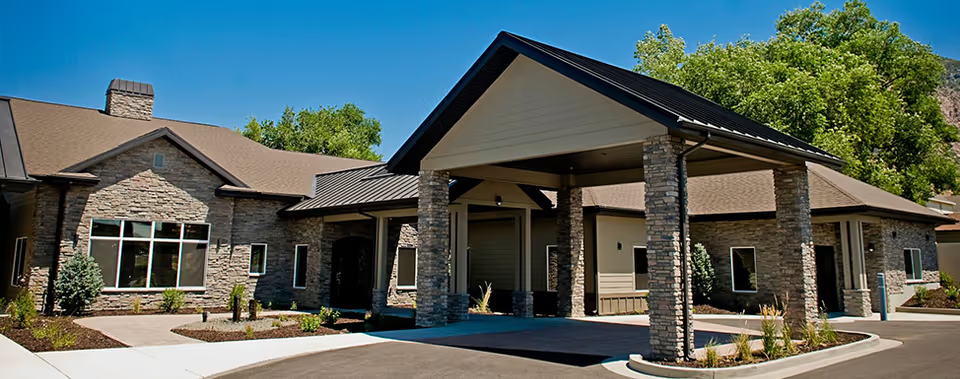
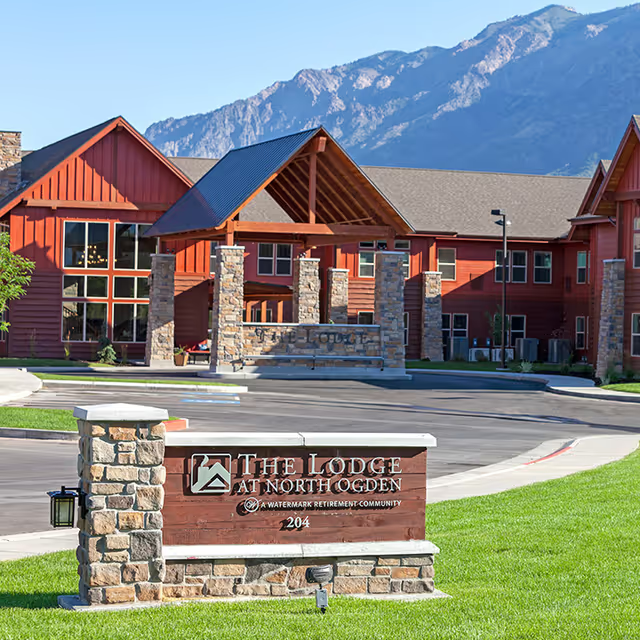
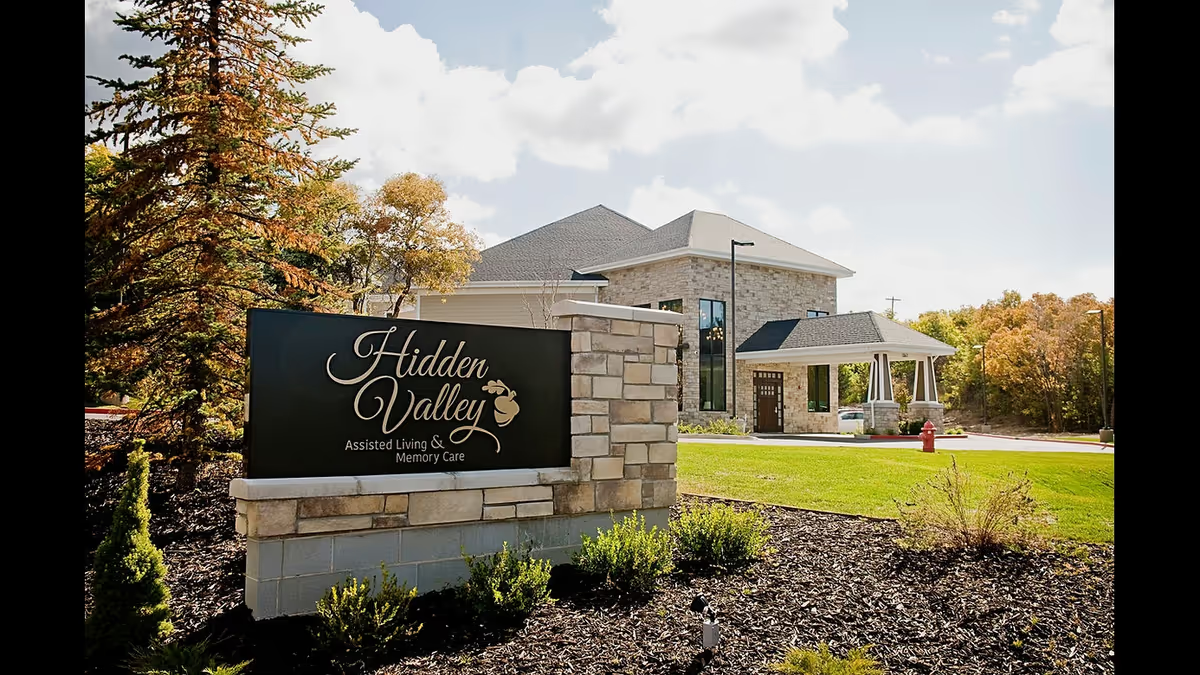
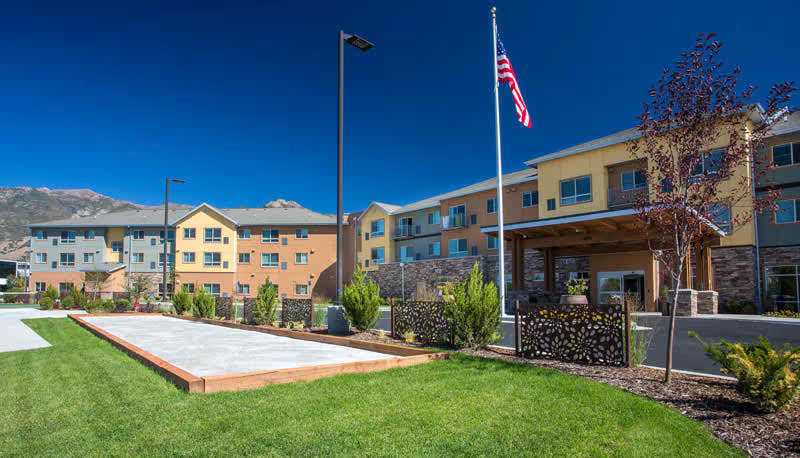
Facilities and safety: Some reviews highlight clean, well-maintained rooms, new furnishings, and a well-equipped therapy gym. Conversely, others note sanitation and odor concerns in particular areas, inconsistencies in laundry and clothing care, and door-locking or security practices that are described as over-restrictive or inconsistently applied. Safety practices around transfers and lifting were also called out as needing improvement.
Management and regulatory patterns: Feedback on leadership is inconsistent. Several reviewers praise specific administrators and long stretches of favorable survey history (including a multi-star CMS rating), while other accounts point to poor communication, unresponsive HR practices, abrupt administrative changes, and a history of licensing or regulatory issues. There are also descriptions of punitive responses when staff or families raise concerns; those accounts suggest weaknesses in internal escalation and quality-improvement processes.
What to watch for and next steps: Prospective residents and families should treat this facility as mixed-performing—capable in areas such as therapy and individual caregiver compassion, but with documented operational vulnerabilities. When evaluating the facility in person, ask for current staffing ratios by shift, physician coverage details, recent survey and deficiency history, protocols for medication administration and incident reporting, examples of corrective actions taken for prior deficiencies, and current turnover statistics. Observe meal service timing and temperature, the condition of common areas and resident rooms, and staff–resident interactions during a visit. If there are specific concerns (security, alleged theft, or serious clinical incidents), request documentation of investigations and any regulatory findings before making a placement decision.