Bel Aire Assisted Living presents as a small, home-like community with a strong emphasis on personalized care and memory-support services. Reviewers consistently highlight the facility’s dementia-capable staffing and the individualized approach to residents’ behavioral and care needs. The community’s scale appears to support one-on-one attention and a family-oriented atmosphere that many families find reassuring.
Staff competence and culture are frequently cited strengths. Caregivers are described as attentive, compassionate, and willing to go beyond basic tasks; several families noted clear communication and detailed care updates. The team is also credited with practical move-in assistance and coordination of external appointments, which can ease transitions for new residents and families. Consistent daily assignments were mentioned as contributing to continuity of care and familiarity between staff and residents.
Dining and activities are mixed areas. Multiple reviewers praise customizable meal options, varied menus, and pleasant dining smells, indicating a generally positive culinary environment for many residents. However, there are also notes of uneven meal satisfaction, with some characterizing the food as merely adequate. Activity offerings receive divergent descriptions as well — some reviewers describe an active, engaging schedule while others report minimal programming and limited resident interaction. This suggests that activity frequency or variety may vary over time or between resident groups.
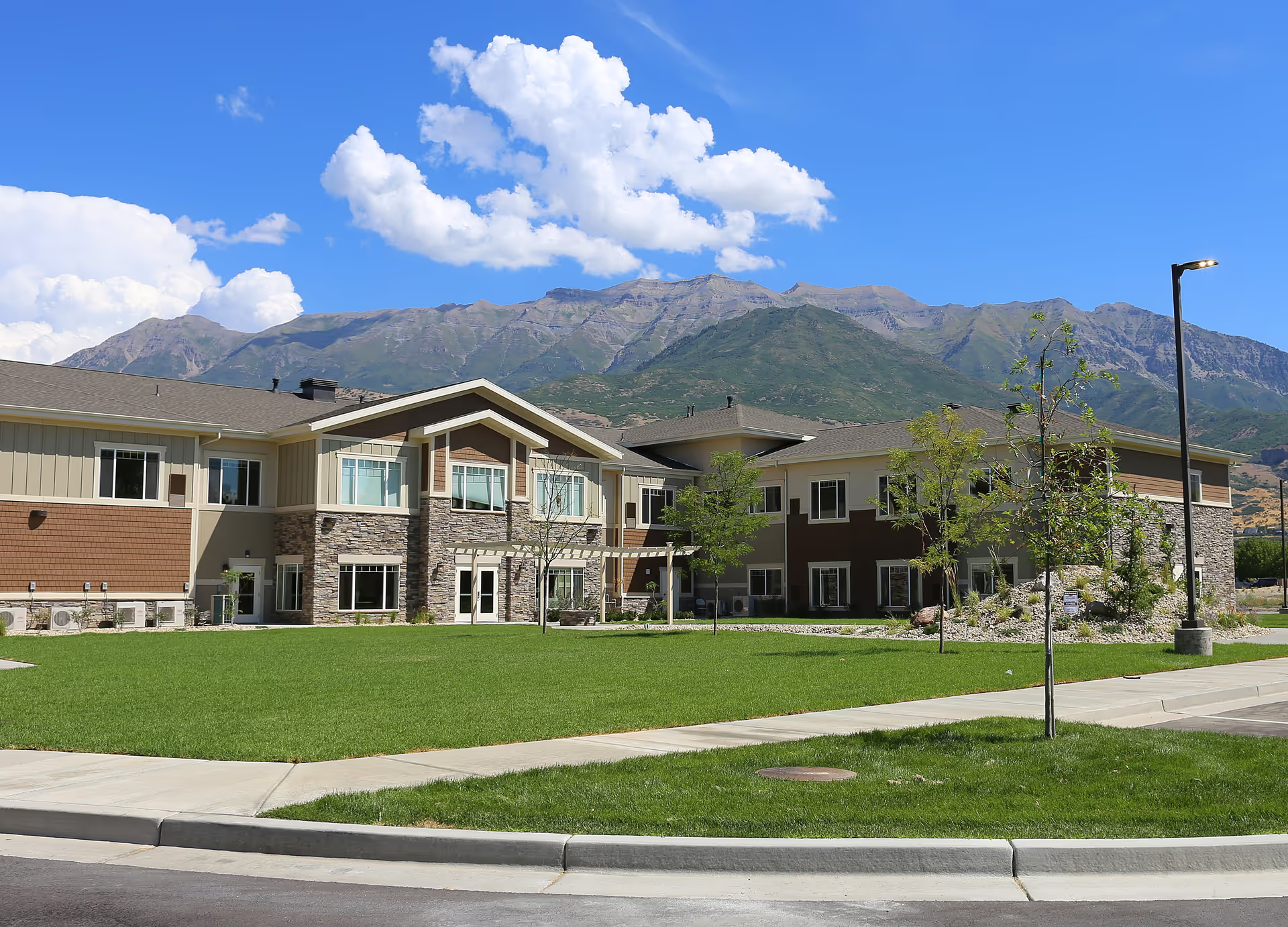
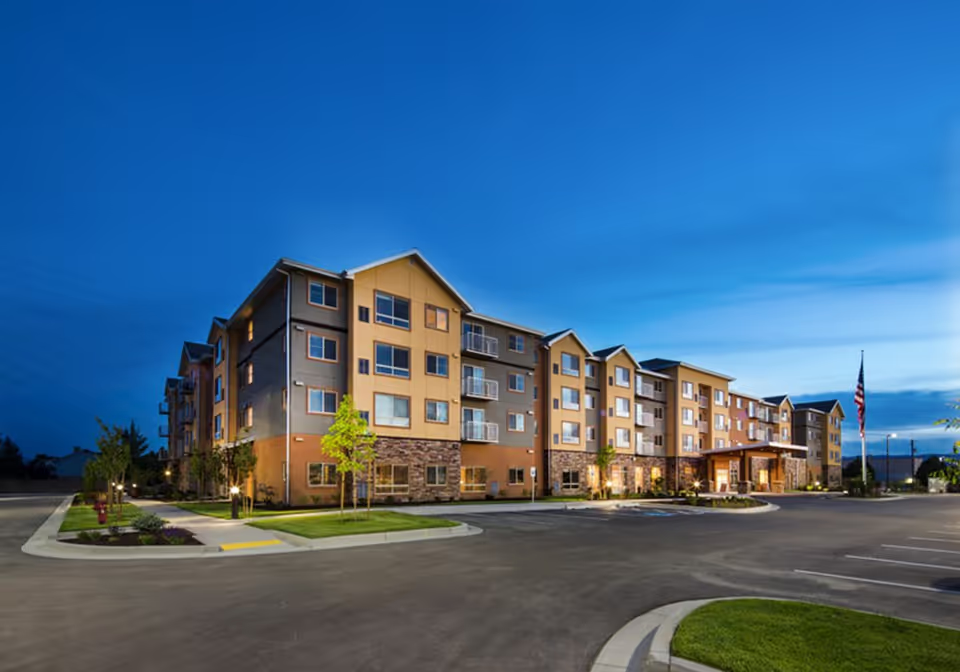
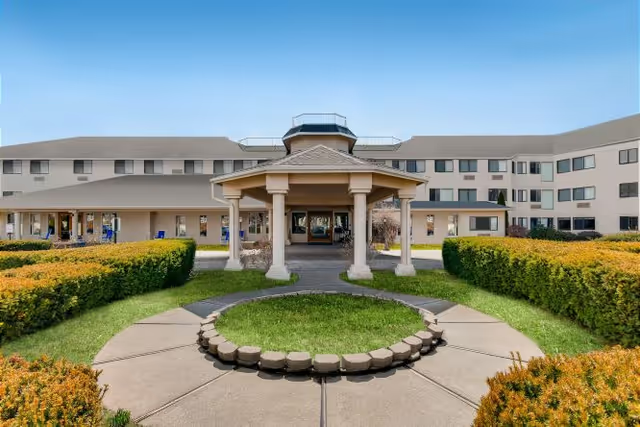
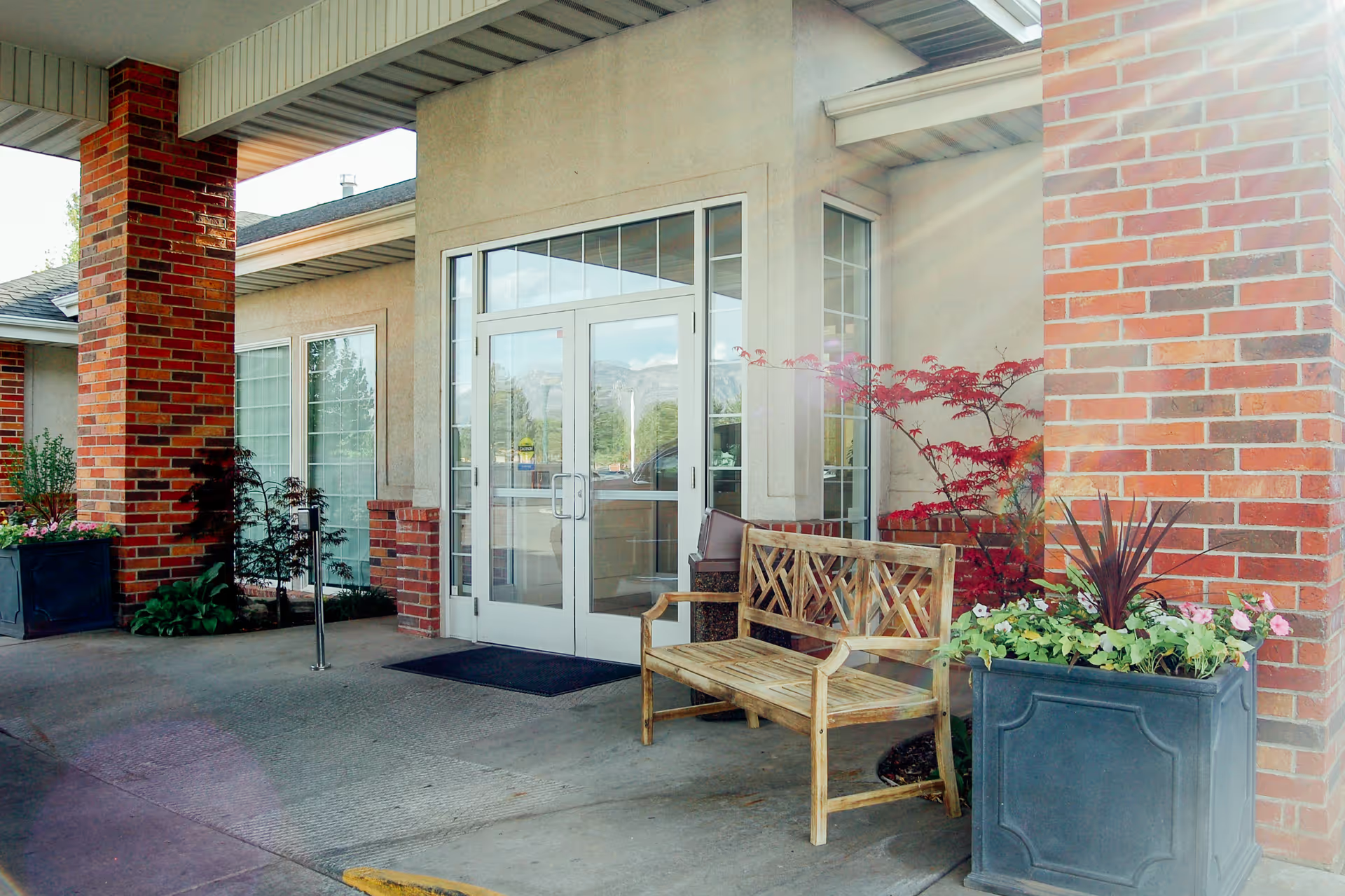
The physical setting is a clear asset: the community sits in a quiet, scenic residential area with well-maintained landscaping, walkable surroundings, and an inviting common-space atmosphere. The facility’s small scale and homelike design are repeatedly described as contributing to resident comfort and social warmth. That said, private living spaces are noted to be small; prospective residents who prioritize larger private rooms should factor this into their decision-making.
Notable operational patterns to consider include occasional staffing pressures and variability in day-to-day programming. Several reviewers expressed concern about understaffing at times, which can affect responsiveness and the consistency of non-clinical services. Combined with the variability noted in activities and meal satisfaction, these operational traits suggest that service levels may fluctuate. Overall, Bel Aire appears to provide compassionate, dementia-informed care in a pleasant, small-community setting; families should weigh the benefits of personalized attention and location against potential limitations in private room size and variability in staffing, dining, and activity offerings when considering the community.