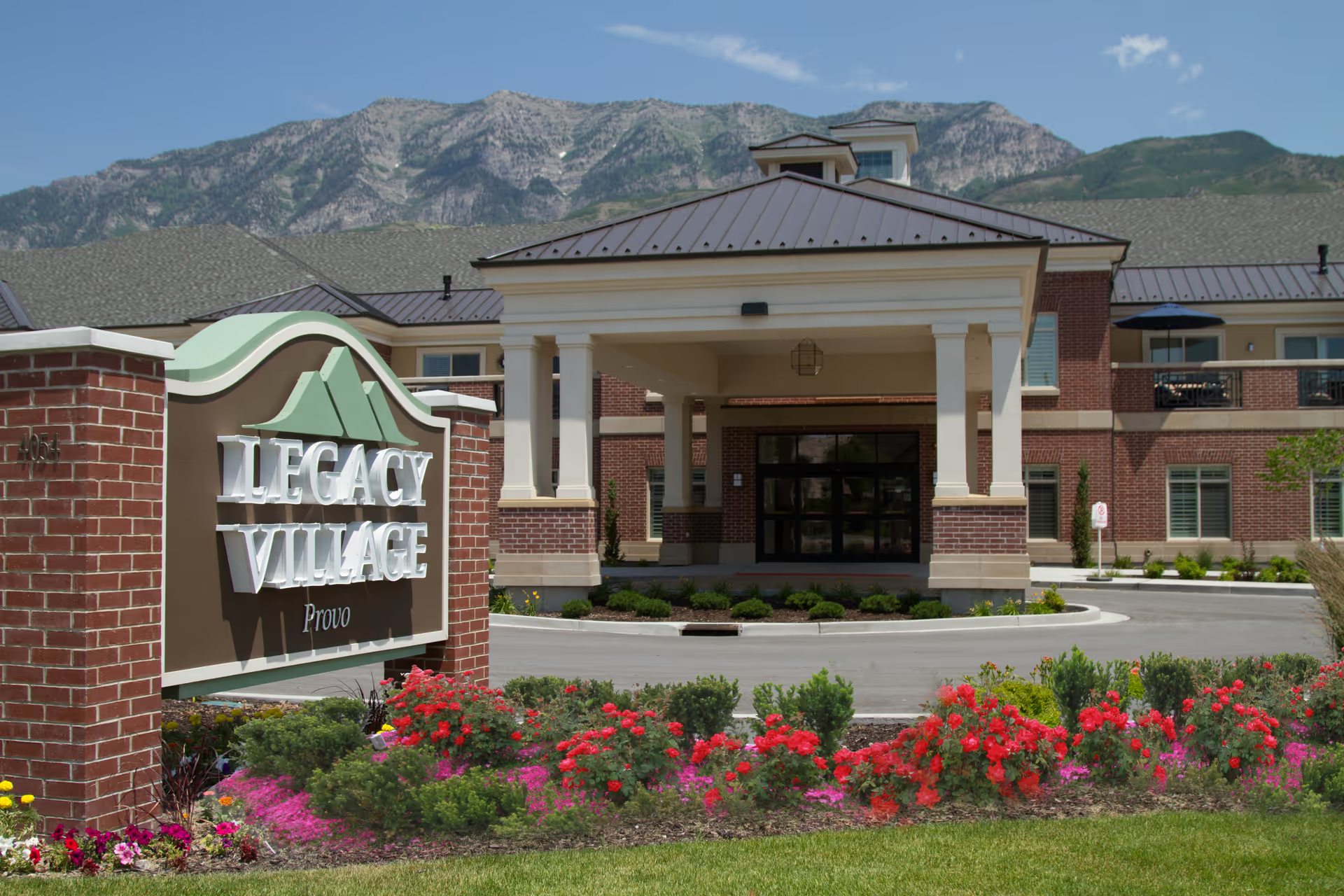
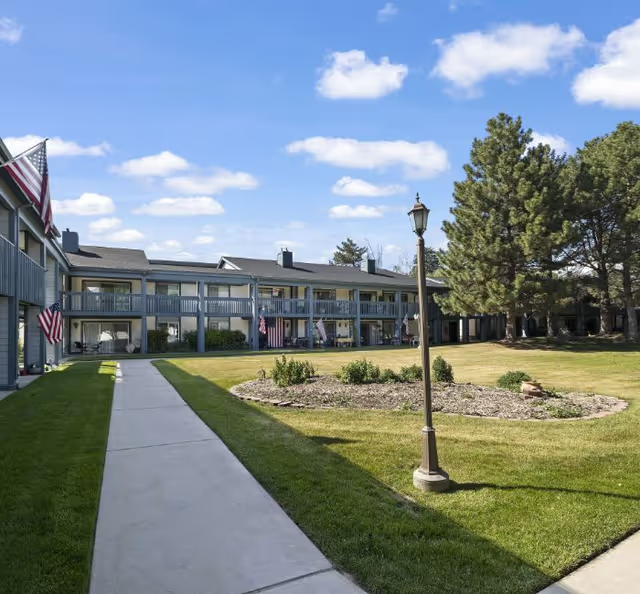
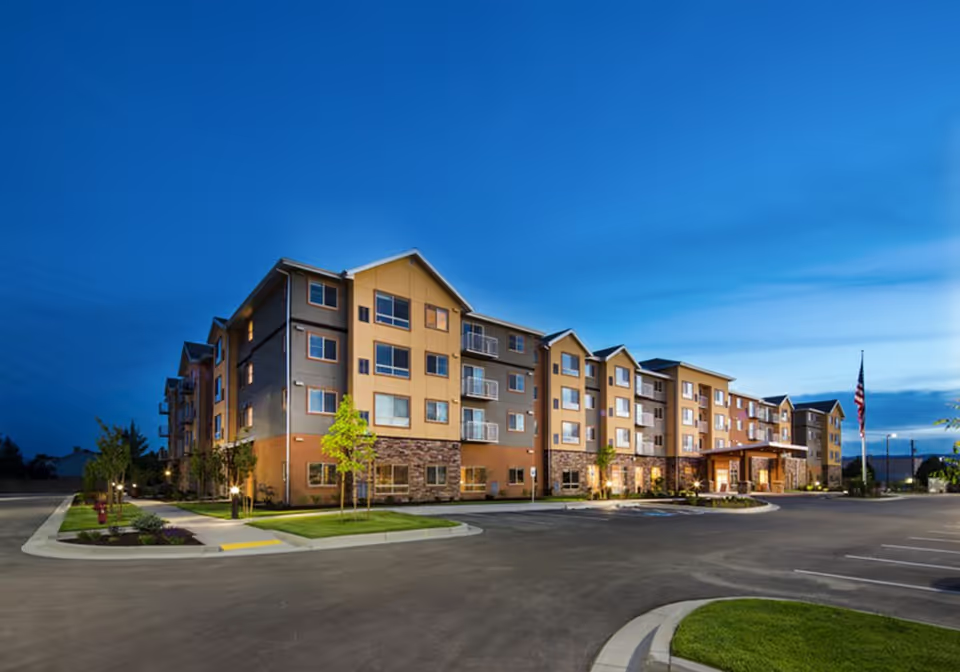
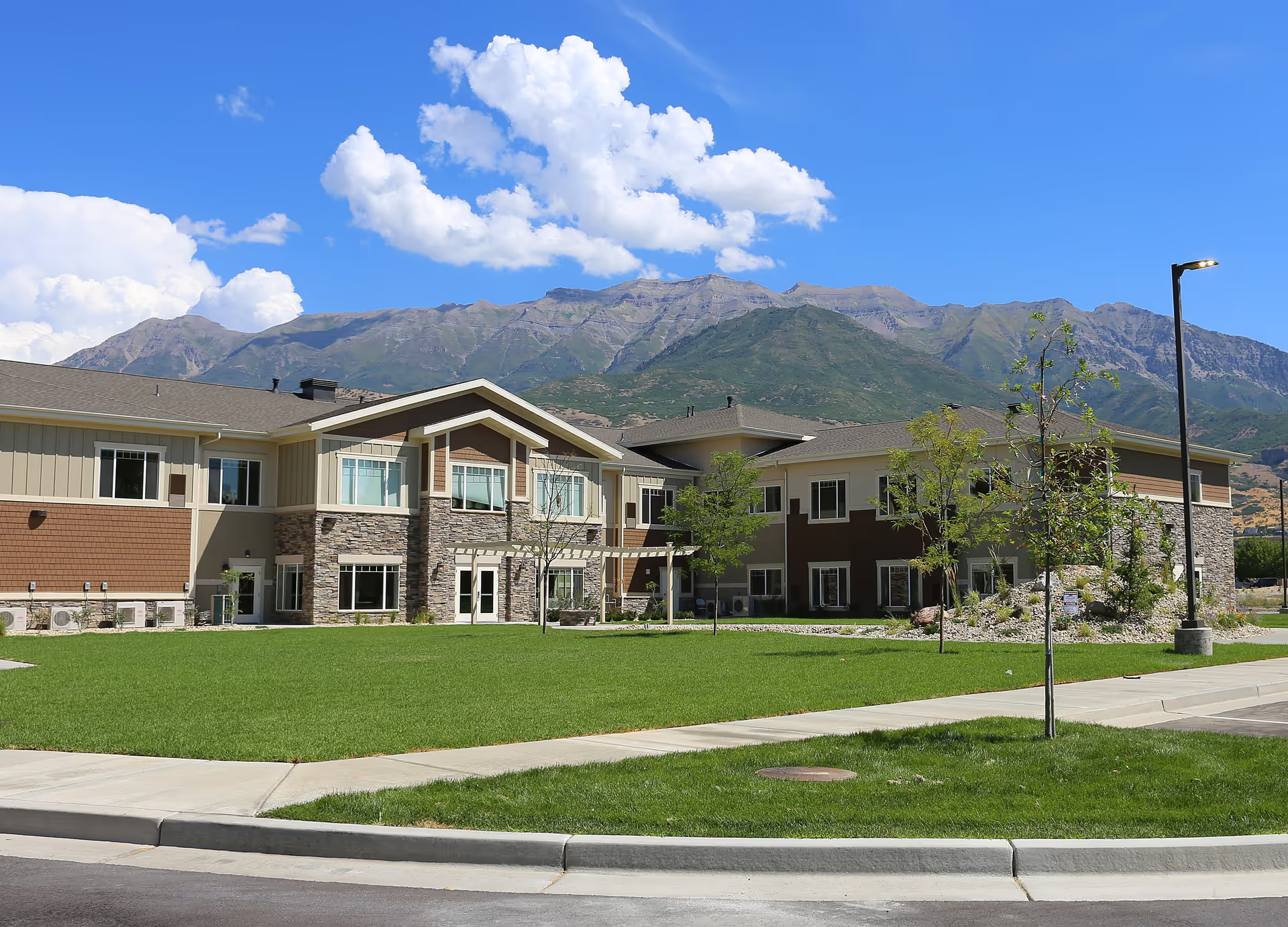
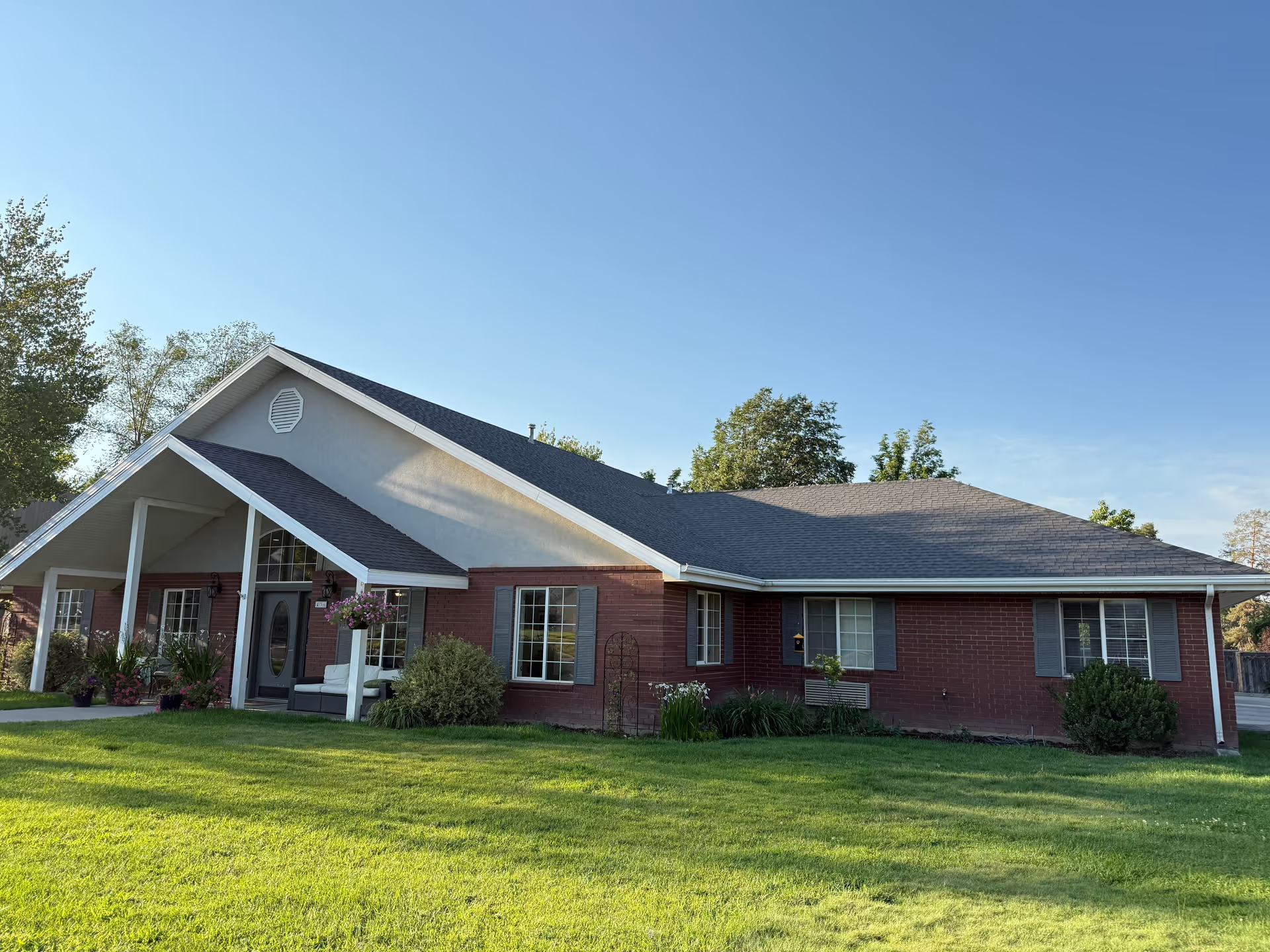
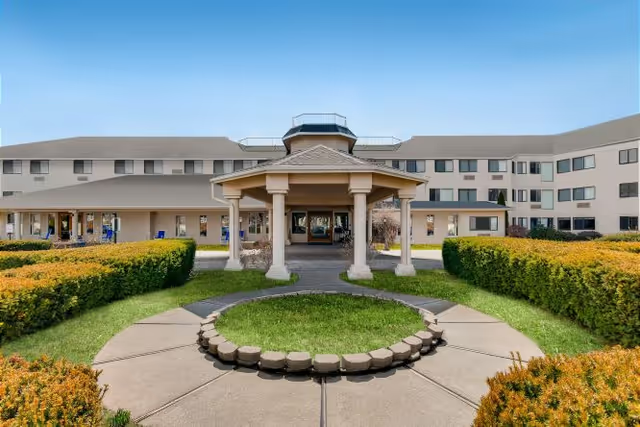
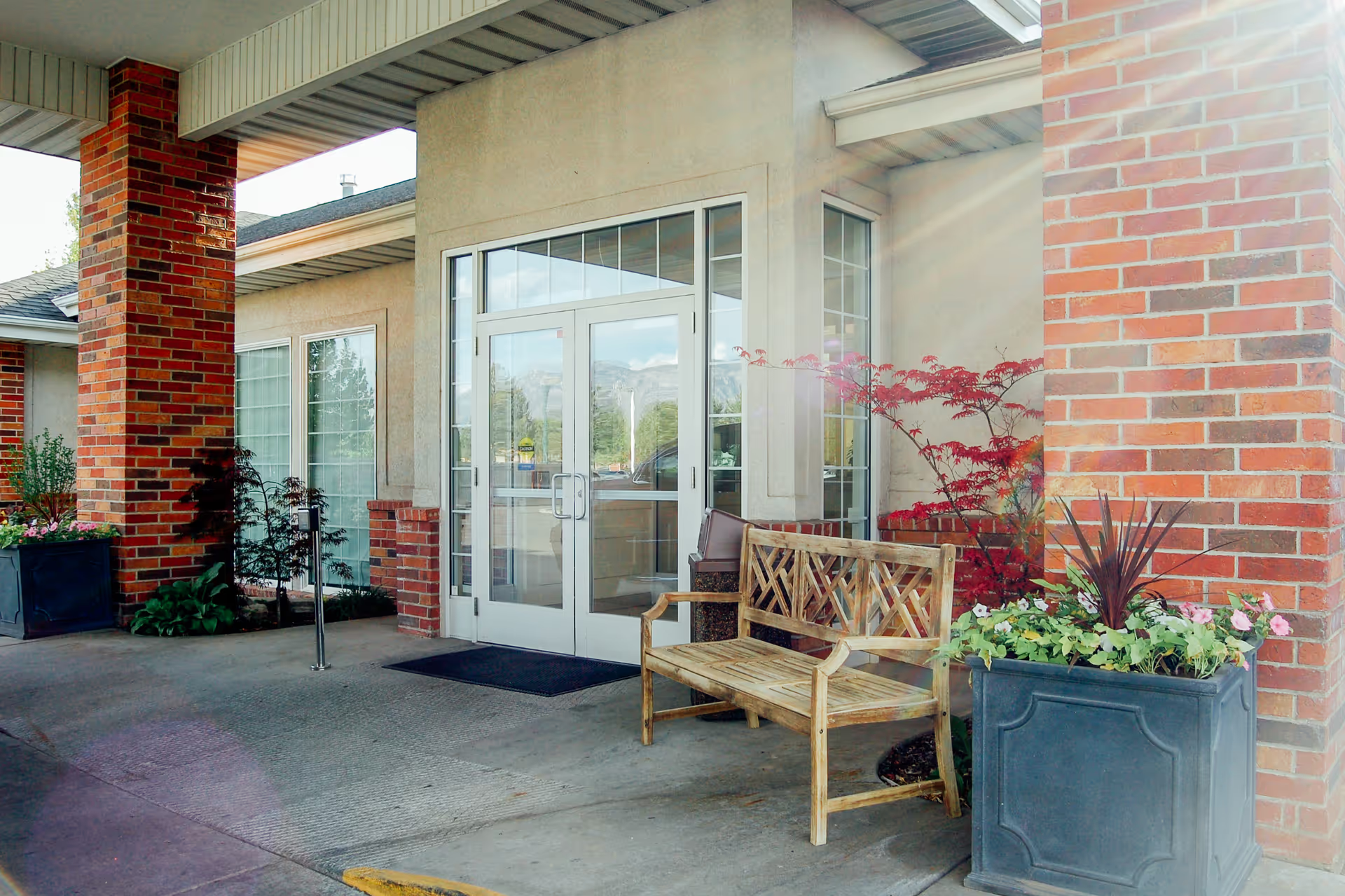
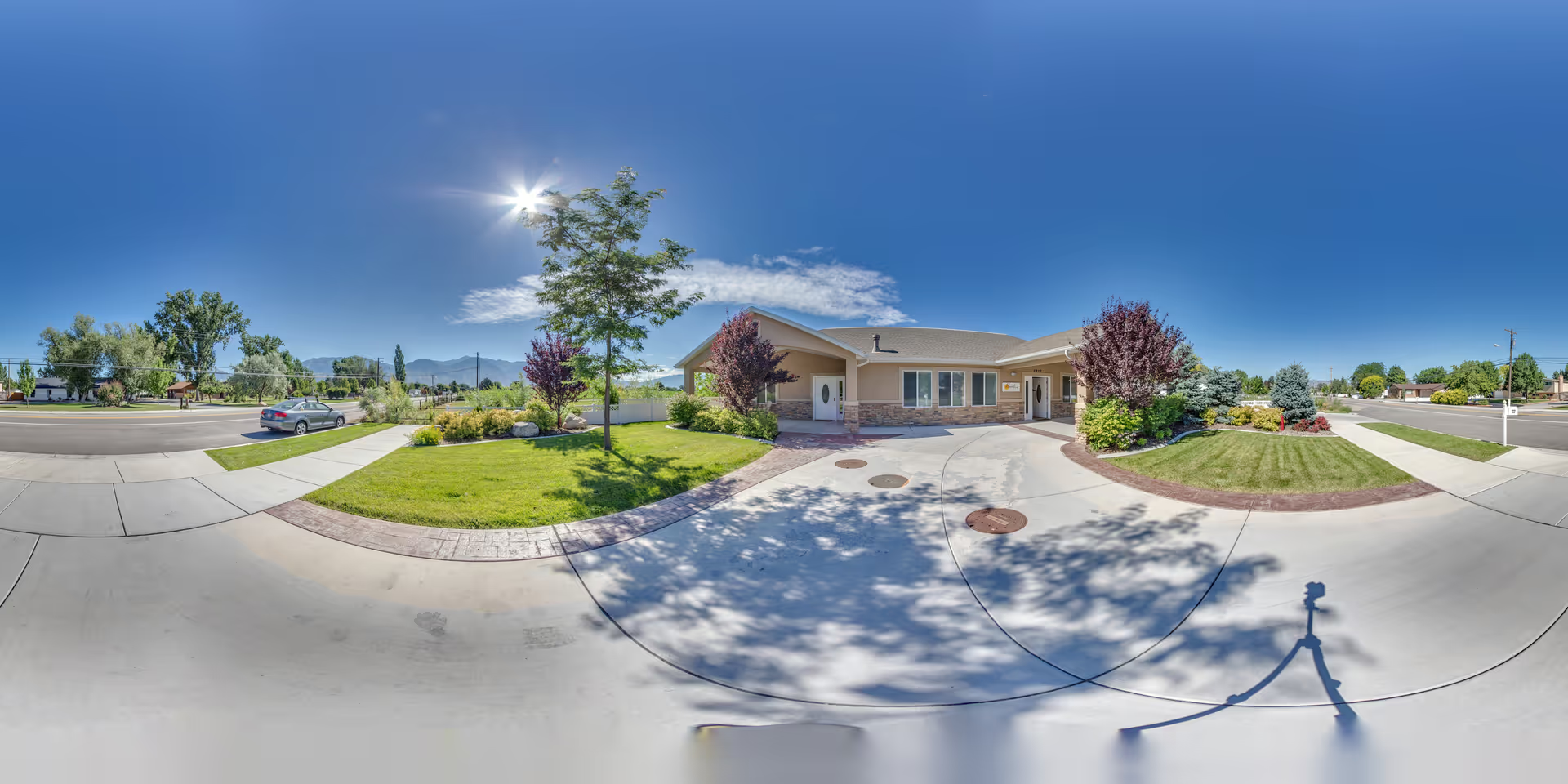
Courtyard at Jamestown presents as a high-amenity, hotel-like senior living community with many strengths that appeal to families seeking an active, resort-style environment. Reviewers consistently praise the physical plant — newer wings, well-maintained common areas, attractive dining rooms, multiple activity spaces, and scenic outdoor features (ponds, trails, putting green). The community offers a broad set of amenities including a library, salon, movie theater, gym, on-site worship services, and a variety of apartment floor plans; on-site conveniences such as in-unit microwaves/refrigerators and washer/dryer access are frequently noted.
Staff and clinical care receive mixed but substantial positive feedback. Many families describe compassionate, attentive aides, praised nursing leadership, and responsive clinical staff; several named directors and coordinators garnered particular appreciation. Activity staff and volunteers are frequently highlighted for delivering a robust, diverse program of exercise classes, musical groups, scenic drives, crafts, and resident-run groups that contribute to a lively social atmosphere. Memory care and Enhanced Care programs are offered and, in many accounts, are a strength of the community.
Dining and programming are standout features for much of the reviewer pool: a chef-driven menu, plentiful portions, and an emphasis on social meals are repeatedly described as distinguishing qualities. At the same time, multiple reviews describe inconsistency in food quality and service continuity — some guests report excellent, hotel-quality meals while others report declines or variable service. Transportation and scheduled outings are available, though frequency and scheduling windows for appointments are described as limited by some families.
Several operational and care-quality patterns emerged as concerns. Staffing consistency and scheduling reliability are recurring issues: reviewers describe shift gaps, poor handoffs, use of ad hoc spreadsheets, and uneven care-coordinator knowledge about resident needs. Medication administration and clinical coordination are characterized as inconsistent in some accounts, and there are patterns suggesting gaps in fall-prevention and transfer-safety practices. Cleanliness and sanitation practices are described variably — while many visitors find common areas and rooms clean and well-kept, others report sanitation concerns and lapses in housekeeping or laundry services. Management responsiveness is also uneven in the narrative: changes in ownership or administrative turnover were associated with perceived declines in responsiveness and maintenance follow-through for some families.
Overall reviewer sentiment is polarized: a large portion of families describe an excellent, caring community with outstanding activities, attractive facilities, and skilled staff, while a smaller but consequential set of accounts describe serious operational shortcomings affecting safety, cleanliness, scheduling, and clinical reliability. Prospective residents and families should weigh the community's strong amenities, active programming, and chef-driven dining against the operational concerns noted above. Important due diligence steps would include targeted questions about current staffing ratios, medication and fall-prevention protocols, housekeeping schedules, scheduling and care-coordinator workflows, and any recent changes in management or ownership. A careful, in-person tour focused on current staffing during shift-change times and conversations with clinical leadership will help clarify whether the facility’s operational practices meet a family’s expectations for reliability and safety.