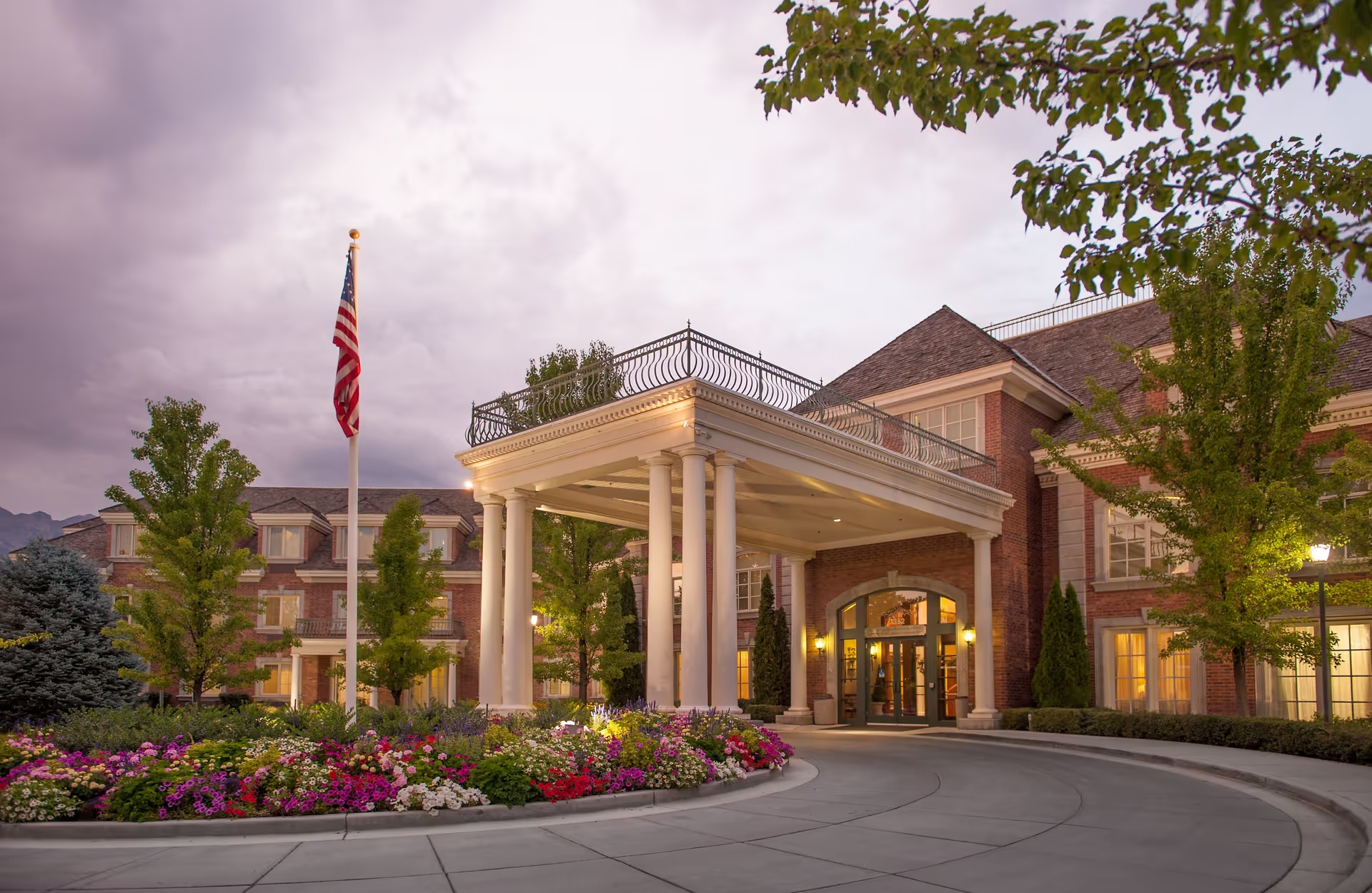
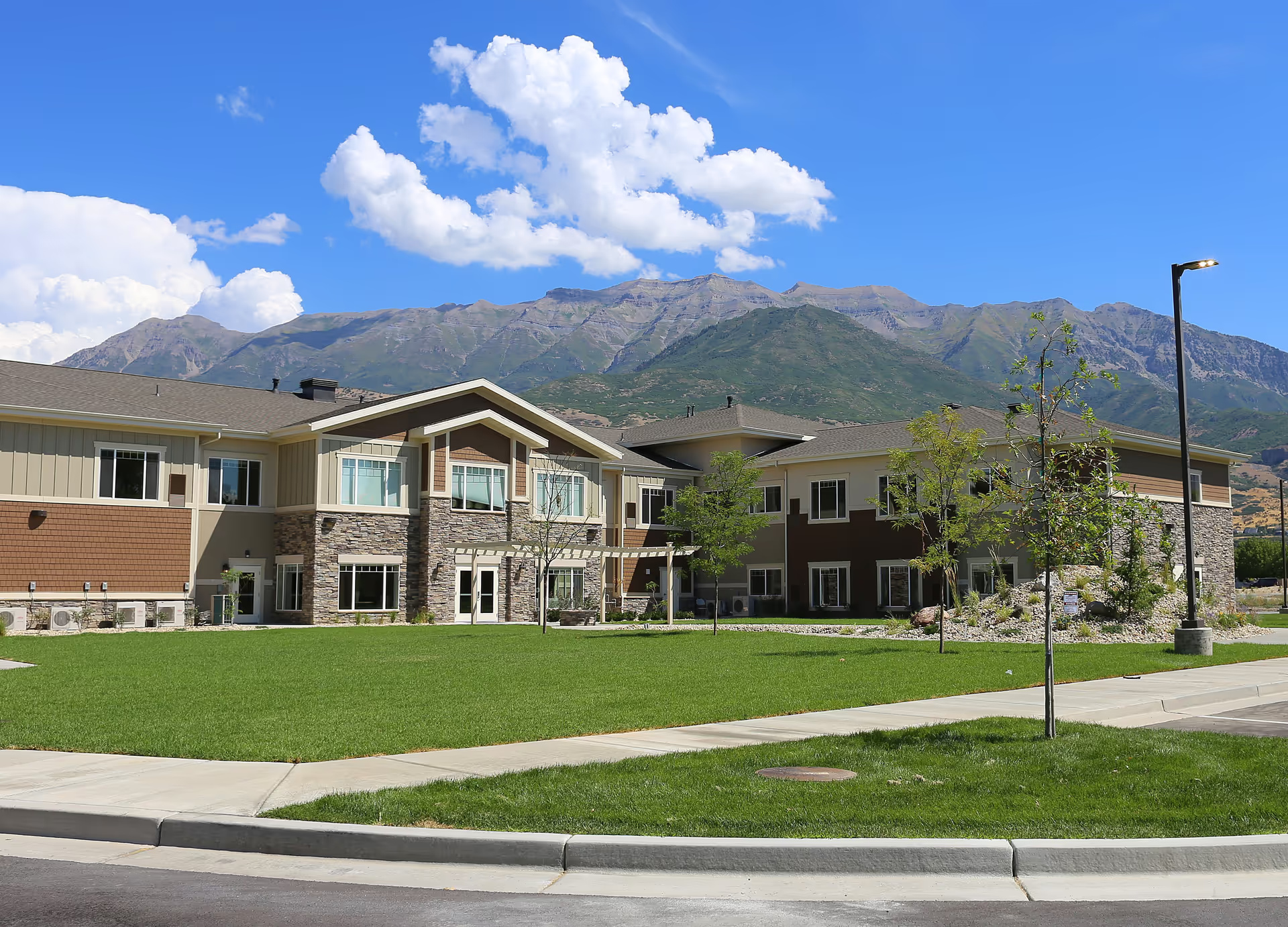
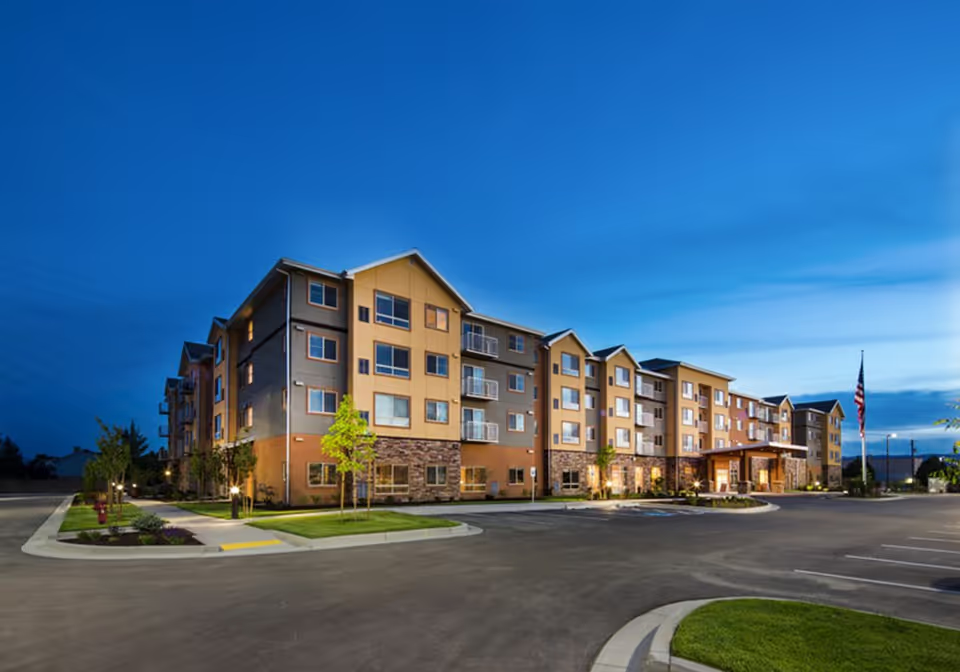
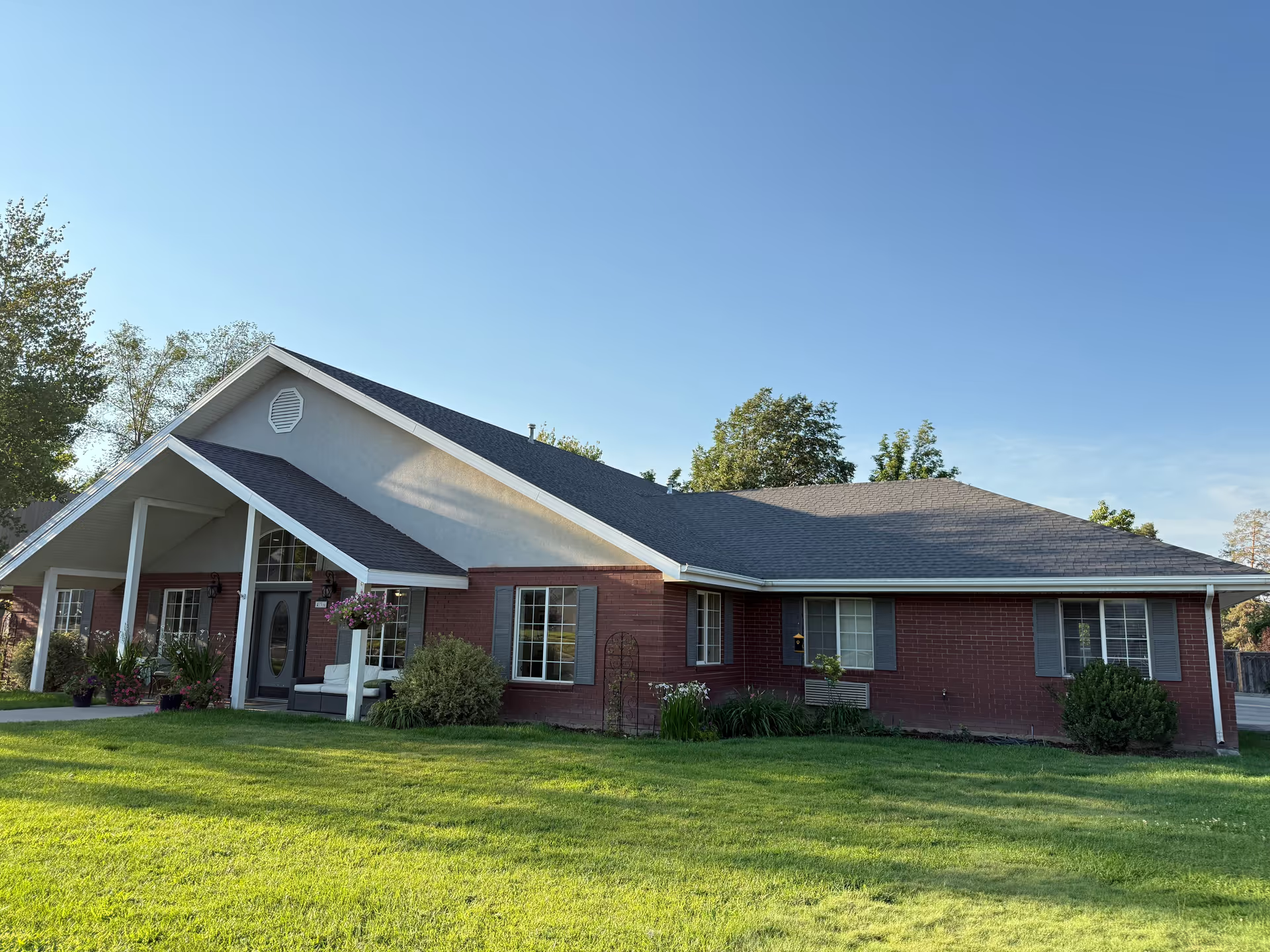
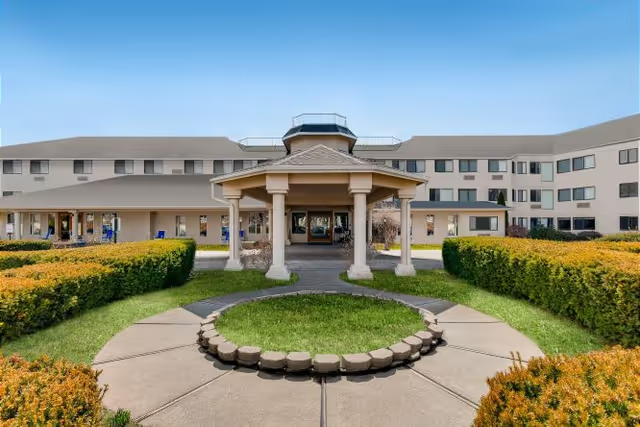
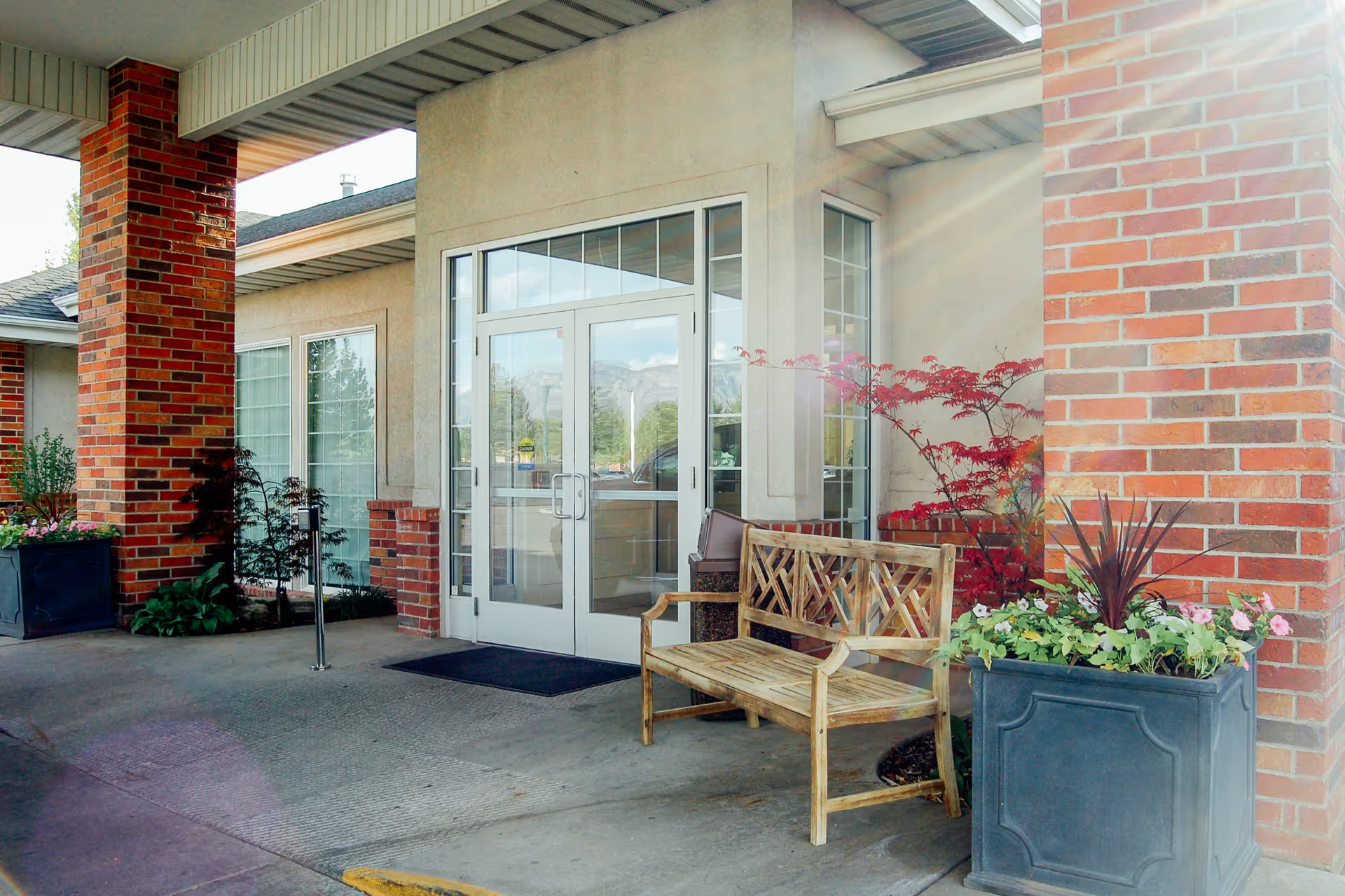
Legacy Village of Provo is widely described as a clean, modern, and well‑maintained senior living community with strong on-site amenities and an active social program. Reviewers consistently praise the building condition, apartment sizes and accessibility features (wide hallways, large bathrooms, elevator access), as well as plentiful common spaces such as a large dining room, theater, activity rooms, library and salon. The facility’s physical plant and housekeeping are common strengths, and many families cite prompt maintenance responses and tidy grounds.
Staffing and direct care are central to the facility’s reputation. Numerous accounts highlight compassionate, personable CNAs, med‑techs and nurses who provide individualized attention, quickly learn resident names, and support family involvement. Several families also pointed to effective clinical coordination — including hospice transitions and proactive insulin or home‑health arrangements. At the same time, there is material variability in staff performance: reviewers identify peak examples of highly engaged caregivers alongside recurring concerns about understaffing, high turnover, and slow response times during busy shifts. This pattern produces a mixed experience where the quality of daily care can depend on shift coverage and personnel continuity.
Dining and kitchen services elicit polarized feedback. Many reviewers compliment the dining staff, special-event meals, and instances of accommodating chefs; others raise issues with inconsistent meal quality, processed or canned offerings, limited fresh vegetables and fruit, and occasional small portions or missed deliveries (notably on weekends). Service continuity in meal delivery is an operational theme — the kitchen often produces positive experiences, but quality and timeliness are uneven across meals and days.
Activities and community life are clear strengths. The program offers a broad slate of daily and seasonal activities (exercise classes, ice cream socials, music and dance events, crafts, book club, outings to plays, museums and stores), which families describe as well planned and effective at promoting social engagement. Reviewers frequently note that the community fosters friendships and family-inclusive events, contributing to a family‑like culture and a sense of belonging for many residents.
Operational and management patterns merit attention. Common concerns include front‑desk and leadership inconsistency, variable communication, and occasional administrative disorganization (for example, lost clothing or unclear medication instructions). Medication management weaknesses are a recurrent operational trait: examples point to unclear prescription ordering, difficulties contacting physicians, and concerns about opioid handling and dose oversight. These issues suggest gaps in clinical workflows and pharmacy coordination rather than isolated interpersonal problems.
Taken together, the reviews describe a facility with strong physical assets, robust programming, and many devoted caregivers, but with operational fragilities that affect reliability: staffing levels and turnover, inconsistent dining and service continuity, and lapses in medication and personal‑item processes. Prospective residents and families would benefit from probing current staffing ratios, medication-administration protocols, weekend meal coverage, item‑management procedures, and recent leadership stability during tours and discussions with administration to assess whether the community’s strengths align with their expectations and care needs.