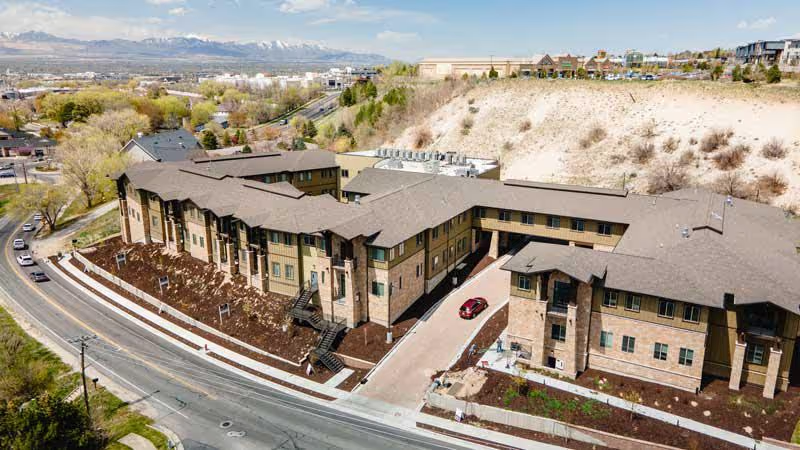
Alta Ridge Memory Care of Sandy elicits sharply mixed assessments that cluster around two consistent themes: strong, person‑centered care when staffing and management are stable, and operational lapses when the facility is experiencing turnover or leadership change. Many families describe highly compassionate, attentive caregivers, frequent family communication, strong hospice coordination, and a small, secure memory‑care environment with engaging activities, outings, and on‑site services such as a barber and courtyard. Several accounts highlight long‑tenured staff and administrators who are accessible and prompt to address concerns; when those elements are present reviewers describe a home‑like atmosphere, respectful resident–staff interactions, and effective dementia care.
Conversely, a substantial portion of feedback identifies persistent operational weaknesses. The most frequently mentioned patterns are inconsistent staffing levels and high turnover, which correlate with variable cleanliness and sanitation practices, irregular personal‑care routines (including bathing and linen management), and periods when activities programming is reduced or an activities director departs. Multiple accounts also indicate gaps in overnight supervision and delayed call‑light response, raising concerns about supervision and timely assistance.
Dining and programming are strengths in some periods and weaker in others: reviewers praise chef‑prepared meals and accommodation of special diets, yet also describe episodes of diminished food quality and months with limited activities. Facility condition assessments are similarly mixed — many note a clean, inviting interior and prompt maintenance responses, while others describe exterior and upkeep shortfalls, seating shortages in communal spaces, pest‑control concerns, and intermittent sanitation issues. A few reviews raise concerns about infection‑control and wound monitoring, and some describe staff coming to work ill, which points to inconsistent clinical‑practice adherence.
Management and culture appear to be a key differentiator. Positive experiences frequently reference responsive administrators who engage families and resolve issues; negative experiences often coincide with ownership or leadership changes and describe inconsistent communication, poor professionalism or tone from staff or supervisors, and a perception that operational priorities are unstable. The overall pattern is therefore bipolar: strong, individualized care and excellent end‑of‑life support in stable periods versus operational and supervisory gaps when turnover or management change occurs.
For prospective residents and families: verify current staffing ratios and tenure, ask for documentation of bathing and linen routines, review night supervision and call‑response protocols, inquire about recent leadership changes and staff‑turnover rates, and inspect common areas and resident rooms for cleanliness, pest control, and maintenance. Also ask for sample activity calendars and dietary menus, and request references from current families if possible. These steps will help clarify whether the facility is operating in a stable, well‑staffed mode that aligns with the many positive accounts, or whether it is experiencing the operational challenges reflected in other reviews.