Legacy House of Spanish Fork receives substantial praise for its hands-on caregiving and community life. Many families and residents describe staff as compassionate and family-oriented; CNAs, activity staff, and nurses are repeatedly characterized as attentive, kind, and willing to go beyond standard duties. Memory-care services attract positive comment for creating a home-like atmosphere with appropriate safety systems and individualized attention. Clinical supports such as on-call nursing, hospice coordination, podiatry, and salon services contribute to a broad continuum of care for residents with varying needs.
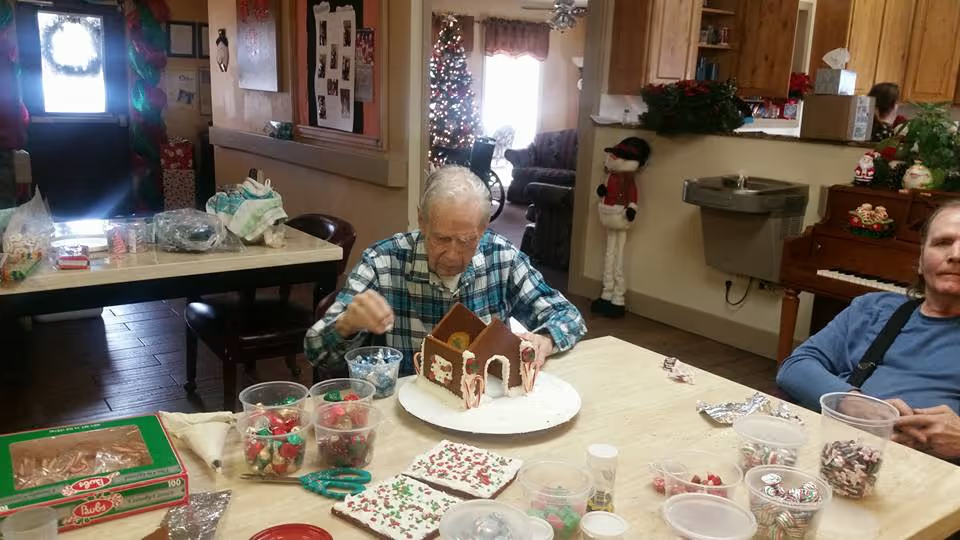
The facility’s social and recreational programming is a clear strength. Reviewers note a wide variety of activities — including exercise classes, crafts, live music, movie nights, bingo, outings, and personalized events — that support socialization and engagement. On-site amenities (theater, library, salon, courtyard) and regular transportation/shuttle services make participation and access to appointments convenient. Residents frequently report a strong sense of community, active volunteer involvement, and enjoyable communal dining experiences when meals are served as intended.
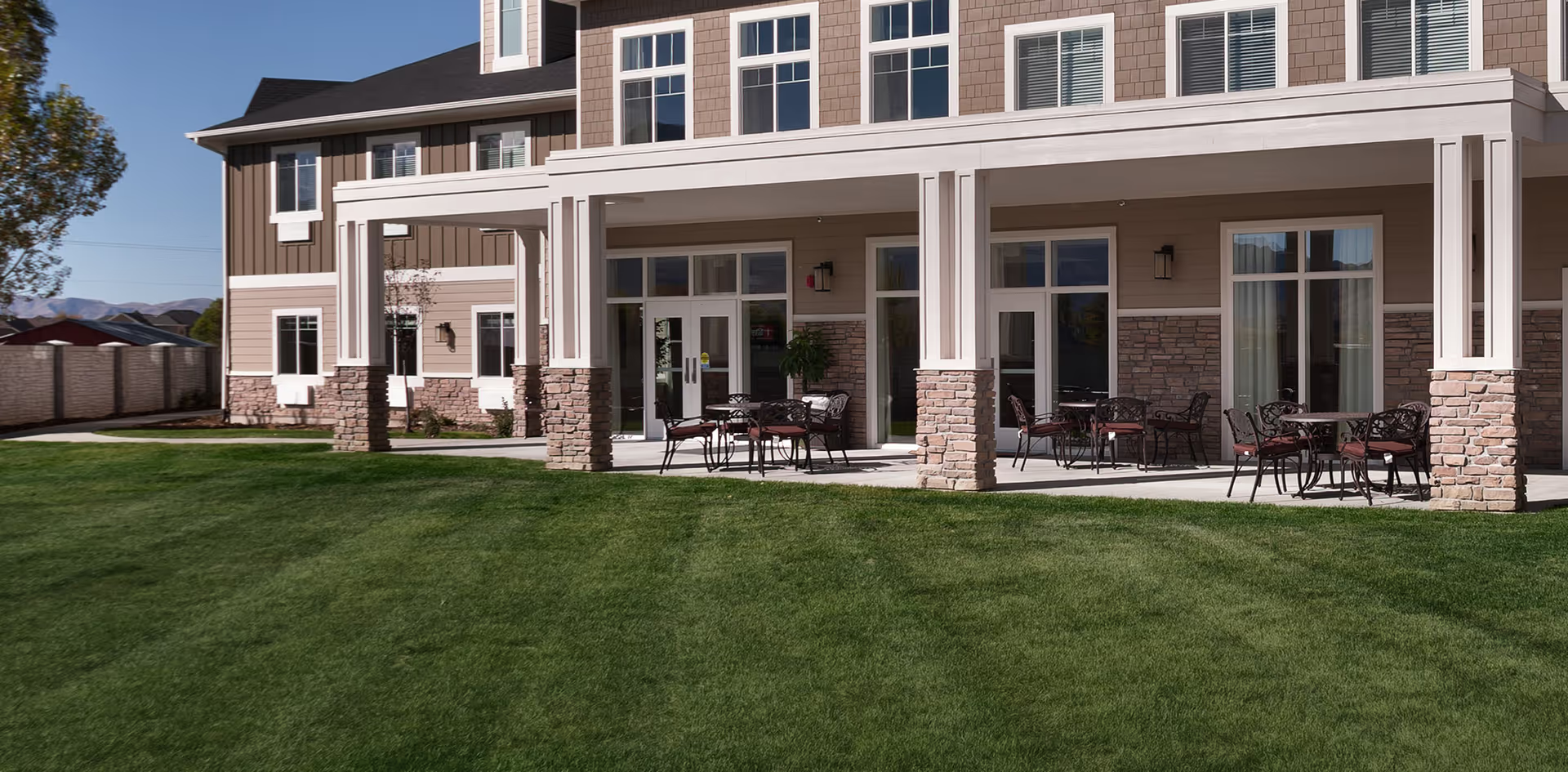
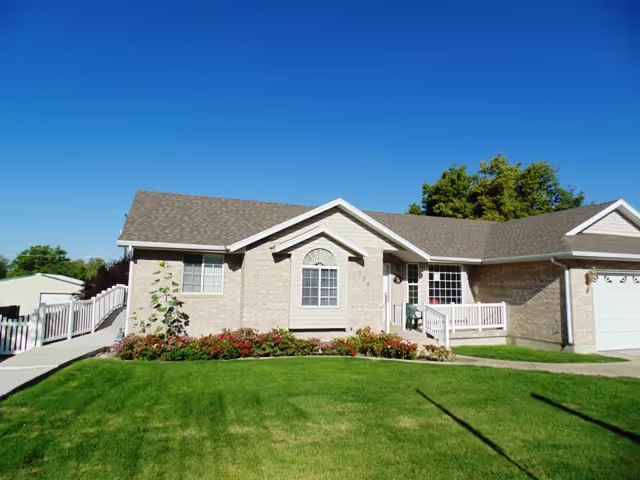
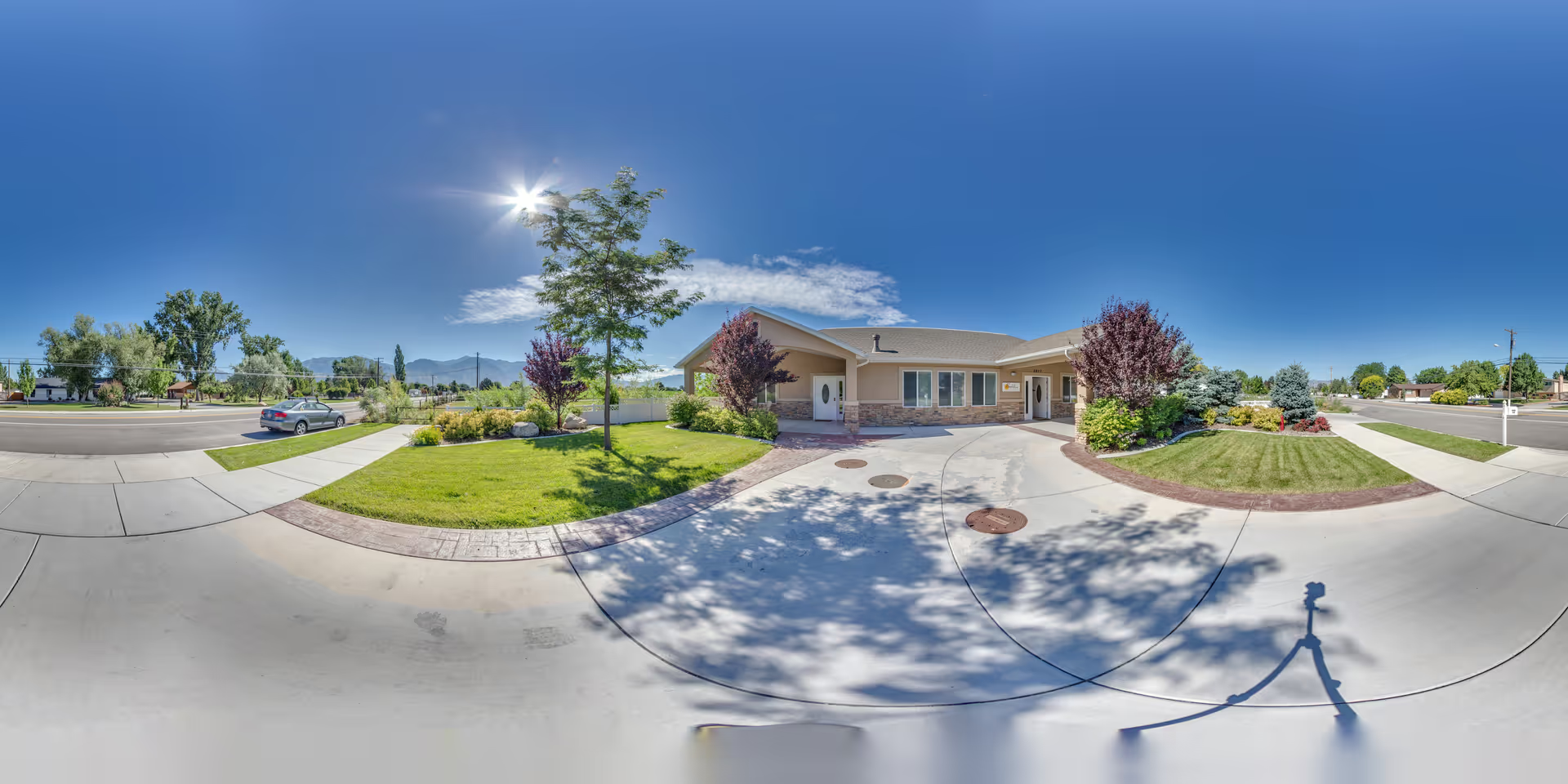
The physical environment is consistently described as attractive, clean, and well maintained: spacious apartments (studios through two-bedrooms), accessible bathrooms, elevator access, and periodic apartment refreshes. Dining receives mixed but generally positive comments: many reviewers call the food delicious and the dining staff attentive, while others point to limited menu variety, occasional temperature problems, and slower cafeteria service as areas for improvement. Some apartment units are not equipped for full in-unit cooking, which may be a consideration for prospective residents who expect stove access.
Notable operational patterns emerge around staffing, communication, and administration. Several reviews highlight inconsistent staffing levels and turnover, which can affect consistency of care and staff familiarity with residents. Families also report gaps in after-hours responsiveness and variable follow-through on maintenance requests and housekeeping timeliness. Concerns about staff conduct and communication tone appear in a subset of accounts, indicating variability in caregiver approach that management should monitor and address through training.
Medication-management and financial-administration issues are recurring themes requiring attention. Some families described medication-administration inconsistencies and what they perceived as pharmacy-driven prescribing or cost pressures; others raised serious concerns about billing and transitions from private pay to Medicaid. These items point to a need for clearer medication oversight, transparent pharmacy relationships, and tighter financial-transition protocols. Finally, while many families praise management for being responsive and coordinated, there are also reports of management shortcomings, especially regarding promised staffing levels, after-hours communication, and acknowledgement/follow-up after critical incidents. Prospective residents and families should weigh the facility’s strong culture of caregiving and robust activities against these operational variability concerns and clarify service-level expectations, staffing patterns, dining specifics, and billing procedures during the tour and contract process.