Legacy Village Rehabilitation of Taylorsville receives consistent praise for its rehabilitation services, particularly physical and occupational therapy. Reviewers frequently credit named therapists and the therapy team for measurable functional gains—improved gait, increased range of motion, and greater confidence with mobility tasks. Both inpatient and outpatient therapy continuity is highlighted, and the facility’s therapy resources and individualized modalities are viewed as strengths that contribute to good clinical outcomes.
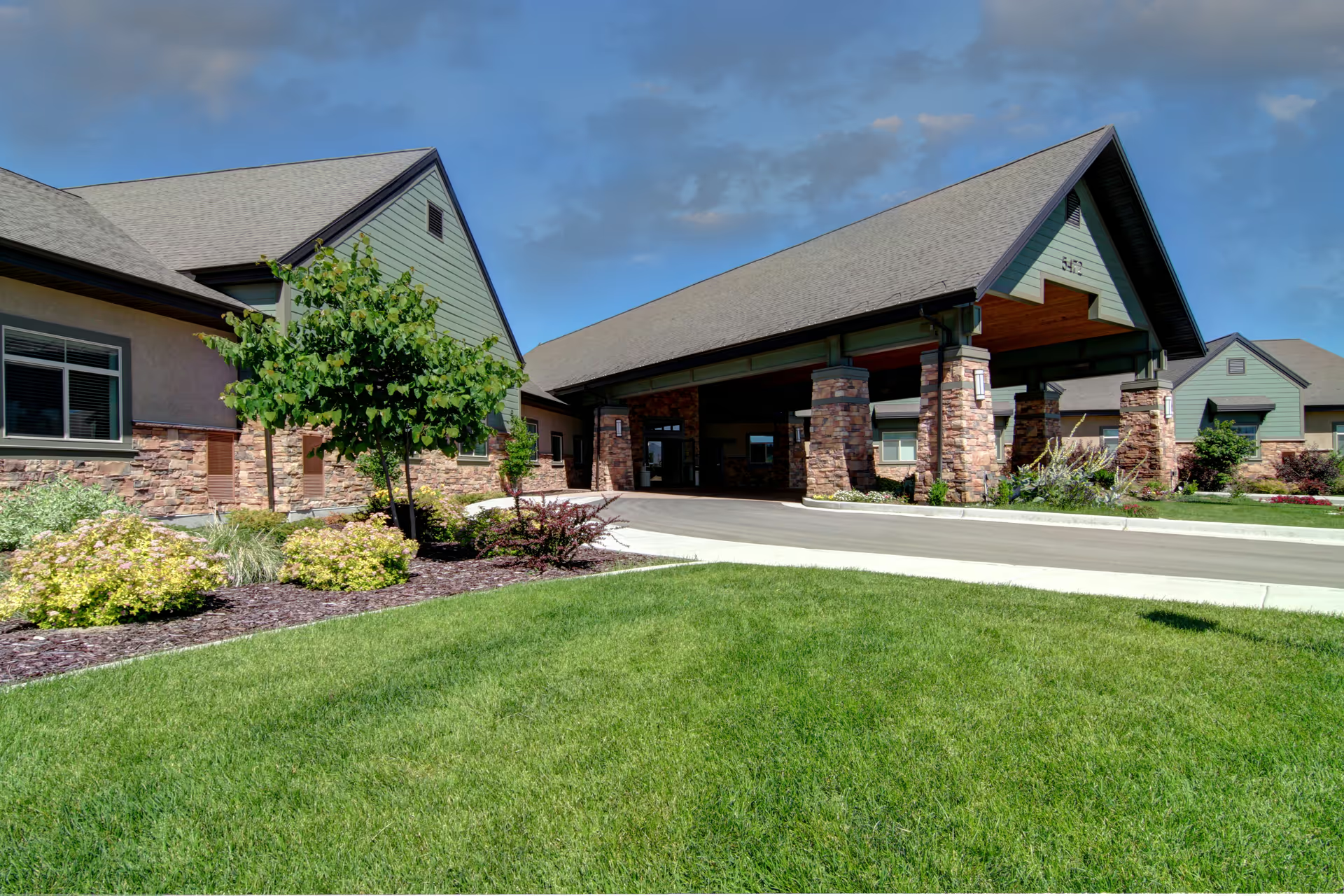
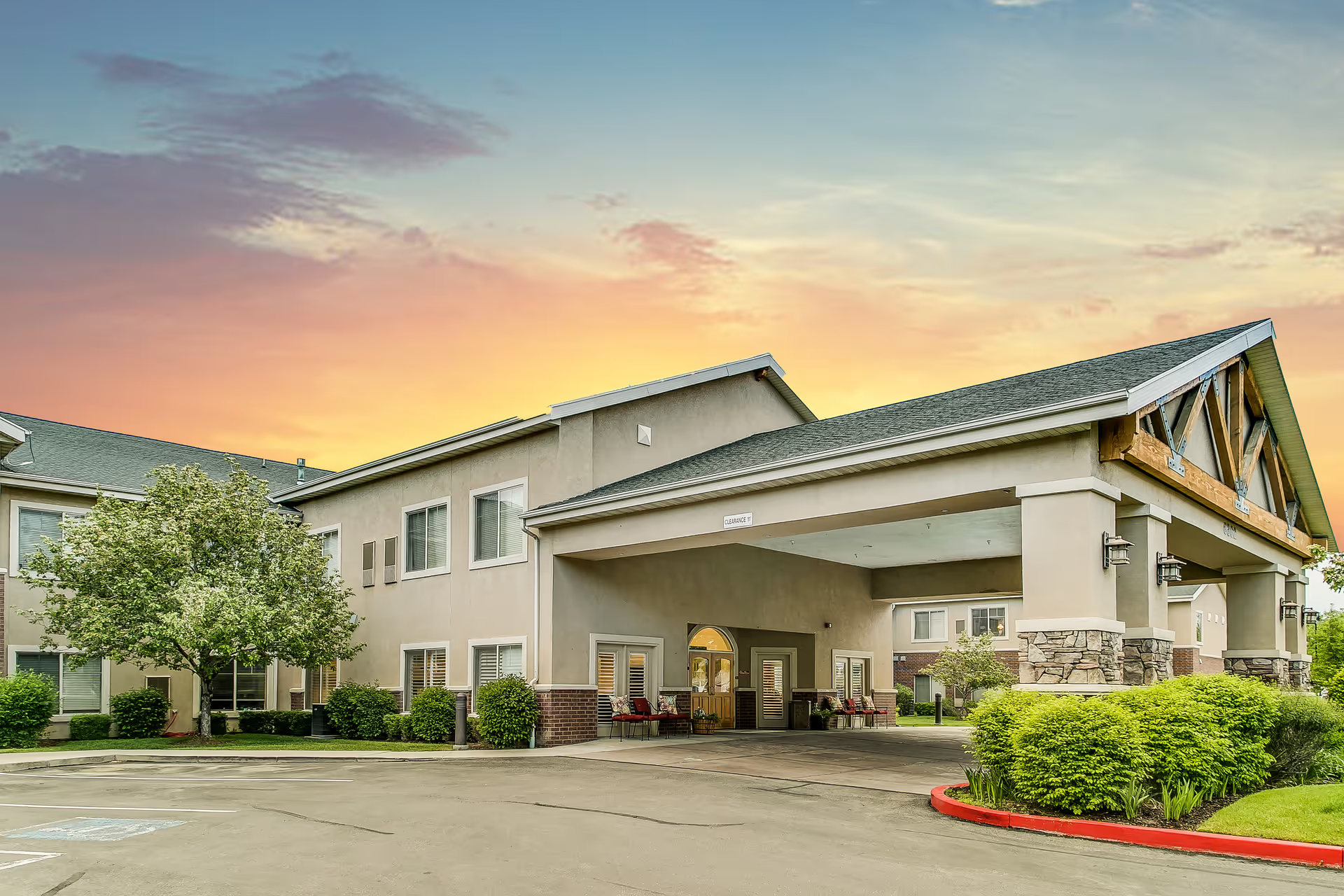
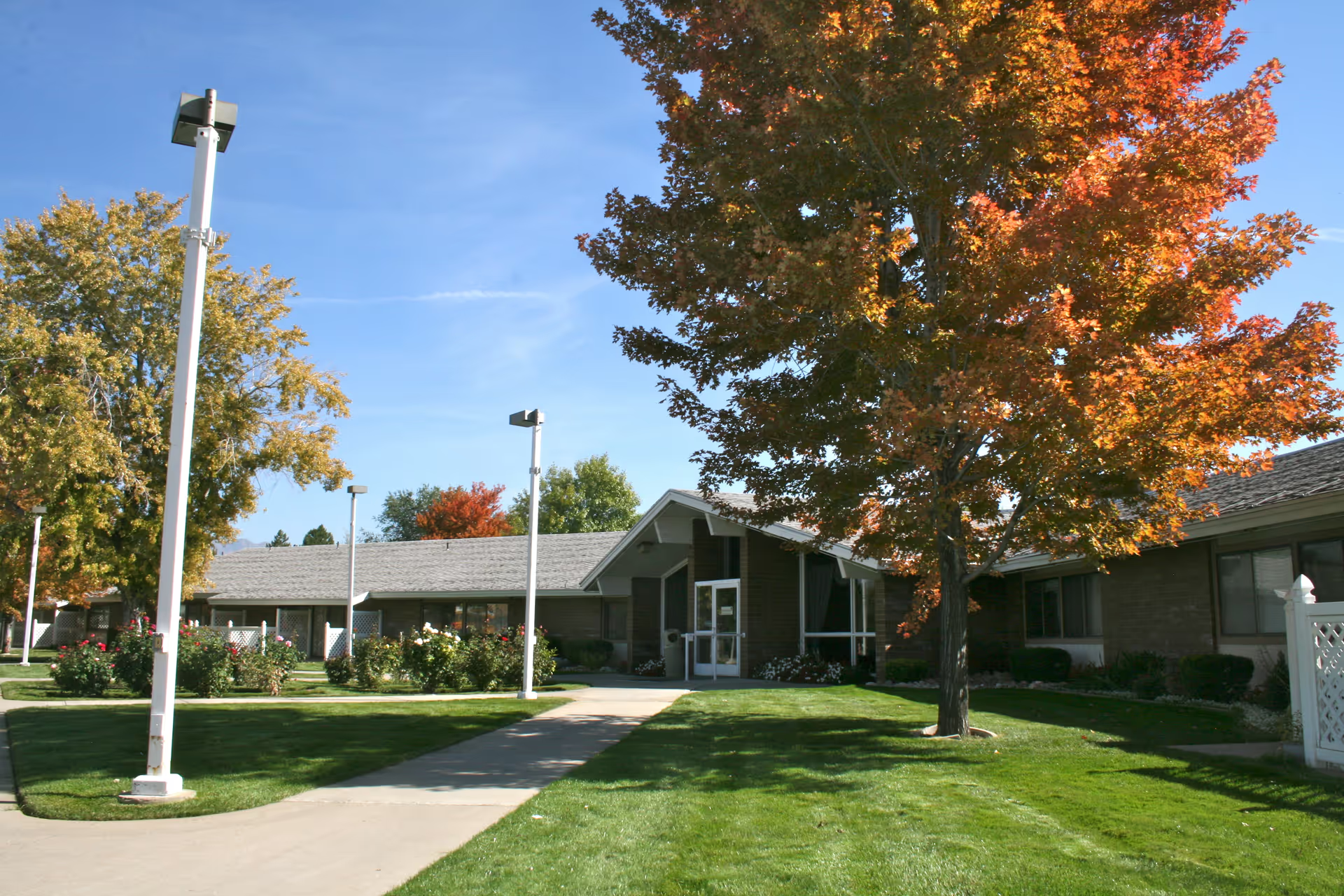
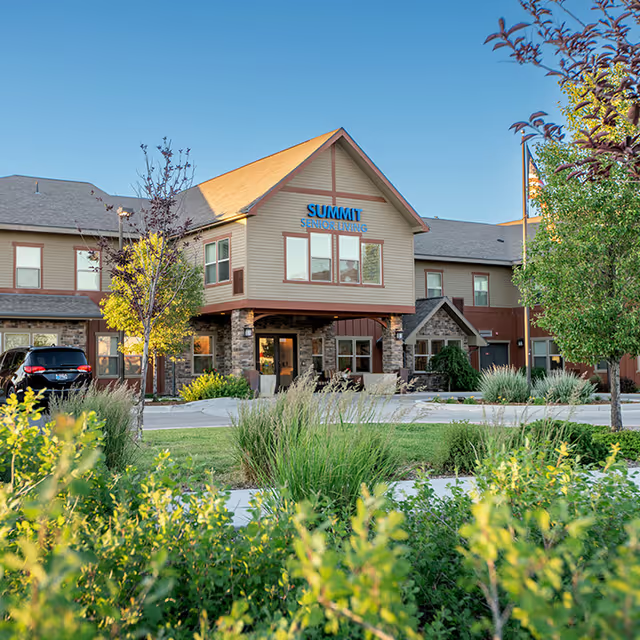
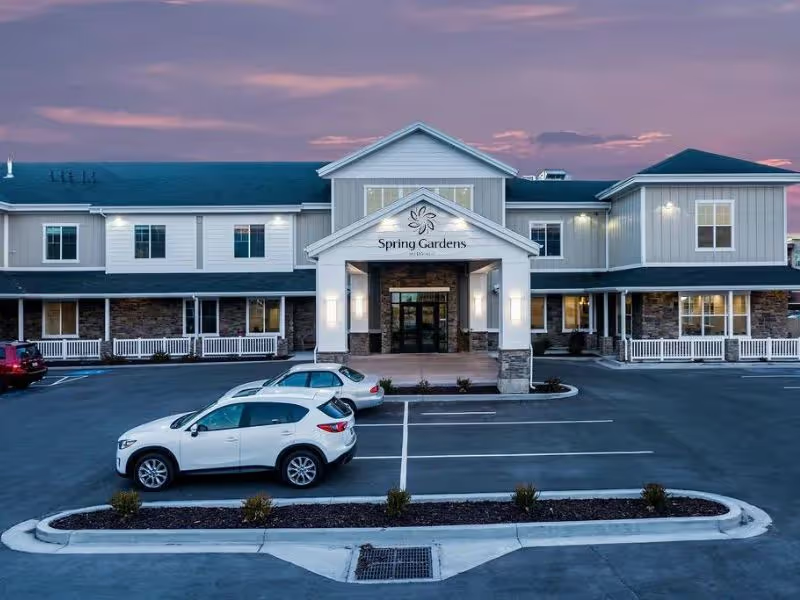
Nursing and direct-care staff earn generally positive comments for compassion, attentiveness, and respectful interactions. Many families and patients described CNAs and nurses as kind and supportive, and several reviewers noted quick recovery trajectories tied to the care team. The facility itself is repeatedly described as clean, modern, and well maintained; private suites with en-suite showers, roomy accommodations, refrigerators in rooms, and an attractive interior are recurring positives. An active activities program, transportation to church/chapel, and a welcoming dining area complement the rehabilitation focus.
Dining impressions are mixed. Numerous reviewers praised an impressive kitchen and varied, delicious meals, while an appreciable minority described inconsistent food quality and menu choices that did not meet individual preferences (notably limited alternatives for those with particular dislikes). This split suggests dependable core meal production but unevenness around menu flexibility and optional offerings.
Operational weaknesses appear in staffing consistency, responsiveness, and some aspects of care coordination. Reviewers described variability in staff experience levels—occasionally relying on trainees—and instances of slow response to call lights or medication requests, especially overnight. Communication gaps between case management and families, and concerns about the thoroughness of discharge planning, were raised; in a few accounts, families felt discharge decisions lacked sufficient geriatric assessment or coordination of supports. Equipment and room-compatibility issues were also mentioned (for example, mobility devices fitting some doorways and room phones or monitoring devices being intermittently nonfunctional), indicating opportunities to review room accessibility and in-room systems.
Management and complaint resolution emerge as an area for improvement. Several reviewers felt staff or managers responded defensively to concerns and that accountability or follow-up could be stronger. A small number of reviewers described serious, adverse events they associated with feeding or monitoring practices; these accounts underline the importance of clear clinical protocols, family communication, and rapid incident-response processes. Financial and access constraints were noted as well—Legacy Village does not accept Medicaid for long-term care, and Medicare limits on rehabilitation duration were cited as practical limitations for some families.
Overall, Legacy Village is characterized as a strong rehabilitation-focused facility with standout therapy services, compassionate direct-care staff, and attractive accommodations. Prospective residents and families should weigh the facility’s excellent therapy reputation and environment against potential variability in staffing, meal flexibility, discharge communication, and payer limitations. When considering admission, it may be useful to ask specifically about overnight staffing levels, discharge-planning procedures, accessibility for personal mobility equipment, and contingency plans for medication administration and in-room communications.