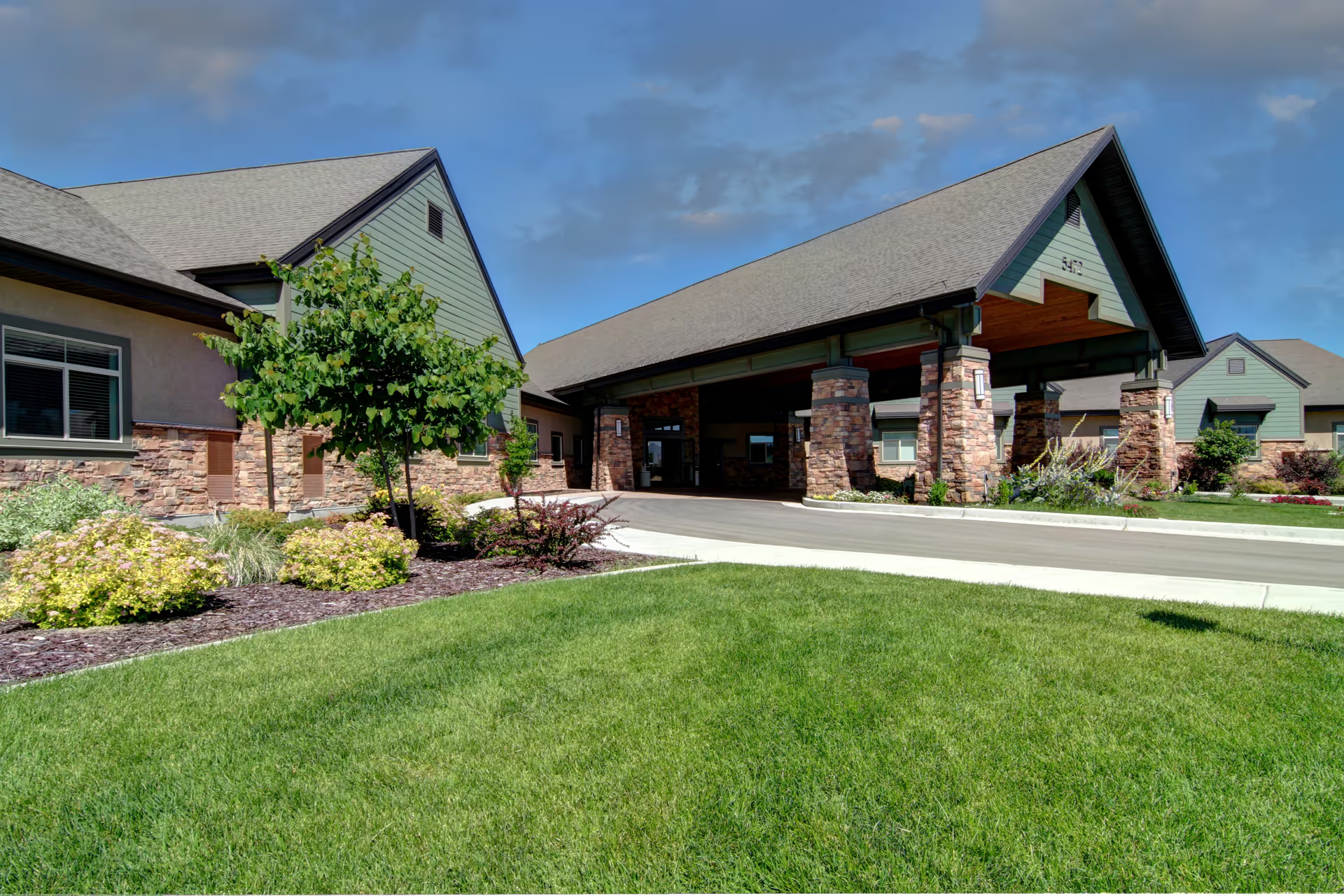
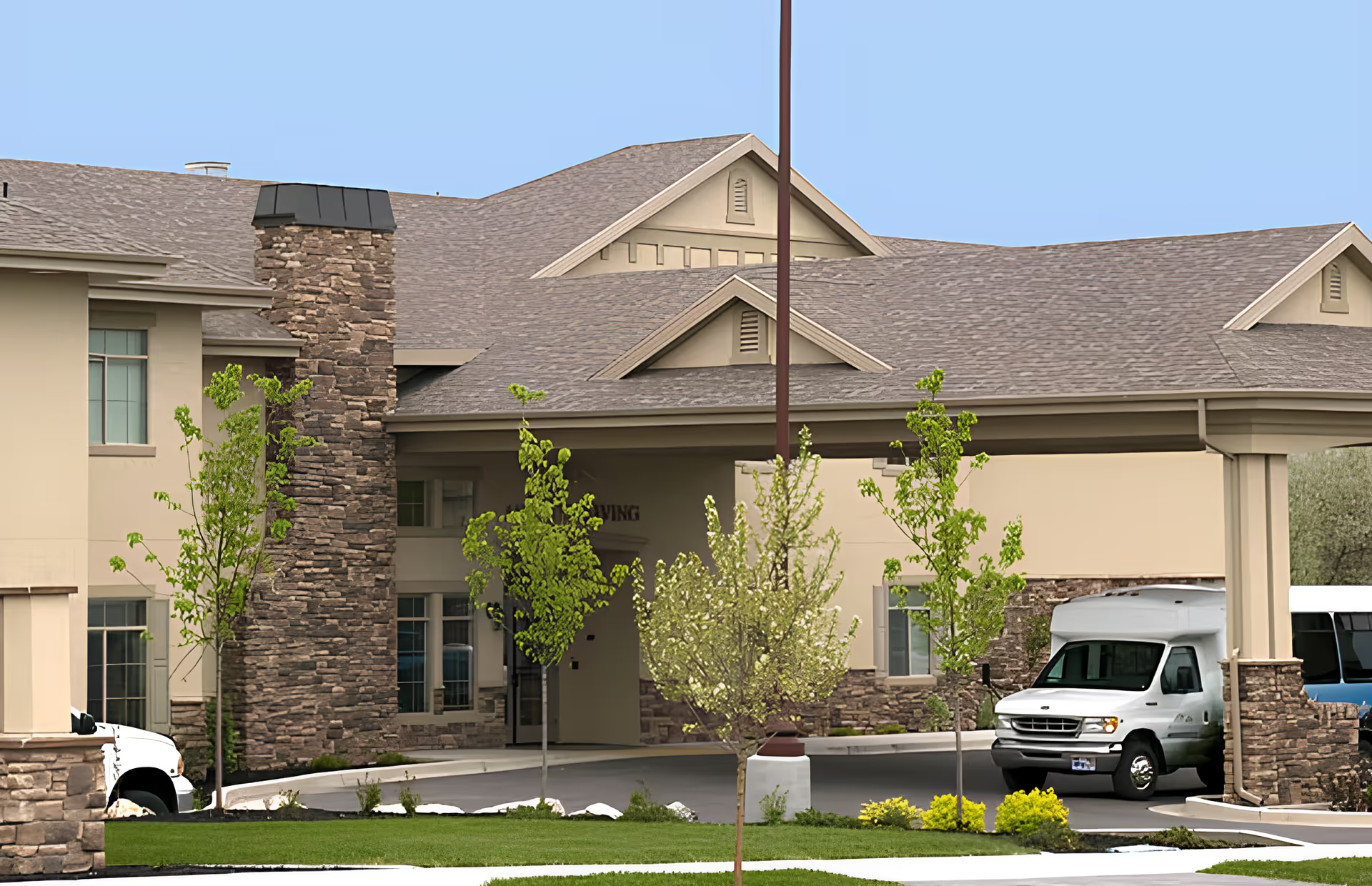
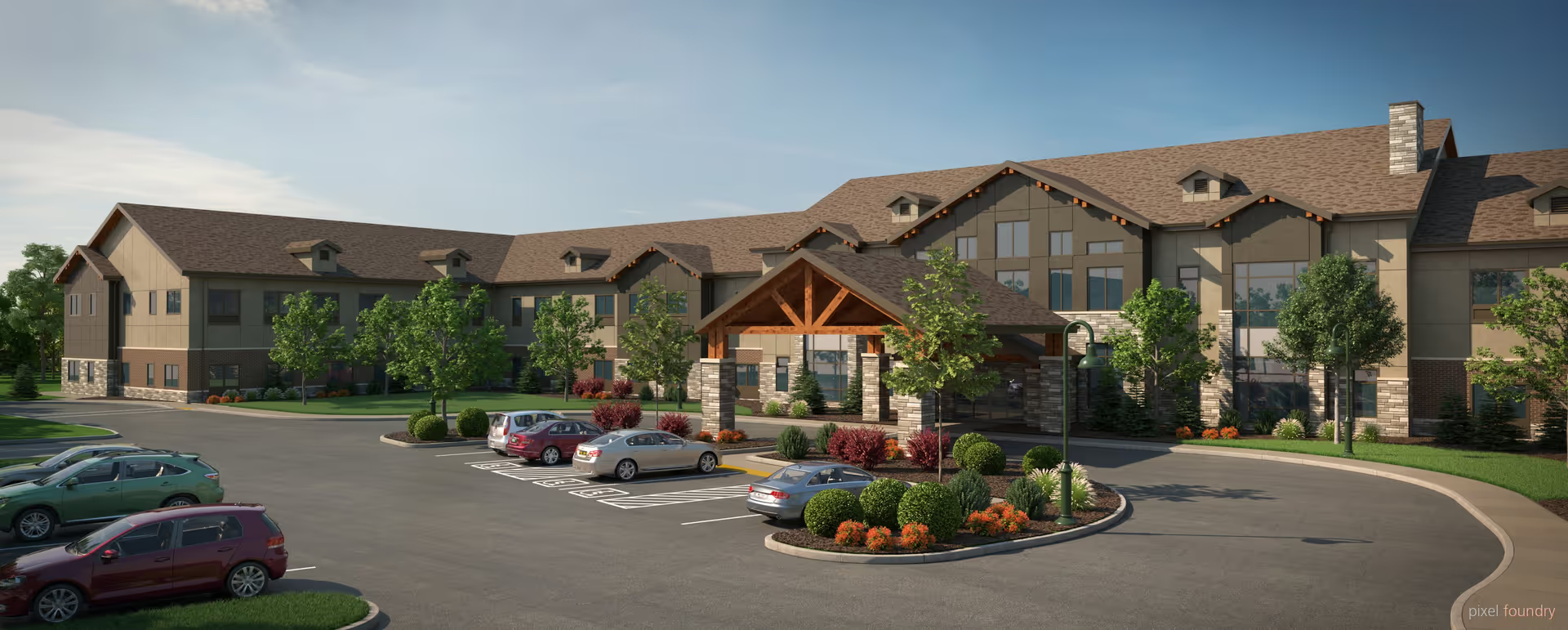
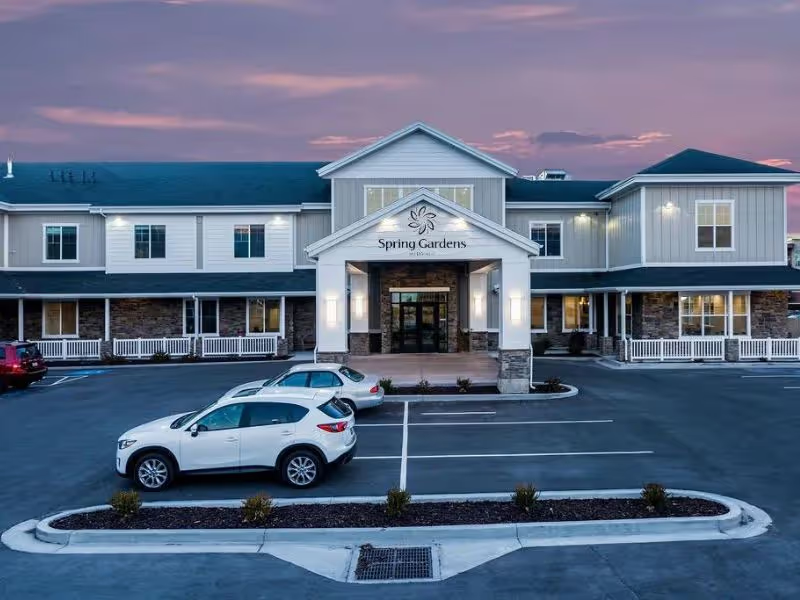
Sunridge Assisted Living and Memory Care is frequently described as a warm, home-like community with many families praising the caregiving culture. Strengths cited across reviews include compassionate, family-style staff interactions, a strong activities program led by dedicated coordinators, attractive communal spaces (formal dining room, fireplace and piano areas), and a new, well-maintained building with spacious suites and private family dining. Families commonly note positive transition support, frequent social outings and events, visible holiday decorating, and accessible small amenities such as an onsite salon, beverage/snack stations, and private meeting rooms.
Care quality and staffing present a mixed picture. Numerous accounts highlight attentive, loving CNAs and coordinated nursing follow-up, with staff offering personalized end-of-life support and frequent family communication in many cases. At the same time, reviewers raise operational concerns that reflect uneven clinical oversight: medication-management and documentation inconsistencies, gaps in infection-prevention and wound-care oversight, and occasional delays in attending to incontinence-related needs. There are also isolated but serious allegations of clinical incidents; these claims point to the need for prospective families to inquire directly about clinical protocols, staffing ratios, and incident reporting practices.
Dining and housekeeping receive both positive and critical comments. The formal dining room and meal presentation are frequently praised, and some families report improved appetite and nutrition for residents. However, there are recurring notes about inconsistent meal temperature, variable portion sizes, and occasional substitutions that do not feel like a full meal. Housekeeping is described as weekly and generally thorough, yet multiple reviewers mention sanitation concerns such as trash overflow and areas that were not promptly cleaned after incidents; this suggests variability in environmental services execution.
Activities and social engagement are core strengths: a broad schedule of on-site programming, outings to restaurants, exercises including yoga, and frequent community events foster resident interaction and friendships. The community’s size and design (including a secure memory-care wing) support a close-knit atmosphere, though some reviewers note that smaller communities have a more limited array of high-end amenities compared with larger facilities.
Management and operations show positive examples of responsive leadership and attentive directors, but there is evidence of managerial turnover and uneven presence during nights and weekends. Communication with families is often proactive and helpful, but other accounts cite slow callbacks and mixed responsiveness. Pricing concerns appear in relation to ancillary services (notably salon services) and perceived value for meals or optional paid services.
Overall pattern: many families describe a highly compassionate, activity-focused community that feels like home and provides strong emotional support and social engagement. Concurrently, a subset of reviews raises operational and clinical concerns that are not universal but are consequential—specifically around meal consistency, environmental-services reliability, clinical documentation/medication practices, infection and wound-care oversight, and variable management presence. Prospective families should weigh the strong interpersonal culture and facilities against these operational trade-offs, and when visiting should ask for current staffing ratios, nursing coverage schedules, detailed infection-control and wound-care protocols, medication-management procedures, meal service samples and menus, and transparent pricing for ancillary services.