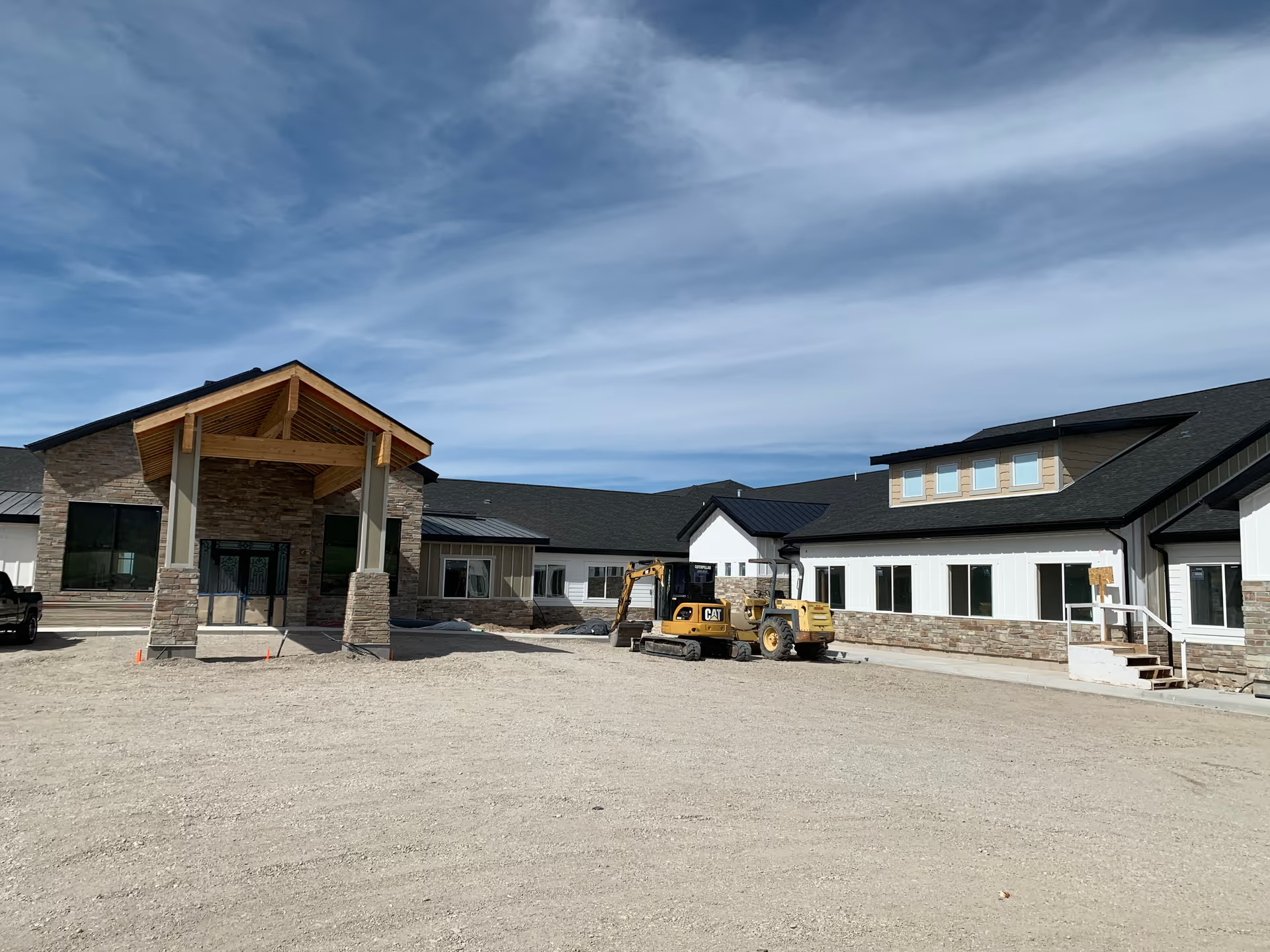
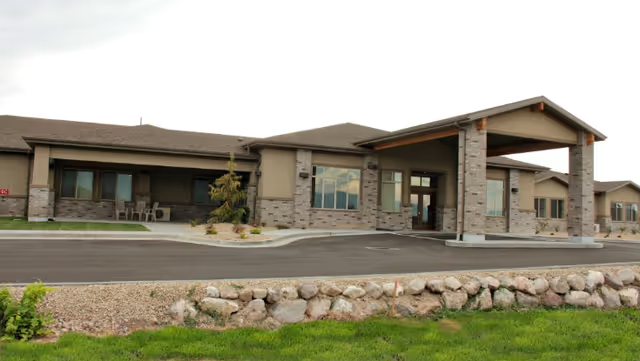
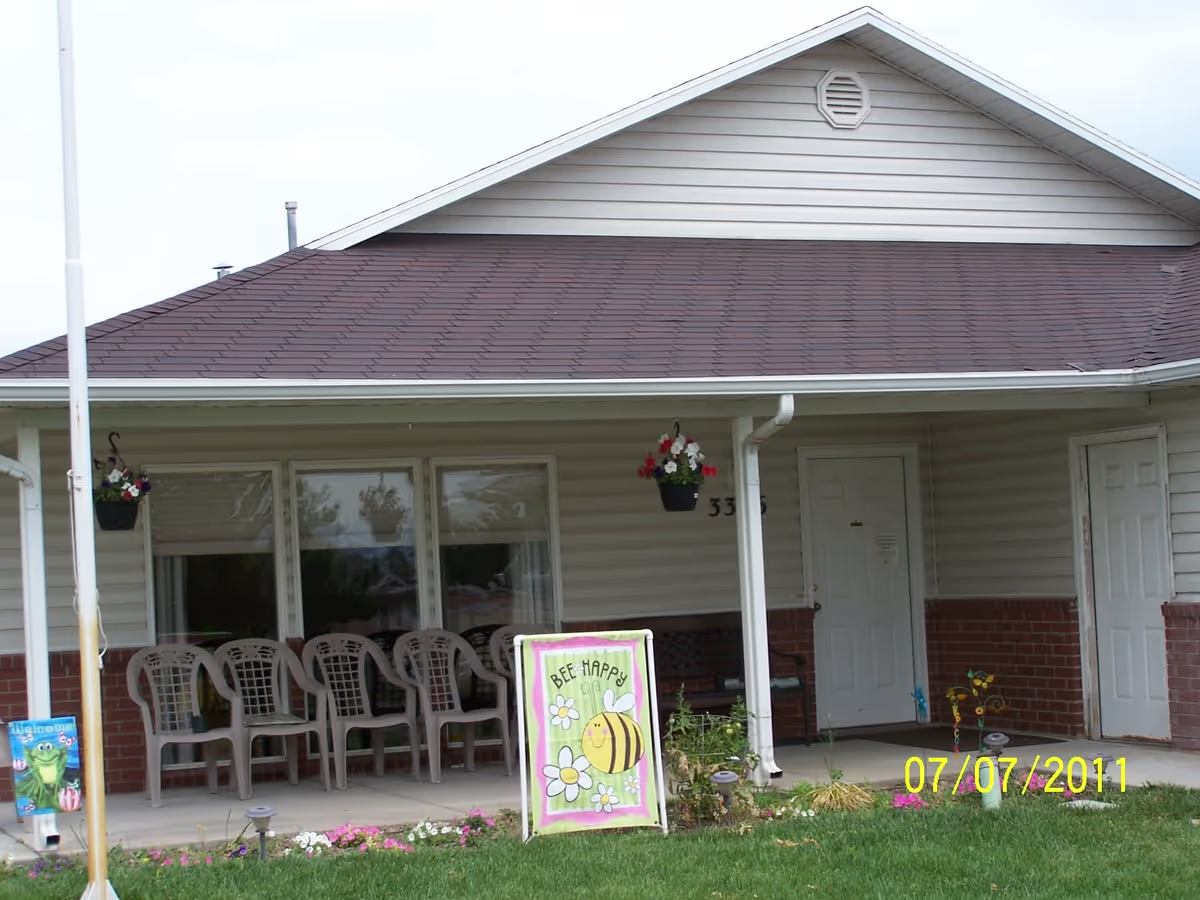
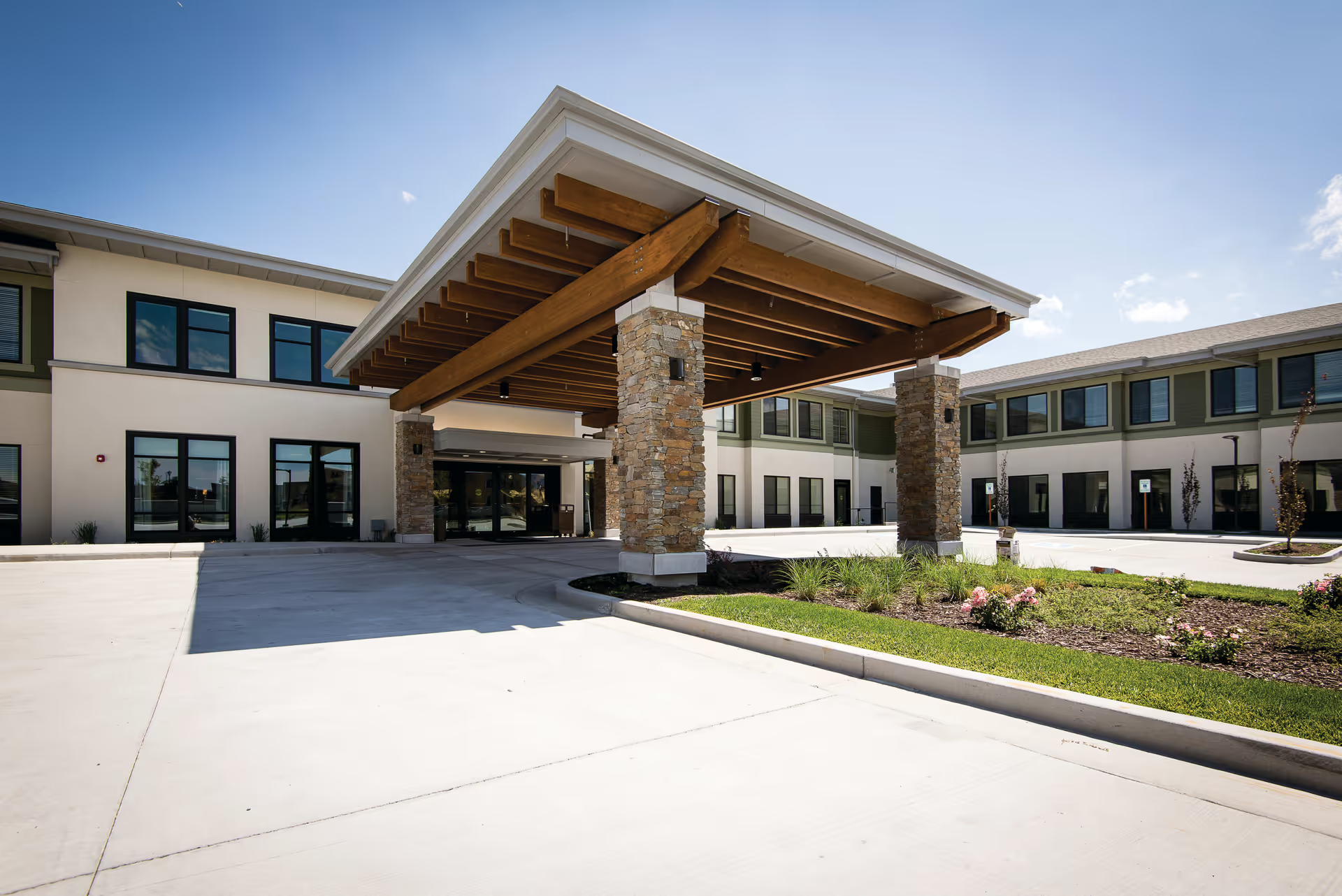
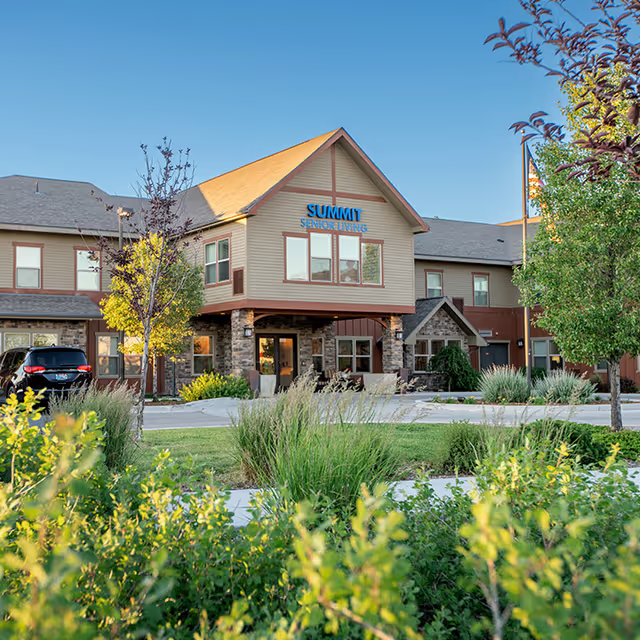
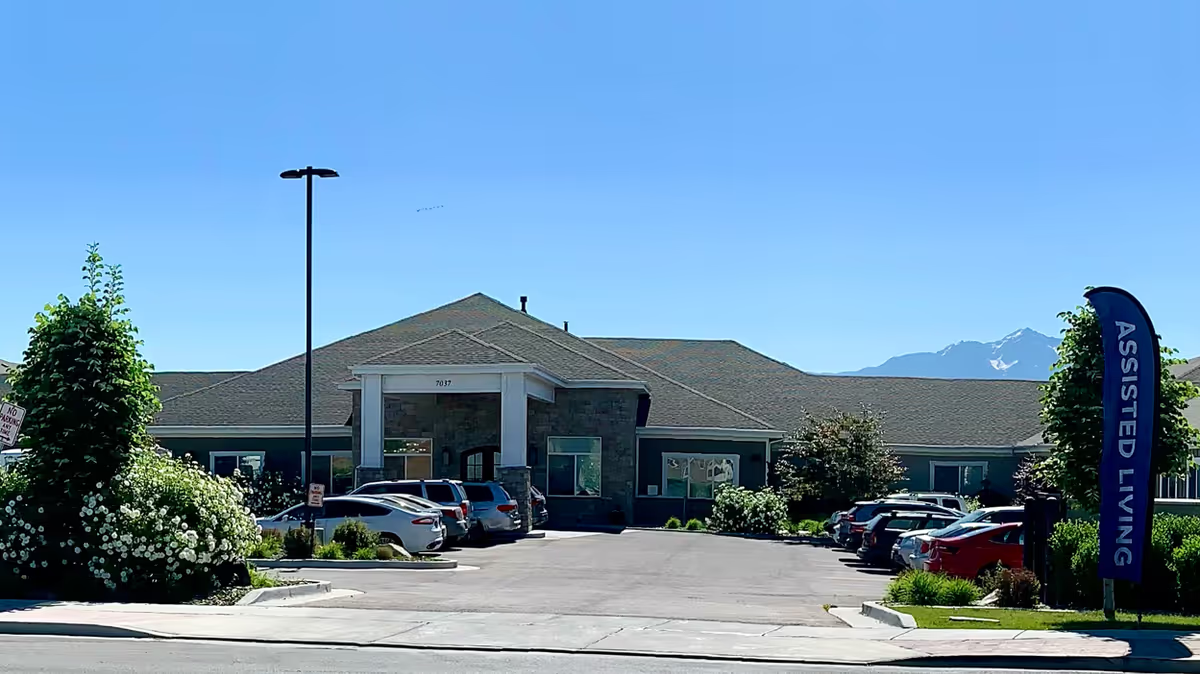
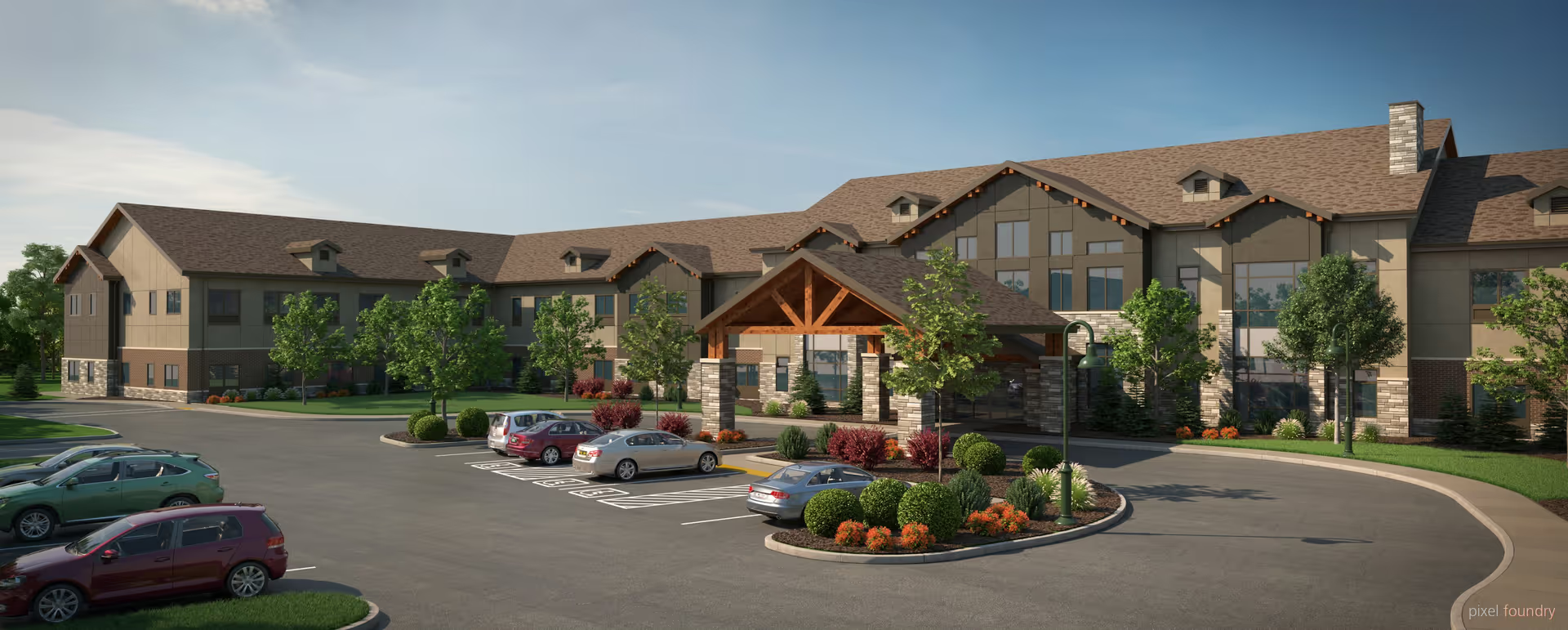
Overall impression: Cottage Glen presents as a small, cottage-style assisted living community that many families characterize as warm, home-like, and staffed by caregivers who form close, personalized relationships with residents. Positive themes include frequent praise for individual caregivers and nursing staff, routine onsite clinical services (weekly medical rounds, mobile wound care), and a management team that is often described as responsive and engaged. Physically, the community is described as clean and well maintained, offering bright, larger one-room apartments or cottage units with kitchenettes, a separate memory-care unit, and outdoor spaces used for events.
Care quality and staff: A dominant strength across the feedback is the quality of interpersonal care. Reviewers commonly note compassionate, attentive CNAs and nurses who know residents by name, provide individualized attention, and communicate with families. Several reviewers highlighted named staff (nurses, med techs, CNAs) as standout contributors to resident wellbeing. Clinical access is supported by regular medical rounds and onsite mobile services, which families cite as valuable for continuity of care. However, there are also substantive concerns that point to variability: some accounts describe lapses in clinical oversight, communication breakdowns with families, and events that led to hospital transfers. These contrasting reports suggest that while many families experience reliable, attentive clinical care, others perceive gaps in incident response, care coordination, or medication and clinical management. Prospective families should ask about staffing ratios, clinical oversight protocols, and escalation/notification procedures.
Dining and nutrition: Many families praised the dining program—three meals daily and several positive comments about food quality and festive meal presentation. At the same time, a number of critiques reference inconsistent meal quality or dissatisfaction with specific meal experiences. This mixed pattern indicates that dining satisfaction may vary by unit, shift, or individual expectation. Visitors should sample meals if possible and inquire about menu rotation, special-diet accommodations, and complaint/feedback processes.
Activities and social life: Activity programming appears to be a clear asset. The community offers a range of on-site and off-site programming (puzzle and music groups, craft fairs, car shows, day trips, and in-unit engagement for memory-care residents). Families report active social life and events that contribute to a lively community atmosphere. A few comments indicate organizational inconsistencies for larger events, so asking for a sample activity calendar and how activities are staffed and evaluated may be useful.
Facilities and amenities: Physical amenities and location are frequently noted positively: spacious, well-lit apartments with kitchenettes, clean common areas, outdoor patios, and proximity to hospitals and healthcare professionals. The presence of a separate memory-care unit with access to main-unit activities is a benefit for residents with cognitive impairment. Cleanliness and cottage-style decor contribute to the described home-like environment.
Management and notable patterns: Management is often described as responsive, with examples of owners and managers intervening directly and staff making extra efforts for residents and families. That said, there are intermittent but serious concerns in the feedback that include communication problems, guardianship/administrative questions, and at least one category of allegations concerning policy or ethical compliance. These are significant enough that prospective residents and their families should review contracts, grievance procedures, and state inspection or complaint histories, and clarify how legal/guardianship matters are handled.
Recommendation for families touring Cottage Glen: focus questions on staffing ratios by shift, fall-prevention and transfer protocols, clinical oversight (who provides medical rounds and how incidents are escalated), medication administration practices, dining menus and special-diet accommodations, activity staffing and sample schedules, and billable fees/financial policies. Request references from current families and check state inspection records to reconcile the largely positive narratives about compassionate, individualized care with the intermittent but consequential concerns about clinical response, communication, and administrative consistency.