Overall impression: Reviews describe a facility with many strengths in direct care, rehabilitation, and resident engagement, balanced by operational inconsistencies that can affect clinical reliability and family communication. Families frequently highlight compassionate, personal caregiving and an environment that feels home-like; however, a subset of reviews raises substantive operational concerns that prospective residents and families should evaluate during a tour and admissions discussion.
Care and staff: Nursing assistants, CNAs, and nurses are commonly praised for compassionate, attentive bedside care and for building familial rapport with residents. Several comments single out long-tenured staff and individuals in leadership or social services who provide consistent advocacy and communication. The therapy and rehabilitation program receives strong positive mention for producing measurable recovery gains, with specific staff noted as effective. At the same time, reviewers identify variability in response times to call lights and assistance requests, and staffing pressures are said to affect continuity of care and therapy regularity. There are also isolated but serious concerns about clinical escalation and timeliness of treatment for acute symptoms; families should clarify escalation protocols and on-call medical coverage.
Dining and personal care: Dining opinions range from satisfactory to average; dietary accommodations are available but not uniformly consistent (one review noted a gluten-awareness issue and another described small portions). Personal-care practices are generally described as attentive, though a few reviewers mentioned inconsistencies in bathing, oral care, and hydration assistance. Prospective families may wish to review individualized care plans and dietary management procedures during intake.
Activities and social programming: The facility receives consistent praise for its activities program, with frequent references to engaging group activities, crafts, faith-based gatherings, and individualized social interaction that support resident quality of life. Administrators and activities staff are often identified as proactive and creative, and social services are highlighted as helpful with insurance, Medicaid spend-downs, and discharge planning.
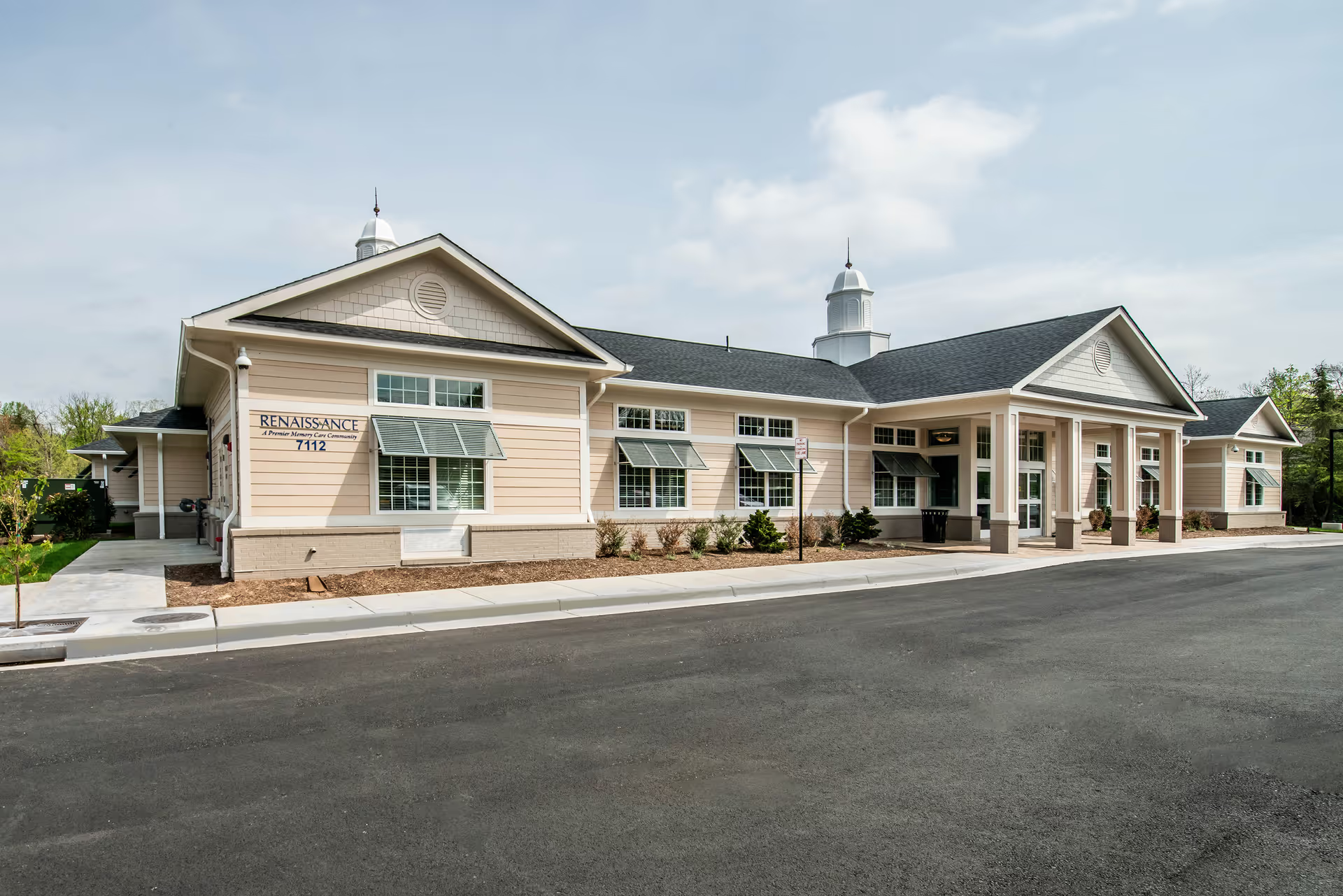
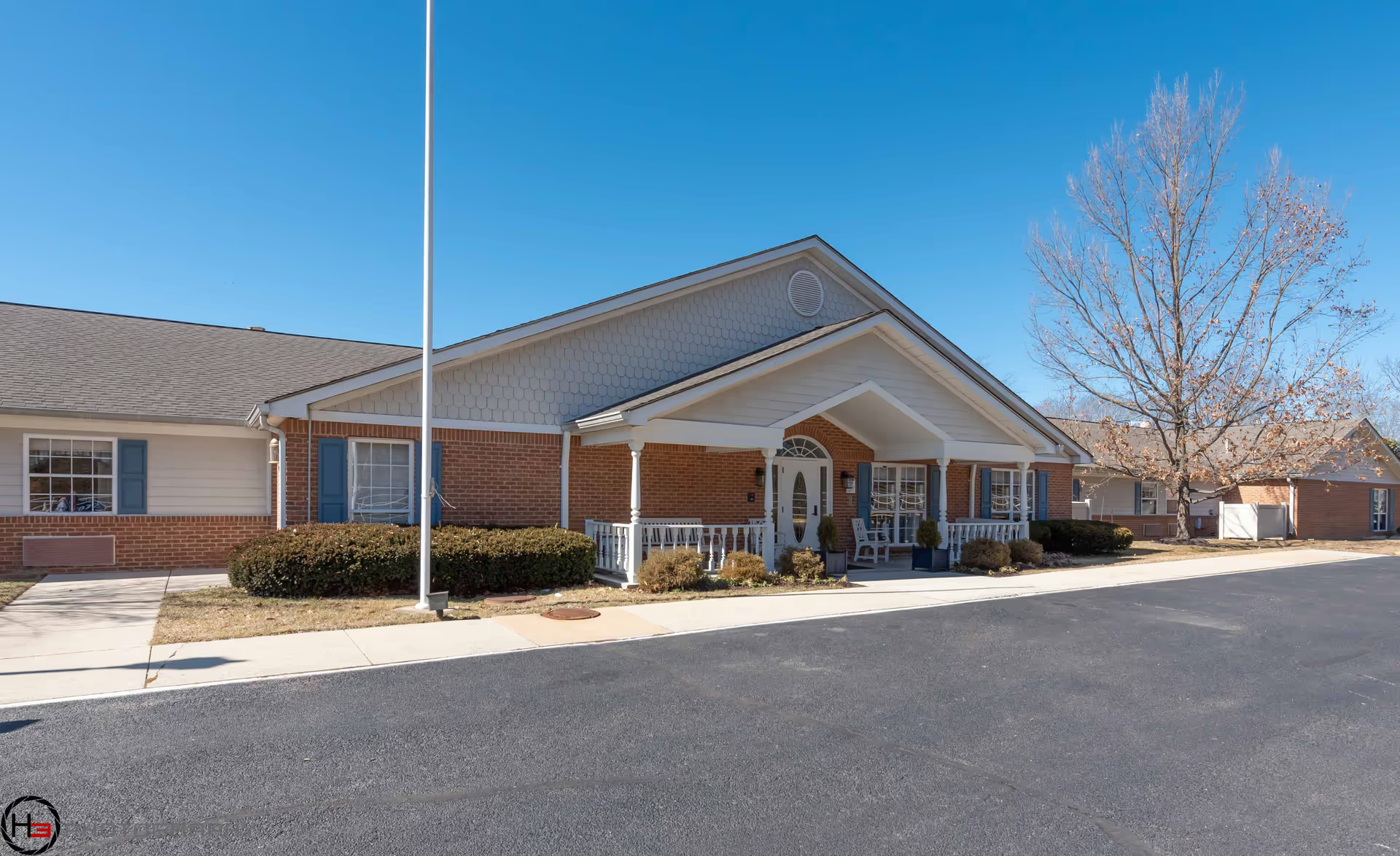
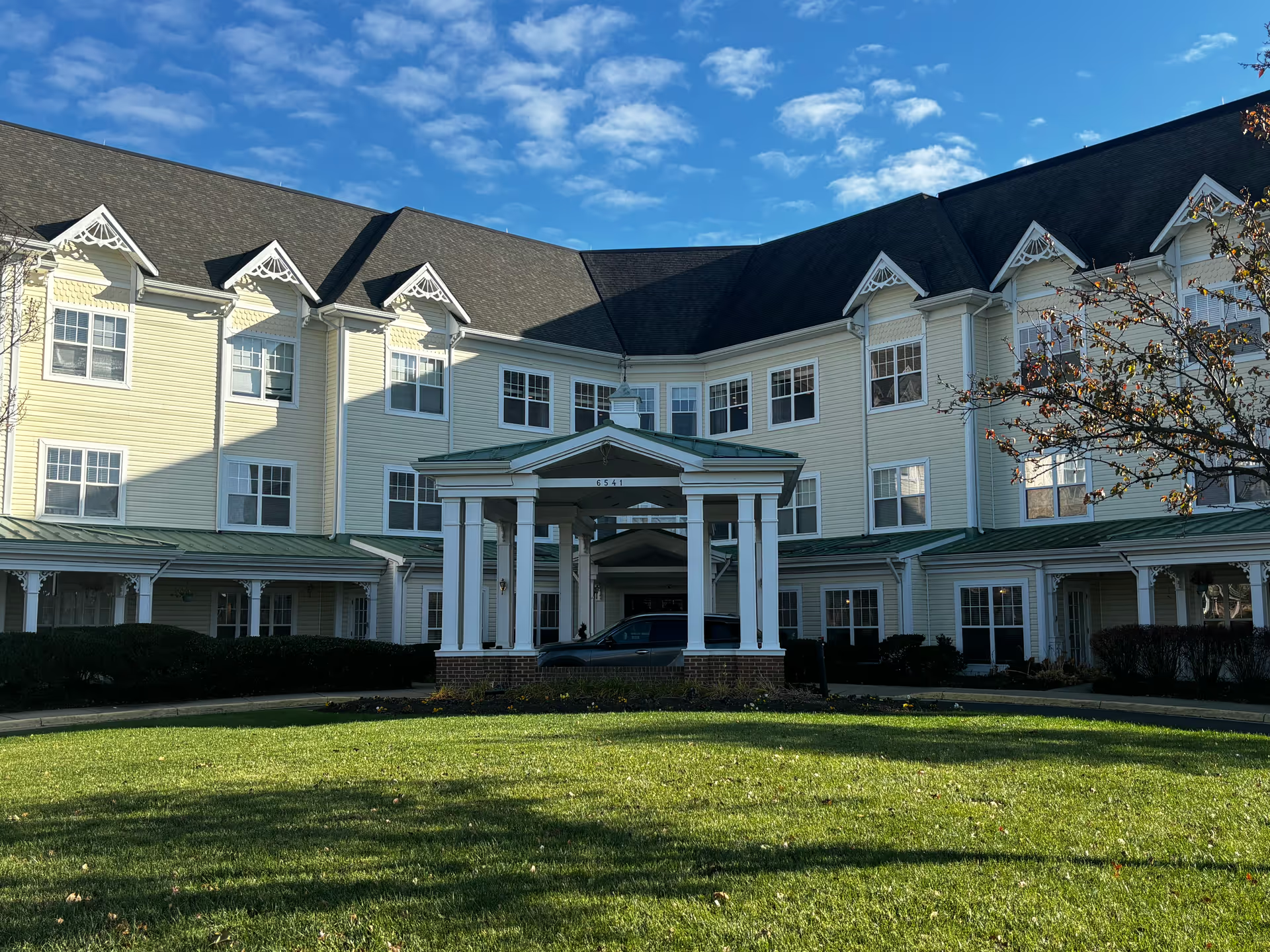
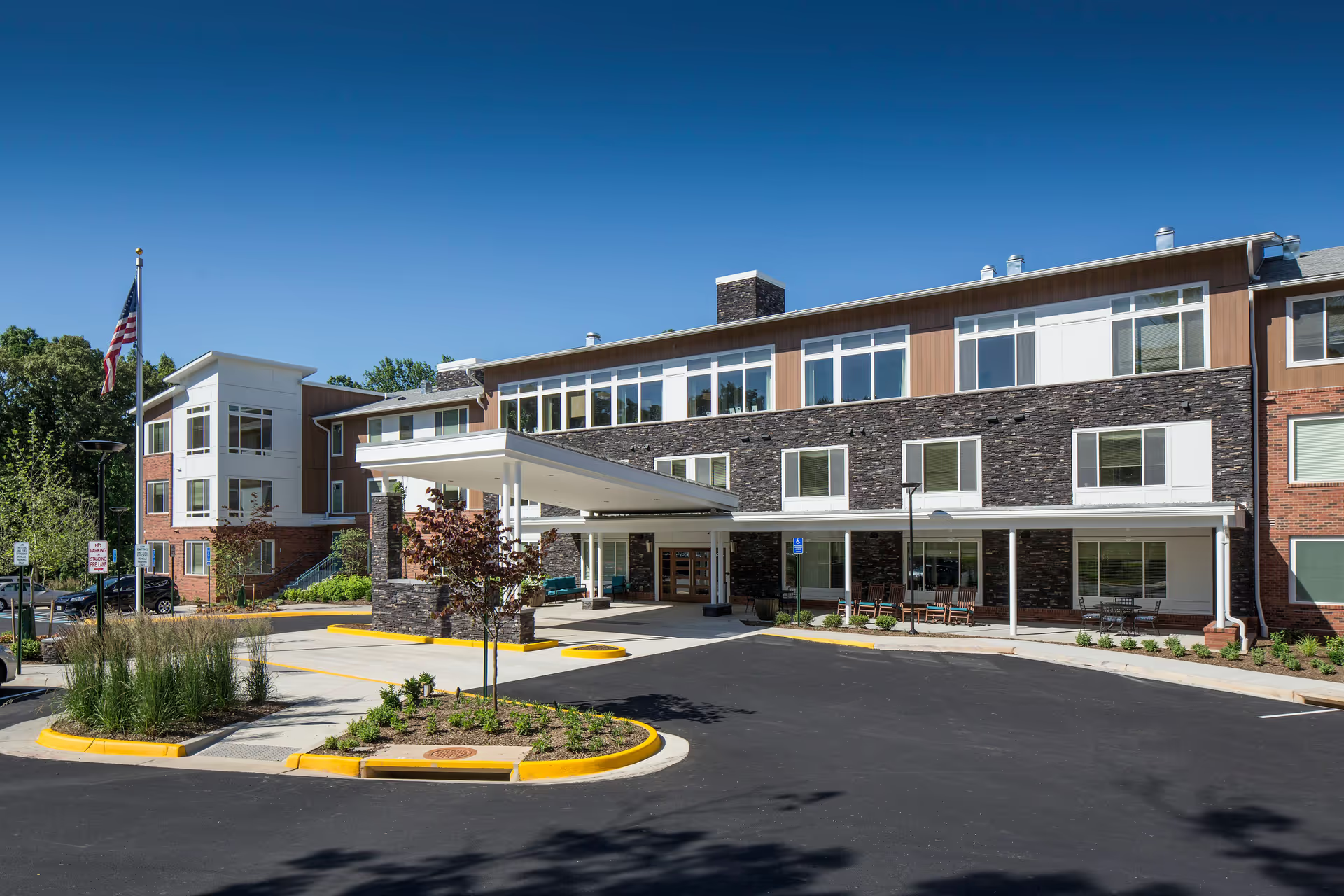
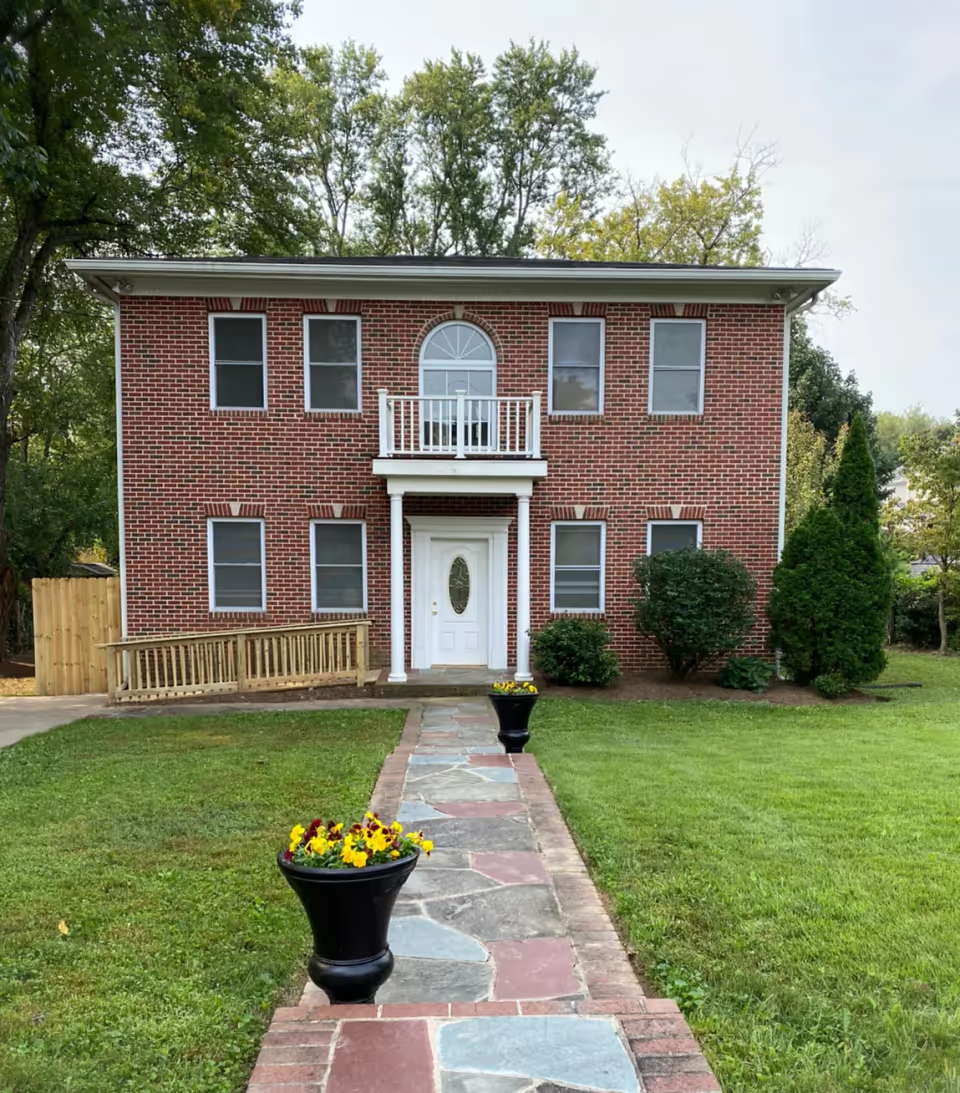
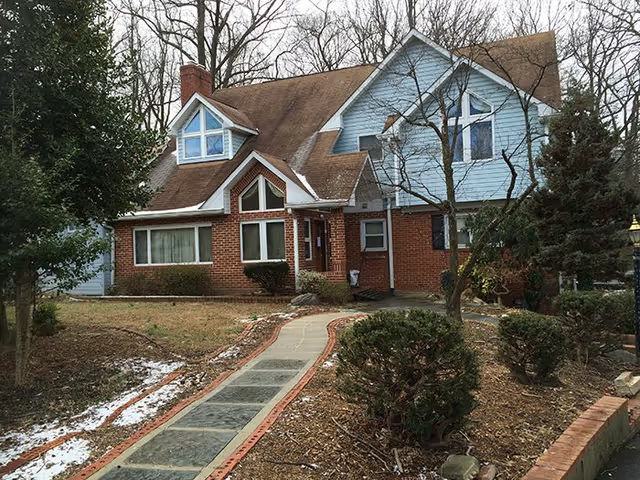
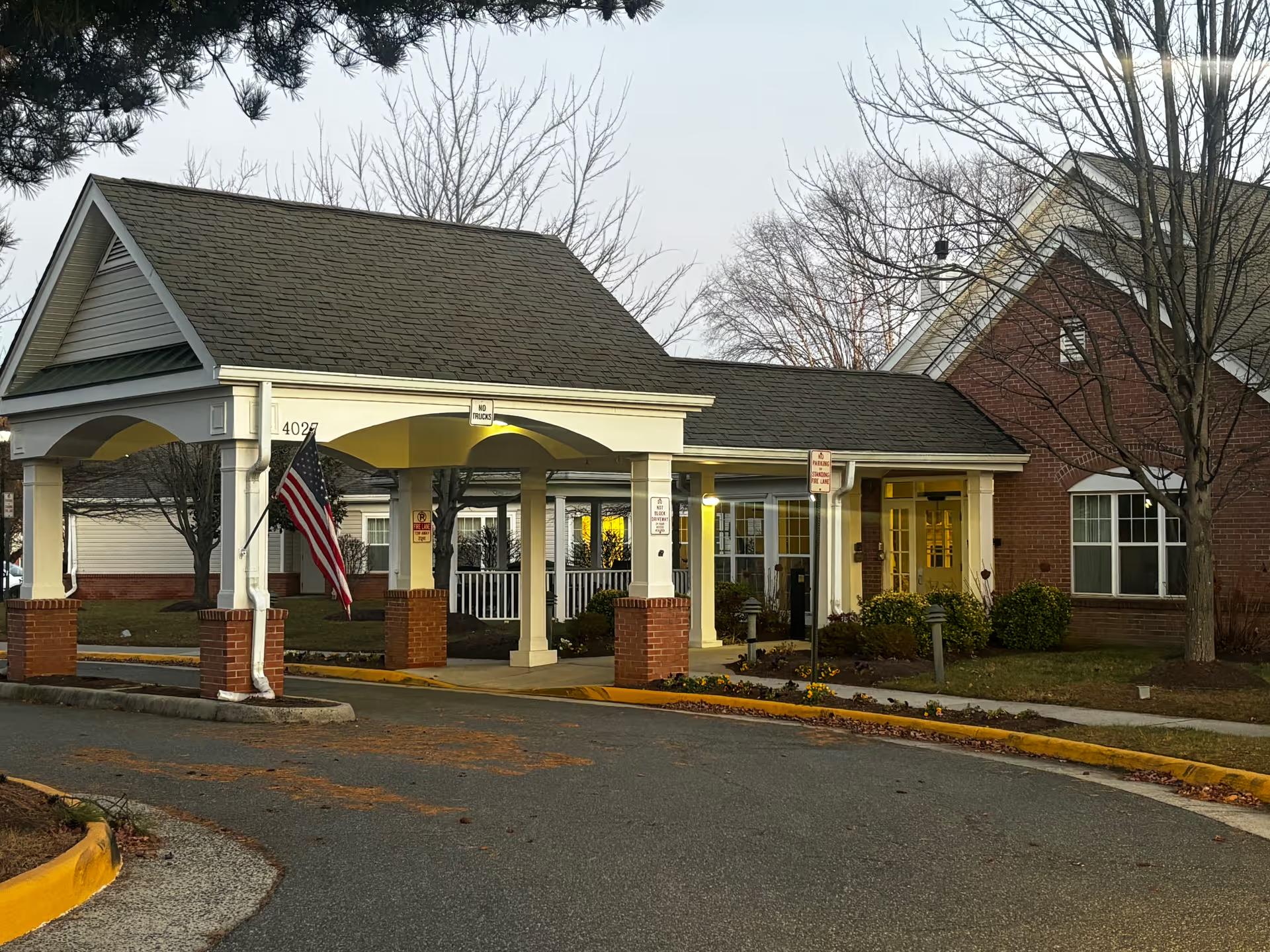
Facilities and operations: Physical spaces are described as bright, recently renovated in areas, and generally well maintained; rooms are characterized as comfortable and hospital-like when needed. Parking and the site location are convenient for many families. Operationally, however, reviewers note intermittent cleanliness or odor-control issues in particular areas and construction-dust concerns during renovations. Communication systems are another recurring operational weakness: difficulty reaching staff by phone, busy signals, or garbled connections were reported. Cost and affordability are also frequently mentioned—some families find the pricing high relative to perceived value.
Management and notable patterns: Leadership receives mixed but often positive feedback—some administrators are described as hands-on and responsive, which correlates with better family experiences. Conversely, a small number of families raised serious concerns about admissions procedures and consent safeguards, including an allegation of an admissions error; these points suggest the need to review admissions documentation and consent workflows carefully. In summary, the facility offers strong person-centered care, robust therapy, and engaging programming, but prospective residents should verify staffing levels, acute-care escalation processes, communications infrastructure, and financial arrangements as part of decision-making.