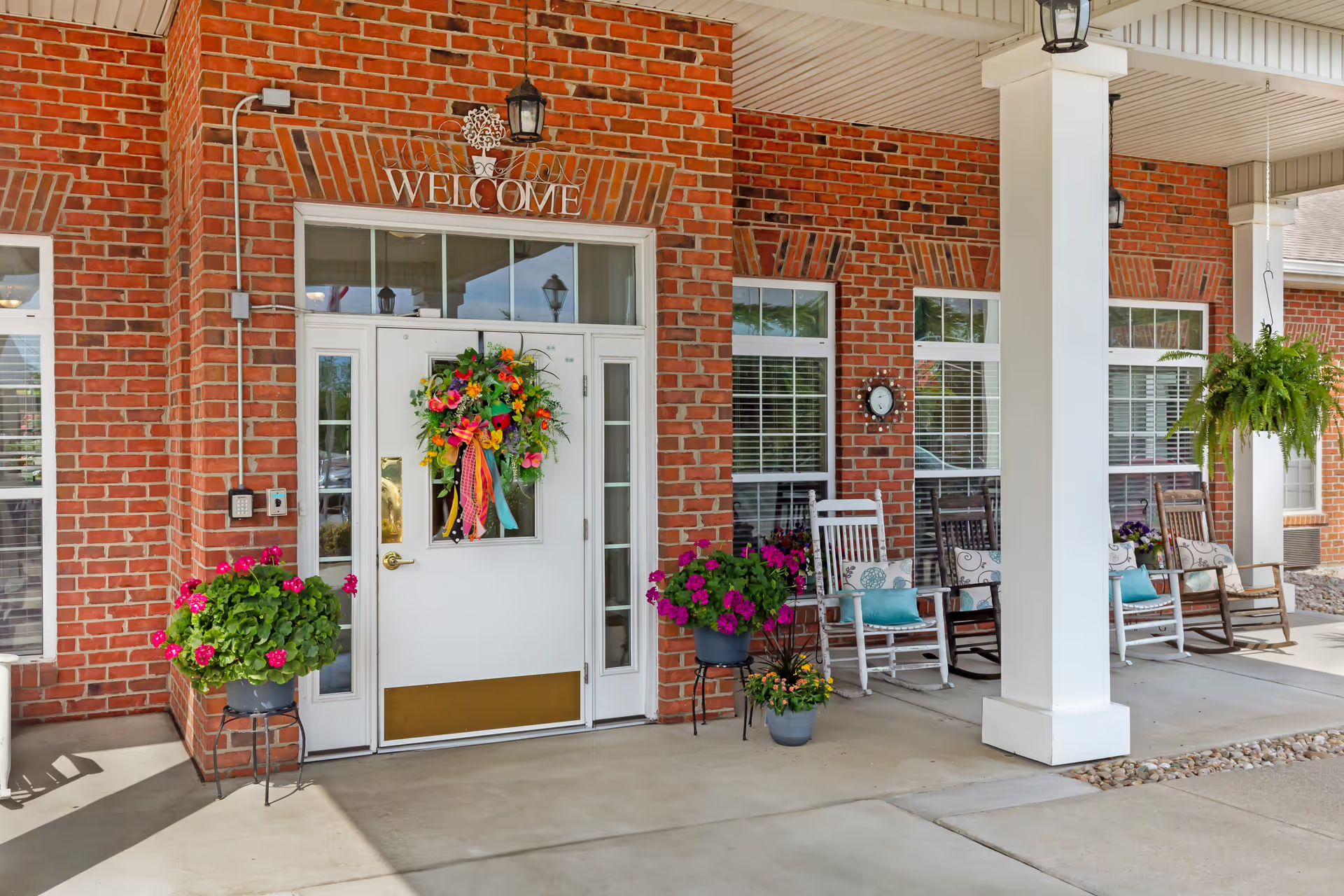
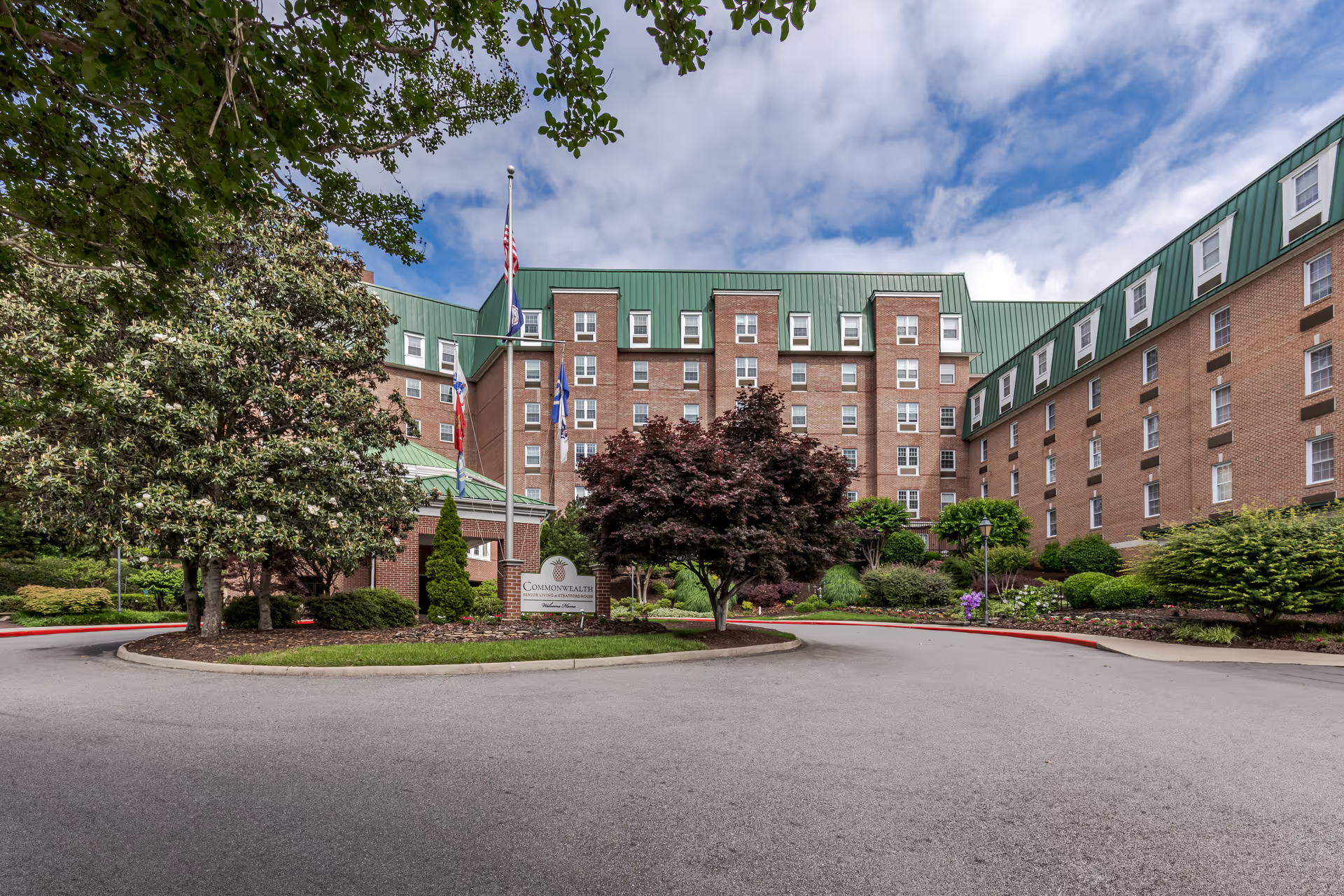
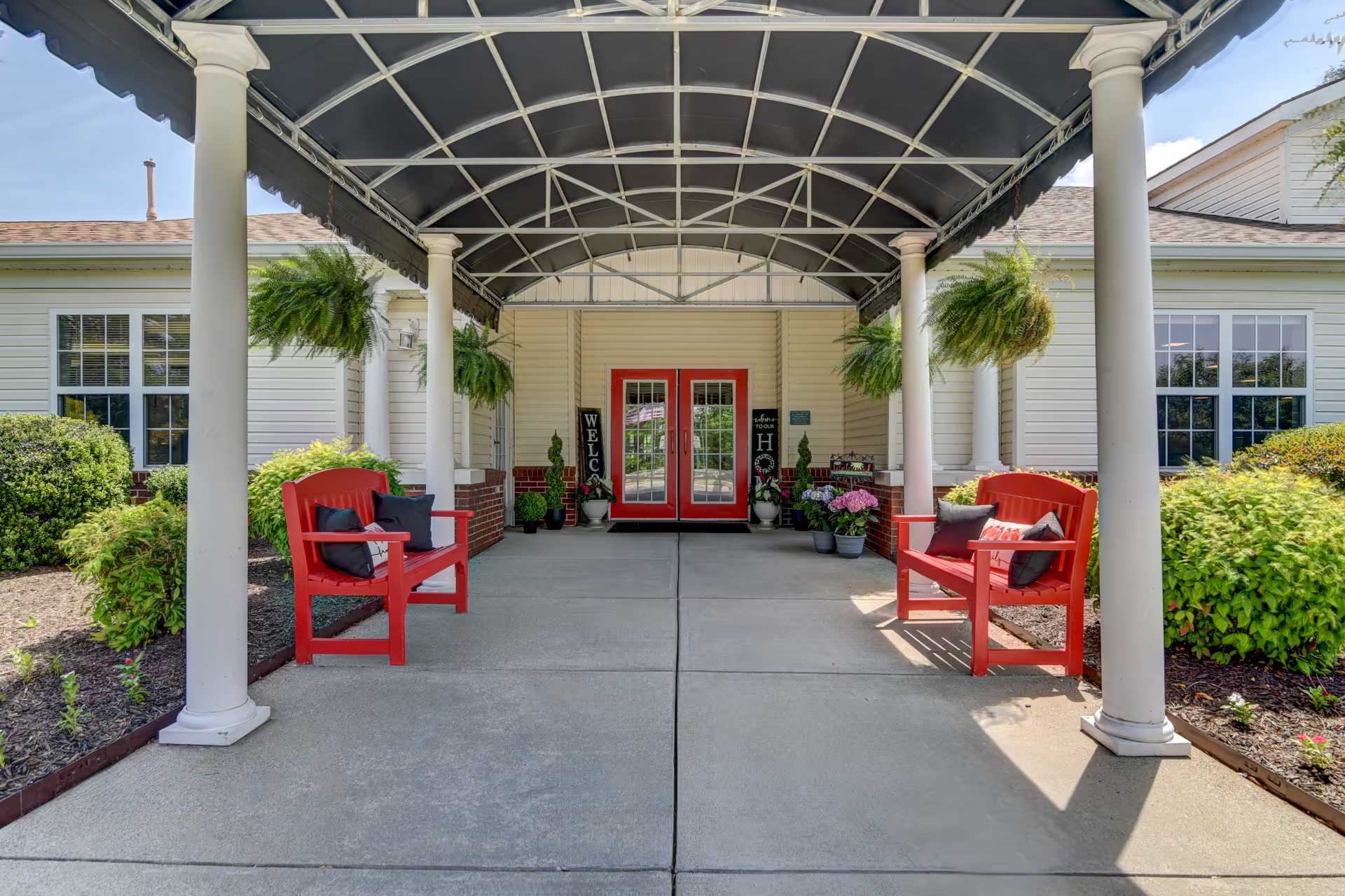
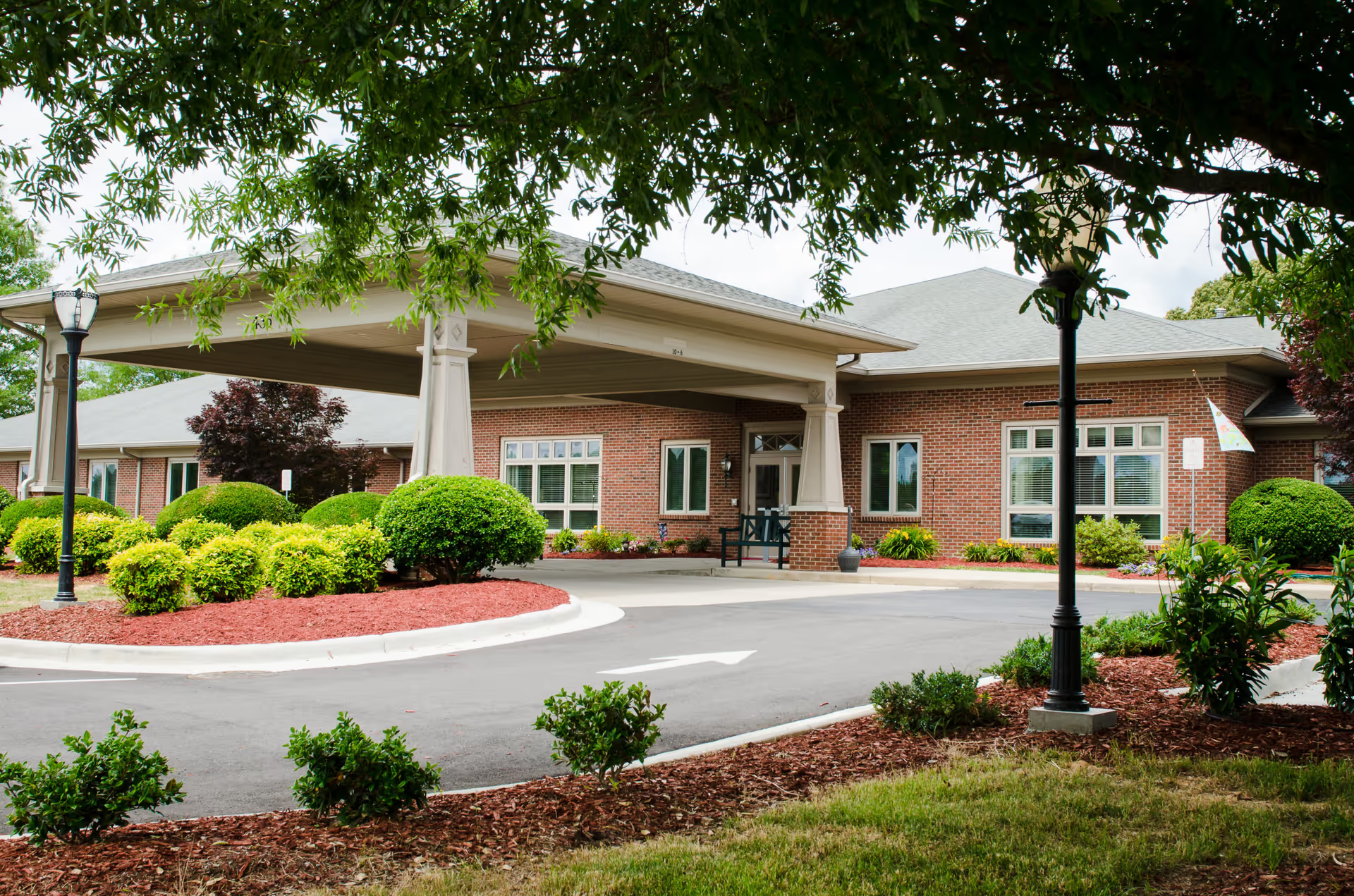
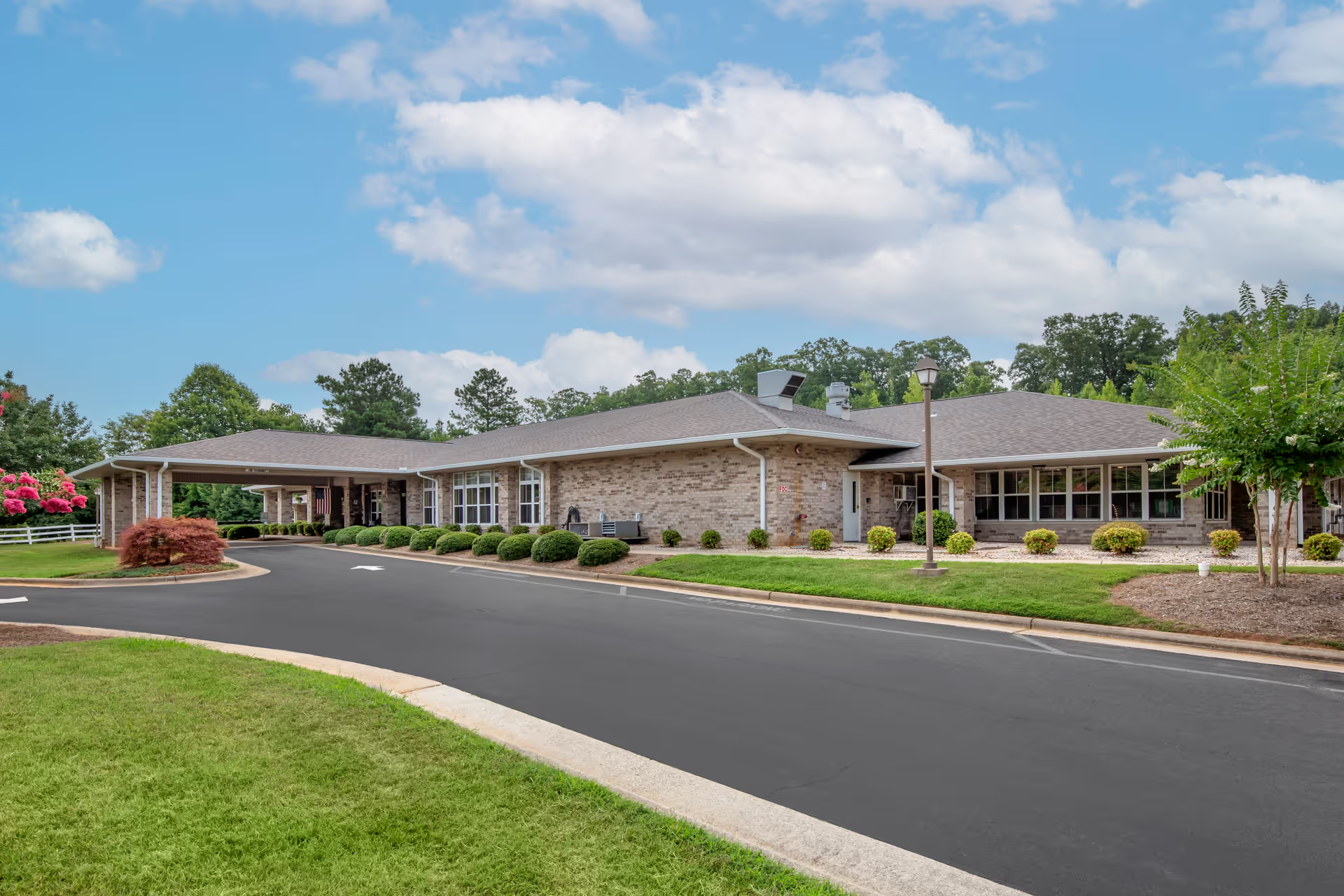
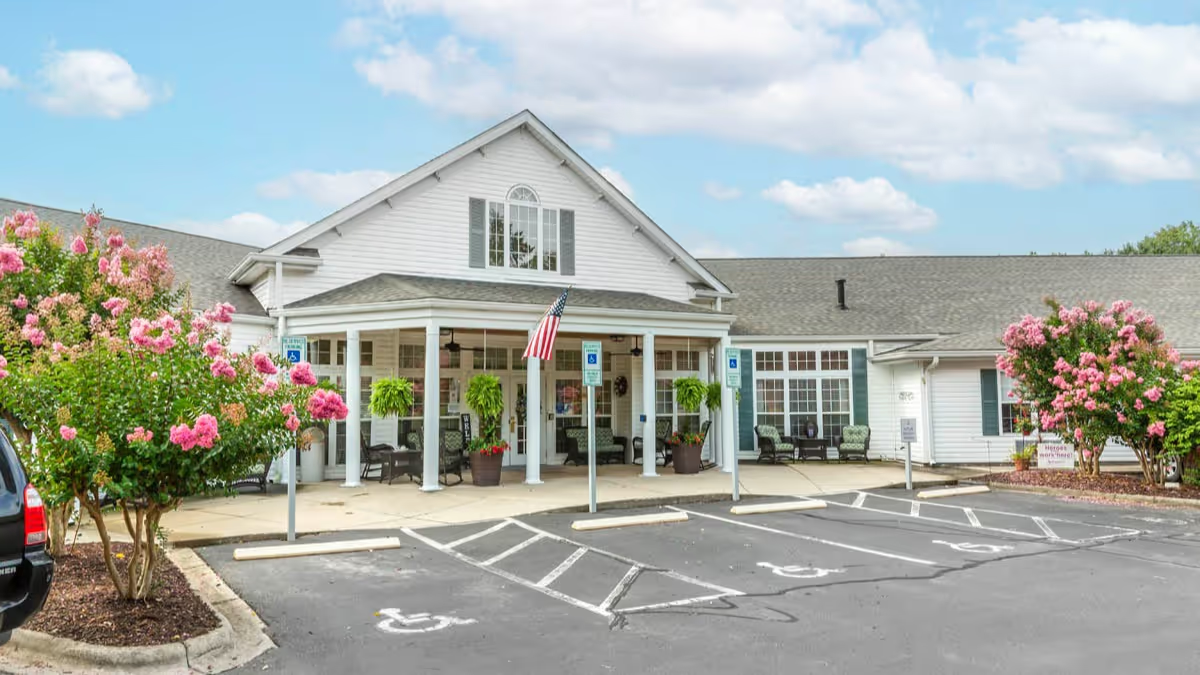
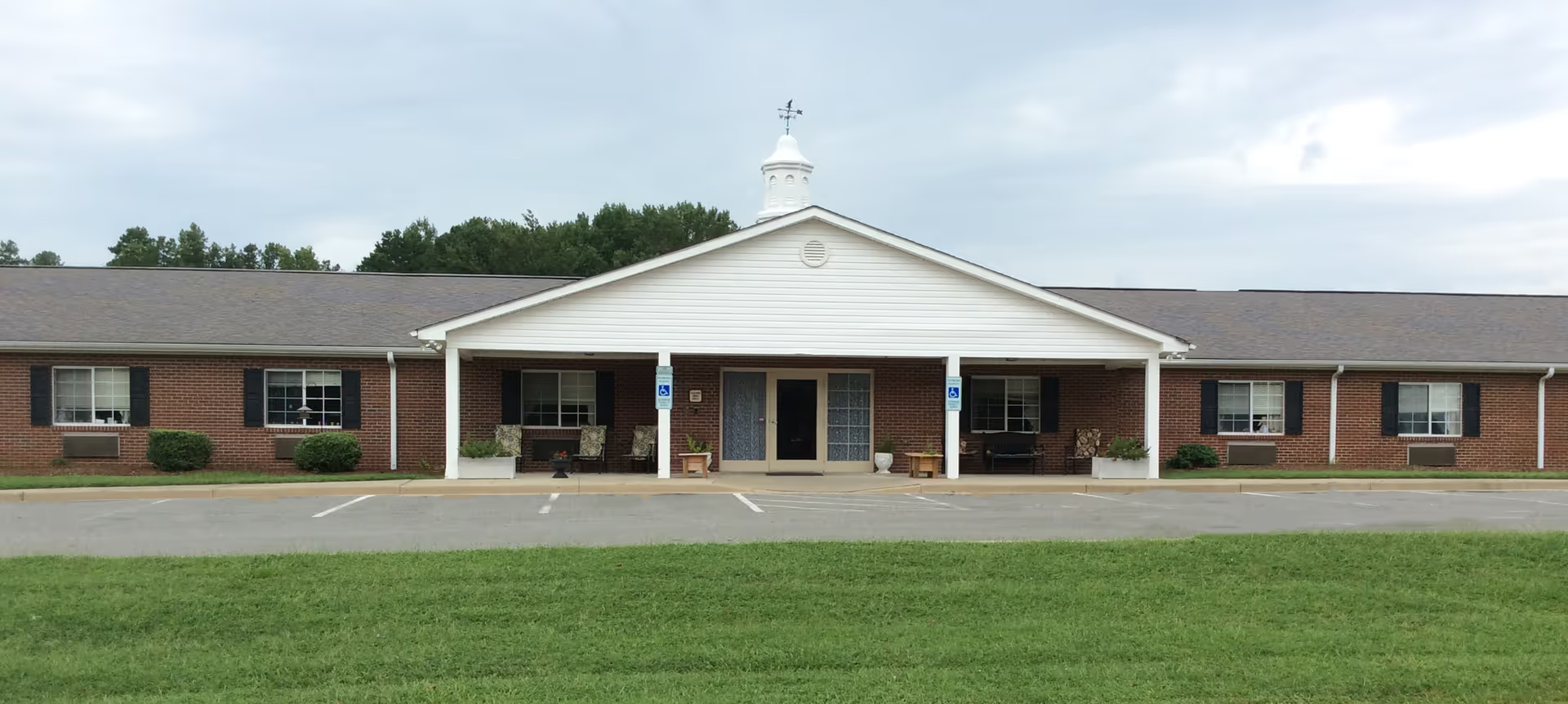
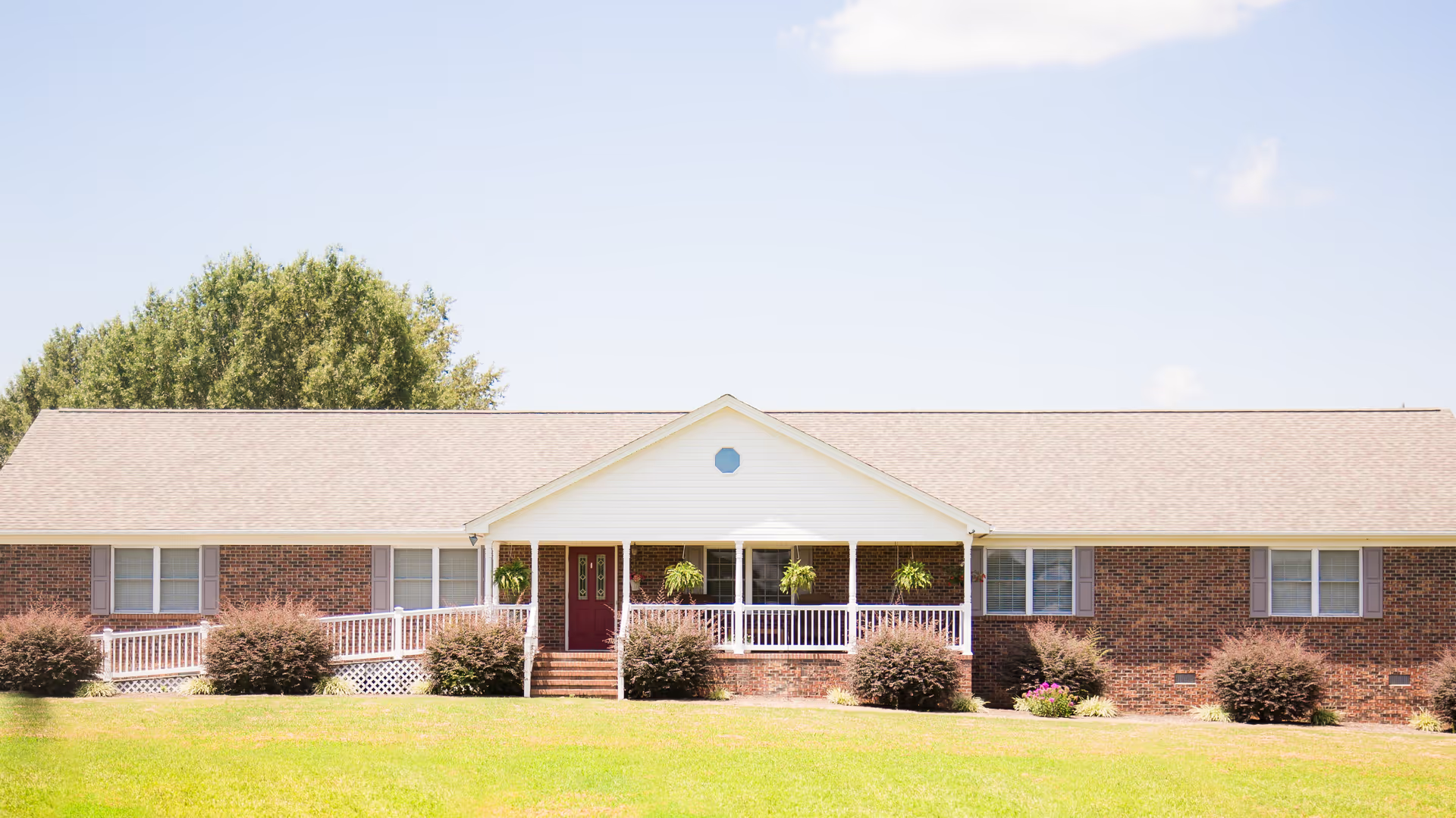
Chatham Health and Rehabilitation Center receives a mix of strongly positive and critical observations. Its short-term rehabilitation program and therapy team are frequently highlighted as effective: reviewers describe good recovery outcomes, a well-equipped therapy gym, and therapists who facilitate return-to-home discharges. The facility’s physical environment is also commonly praised — clean common areas, private rehab rooms with en-suite baths, ample storage, and on-site amenities such as a beauty shop and mobile X‑ray services that support clinical convenience.
Care quality descriptions are mixed and appear to cluster by type of stay. Many families and former patients emphasize timely, compassionate care from specific nurses, CNAs, and therapy staff; named employees and leadership receive repeated positive mention. At the same time, several substantive clinical concerns emerge: inconsistent wound- and skin-care procedures, delays in medication administration and symptom management, and occasional failure to follow physician orders. Some reviewers described significant escalation needs (hospital transfers, comfort‑care delays) that they attribute to slow clinical responsiveness.
Staffing and conduct are recurring themes. Multiple accounts praise hardworking, caring staff but also describe understaffing, frequent personnel changes, and variability in individual staff conduct — ranging from highly professional to insensitive or brusque communication. These staffing pressures are frequently cited as a contributor to missed or delayed routine tasks (bathing, grooming, laundry returns) and to uneven continuity of care. Family communication and escalation pathways are described as inconsistent: some families experienced proactive engagement from administration and social services, while others reported difficulty reaching leadership or getting timely follow-up.
Dining and amenities are generally adequate with the capacity to accommodate dietary restrictions and meal substitutions, though some reviewers found food quality inconsistent. Activities programming receives strong, consistent praise: an active activities department, social events, and community connections contribute positively to resident engagement. The facility’s ties to the local community and visible recreational programming are strengths cited by many visitors.
Management impressions are varied. Several reviewers commend an engaged administration and highlight instances of responsive leadership and awards recognition. Conversely, others report perceived instability in management roles, inconsistent oversight of clinical practices, and concerns about adherence to care plans. Related operational issues described include lapses in belongings management and occasional allegations of misconduct; these raise concerns about internal controls and family trust in long-term placement scenarios.
Overall, Chatham appears to offer a strong rehabilitation and therapy environment with many staff who provide compassionate, effective short-term care. Prospective residents and families should weigh those strengths against documented variability in long-term clinical consistency, staffing levels, and communication practices. For prospective short-term rehab patients the facility often performs well; for long-term placement, families may wish to verify current staffing ratios, wound- and medication-management protocols, escalation procedures, and leadership stability before committing.