Commonwealth Senior Living at Christiansburg elicits a broadly mixed but informative profile: many families praise the staff's compassion, strong administrative support, and a hotel-like dining environment, while other accounts point to operational inconsistencies that prospective residents should investigate during a visit. The facility offers a range of amenities and services that appeal to families seeking social engagement and clinical support, but several operational areas show variability in execution.
Care and staff: Positive accounts emphasize respectful, individualized attention, advocacy during transitions, and a culture of dignity for residents. Therapy services and access to a nurse practitioner are noted strengths, as are seamless admissions and transfers when coordination is required. At the same time, there is clear variability in caregiver skill and availability. Reviews indicate staffing instability and caregiver turnover that can translate to delayed personal-care tasks, insufficient night coverage, and inconsistent clinical presence. These patterns suggest the need to verify current staffing ratios, on-call clinical coverage, and fall-prevention protocols when evaluating the community.
Dining: The dining program is a frequent highlight for many reviewers: three daily meals served in an attractive, restaurant-style setting using real tableware and attention to presentation. Several families described personalized meals and appetizing offerings. Contrasting comments mention repetitive menus and occasional lapses in meal-service continuity. Prospective families should ask about menu rotation, accommodations for dietary needs, and how the kitchen handles continuity during staff absences or outbreaks.
Activities and memory care: The community offers a varied activities calendar—social events, holiday programs, outings, and recreational amenities such as a theater and pool. Transportation for community events and doctor visits is another positive. The memory-care program is described as developing; some visitors found the memory wing less updated and more restrictive (locked doors), indicating variability in the environment and programming for residents with cognitive impairment. Clarify the status of the memory program, staffing dedicated to memory care, and the kinds of engagement available for that unit.
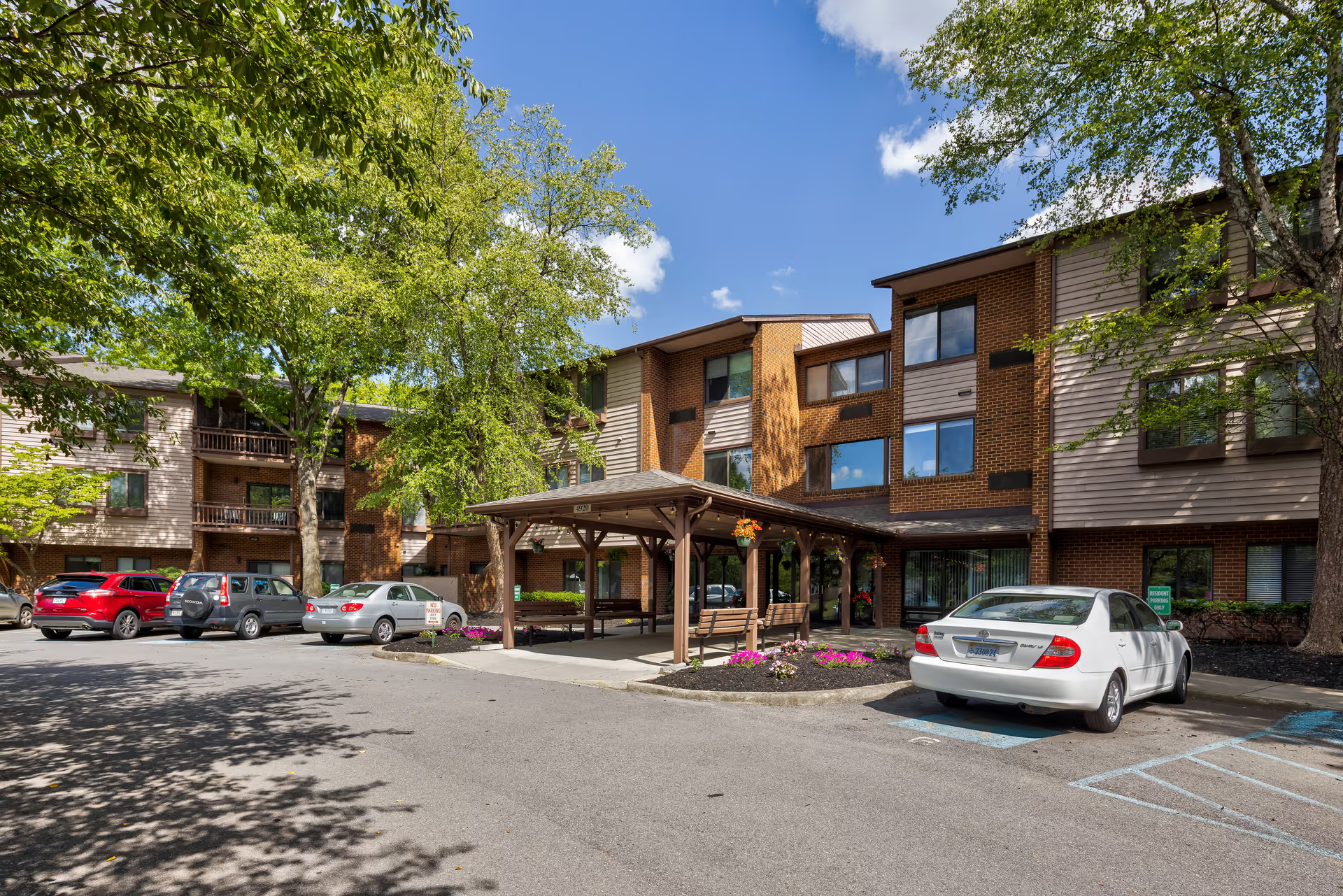
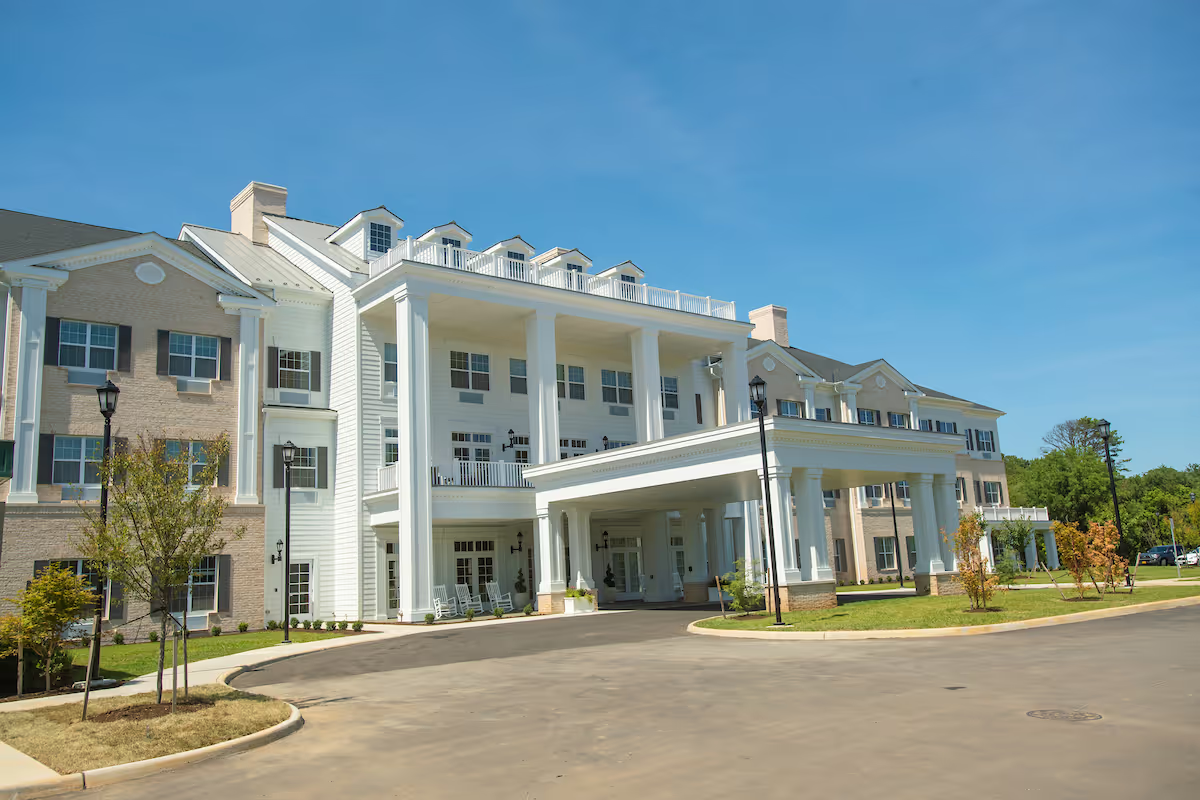
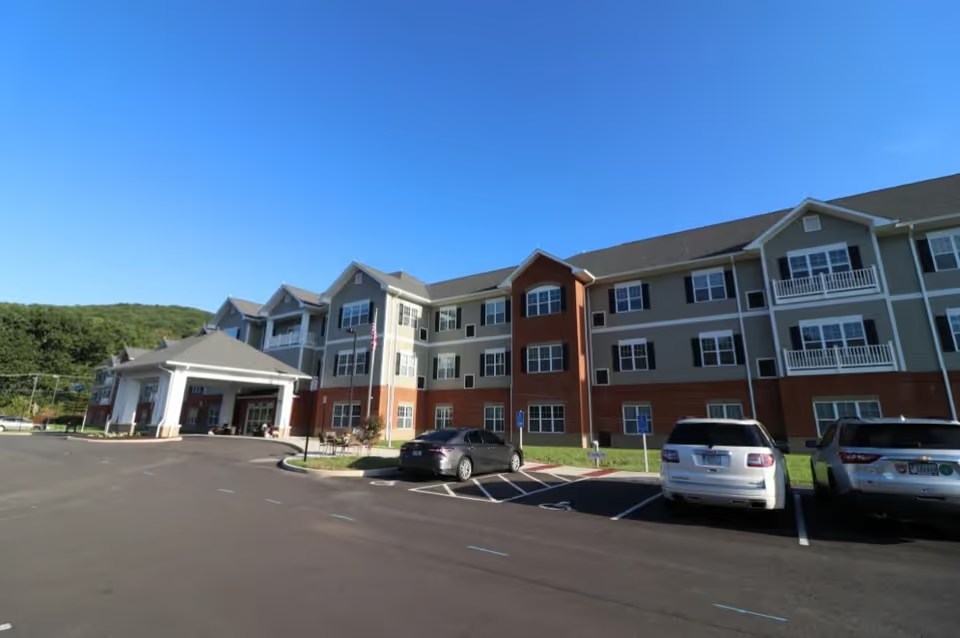
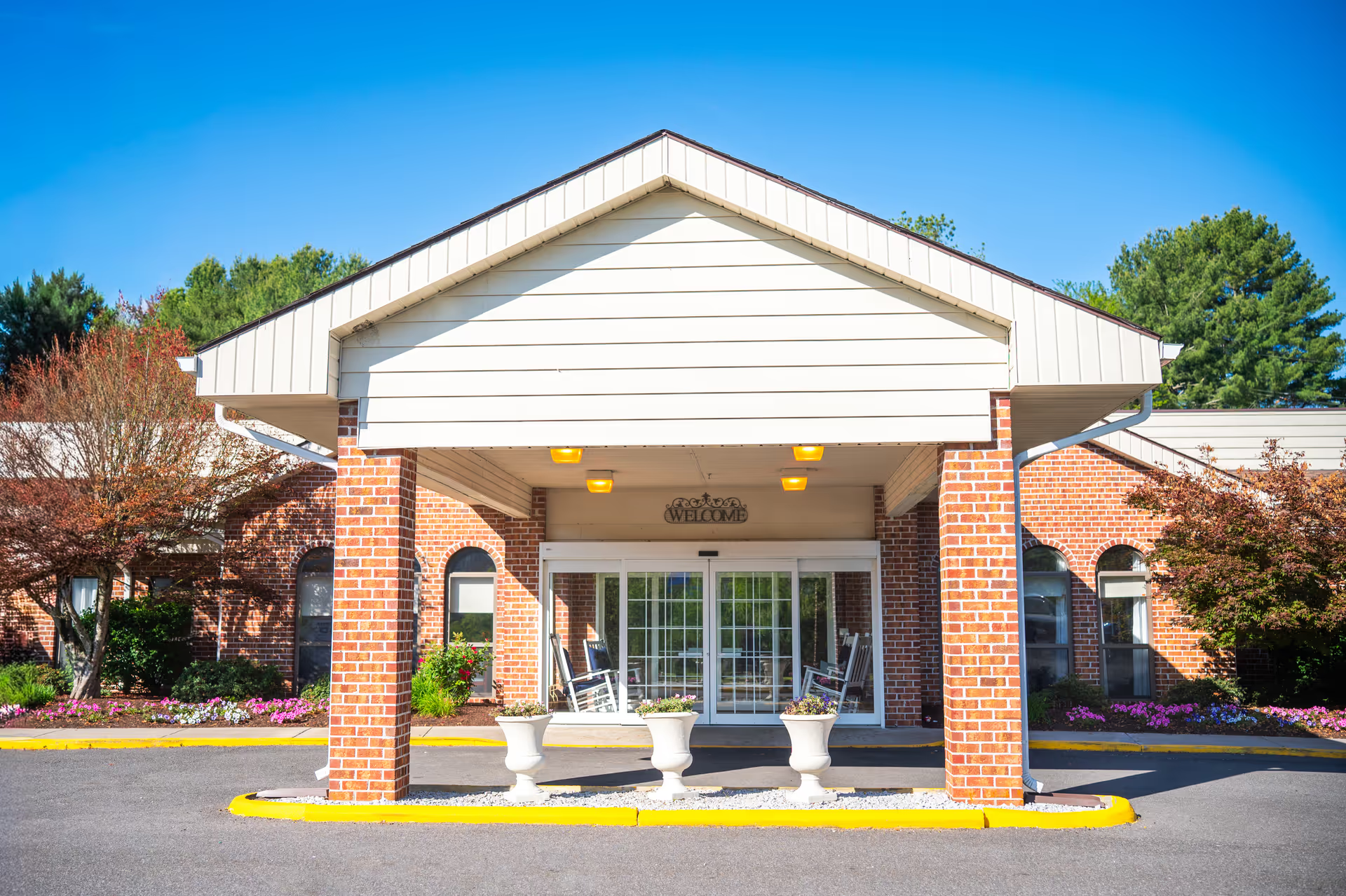
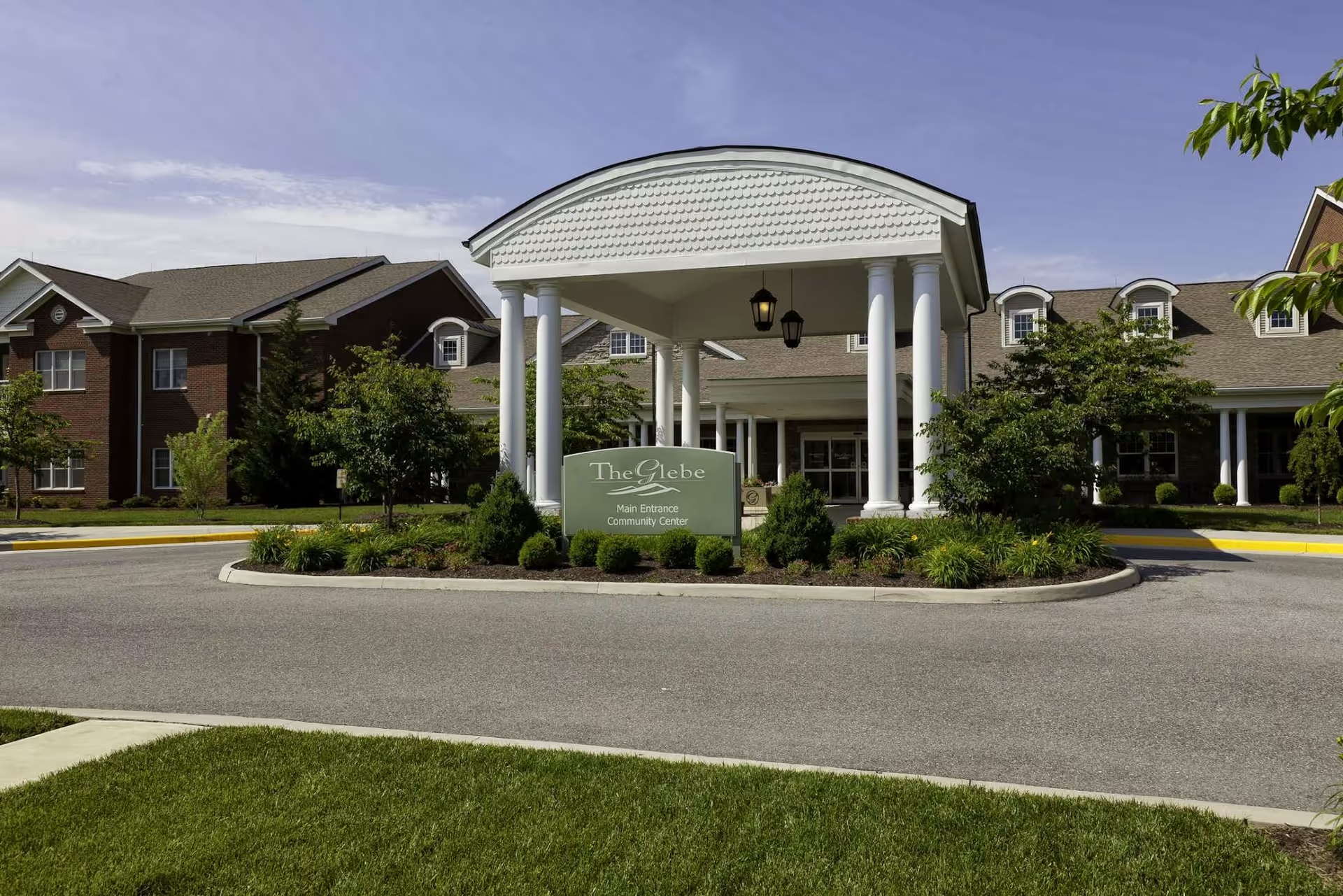
Facilities and amenities: The property combines an attractive colonial-style exterior, porch seating, and recent renovations with areas that remain older or modestly furnished. Private apartments with accessible bathrooms and small kitchenettes are commonly noted, though some suites and common spaces have sanitation concerns or dated finishes. Renovation activity appears ongoing; this brings upgrades but also reports of noise and intermittent disruption. Visitors should inspect specific apartment types and confirm timelines for any work that might affect daily life.
Management and communication: Administrative personnel receive consistent praise for helpfulness and advocacy in many accounts, and there are reports of proactive problem-solving. However, other families described billing confusion, questions about upfront fees, and delays in refunds or fee resolution. Infection-control and outbreak handling emerged as an area of concern in multiple accounts, as did uneven communication during incidents. When considering the community, ask for written policies on billing and refunds, infection-control protocols, family notification procedures, and examples of recent inspection or health-department interaction.
Overall impression and recommendations: Commonwealth Senior Living at Christiansburg offers a number of important strengths—compassionate staff members, appealing dining, therapy services, and active programming—paired with facility upgrades that improve the resident environment. The notable patterns to probe further are staffing consistency (including night coverage), sanitation controls and infection management, dining-menu variety, memory-care accommodations, and clarity of billing practices. A guided tour that includes time in the dining room during a meal, review of staffing ratios and clinical coverage, inspection of the specific apartment under consideration, and direct questions about recent outbreaks and renovation timelines will help families determine whether the community’s current operations match their priorities.