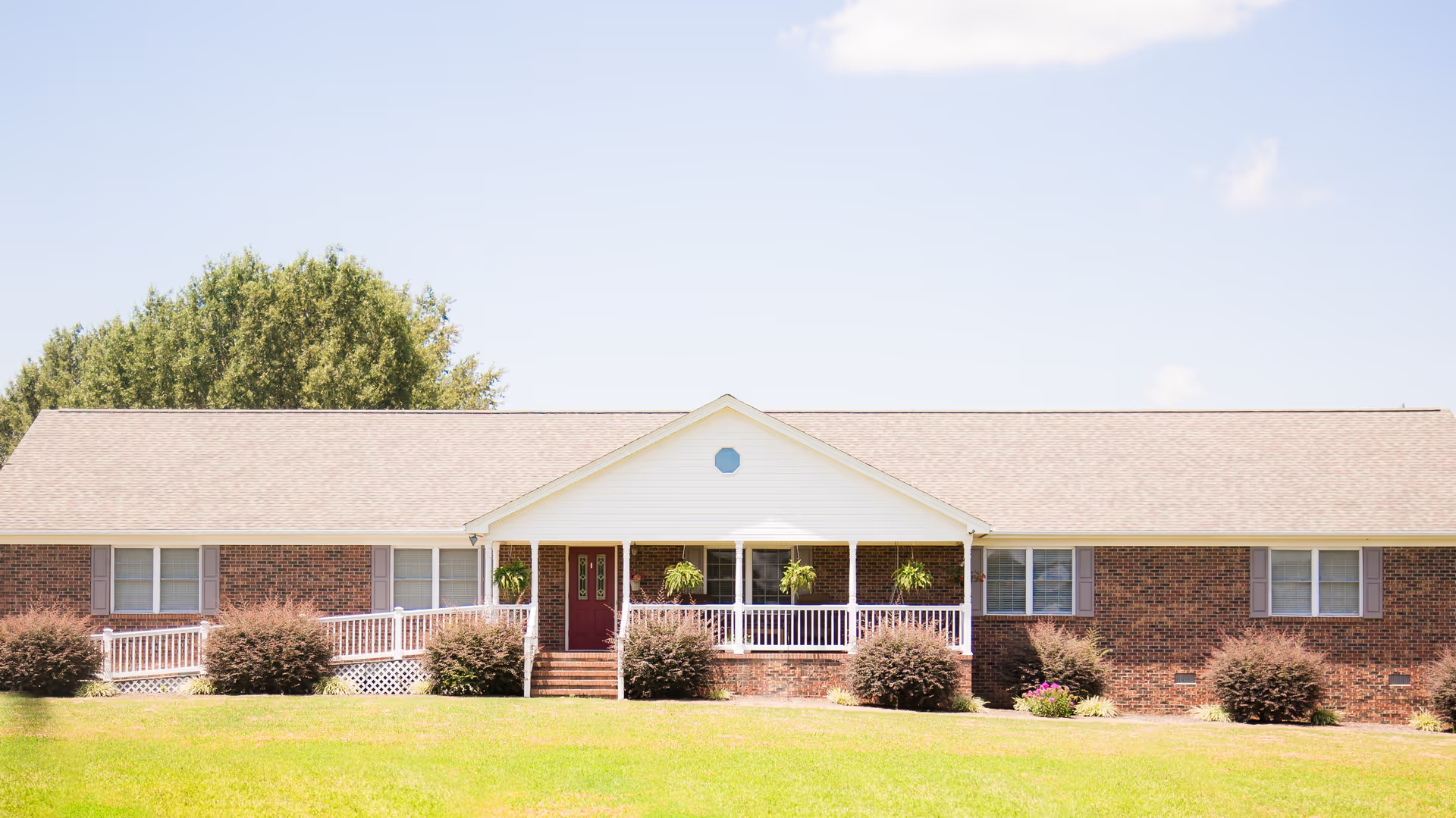
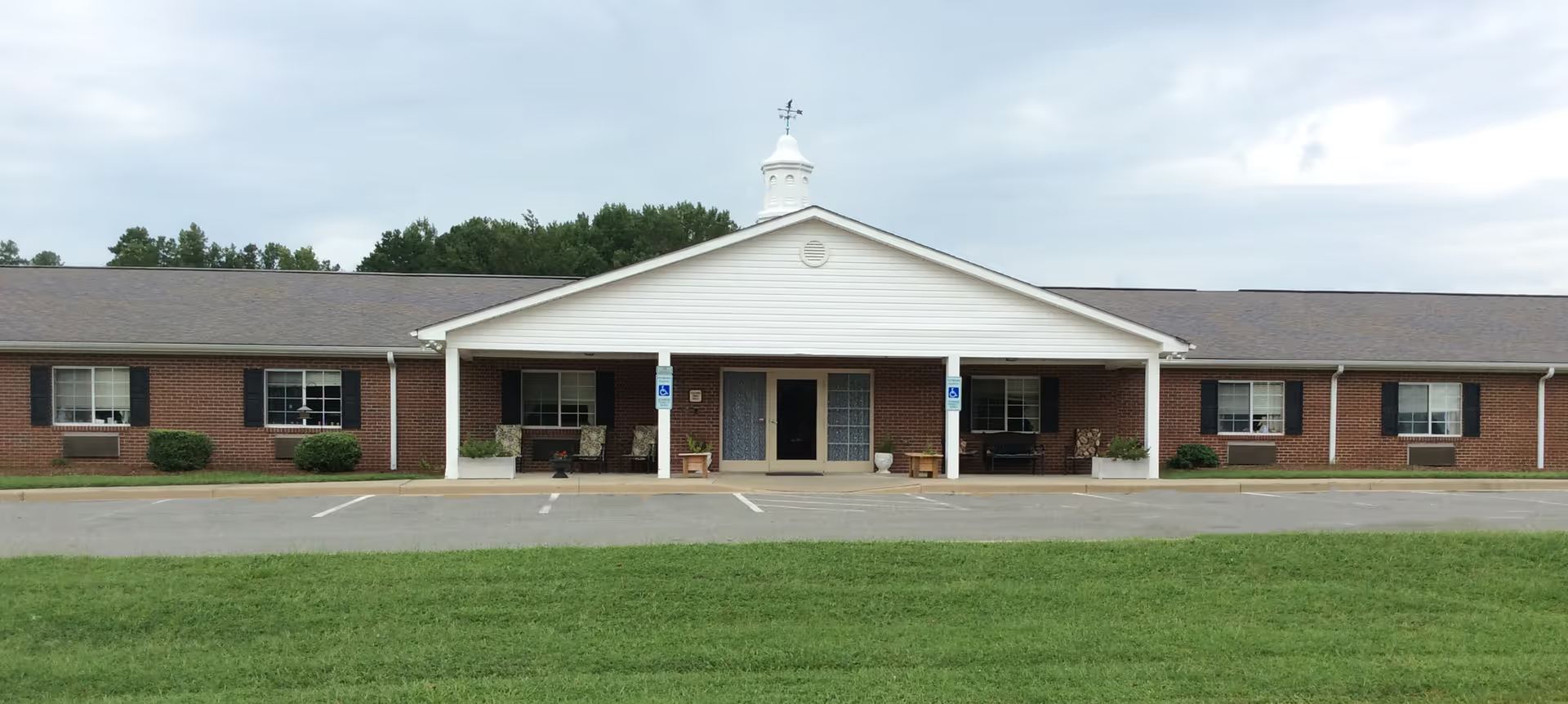
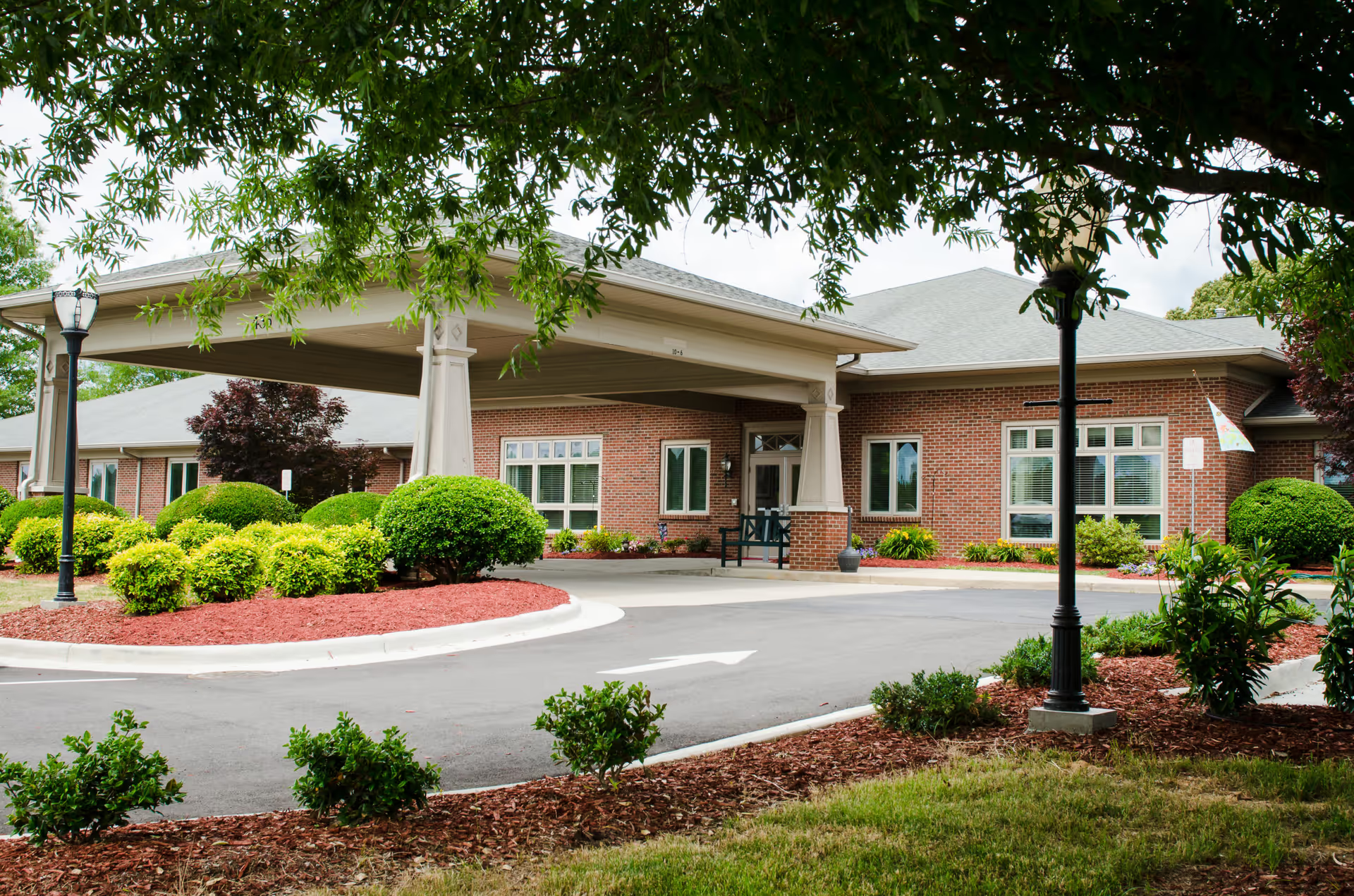
Reviews of Stratford Rehabilitation Center present a mixed but actionable picture. Many accounts emphasize strong clinical rehabilitation capacity and positive interpersonal care: physical and occupational therapy teams are repeatedly described as effective and supportive, and multiple families note measurable health improvements during short-term rehabilitation. Nursing and direct-care staff are often characterized as compassionate, professional, and attentive, and several named staff members (admissions/billing and activity personnel) are cited as particular assets. The facility’s small size and family-style environment are frequently mentioned as supportive to individualized attention and a welcoming admissions experience.
At the same time, a consistent cluster of operational concerns appears across reviews. Staffing levels and staff stability are the most common themes: reviewers report understaffing, frequent turnover, and periods when fewer CNAs and nurses are available. Those conditions are associated with delayed responses to call systems, gaps in routine care (including inconsistent incontinence-care follow-through), and the need for families to repeatedly follow up to secure medications, treatments, or transfers. Several accounts also describe inconsistent communication pathways — both between the facility and families and between the facility and outside physicians — which can complicate care coordination and create uncertainty during clinical changes.
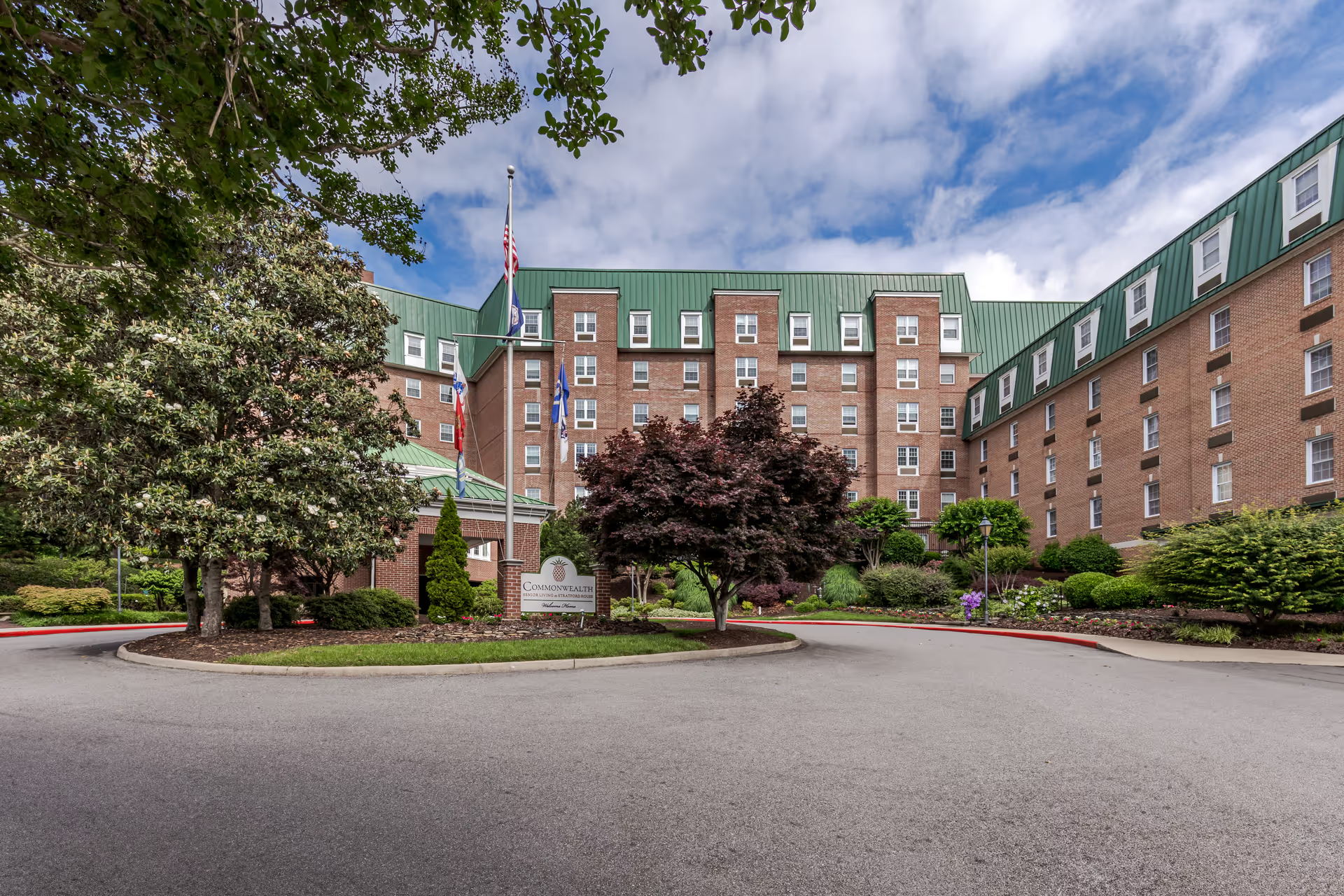
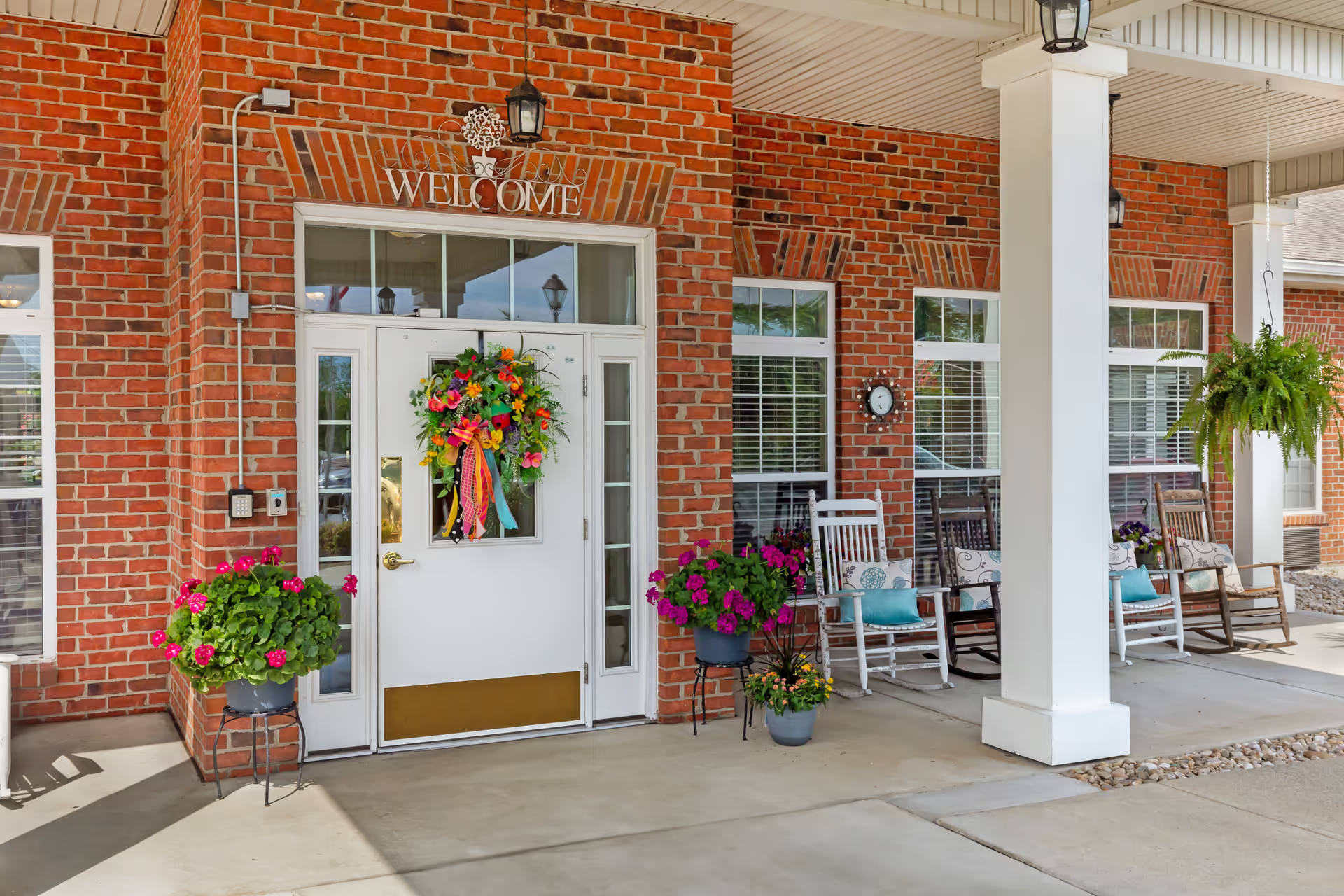
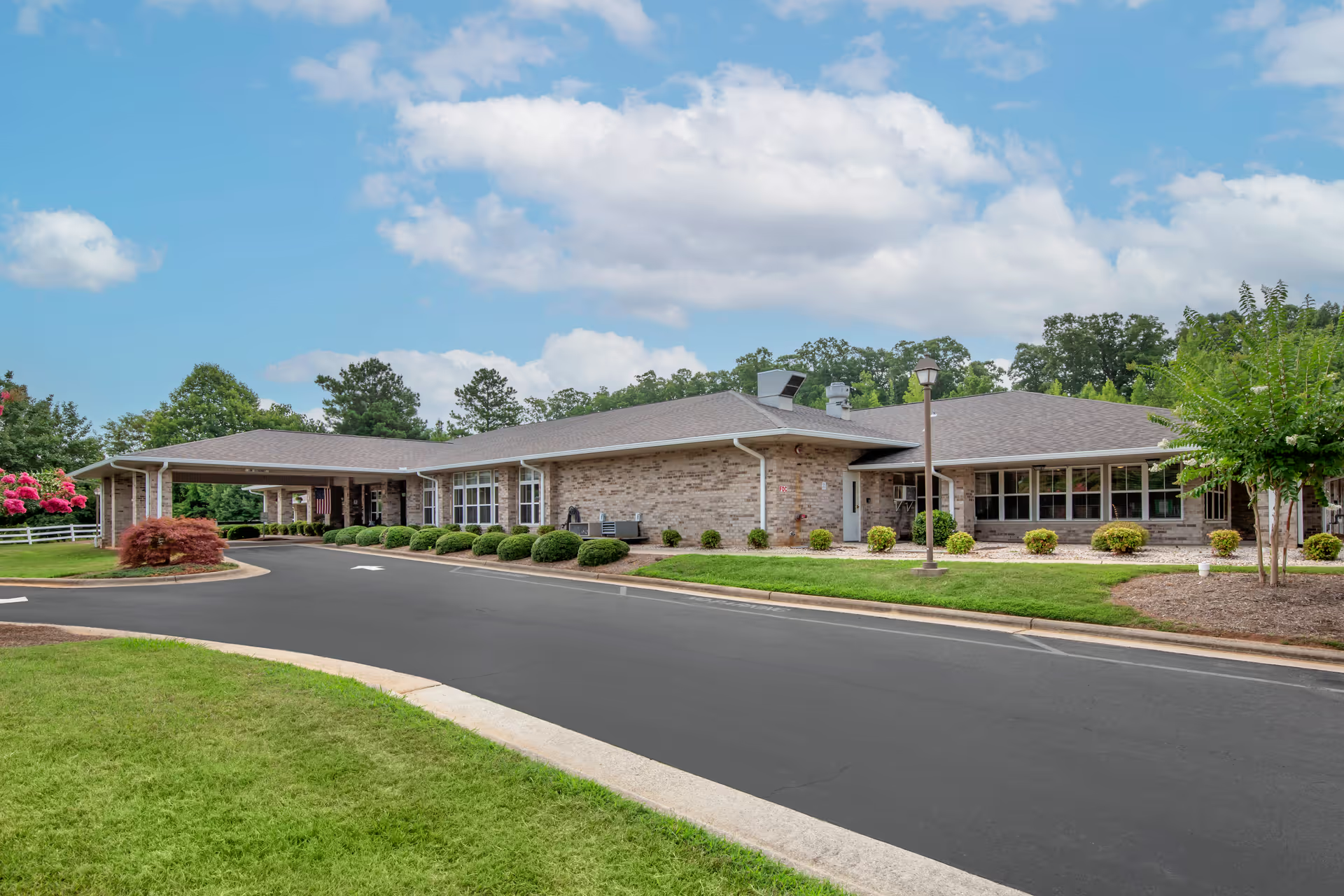
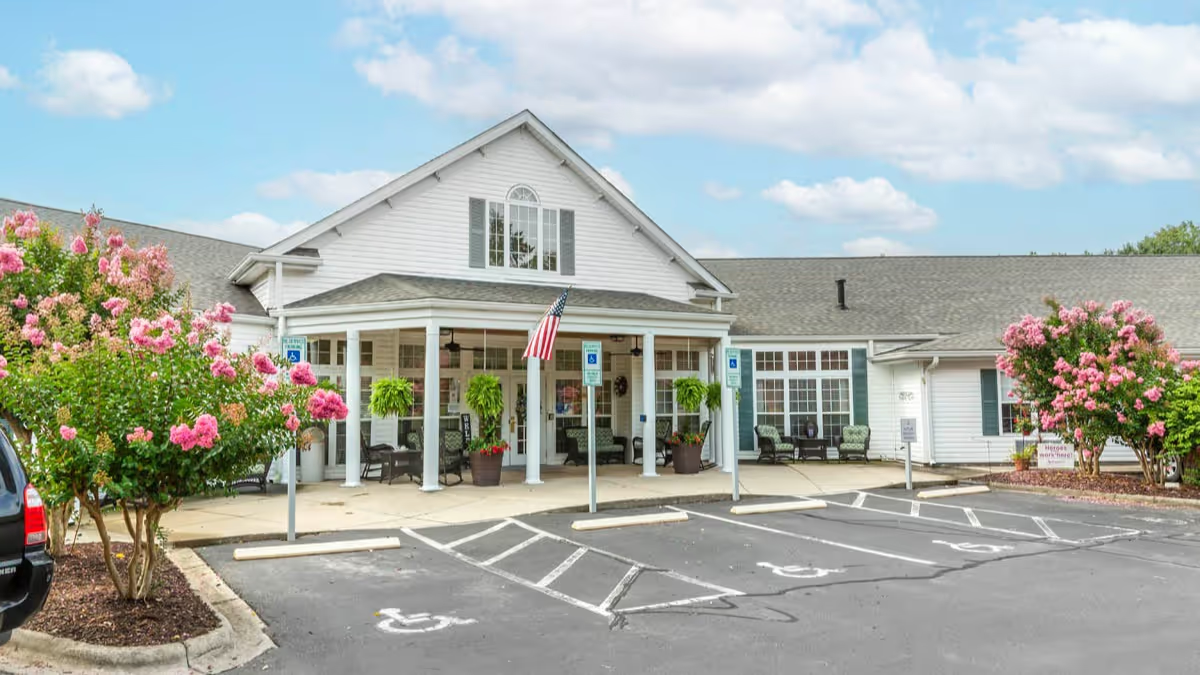
Cleanliness and facility condition evoke mixed impressions: many describe clean, fresh-smelling common areas and updated spaces, while others note sanitation concerns in specific rooms or bathrooms and maintenance issues such as broken blinds. Dining and dietary services receive largely favorable comments for food quality and timely service. Activities programming and social engagement are also a consistent strength, with an active calendar and staff devoted to resident involvement.
Management and culture are areas of notable divergence. Some reviewers describe improved responsiveness and nurturing leadership among recent administrative staff, while others raise serious workplace-culture concerns, including allegations of favoritism, discriminatory personnel actions, and inconsistent enforcement of standards. Those allegations, alongside reports of front-desk phone inaccessibility and gaps in security oversight (limited camera coverage and location-related safety concerns), indicate uneven administrative practices that influence family confidence.
What emerges is a facility with clear clinical and interpersonal strengths, particularly in therapy, dining, and many members of the caregiving team, paired with operational weaknesses that can affect day-to-day reliability. Prospective residents and families should weigh the strong rehabilitation outcomes and compassionate staff against variability in responsiveness, staffing stability, and management consistency. Practical next steps include scheduling an on-site visit during different shifts and on a weekend, asking about current staffing ratios and call-response times, reviewing recent inspection reports and staffing plans, observing therapy and activity sessions, and discussing medication- and physician-coordination procedures with leadership before making placement decisions.