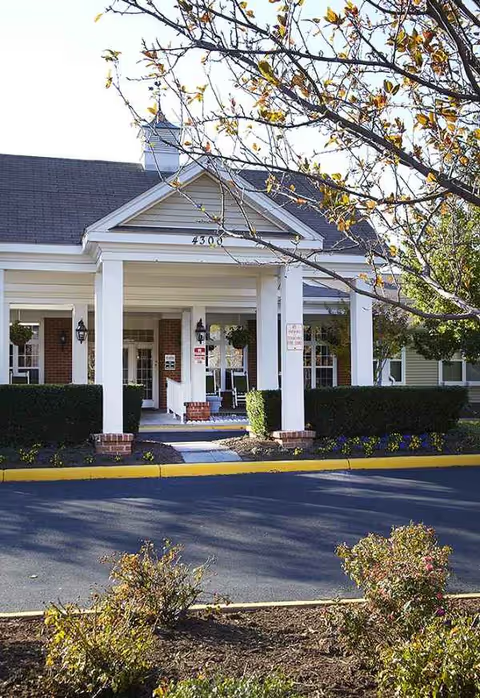
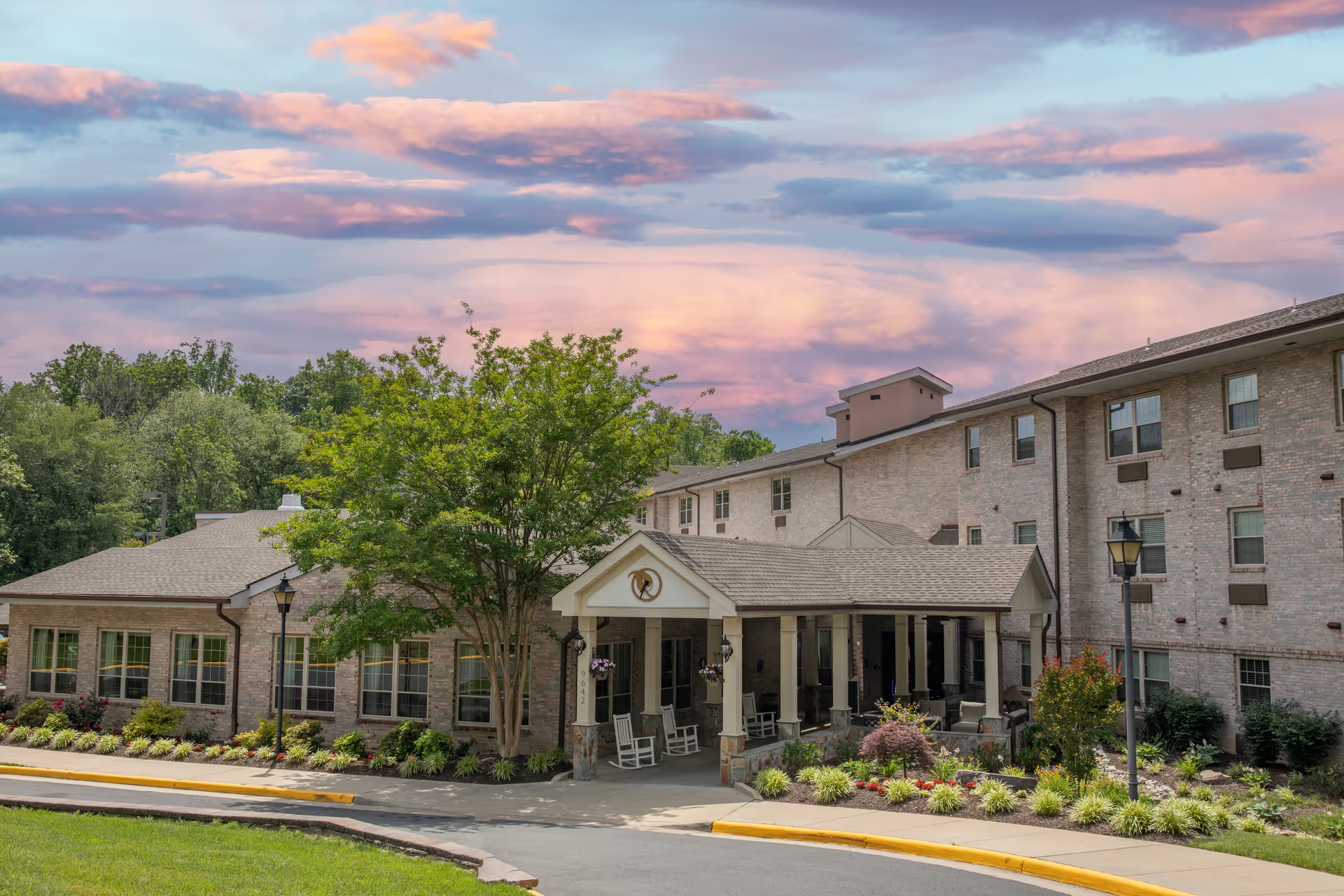
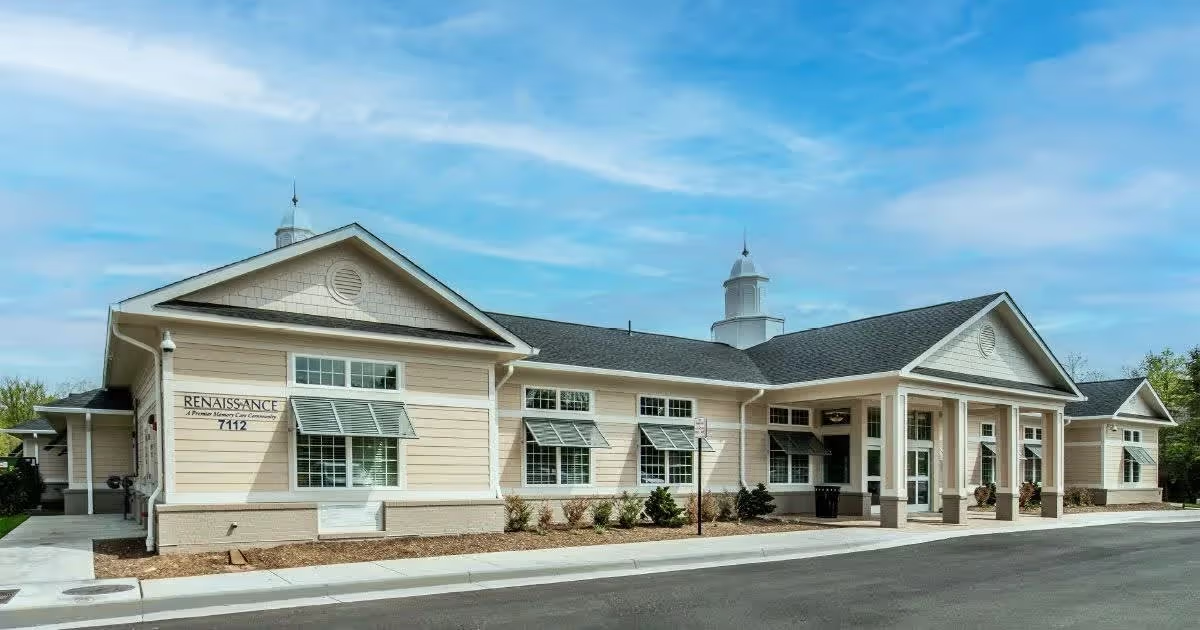
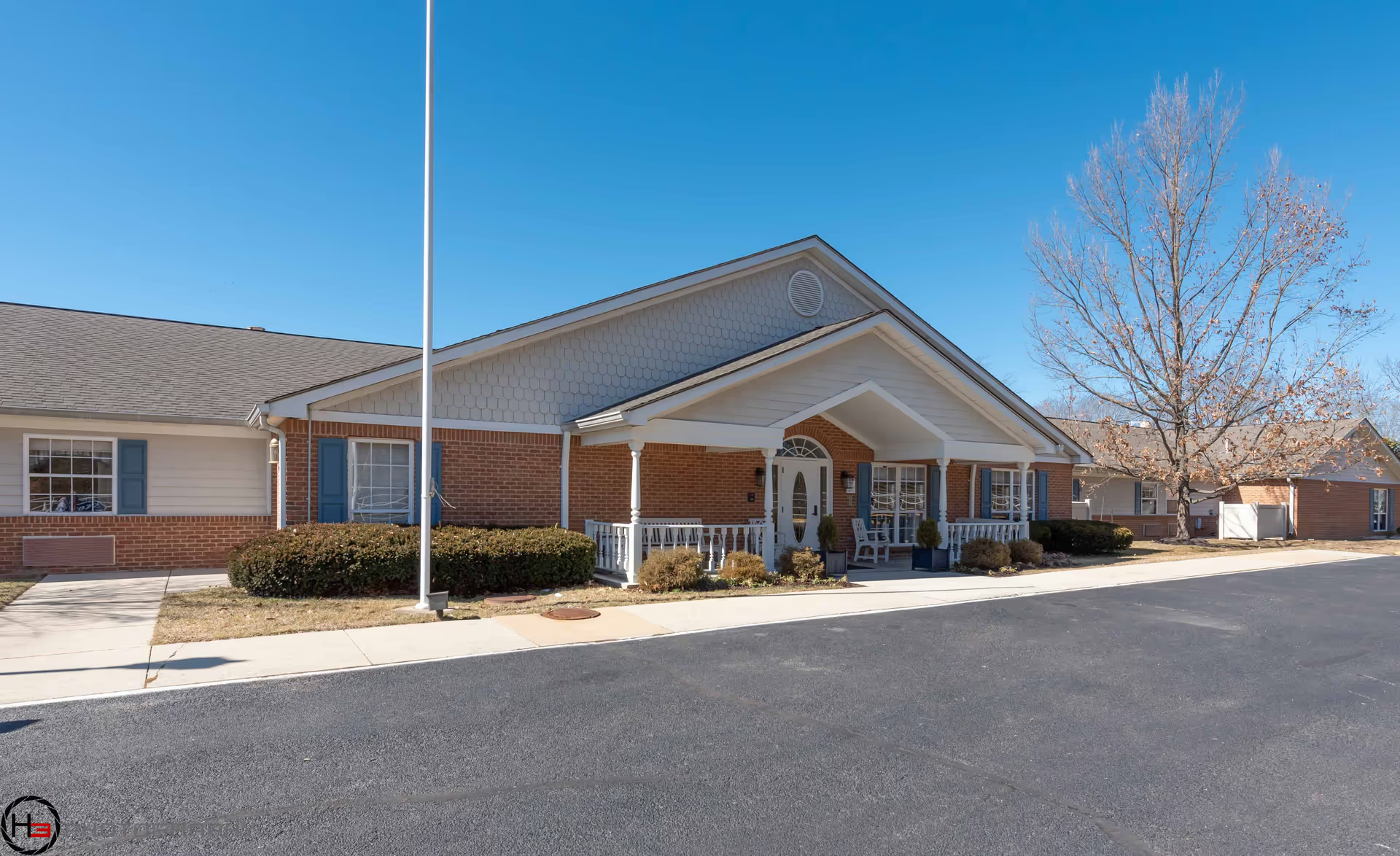
Overall impression: Reviews emphasize a small, three-residence group-home environment that many families found warm, competent, and individualized. Strengths most consistently mentioned include licensed geriatric nursing oversight, a highly attentive caregiving team, and a home-like atmosphere where staff prioritize emotional support and family-style treatment. Physical features cited favorably include large resident rooms and access to an outdoor deck. Infection-control measures during the COVID era were also noted as being observed.
Care quality and staff: Families described staff as compassionate, responsive, and willing to go beyond basic duties. The presence of a licensed geriatric nurse in leadership was highlighted as a stabilizing factor, with reviewers noting meticulous processes and customizable care plans. These comments suggest a focus on person-centered care, timely responsiveness to needs, and caregiving that is oriented toward comfort and dignity—attributes often valued in end-of-life or high-support placements.
Dining and activities: Reviews provided limited specific information about meal quality or a formal activities program. Positive comments about overall care and attention imply individualized, family-style routines rather than a large institutional activity schedule. Prospective families should ask the provider for sample menus, meal accommodations, and a description of daily/social programming if these elements are important for the prospective resident.
Facilities: The home’s small scale is a recurring positive: reviewers described a tidy, well-maintained interior, roomy accommodations, and usable outdoor space. COVID-safety practices were mentioned as being met. The small size appears to support personalized attention, but may also influence available clinical resources or response capacity for more complex safety needs.
Management and safety patterns: While many reviewers praised ownership and staff, there are notable concerns about supervision and safety protocols. Comments indicate instances of resident wandering and subsequent injuries that required external involvement, which point to gaps in wandering-risk supervision, fall prevention, and incident escalation procedures. There is a related concern about inconsistent management oversight of safety protocols; some reviewers praised owners and leadership, while others cited weaknesses in how safety incidents were handled. Taken together, these patterns suggest the home may be best suited to residents whose behavioral and mobility needs can be managed in a small, closely supervised setting rather than those requiring intensive behavioral-health interventions or high-acuity supervision.
How to use this information: For families considering this provider, the reviews portray a compassionate, small-scale environment with strong nursing oversight and caring staff. At the same time, ask targeted questions about safety and supervision: staffing ratios by shift, protocols for residents at risk of wandering or falls, training in dementia-related behaviors, use of monitoring or alarm systems, incident-reporting and family-notification procedures, and recent inspection or incident records. Request references from current families and documentation of individualized care and safety plans to confirm the home’s fit for a specific resident’s clinical and behavioral needs.