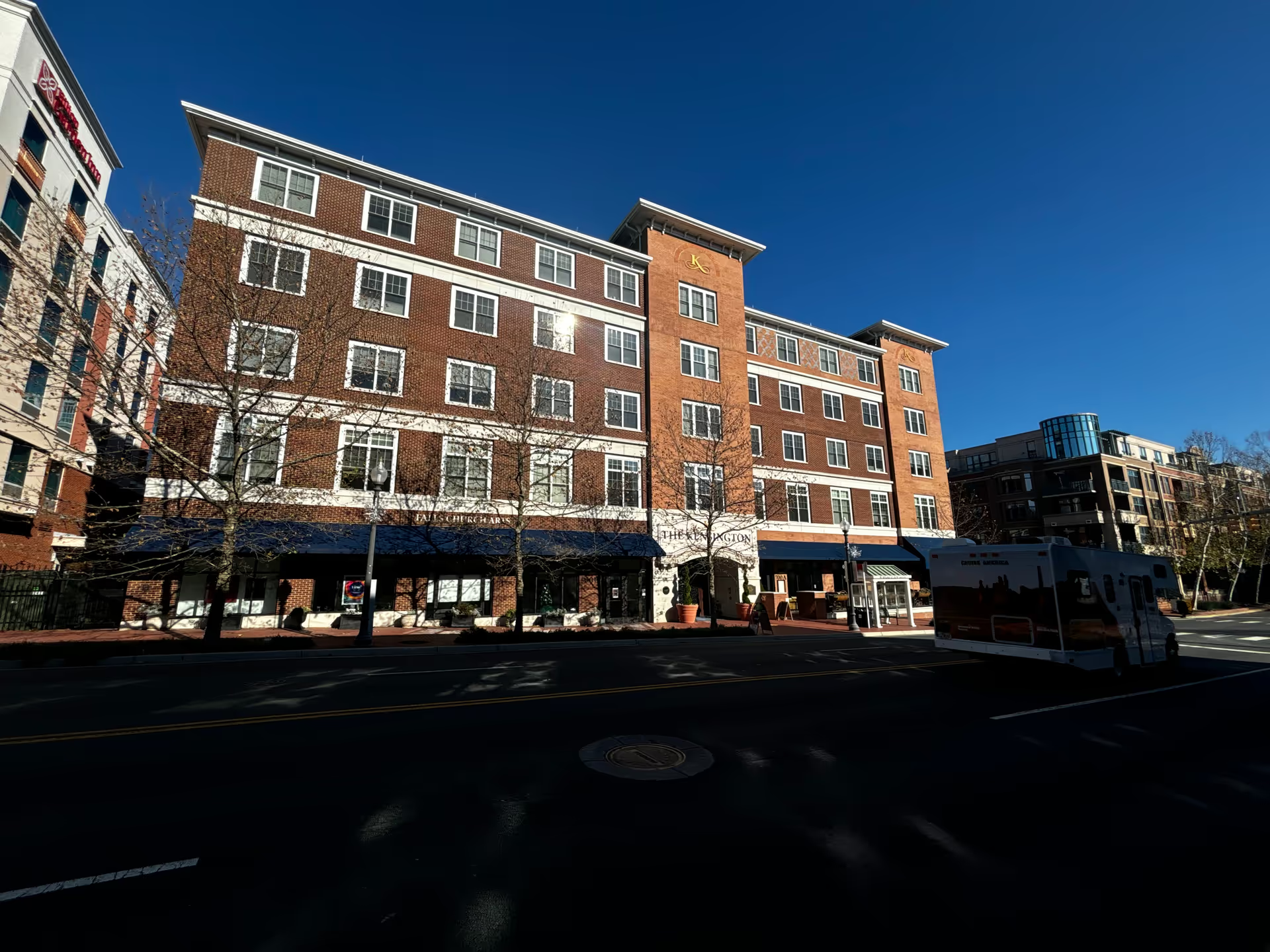
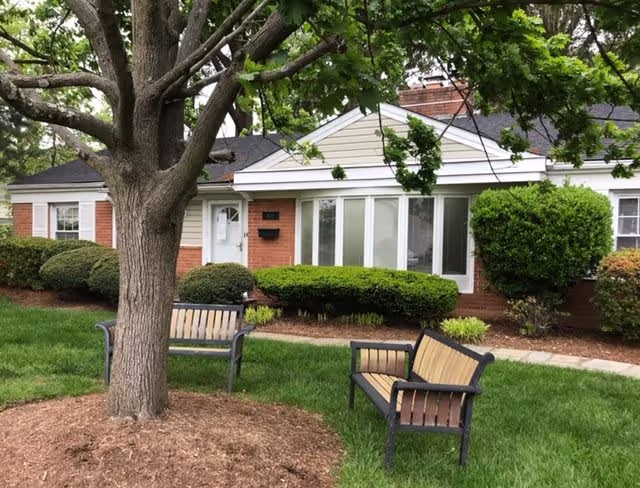
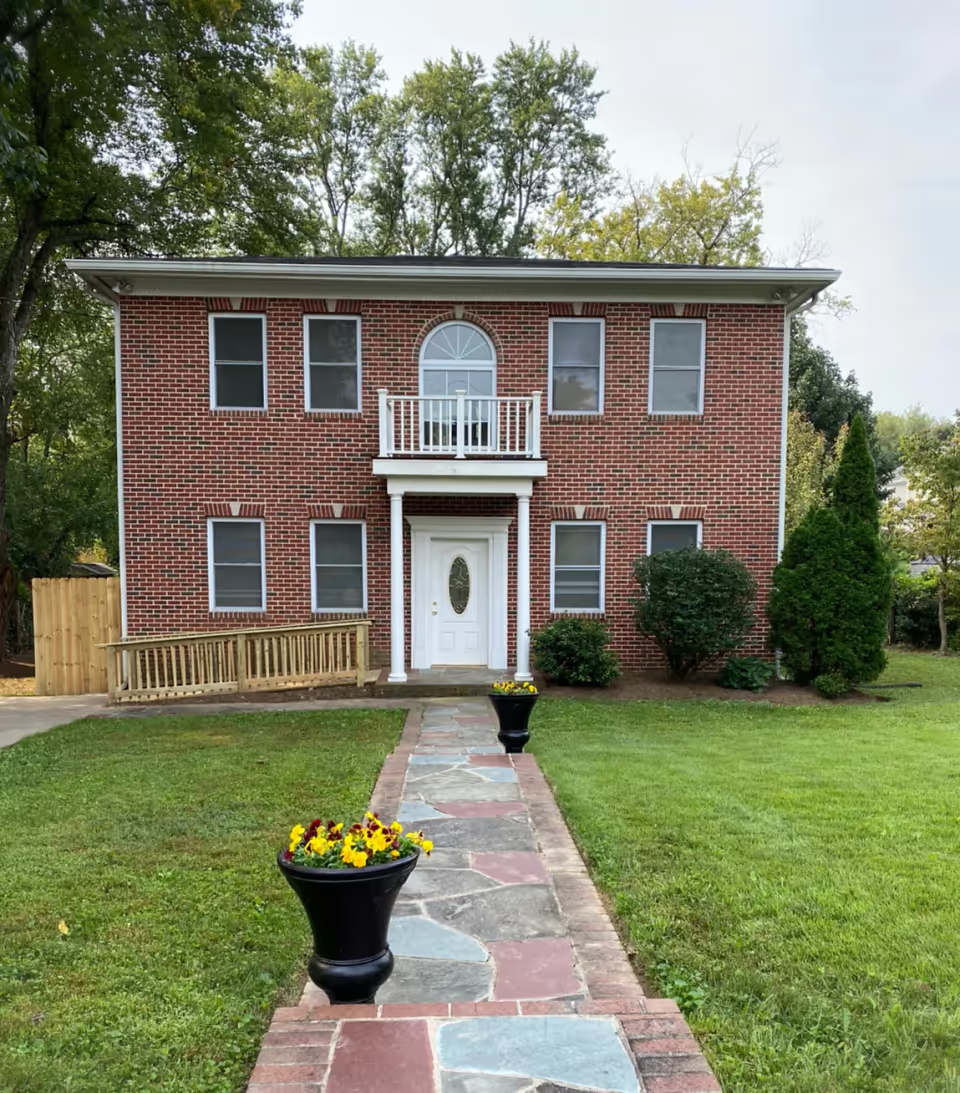
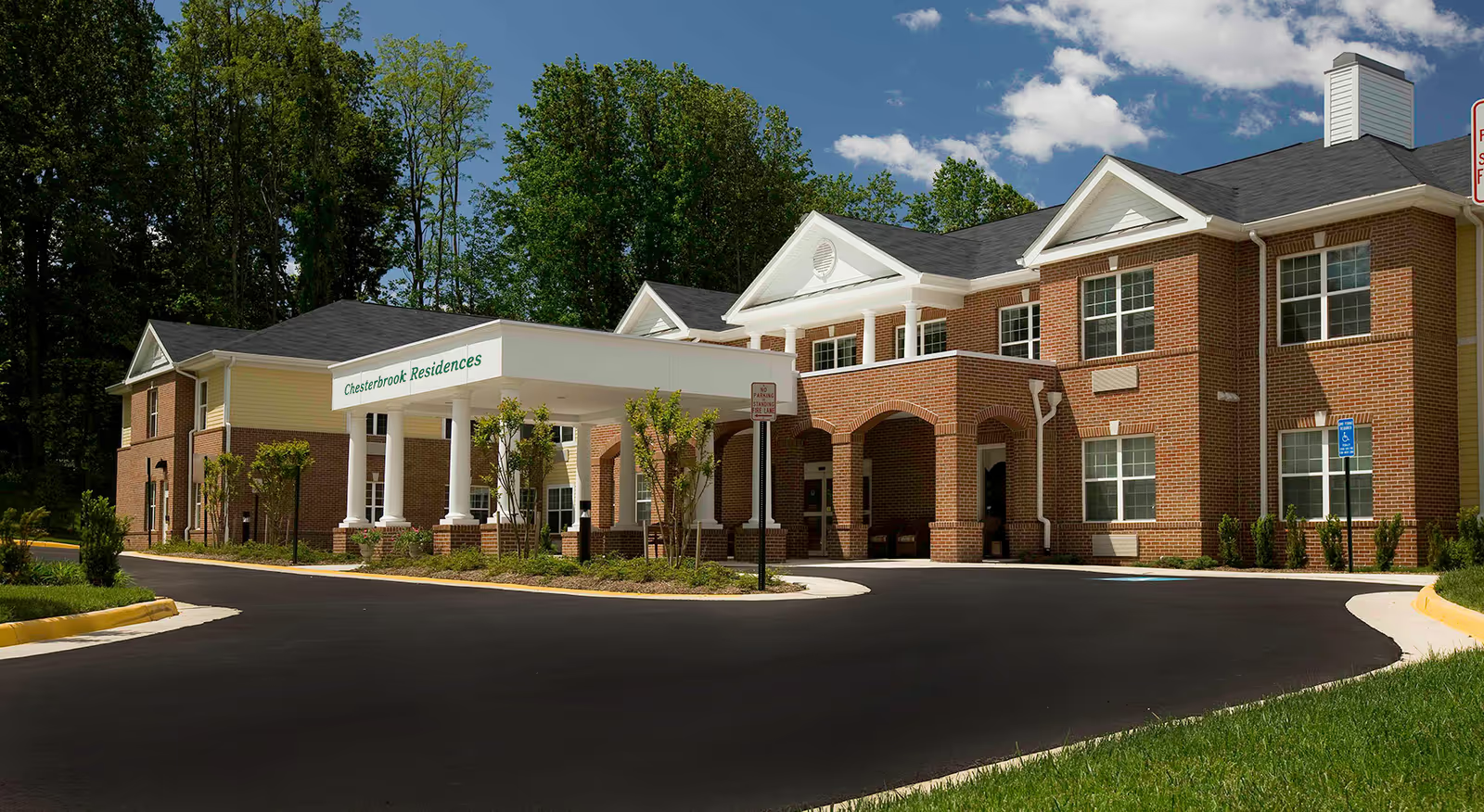
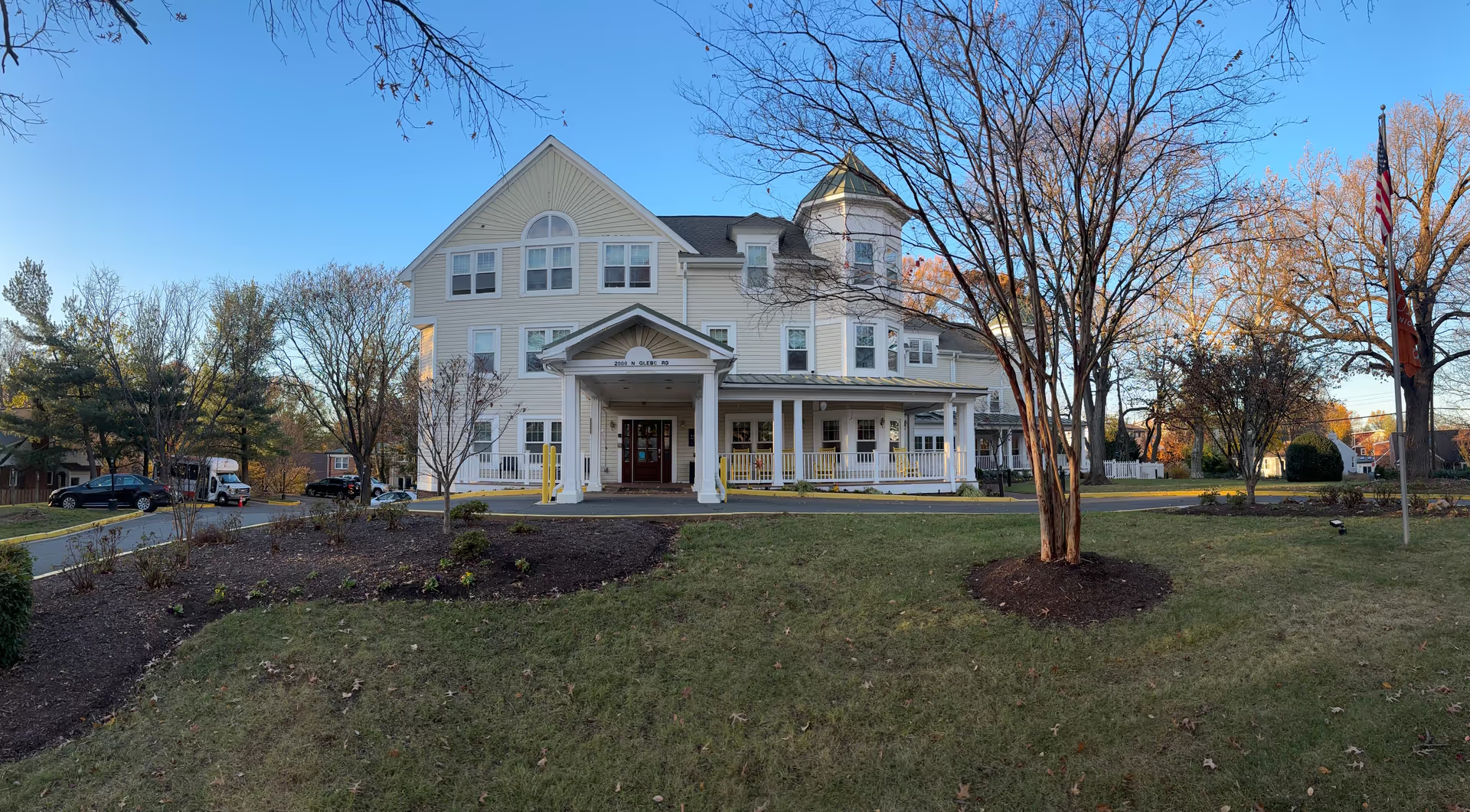
Overall impression: Sunrise of Falls Church presents as a well-appointed, modern assisted-living community with a home-like atmosphere and many amenities that families value. Reviewers commonly praise the facility’s cleanliness, attractive public spaces, private-suite options, and convenient location near transit and downtown Falls Church. The community offers on-site nursing coverage, rehabilitation services (PT/OT), dining and salon/laundry services, and a varied activity calendar that includes music, outings, exercise classes, and religious services — all features that contribute to a positive day-to-day experience for many residents.
Care and staff: Staffing and direct-care quality are the most mixed elements. Numerous families describe warm, devoted caregivers, timely medication administration, helpful nursing staff, and strong interpersonal communication from certain managers and activity staff. At the same time, a recurring pattern appears of chronic understaffing, high turnover, and uneven training—particularly for memory-care and dementia-specific needs. This creates variability in responsiveness, tone of interaction, and the consistency of care tasks. Several reviewers credited individual staff members and administrators for exceptional support, but others described circumscribed capacity during nights or high-acuity periods and concerns about staff being overextended.
Clinical operations and safety: There are notable operational concerns related to medication management, coordination with pharmacy/refills, and execution of care plans. Families described lapses that suggest gaps in medication-administration controls and refill tracking. Safety patterns highlighted in reviews include falls and transfer-related incidents; these point to opportunities to strengthen transfer-safety practices, supervision, and incident communication protocols. In several cases families were dissatisfied with how clinical incidents and end-of-life events were communicated, indicating room for more consistent, transparent family engagement after adverse events.
Dining and activities: Dining receives generally favorable comments for restaurant-style service and enjoyable meals, though some reviews indicate inconsistent quality. The activity program is frequently cited as a strength — live entertainment, outings, and varied group programming contribute to social engagement — but programming intensity has fluctuated, particularly during infection-control periods, and some families noted reduced or canceled activities. The activity team and specific coordinators received frequent praise for creating meaningful social opportunities when staffing permitted.
Memory care and facility design: The memory-care offering appears to be a weaker area in several reviews. Concerns include small, dim, or poorly configured memory-care spaces with limited secure outdoor access, and staff who may not have specialty dementia training. These design and training limitations affect the appropriateness of the community for residents with advanced dementia or high behavioral needs.
Management, billing, and trust issues: Perceptions of leadership vary. Some families singled out individual managers for clear communication and responsive problem resolution; others described chaotic management, scheduling problems, and inconsistencies in following care orders. Billing and charge-audit concerns — unclear daily rates, escalating monthly charges, and disputed balances — were recurring themes that have undermined trust for some families. There are also isolated but serious allegations about missing personal property and security lapses; these are significant to prospective residents and warrant direct inquiry.
Patterns and recommendation guidance: The community offers many of the amenities and services that families seek: attractive facilities, active programming, on-site therapy, and a generally warm caregiving culture. However, persistent operational issues — staffing variability, uneven dementia expertise, medication and refill coordination gaps, safety-practice weaknesses, and billing inconsistencies — create substantial variability in resident experience. Prospective residents and families should tour the community, ask specific questions about staffing ratios (including night coverage), dementia training and environmental access in the memory unit, medication-administration and refill controls, incident-communication protocols, and recent billing-audit outcomes. Meeting nursing leadership and observing activity periods and mealtimes can help assess current consistency of care, since reviewers describe a wide range of experiences depending on staffing levels and leadership at the time of stay.