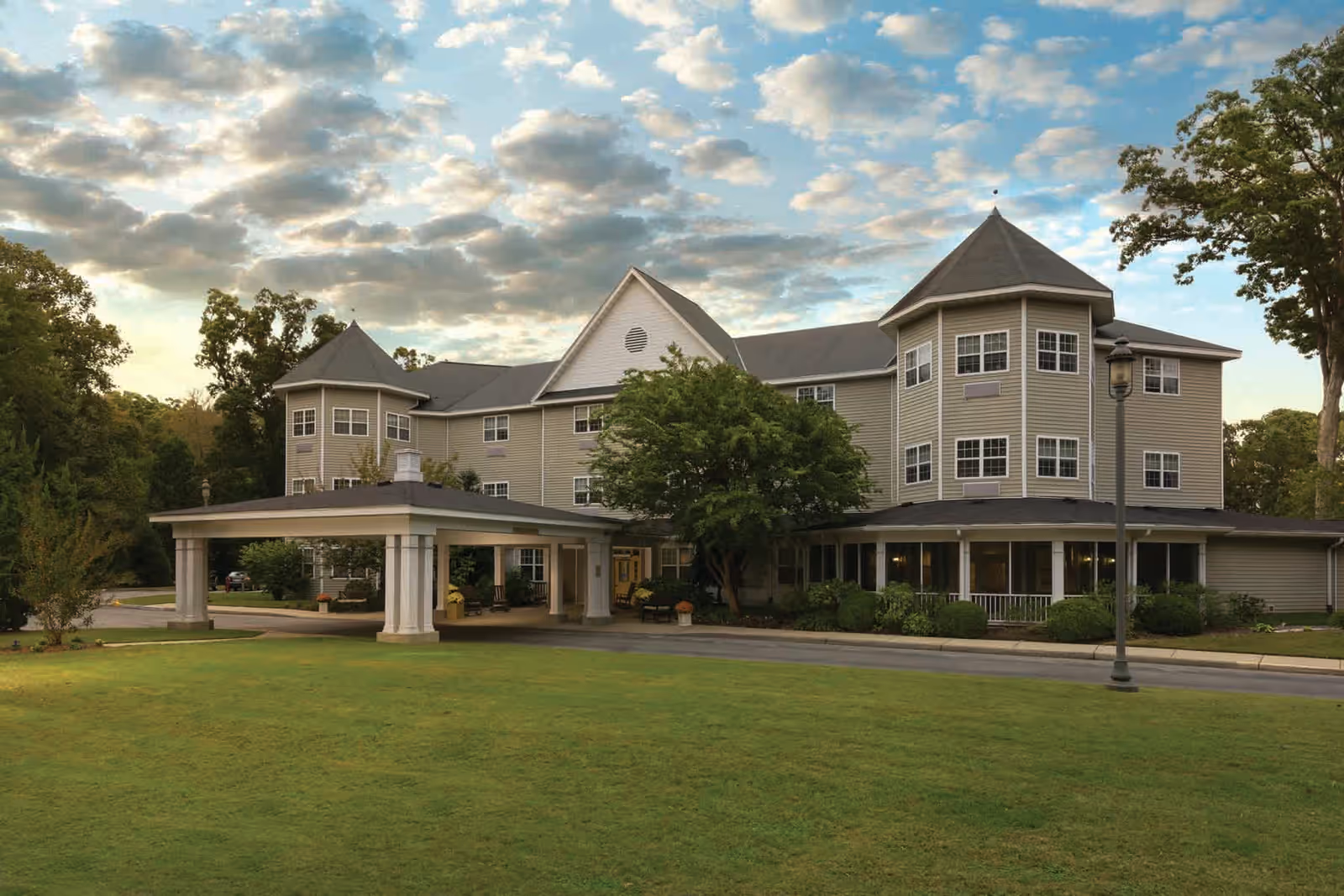
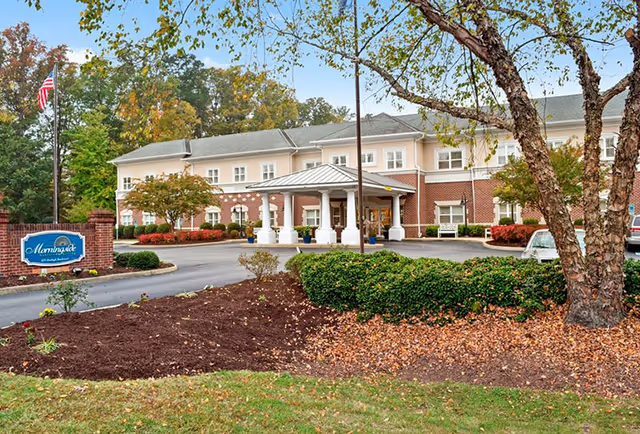
Overall sentiment in the reviews is mixed but leans positive on the human side of care while raising consistent concerns about space, accessibility, dining, and operational staffing. Multiple reviewers emphasize high marks for staff — describing them as knowledgeable, upfront, helpful, personable, and visible throughout the facility. Several notes highlight that caregivers provide unhurried, attentive service, and that family members (for example, an aunt) are happy with the services provided. The facility is repeatedly described as warm and home-like, and reviewers mention a strong, friendly resident community and plenty of activities, which together suggest good social programming and a comfortable atmosphere for residents.
Care quality and staff interactions are the clearest strengths. Comments about a personal caregiver model, staff visibility, and staff being both knowledgeable and upfront point to trustworthiness and consistent day-to-day attention. The repeated use of terms like "helpful," "personable," and "unhurried" indicate that staff prioritize resident dignity and relationship-based care. These positive impressions are reinforced by mentions of well-prepared lunches and overall family satisfaction, which often correlate with perceived quality of caregiving.
Facility and physical-space issues are a notable counterpoint. Reviews present a split impression about the building itself: some describe it as modern and top-of-the-line, while others call it an old house. Despite that variability, several concrete space-related problems recur: rooms are described as very small, some residents require or end up in shared rooms, and storage is limited. The dining area is characterized as small, which could create bottlenecks during meal periods or reduce communal dining comfort. Importantly, reviewers flag a lack of handicapped-accessible bathrooms — a significant accessibility concern for many seniors and a tangible limitation for residents with mobility needs.
Dining and food quality receive mixed feedback. Some reviewers specifically praise the lunch offering as good and well prepared, whereas others call the food unimpressive and note that meals are outsourced to outside vendors. This inconsistency suggests variability in food quality or in what different reviewers expect; it may also reflect changes over time or between meal providers. For prospective residents and families, it would be useful to clarify current meal arrangements and whether the facility has control over menu planning, dietary accommodations, and food-service vendors.
Management and operational patterns surface as another area of concern. One review specifically mentions a short-staffed or overextended manager, and more generally there are indications of staffing shortages. While caregivers receive praise, staffing capacity and administrative bandwidth appear strained in places. These operational constraints can exacerbate the facility’s physical limitations (small rooms, limited dining space) and affect consistency of services such as meal preparation and timely attention during busy periods.
In summary, Bethel Helping Hands is regularly praised for its caring, visible, and personable staff and for providing an inviting, home-like environment with active programming. Those are strong positives that many families value highly. At the same time, potential residents and families should weigh recurring practical concerns: small living spaces and storage, shared rooms, limited dining space, accessibility shortcomings (notably few handicapped-accessible bathrooms), mixed reports about food (including outsourced meals), and signs of staffing or managerial strain. If visiting or considering placement, prospective residents should tour the physical spaces, ask specific questions about room sizes and storage, confirm current meal-service arrangements, and discuss staffing levels and accessibility accommodations to ensure the environment meets their specific needs.