Charter Senior Living of Newport News elicits strongly mixed but patternable impressions. Many families and residents describe consistently compassionate, attentive caregiving from nurses and aides, with specific praise for memory‑care staff, end‑of‑life support, and individual staff members who facilitated smooth transitions and family communication. Admissions and marketing staff are frequently described as knowledgeable and helpful during tours and move‑ins, and several reviewers highlighted proactive family updates when those channels are functioning.
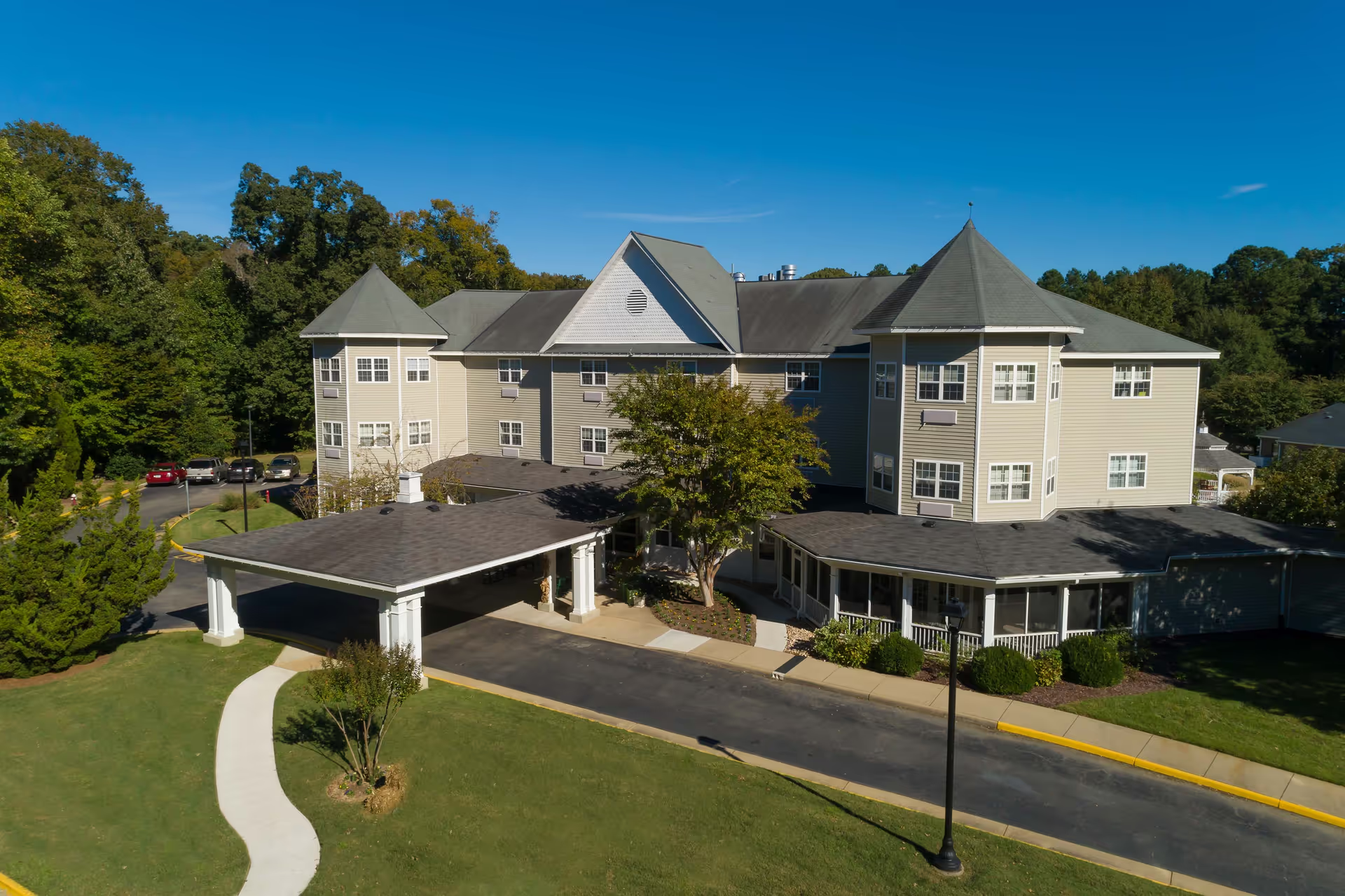
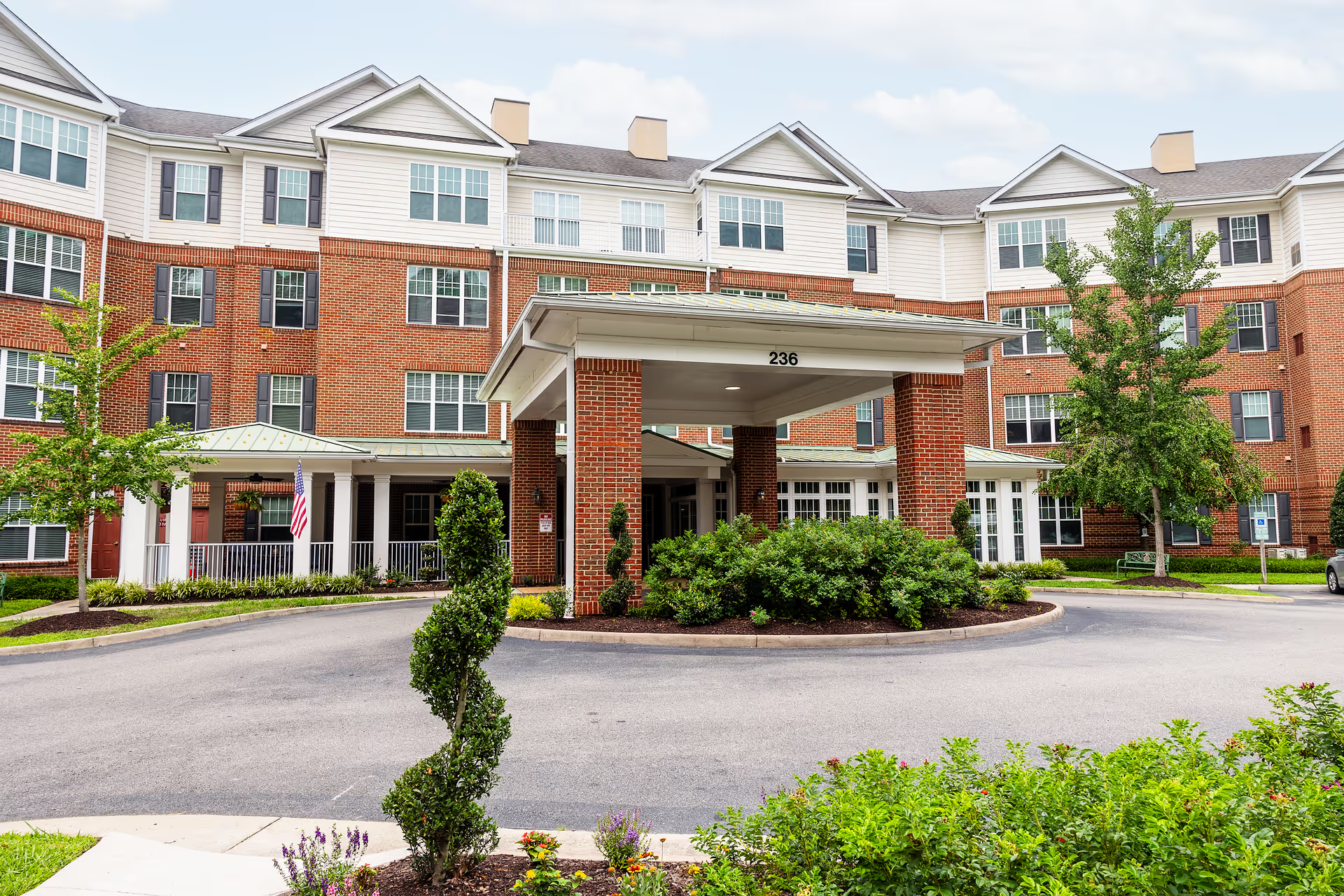
Facility amenities and environment are commonly noted as strengths. The building and grounds are described as clean, bright, and tastefully appointed, with a usable courtyard/garden, private dining spaces, a coffee bistro, salon, gym, and accessible therapy services. Apartment options include studios and one‑bedrooms with allowances for personal items and kitchenette areas. Dining receives repeated positive mentions for chef‑driven menus, courteous dining staff, flexible mealtimes, and snack availability, though quality consistency is uneven across reports.
Programming and social engagement are generally robust: regular activities, themed weeks, day trips, and memory‑care programming are cited as meaningful contributors to resident quality of life. Housekeeping and maintenance responsiveness is noted positively in many accounts, supporting the sense of an active lifestyle and community focus.
However, clear operational weaknesses recur. Staffing instability and frequent leadership turnover are themes that reviewers link to variability in day‑to‑day care. Several accounts indicate gaps in medication management and administration controls, which families identify as a significant safety concern. Communication with families and responsiveness from management are inconsistent; when communication is strong it is praised, but lapses and difficult reachability are also described.
Sanitation and housekeeping performance appear variable: many describe a spotless environment, while others note declines or isolated odor concerns and missed cleaning tasks. Dietary accommodations are another operational gap; reviewers cite limited options for therapeutic diets (for example low‑sodium or diabetic‑specific menus) and uneven food quality over time. Some accounts raise concerns about property security and staff accountability related to resident belongings and billing, which points to weaknesses in internal controls rather than isolated incidents.
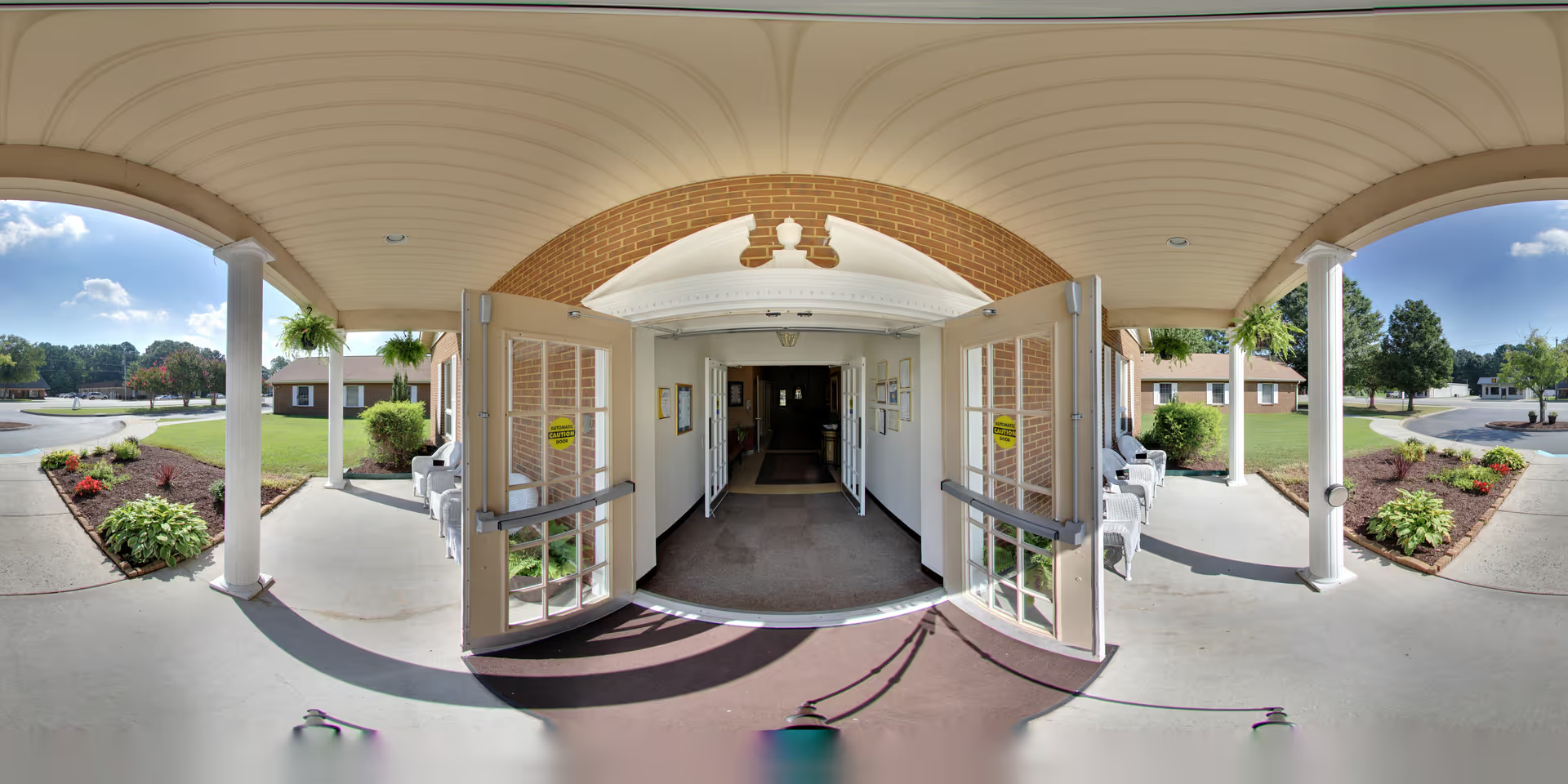
Other practical considerations surfaced: periodic short staffing can affect availability of services, reception and visitor‑monitoring practices have been inconsistent at times, and the facility layout (multiple floors, spread‑out doors) can be challenging for residents with limited mobility. Pricing and billing came up as a mixed factor — some families see good value while others report price increases and occasional billing issues.
Overall, the facility often provides a warm, activity‑rich environment with many staff who deliver high‑quality, compassionate care, especially in memory care. Prospective residents and families should weigh those strengths against recurring operational issues: staff and leadership turnover, medication‑management controls, consistency of housekeeping and dining, and administrative transparency. For families who plan to be active advocates or who require close clinical dietary oversight and minimal staff turnover, additional due diligence during tours and follow‑up conversations with management is advisable.