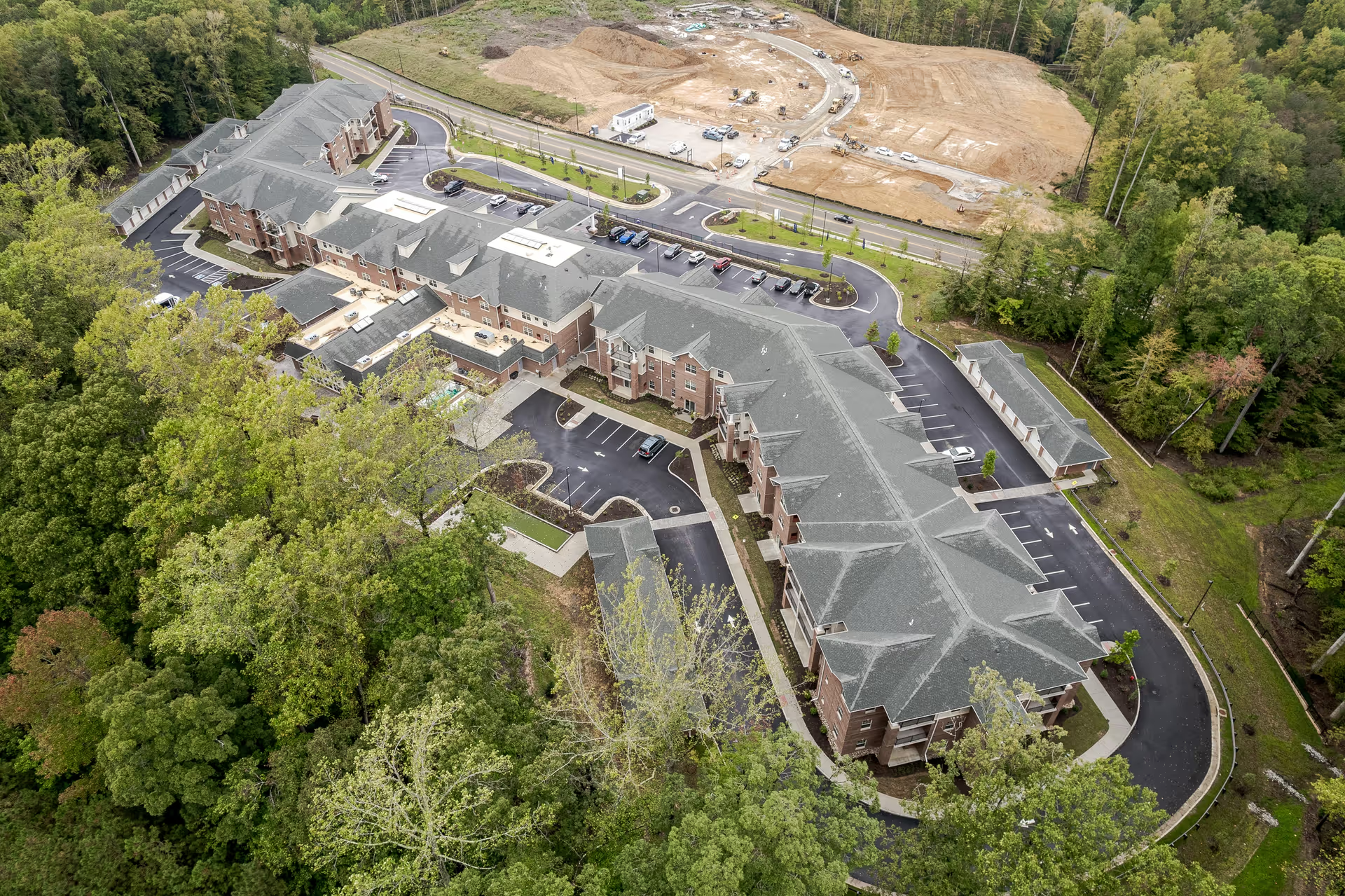
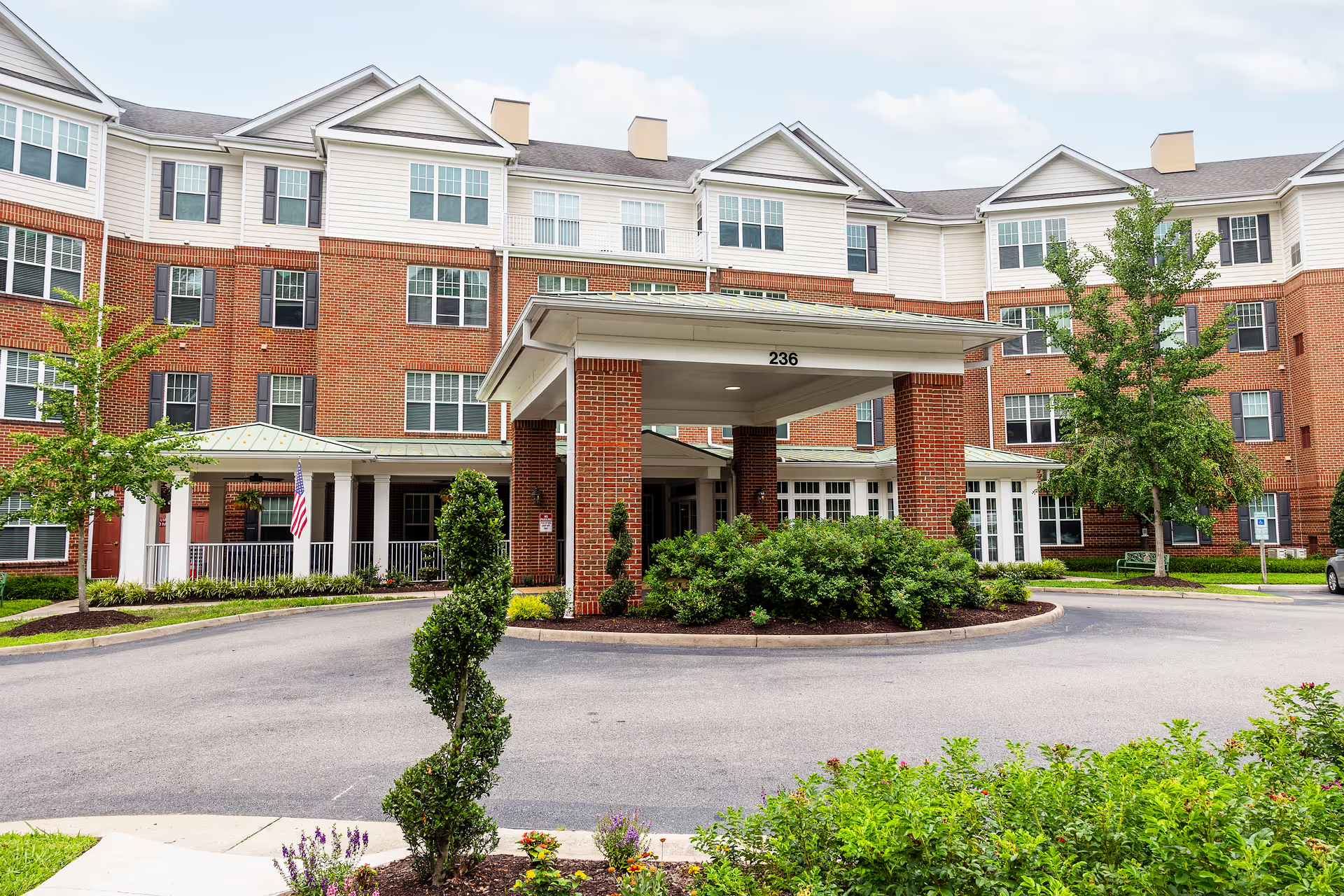
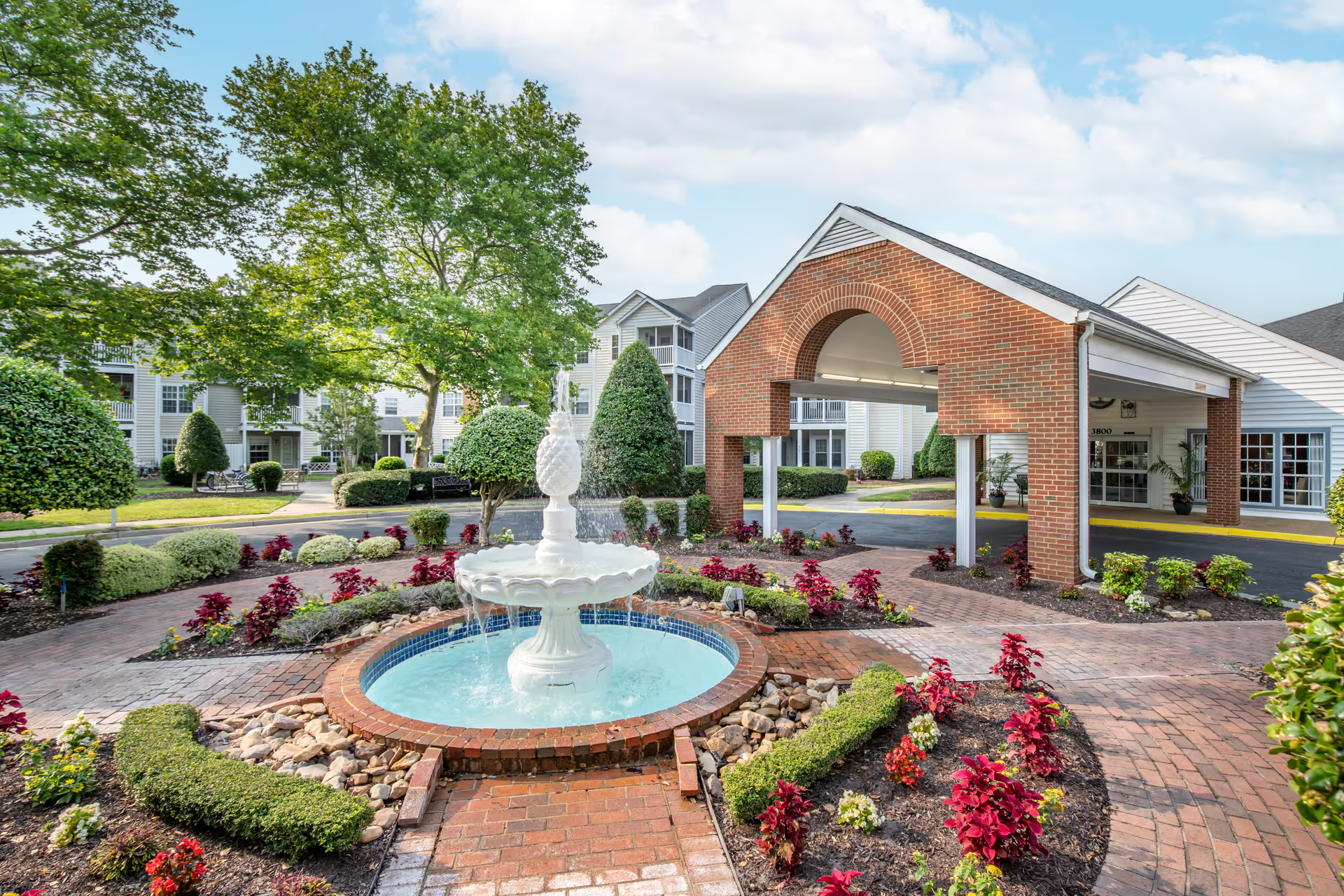
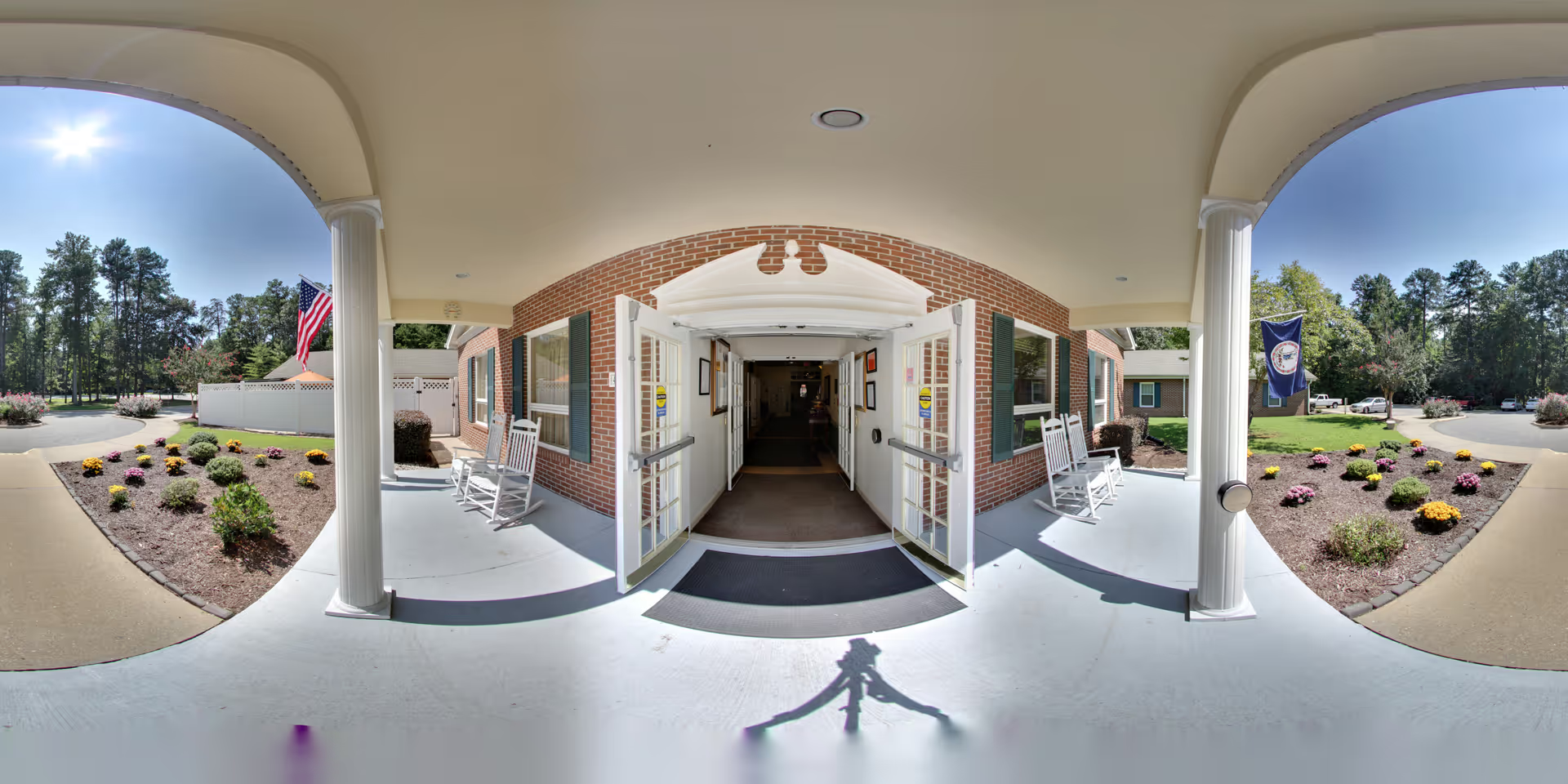
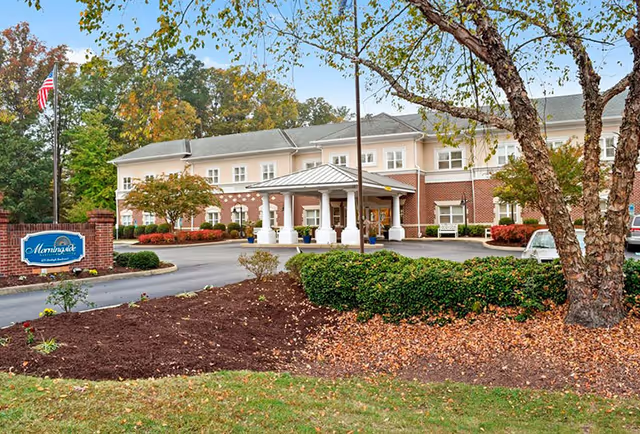
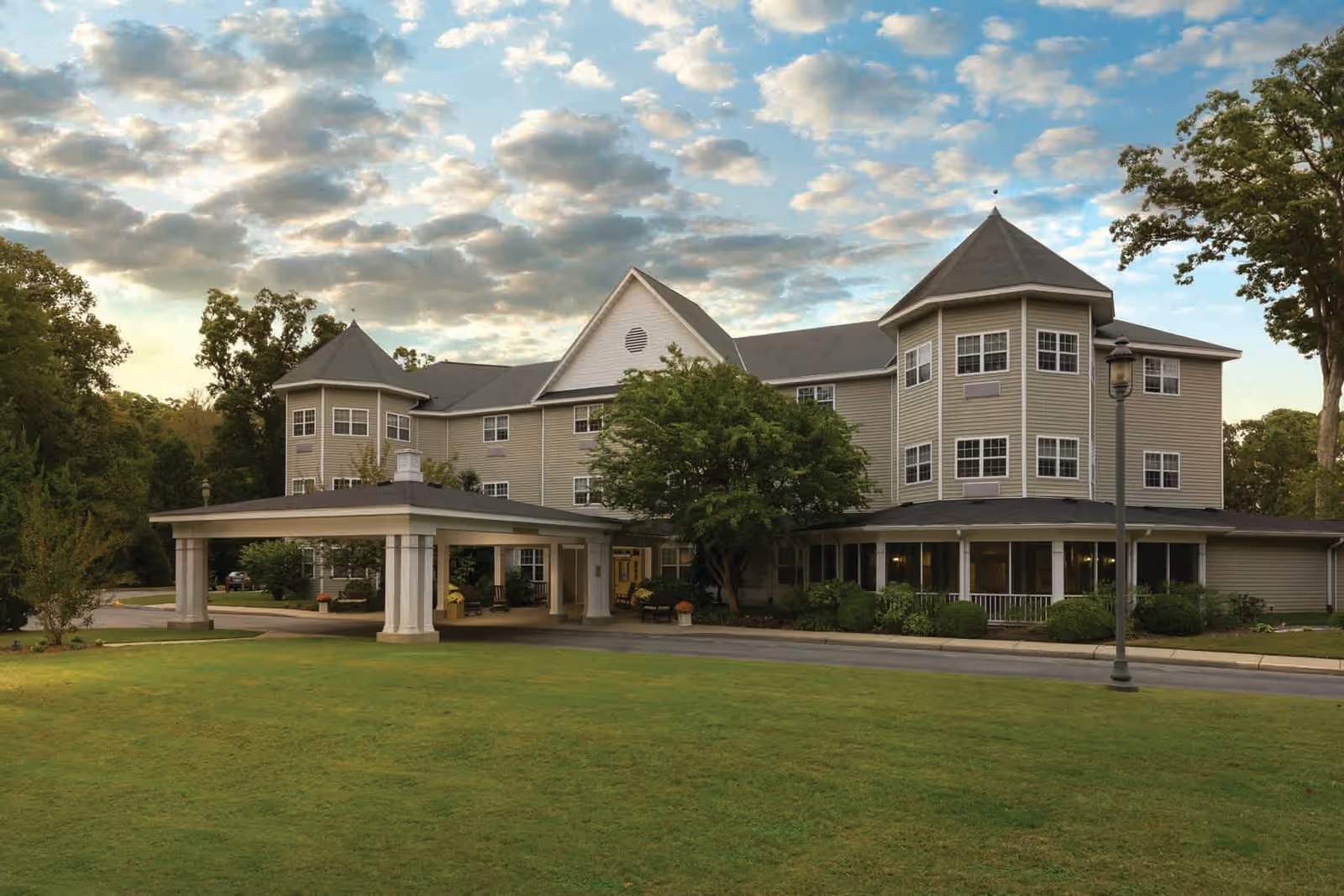
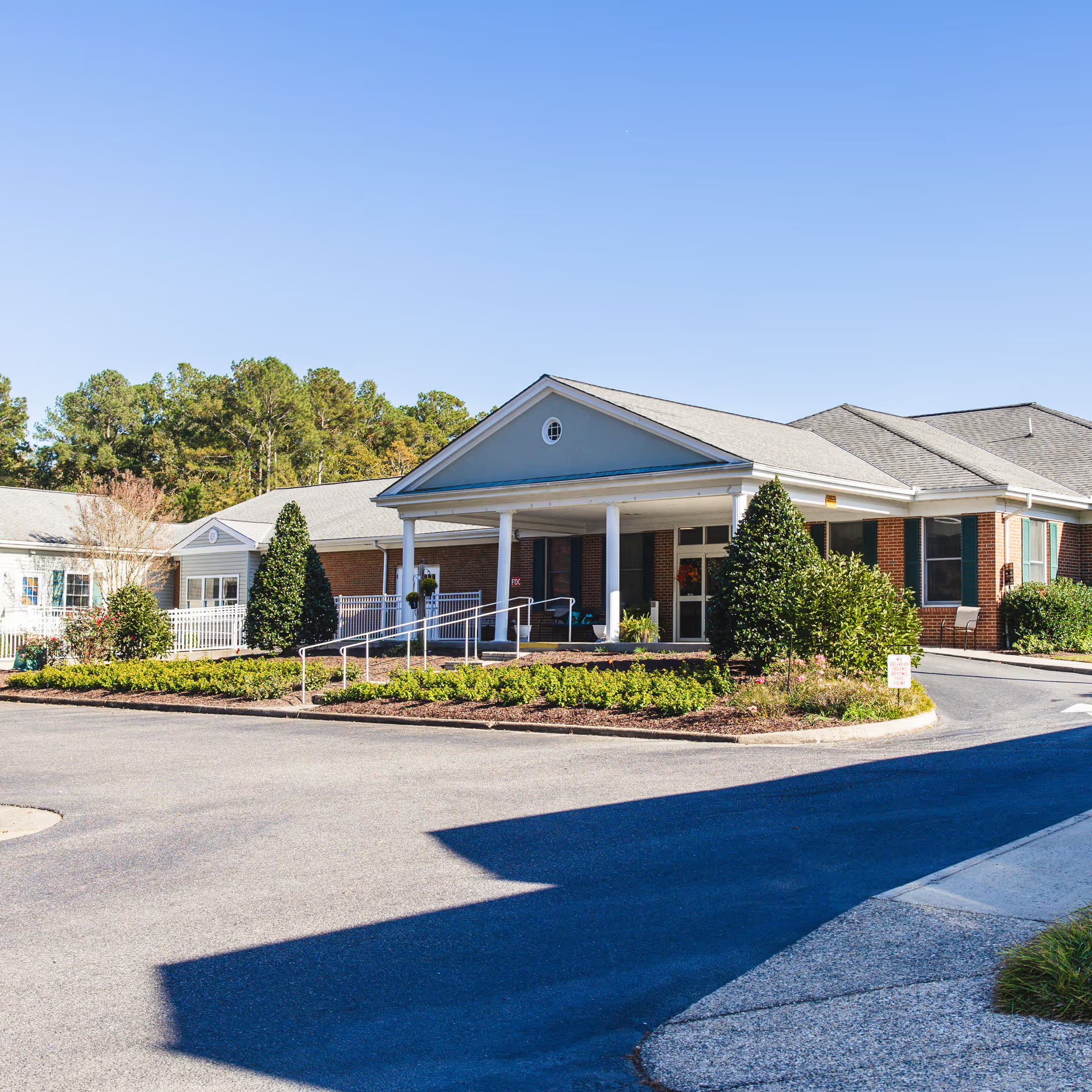
Charter Senior Living of Williamsburg receives frequent praise for its interpersonal strengths and physical environment while also generating recurring operational concerns. Families and residents consistently highlight a caring, attentive staff, a chef-driven dining program, a robust schedule of activities, and an attractive central courtyard and outdoor spaces. The community’s smaller, family-like scale and studio-style units with private bathrooms and patios are repeatedly described as welcoming features that help residents settle in and feel comfortable.
Care quality elicits mixed but specific feedback. Many accounts commend aides and nurses who know residents by name and provide compassionate day-to-day support; the memory-care program and several individual staff leaders are singled out for strong, personalized attention. At the same time, reviewers describe chronic understaffing that can produce slower response times, delayed assistance with personal care, and increased fall and pressure-injury risk. There are also concerns tied to clinical monitoring and medication-administration oversight; some families experienced notable clinical setbacks for residents during periods of staffing shortfall. Reports indicate management changes have improved performance in some cases, but administrative responsiveness and leadership turnover remain recurring issues.
Dining and activities are among the facility’s stronger offerings. The chef and dining team receive frequent commendations for quality meals, multiple meal options, and resident engagement with food preparation. Activity programming is described as varied and well-attended, with themed events, outings, and social opportunities that contribute positively to residents’ quality of life. That said, a subset of accounts notes inconsistency in meal quality and limited menu variety at certain times, so experiences can vary by day or by dining shift.
Facility condition and operational services present a mixed picture. Many reviewers describe clean, well-maintained common areas, pleasant rooms, and a bright, modern feel; the courtyard and garden areas are repeatedly praised. Conversely, some families reported room-level cleanliness issues, odor concerns, and problems with housekeeping and laundry reliability. Transportation availability for medical appointments is limited relative to expectations, and scheduling can be less flexible than advertised. Financially, pricing varies by care level and the community does not accept all payor sources, which is important for families to confirm during intake.
Communication and management patterns are notable. While many families received clear, supportive communication and hands-on transition assistance, others experienced inconsistent updates, occasional restrictive visitation practices during certain periods, and challenges reaching leadership. Prospective residents and families should weigh the facility’s strong social, dining, and memory-care assets against operational tradeoffs such as staffing stability, housekeeping consistency, transportation limitations, and variability in administrative responsiveness. For families considering the community, an on-site visit focused on current staffing levels, housekeeping protocols, transportation scheduling, and a direct conversation about pricing and payment options is advisable.