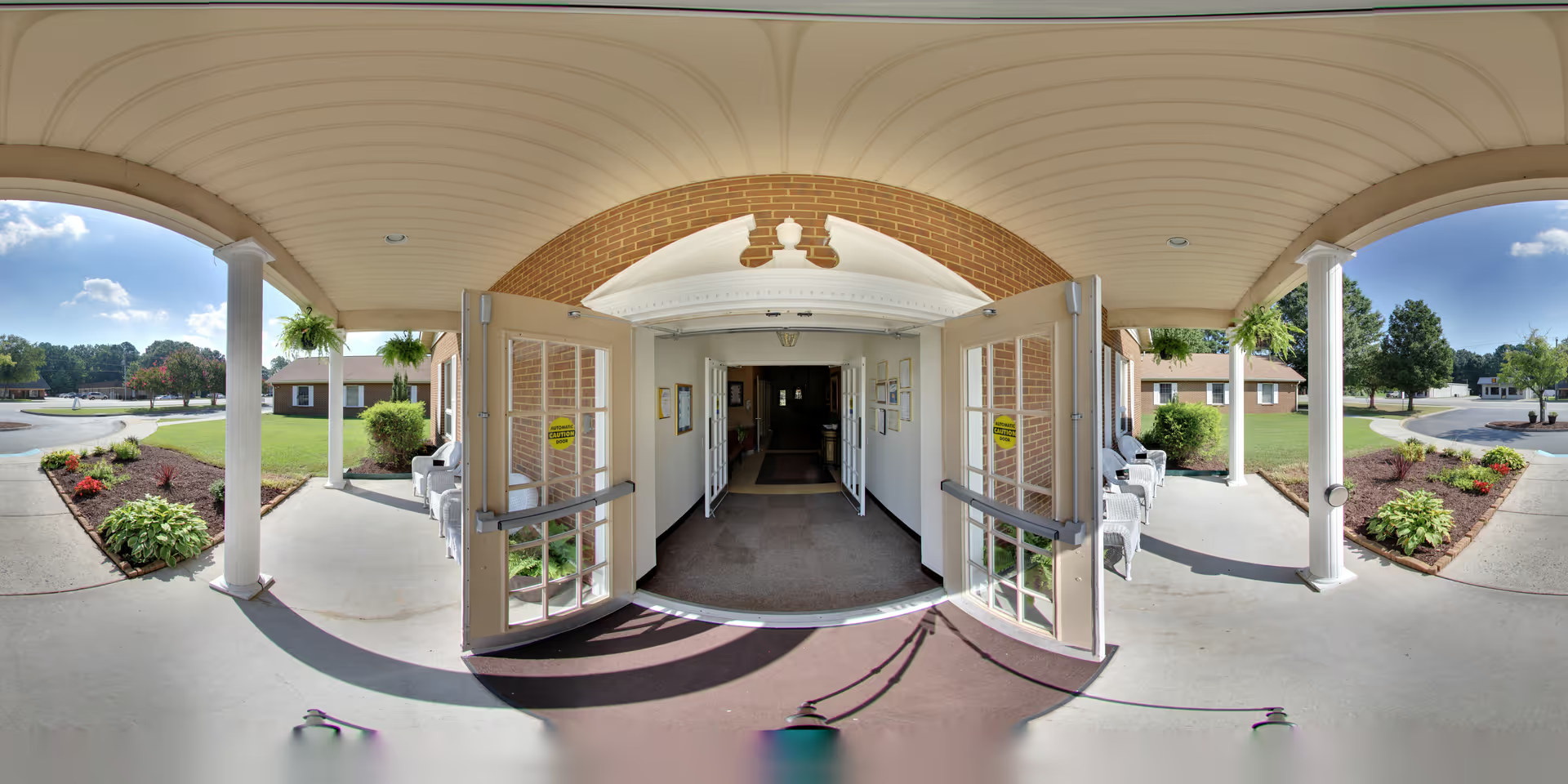
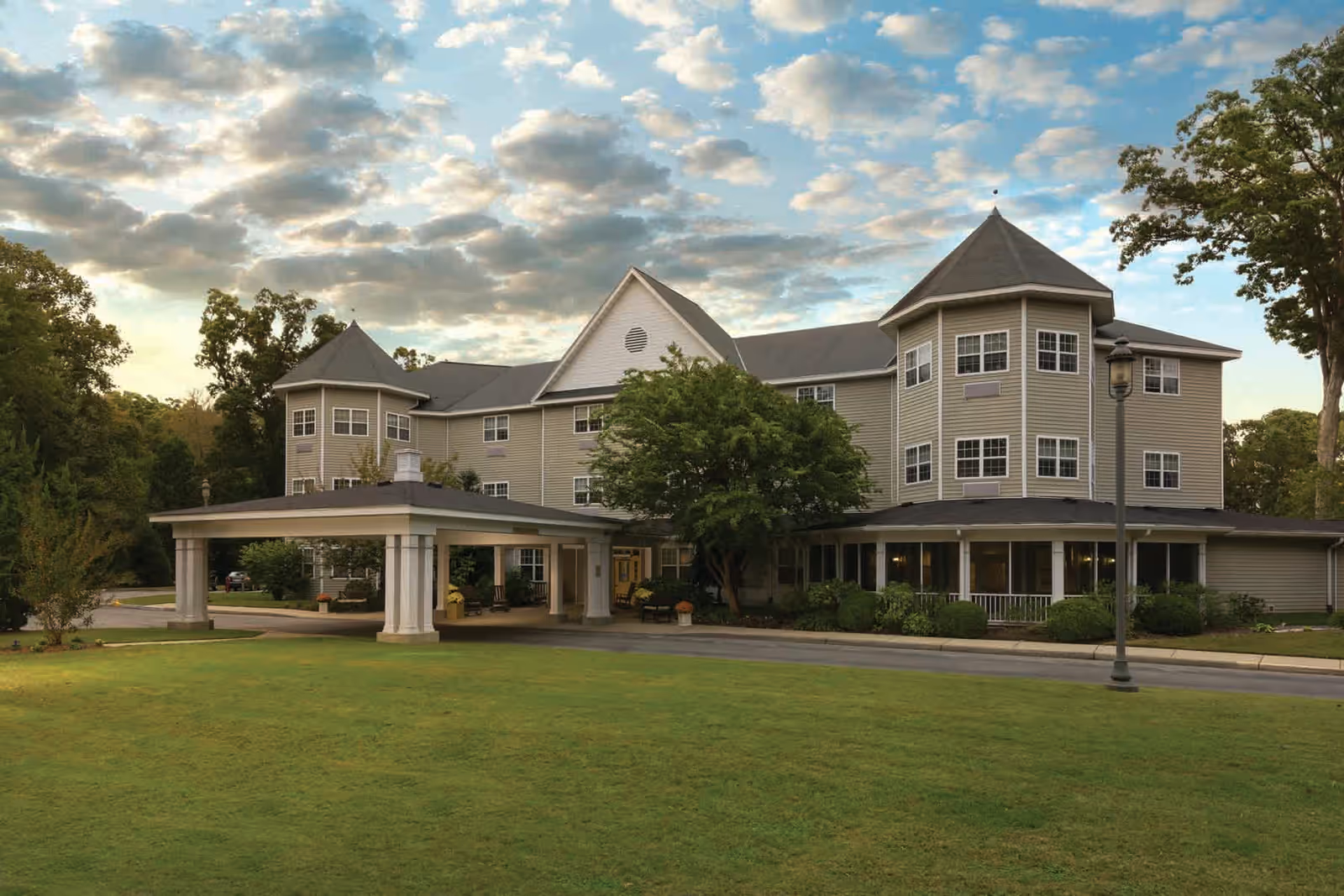
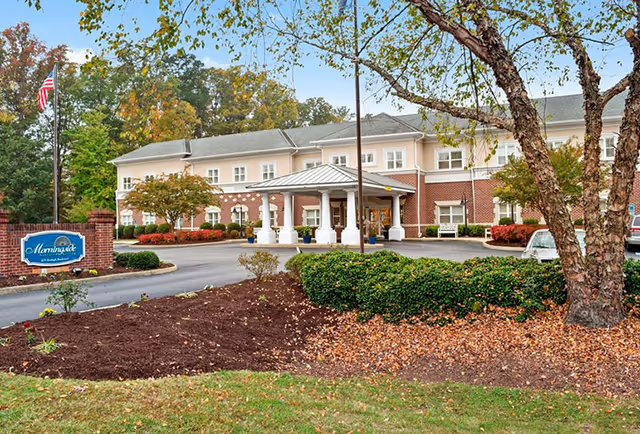
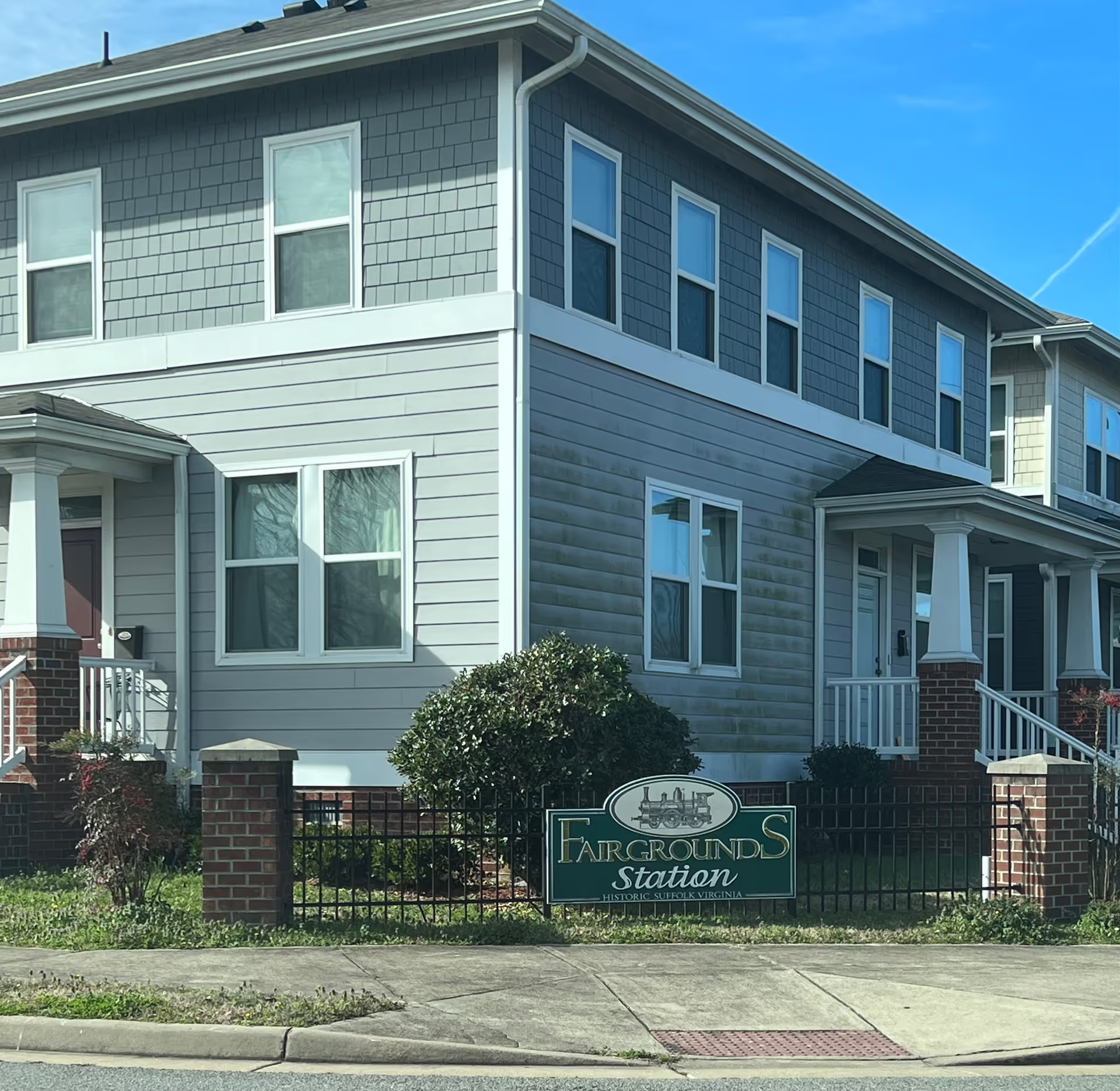
Reviews of Golden Years Assisted Living present a strongly polarized picture. Many families praise the facility for its family-like atmosphere, hands-on ownership, and compassionate staff; they highlight a sense that residents are known and engaged, with artistic and social programming that taps resident talents. Several reviewers specifically commend the dining program as nutritious and enjoyable, and the facility offers on-site clinical supports including a visiting doctor, physical therapy, X-ray services, a 24-hour nursing station, and pharmacy access. Admissions and tour staff are frequently described as welcoming, and interior common areas and recreational amenities (TV rooms, gym, covered outdoor deck) are often characterized as clean and comfortable.
At the same time, a distinct set of operational concerns appears across other reviews. Multiple comments point to inconsistent staff competence and preparedness, which affects admission transitions and day-to-day responsiveness. Sanitation and pest-control concerns are raised for some units and common areas, and odor control is described as variable. Several reviewers mention aging building elements—ceiling leaks, unfinished roof work, and other deferred maintenance—that contribute to an older, institutional feel in parts of the property. Exterior maintenance and grounds upkeep are also inconsistent, with isolated observations of litter and compromised entry hardware that imply security and aesthetic shortcomings.
Communication and transparency emerge as central themes dividing reviewers. While many families describe good communication and an involved administration, others cite breakdowns in family notification and limited access to documentation, including surveillance records used in incident review. There are also claims of serious end-of-life and incident-handling concerns; those descriptions have prompted strong family reactions and, in at least one instance, mention of potential legal action. Taken together, these items suggest gaps in standardized incident-response processes and family-facing transparency.
For prospective residents and families, the pattern suggests two important considerations. First, the facility appears capable of providing warm, engaged care with robust programming and onsite clinical services when staffing and management practices are functioning well. Second, variability in operations—staffing, cleaning and pest control, building maintenance, and transparency—creates risk that experience will differ notably between units and over time. A thorough tour that includes inspection of specific rooms and common areas, direct questions about staffing ratios, cleaning and pest-control protocols, recent maintenance and renovation history, incident-investigation policies, and access to medical and surveillance records will help clarify whether current conditions align with a particular family's priorities.