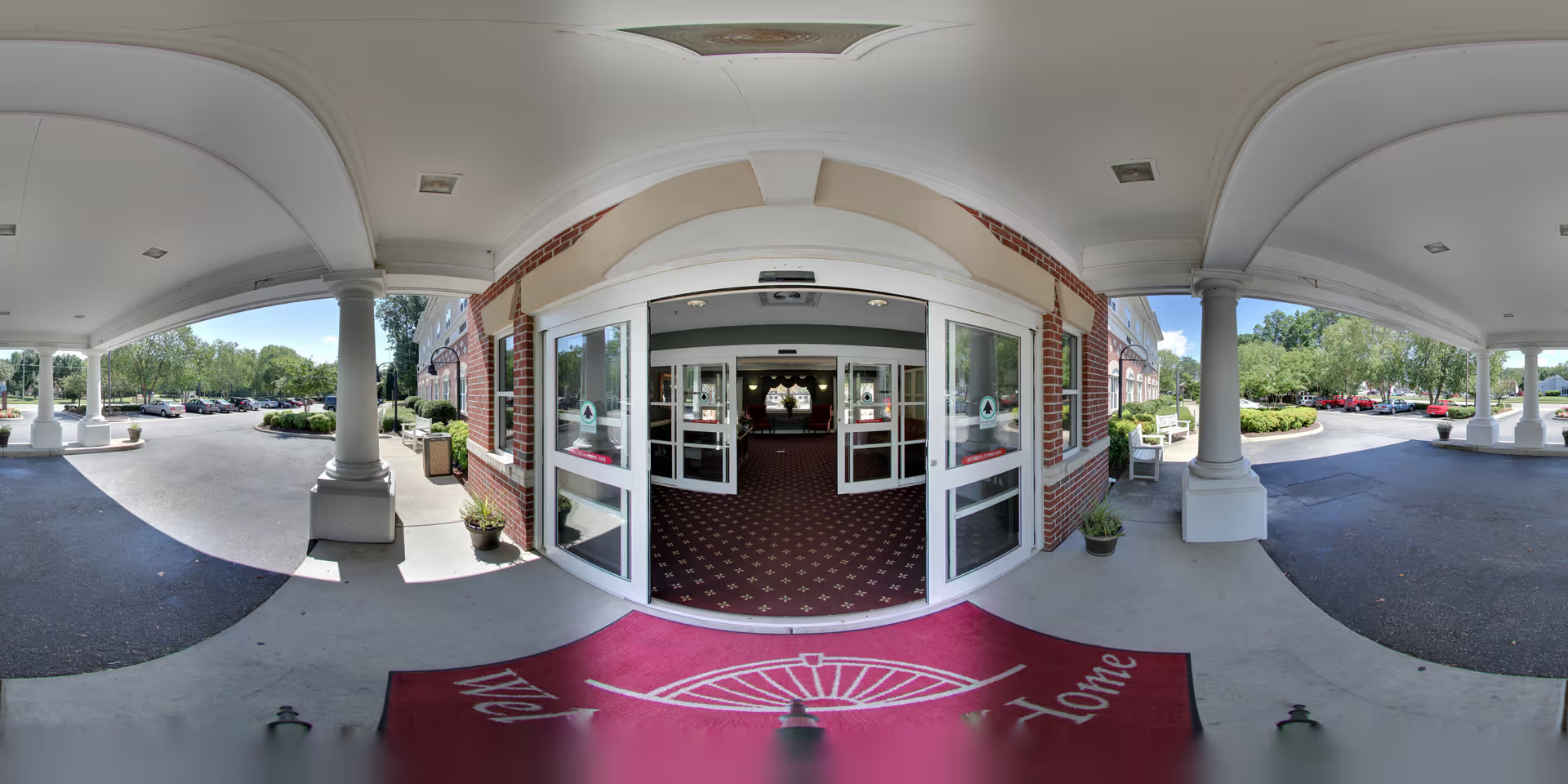
Overall impression: Reviews describe a facility with clear clinical and programmatic strengths alongside persistent operational weaknesses. The facility's rehabilitation services, therapy teams, social work and discharge-planning functions receive consistent positive feedback; many families highlight strong PT/OT outcomes, rapid entry to rehab, and individualized therapy plans that supported discharge. Several caregivers and support staff are singled out for compassionate, resident-centered interactions that contribute to a positive atmosphere in common areas and therapy spaces.
Care quality and clinical concerns: Clinical quality appears uneven. While therapy and some nursing staff are described as professional and effective, other reviews identify concerns about medication-management practices, undocumented or unexplained medication changes, and inconsistent nursing follow-through. There are references to delays in responding to clinical needs and in escalating medical issues, which families associated with adverse outcomes and hospital transfers. Families also raised concerns about incontinence-care delays and attention to basic bedside needs. These patterns point to variability in bedside care and incident-response consistency rather than uniform clinical failure.
Staffing and culture: The staff picture is mixed. Many reviews praise friendly, supportive CNAs, nurses, therapists, and reception staff, and note leadership that is visible and engaged. At the same time, reviewers describe inconsistent conduct, communication tone problems, and instances of buck-passing between departments. Comments about staff being overworked, underpaid, or subject to turnover suggest workforce stability challenges that likely contribute to variability in service delivery across shifts.
Dining and nutrition: Dining receives both positive and negative comments. Several families and residents noted nutritious, accommodating meals and staff responsiveness to dietary needs, while others reported late or cold meals, limited choices, and inconsistencies in portioning for specific conditions such as diabetes. Meal-service continuity and timing appear to be operational areas needing standardization.
Activities and social programming: Activity programming is a relative strength. Reviews commonly mention an active schedule with singing, cookouts, trips, and staff who encourage participation. The activities director and certain staff are repeatedly commended for creativity and resident engagement, and many residents report enjoying and benefiting from the social offerings.
Facilities, housekeeping and maintenance: Facilities feedback is bifurcated. Some reviewers describe clean, well-maintained common areas, comfortable rooms, and updated décor following ownership changes. Others raise sanitation concerns, pest-control issues, incomplete repairs (including HVAC/AC reliability), and supply shortages that affect room maintenance and patient comfort. Temperature-control problems and intermittent maintenance follow-through are notable operational weaknesses.
Management, billing and communication: Administrative experiences vary widely. Positive interactions with administrators, helpful billing staff, and effective discharge coordination are reported alongside complaints about billing transparency, perceived price increases, and unclear communication about treatment plans or physician involvement. A subset of families escalated serious clinical and administrative concerns to external regulators; this underscores the importance of clearer documentation, family communication, and standardized incident management.
Notable patterns and guidance for families: The dominant pattern is polarization: strong, outcome-oriented rehab and several highly praised staff members coexist with uneven nursing, housekeeping, and operational reliability. Prospective residents and families should weigh the facility's demonstrated strengths in therapy and individualized planning against variability in bedside care, sanitation processes, temperature control, and administrative transparency. When considering placement, families may wish to (a) ask for specifics on staffing levels by shift, (b) request written medication and care plans with physician communication protocols, (c) tour resident rooms for cleanliness and HVAC function, (d) review pest-control and maintenance logs, and (e) clarify billing practices and recent price changes. These steps can help align expectations with the facility's mixed performance profile.