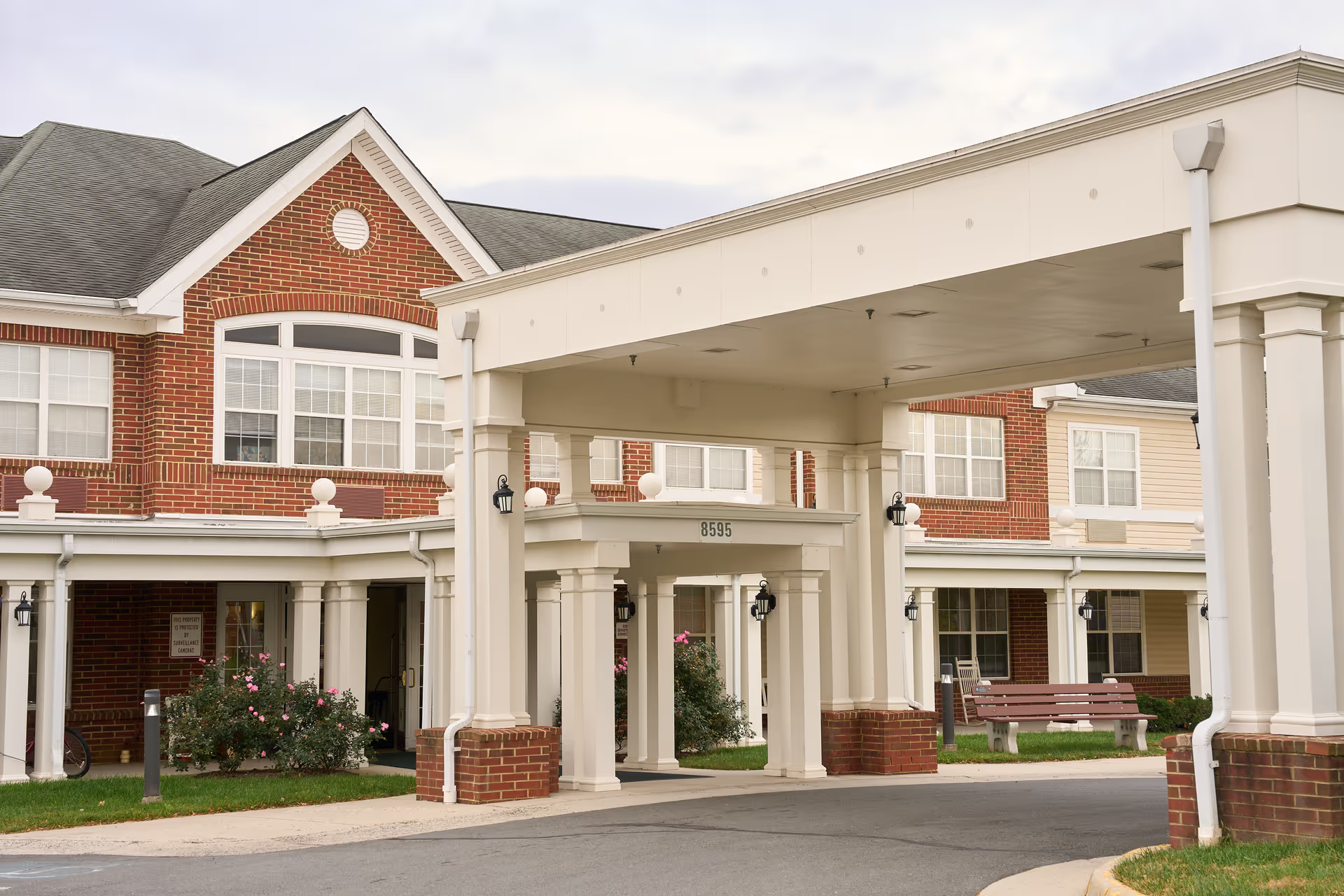
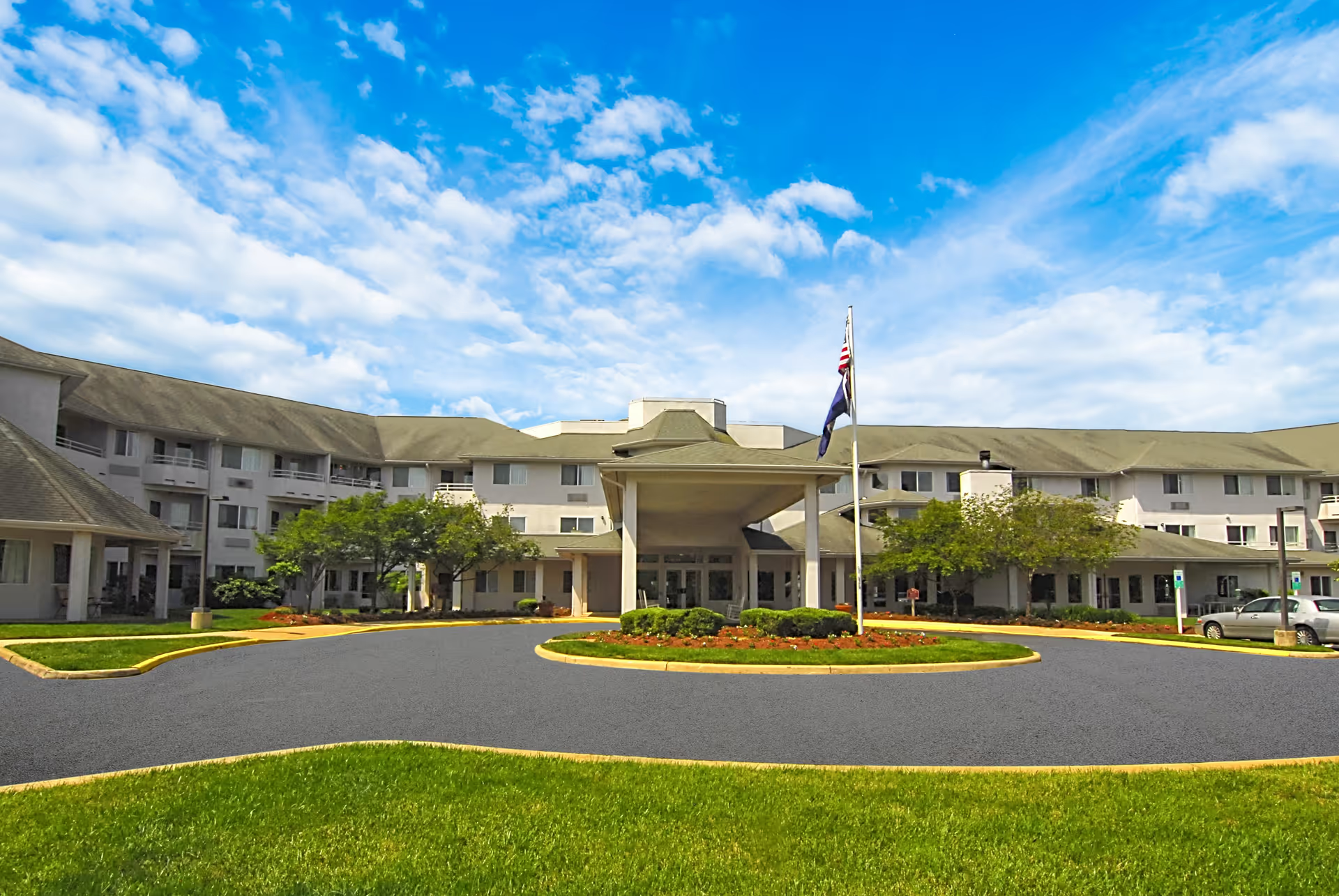
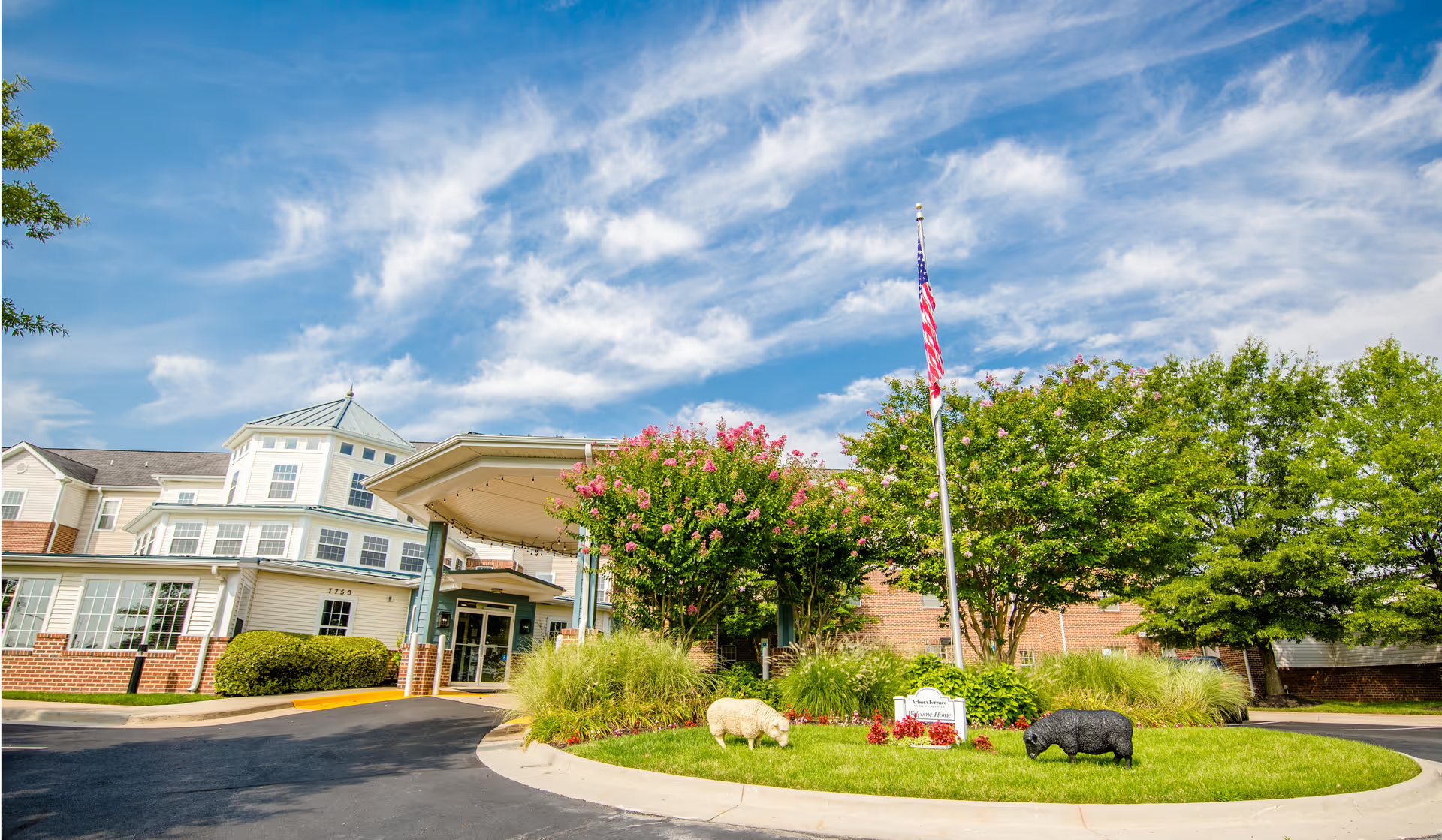
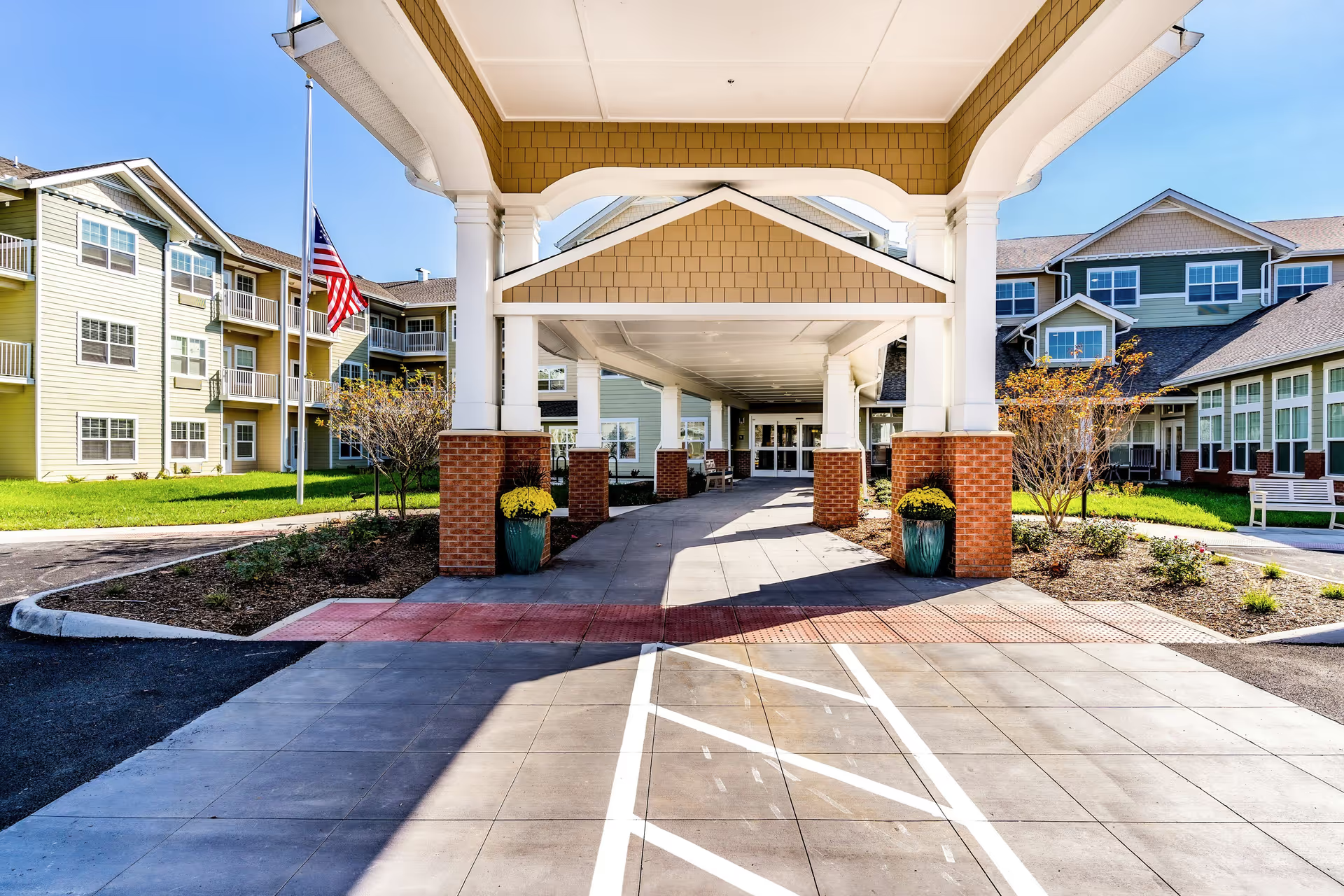
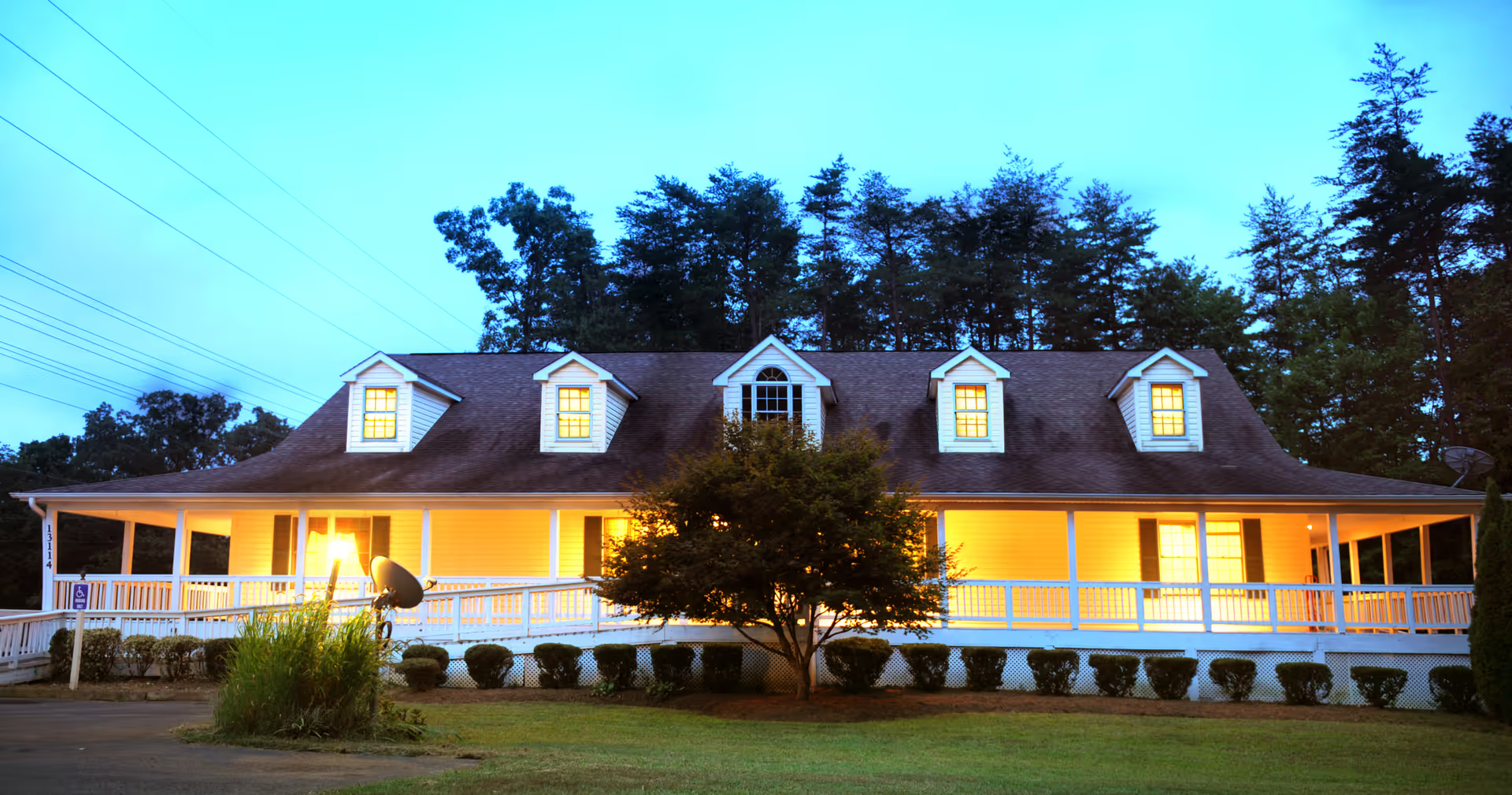
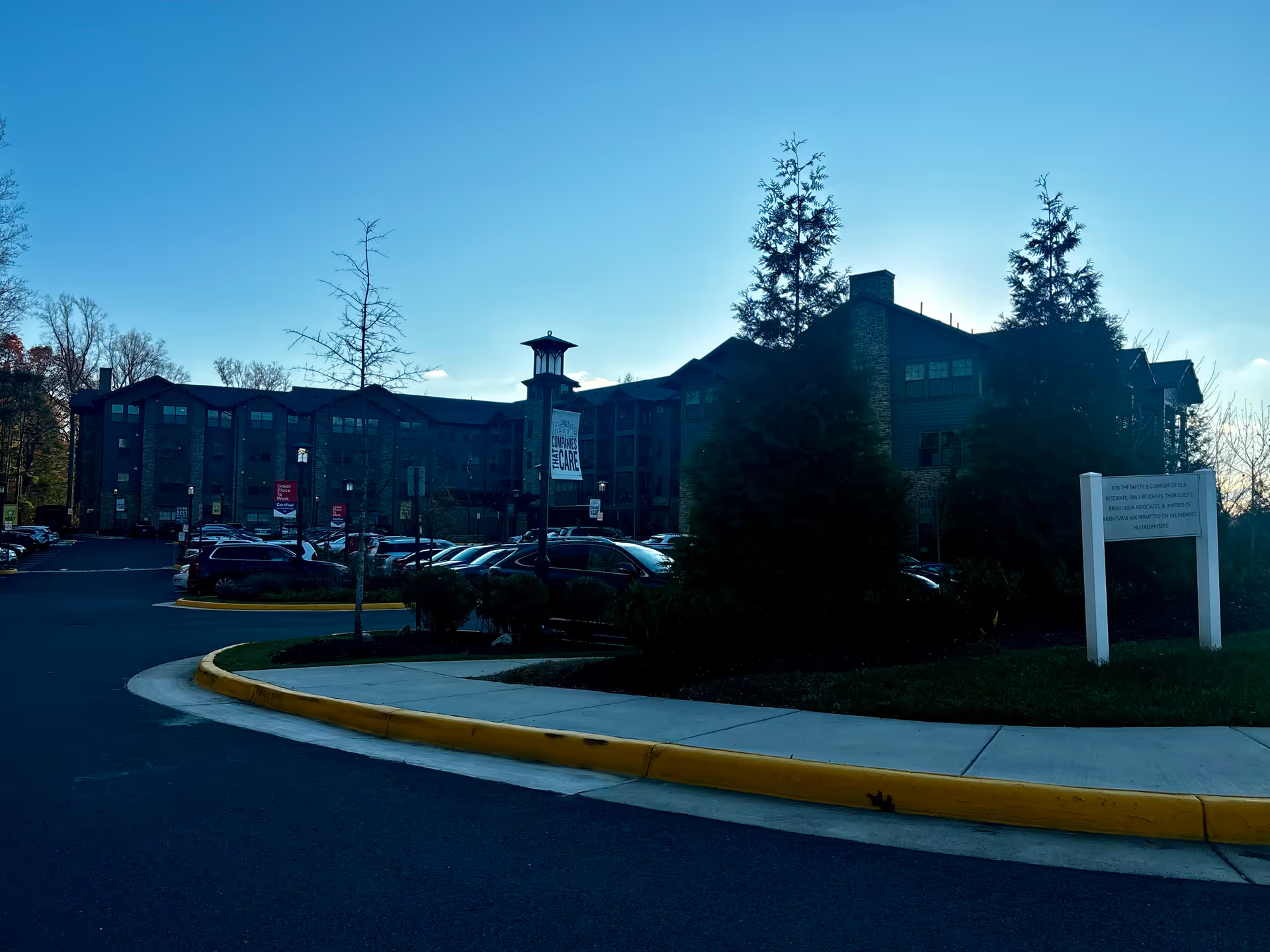
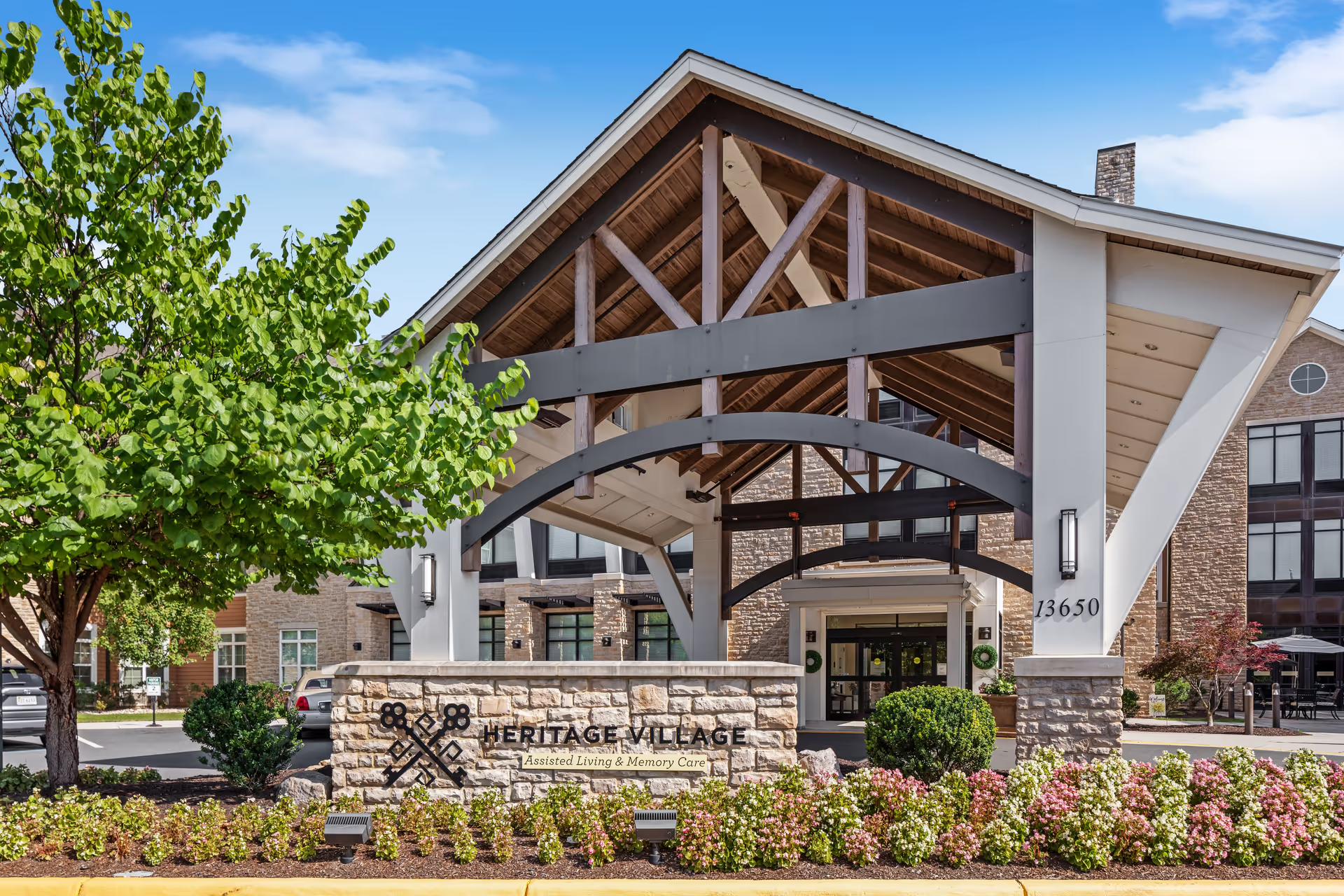
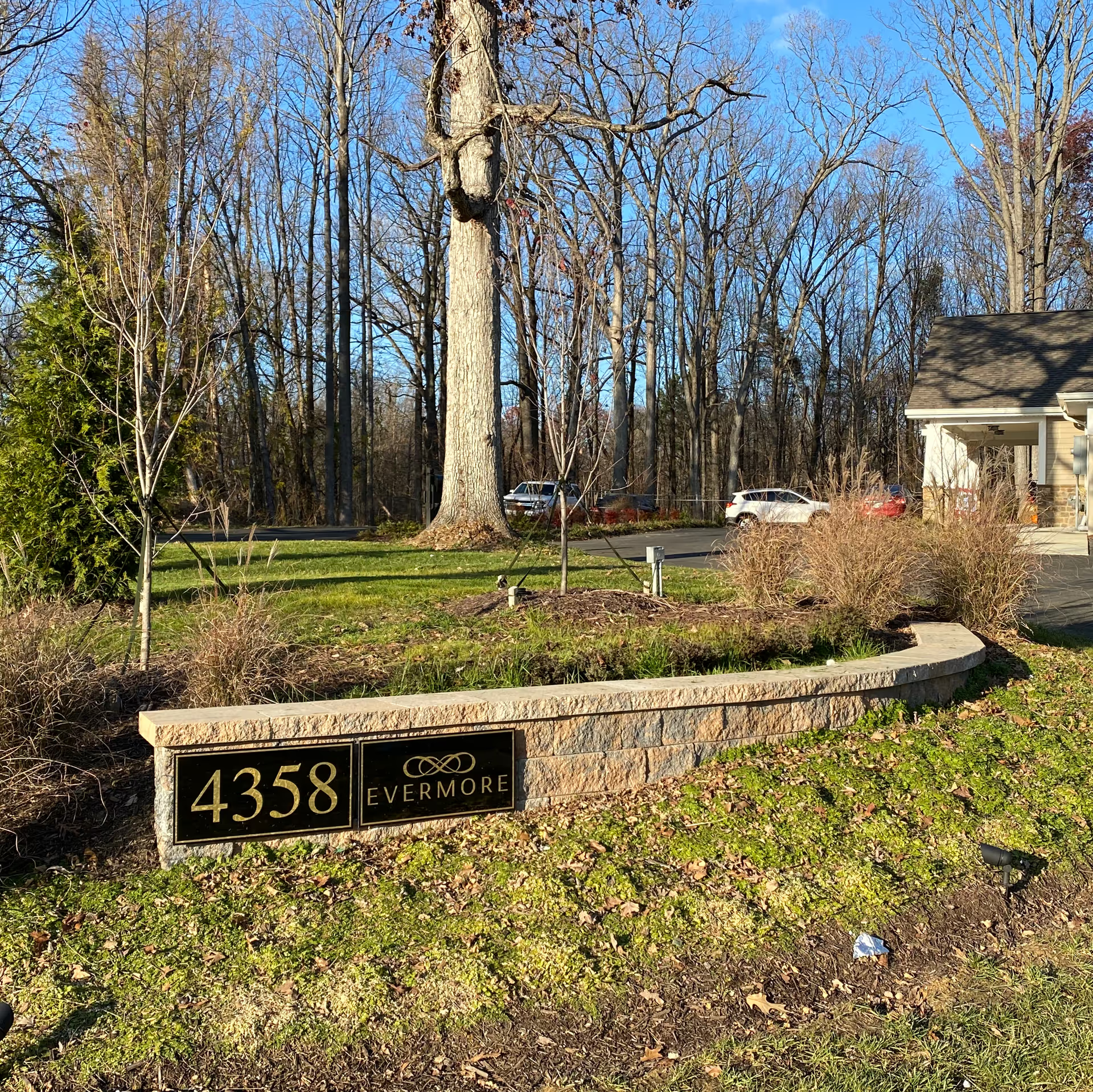
Commonwealth Senior Living at Manassas is generally described as an attractive, well-kept assisted-living community with a strong emphasis on social programming and a home-like atmosphere. Many families and residents praise the renovated common areas, bright apartments, library and living room spaces, secure outdoor areas (courtyard with fountain and fenced garden), and accessible apartment layouts that accommodate walkers and wheelchairs. Overall cleanliness and pleasant smells are recurring positives, and the property’s location near shopping and services is noted as convenient.
Direct-care staff and nursing receive frequent positive comments: reviewers describe staff as friendly, compassionate, hands-on, and attentive, and many families highlight good family communication and personalized care planning. Therapy and rehabilitative services are mentioned as effective in some cases. Meals and medication management are included in the base offering, and the dining program is generally seen as varied; however, reviewers also describe intermittent issues with food temperature and occasional service lapses.
Activities are a consistent strength. The community offers a broad schedule of social, cognitive, and recreational options — live music, outings, games, Sing-fit, ice cream-making, holiday events, and volunteer-led programs — that many residents enjoy and that contribute to an engaged atmosphere. Staff and volunteers are credited with creating an inviting calendar and promoting resident participation.
Several operational patterns warrant careful consideration. Memory-care limitations are a recurring theme: the community does not appear to provide a secured, locked memory unit suited for advanced dementia, and the physical layout (long halls, nurse stations not always nearby) can make continuous monitoring more difficult. Relatedly, reviewers raise concerns about inconsistent clinical responsiveness and resident monitoring, with some families describing delays in attending to resident needs. Staffing stability and scheduling gaps are cited as contributors to those issues.
Other practical considerations include variable housekeeping consistency across rooms, administrative and billing communication gaps, and limited on-site physician availability or transport for medical appointments; some families rely on outside physicians and find the community’s nurse-practitioner access uneven. Ongoing renovations have improved appearance for many but are also a source of temporary disruption for others.
Bottom line: the facility appears well suited to prospective residents who value a clean, activity-rich community with compassionate direct-care staff and reasonable pricing for assisted living. Families considering placement should proactively discuss the scope of dementia care, staffing levels and monitoring practices, contingency plans for clinical escalations, physician/transport arrangements, and the current status of renovations to ensure the community’s capabilities match the prospective resident’s clinical and safety needs.