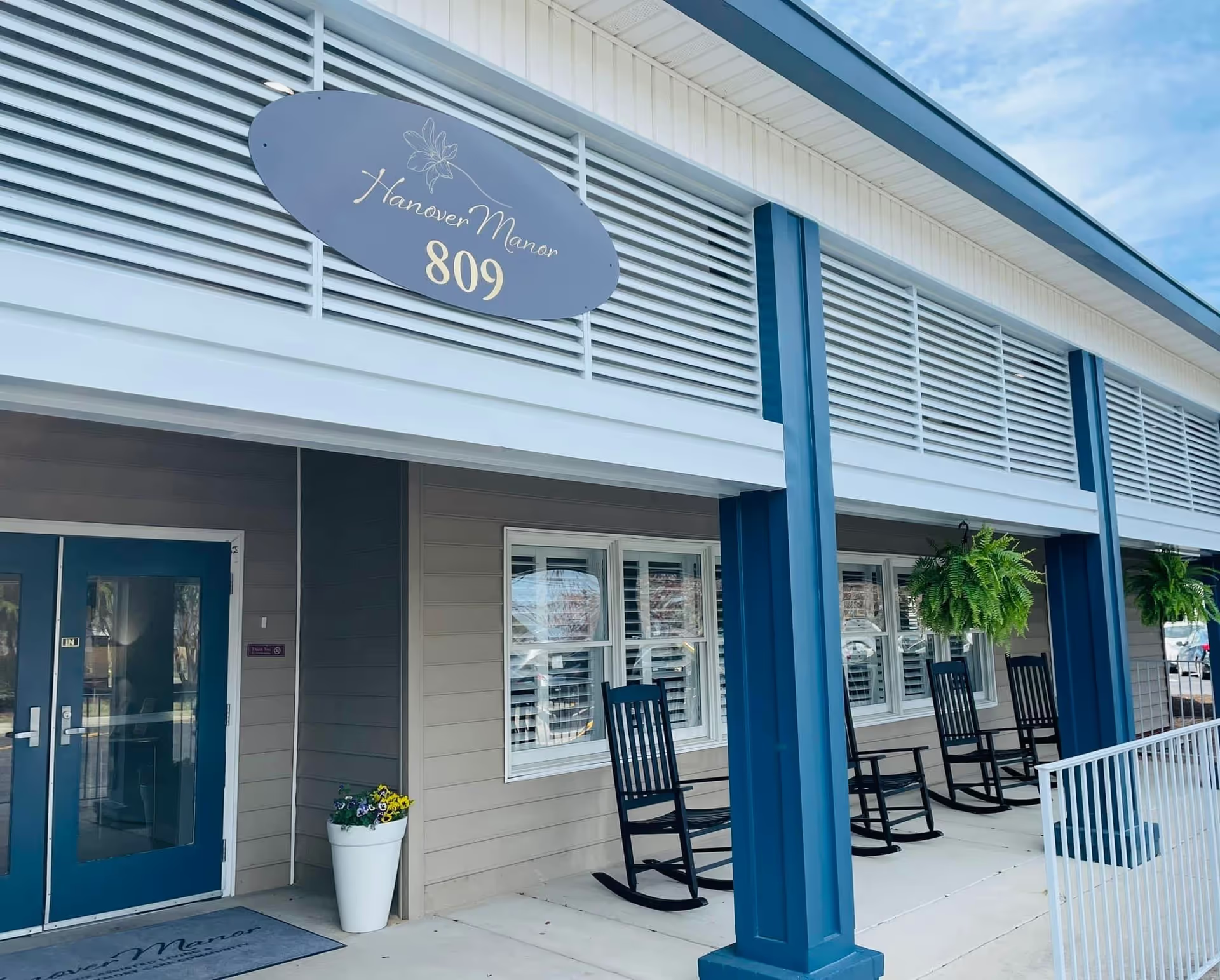
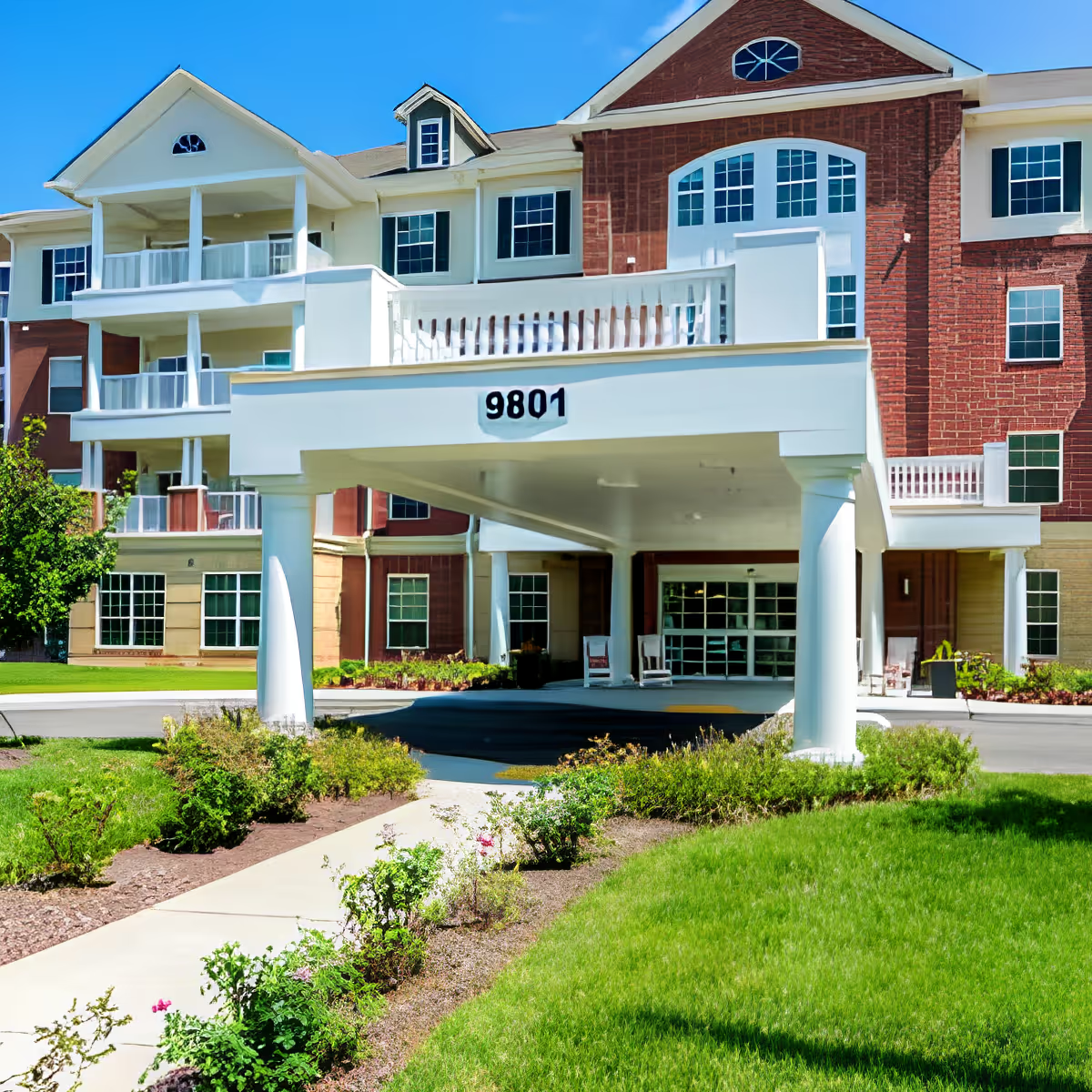
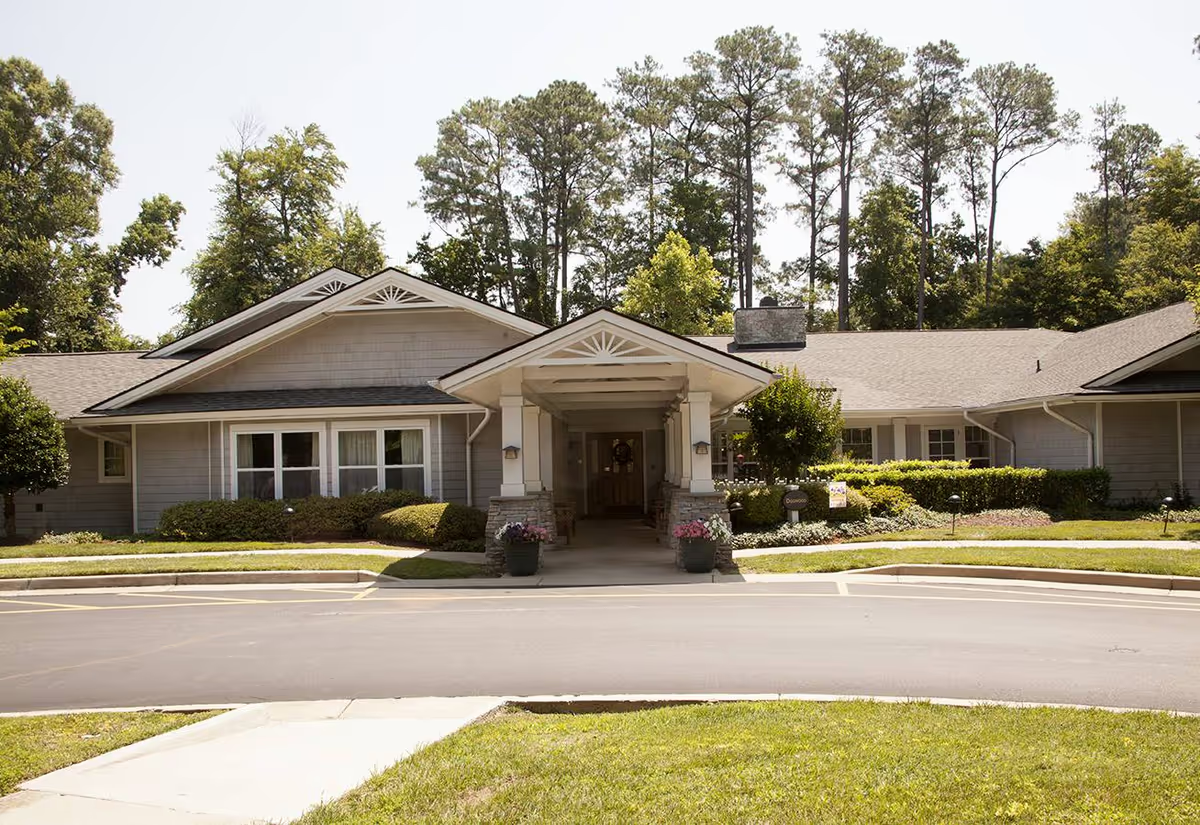
YAMA Services Adult Assisted Living presents as a small, family-owned residential option with a strong emphasis on personal attention and a home-like setting. Many families praised hands-on owner involvement, friendly and compassionate caregivers, and accessible communication. Reviewers commonly described staff as attentive, respectful, and willing to accommodate individual requests; several accounts specifically noted good coordination with hospice and supportive end-of-life care. The facility's appearance and grounds are frequently described as clean, bright, and well maintained, and documentation/record-keeping practices were noted positively by some families.
Care quality appears to be strong for residents with low-to-moderate support needs: the facility is described as providing timely assistance, personalized care plans, and effective transitions for therapy and hospice. Staff responsiveness and individualized attention contributed to families' peace of mind in many accounts. Reviewers also highlighted successful clinical outcomes in particular cases and praised the warm, welcoming environment for visitors.
However, there is a pattern of variability across reviews. Several comments raise concerns about inconsistent care responsiveness and gaps in practical safety practices, including transfer-safety and fall-prevention measures. A number of reviewers indicated that the house may not have the clinical staffing or equipment to support higher-acuity or complex medical needs; accessibility limitations such as narrow or non–wheelchair-accessible bathrooms were also mentioned. Meal service and scheduling were sometimes described as irregular or light on nutrition, and multiple reviewers remarked on a lack of structured activities or regular engagement programming for residents.
Other practical considerations include variability in room furnishing and atmosphere—some families found rooms sparse or less homey—and uneven tour/admissions experiences. These patterns suggest the facility can be an excellent fit for residents who need a personalized, home-style setting and whose needs align with the facility’s scope of care. Prospective families should clarify clinical staffing levels, assess transfer and mobility supports, review meal plans and activity schedules, and observe supervision practices during a tour to determine suitability for higher-acuity needs.